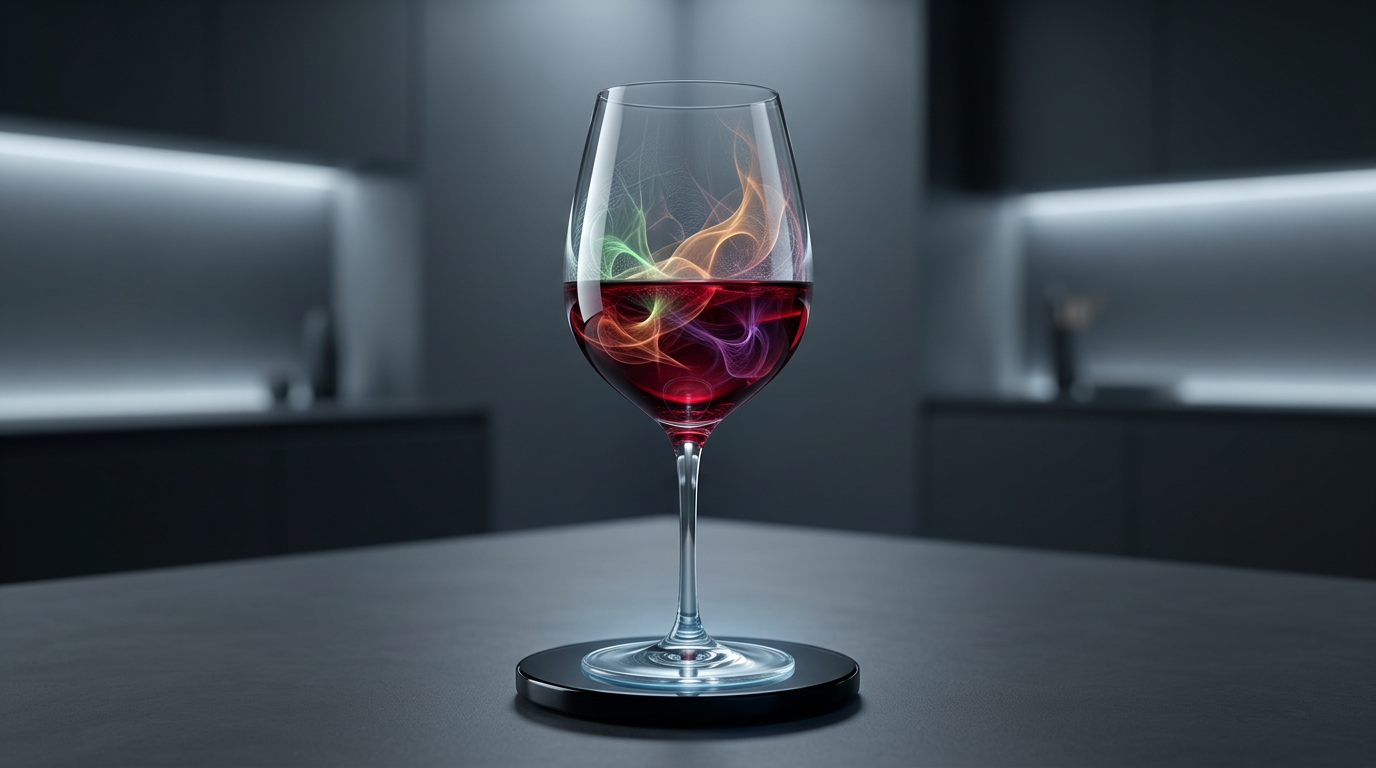
The Art of the 'Ephemeral Aroma': Capturing and Preserving Wine's Most Fleeting Scents in 2026
In 2026, the world of wine appreciation continues to be captivated by ephemeral wine aromas – those delicate, fleeting scents that add profound nuance. From spring blossoms to forest floor hints, these subtle notes challenge and delight enthusiasts. This article delves into the innovative methods being developed and utilized to capture and preserve these most beautiful and intricate elements of a wine's character, pushing the boundaries of sensory exploration.

The Art of Capturing Ephemeral Wine Aromas in 2026
In the vast and intricate world of wine appreciation, few elements captivate and challenge enthusiasts as much as the concept of ephemeral wine aromas. These delicate, fleeting scents—the whisper of a spring blossom, the faint hint of a forest floor after rain, or the subtle spice barely perceptible on the nose—represent some of the most profound and beautiful nuances a wine can offer. As we delve into 2026, understanding and mastering the capture of these elusive olfactory notes has become a hallmark of true wine expertise, enriching our tasting experiences and deepening our connection to the craftsmanship behind each bottle. This article explores the nature of these transient smells, why they vanish so quickly, and the techniques modern enthusiasts and professionals employ to appreciate these ephemeral wine aromas fully.
Understanding the Nature of Fleeting Wine Aromas
What exactly makes certain wine aromas so fleeting? The answer lies in their chemical composition and volatility. These scents are often derived from highly volatile organic compounds (VOCs) that evaporate quickly upon exposure to air. Therefore, unlike more stable, robust aromas, these delicate notes have a short lifespan once released from the wine, demanding swift and focused attention from the taster. For an in-depth look at similar sensory challenges, explore The Art of the Sommelier's Palate: Beyond Taste Buds to Olfactory Memory in 2026.
The complexity of wine's aromatic profile is staggering, involving hundreds of different compounds. Each contributes to the overall bouquet, but some are undoubtedly shyer than others. Recognizing these subtle players is crucial for a complete sensory analysis of ephemeral wine aromas.
The Science Behind Ephemeral Wine Aromas
- High Volatility: Compounds like esters (responsible for fruity notes) or some terpenes (floral, herbal) have low boiling points and a high vapor pressure. This means they readily transform from liquid to gas.
- Low Concentration: Many ephemeral wine aromas exist in minute concentrations, making them difficult to detect unless conditions are optimal.
- Interaction with Oxygen: Oxygen, while essential for the initial release of aromas, can also cause them to oxidize and dissipate quickly, especially with delicate compounds.
Techniques for Capturing Ephemeral Wine Aromas
Capturing these elusive scents requires more than just a quick sniff; it demands a mindful, methodical approach. Professionals in 2026 employ a range of techniques, blending traditional wisdom with modern understanding to coax out every nuance. For insights into preserving other delicate wine characteristics, consider reading about The Art of the 'Ephemeral Vintage': Capturing and Communicating the Fleeting Magic of Peak Wine Moments in 2026.
The right environment and tools are as critical as the technique itself. A quiet setting, free from competing odors, is paramount for focusing on the wine's delicate bouquet. Mastering these techniques transforms wine tasting from a casual drink into a contemplative, sensory journey, especially when seeking out ephemeral wine aromas.
Optimal Serving Conditions for Delicate Aromas
To give ephemeral wine aromas their best chance, consider these factors:
- Temperature: Serving wine at its correct temperature is vital. Too cold, and aromas are suppressed; too warm, and alcohol can overshadow delicate notes. Generally, white wines benefit from cooler temperatures (8-12°C), and reds from slightly warmer (16-18°C) to allow for optimal aromatic release.
- Glassware: The shape of the wine glass significantly impacts aroma perception. Glasses with a wide bowl and a narrow rim concentrate aromas towards the nose, making it easier to detect subtle scents. Learn more about how design influences enjoyment in The Glass Revolution: How Innovative Vessel Design is Redefining Wine Enjoyment in 2026.
- Decanting: While some robust reds benefit from aeration, delicate wines, especially those with prominent ephemeral wine aromas, should be approached with caution. Excessive decanting can cause these fleeting notes to dissipate too quickly.
Sensory Approaches for Aroma Detection
Beyond the physical conditions, the taster's technique is paramount for identifying ephemeral wine aromas:
- Gentle Swirl: First, a gentle swirl of the glass releases aromatic compounds without aggressively aerating the wine. Avoid vigorous swirling which can blow off delicate notes.
- Short, Focused Sniffs: Next, rather than deep inhalations, take several short, direct sniffs. This allows the olfactory receptors to detect the lighter, more volatile compounds first.
- Intermittent Sniffing: Finally, take a short break between sniffs. Our olfactory system can quickly become fatigued, making it harder to detect nuanced smells. Stepping away for a moment can 'reset' your nose.
The Impact of Terroir and Winemaking on Fleeting Aromas
The origin of the grapes and the winemaking philosophy profoundly influence the presence and intensity of ephemeral wine aromas. From the soil composition to the climate, every factor plays a role in shaping the specific aromatic fingerprint of a wine. For a deeper understanding of regional influences, delve into Quantum Terroir: Unlocking the Subatomic Secrets of Wine's Sense of Place in 2026.
Winemakers carefully balance various techniques to preserve these delicate compounds. Their decisions, from harvest timing to fermentation vessels, directly impact the final aromatic profile, particularly the more subtle notes. Understanding these influences adds another layer to appreciating these fleeting scents and ephemeral wine aromas.
Terroir's Contribution to Ephemeral Aromas
- Climate: Cooler climates often produce wines with more intense primary fruit and floral aromas, which can be quite ephemeral.
- Soil: The mineral composition of the soil can influence the precursors to certain aromatic compounds in the grapes.
- Grape Varietal: Some grape varieties, like Riesling or Gewürztraminer, are naturally predisposed to expressing highly aromatic, often ephemeral, profiles.
Winemaking Decisions to Preserve Delicate Notes
Winemakers employ several strategies to capture and stabilize ephemeral wine aromas:
- Early Harvest: Picking grapes when they retain higher acidity and fresh primary aromas can help preserve delicate fruit and floral notes.
- Cool Fermentation: Fermenting at lower temperatures helps retain volatile aromatic compounds that might otherwise be lost through heat.
- Reduction Practices: Limiting oxygen exposure during winemaking (e.g., using inert gas) can protect delicate aromatics from oxidation.
- Minimal Intervention: Some winemakers opt for minimal intervention, believing it allows the wine's natural aromatic profile, including its most subtle components, to express itself more authentically. This philosophy is further explored in The Art of the Winemaker's Palette: Sculpting Flavor with Indigenous Yeast and Minimal Intervention in 2026.
Preserving and Describing Ephemeral Wine Aromas in 2026
Beyond just detecting them, the art of wine appreciation extends to preserving the memory of these aromas and articulating them effectively. In 2026, technology aids alongside traditional methods in this endeavor, helping enthusiasts deepen their understanding of ephemeral wine aromas. For a comprehensive look at the sensory science involved, check out The Quantum Palate: Deconstructing the Science of Flavor Perception in Wine for 2026.
Accurately describing these subtle nuances not only enhances personal enjoyment but also improves communication among wine professionals and enthusiasts. The challenge lies in translating a fleeting sensory experience into lasting language. The Wine & Spirit Education Trust (WSET) provides excellent resources for developing a tasting vocabulary, available on their official website.
Advanced Sensory Tools for Aroma Identification
While the human nose remains the ultimate instrument, new tools assist in understanding these aromas, particularly ephemeral wine aromas:
- Aroma Wheels and Dictionaries: These classic tools remain invaluable for providing a structured vocabulary to describe wine aromas, including the more ephemeral ones like "wet stone" or "honeysuckle."
- Digital Tasting Notes: Apps and online platforms now allow for highly detailed and searchable tasting notes, helping individuals track and recall specific ephemeral wine aromas over time. Explore platforms like CellarTracker for inspiration.
- Aroma Kits: Specialized aroma kits can train the nose to identify specific scents, improving sensitivity to subtle notes in wine. Companies like Le Nez du Vin offer comprehensive kits.
The Language of Fleeting Scents
Describing ephemeral aromas requires precision and evocative language. Instead of simply naming a fruit, a taster might describe its intensity, ripeness, or how it intertwines with other scents. For example, instead of "apple," one might say "crisp green apple peel" or "faint baked apple with a hint of cinnamon." The more detail, the better to capture the fleeting perception of these ephemeral wine aromas.
- Use Analogies: Compare an aroma to a memory or experience, which can be a powerful descriptive tool.
- Note the Intensity and Persistence: Was the aroma faint or noticeable? How long did it linger?
- Contextualize: How did the ephemeral aroma contribute to the wine's overall character?
In conclusion, the pursuit of ephemeral wine aromas is a journey into the subtle beauty and complexity of wine. By understanding their nature, employing careful techniques, and appreciating the influences of terroir and winemaking, we can unlock a deeper, more profound appreciation for every glass. As the wine world continues to evolve in 2026, the ability to savor these fleeting marvels remains a testament to the enduring allure and artistry of wine.
Written by
Juniper Thorne is an experienced writer and educator with a deep passion for the world of wine. Bringing expertise in sensory analysis and wine culture to the Greatest Wine platform, Juniper helps readers explore and appreciate every nuance of wine.
Related Articles
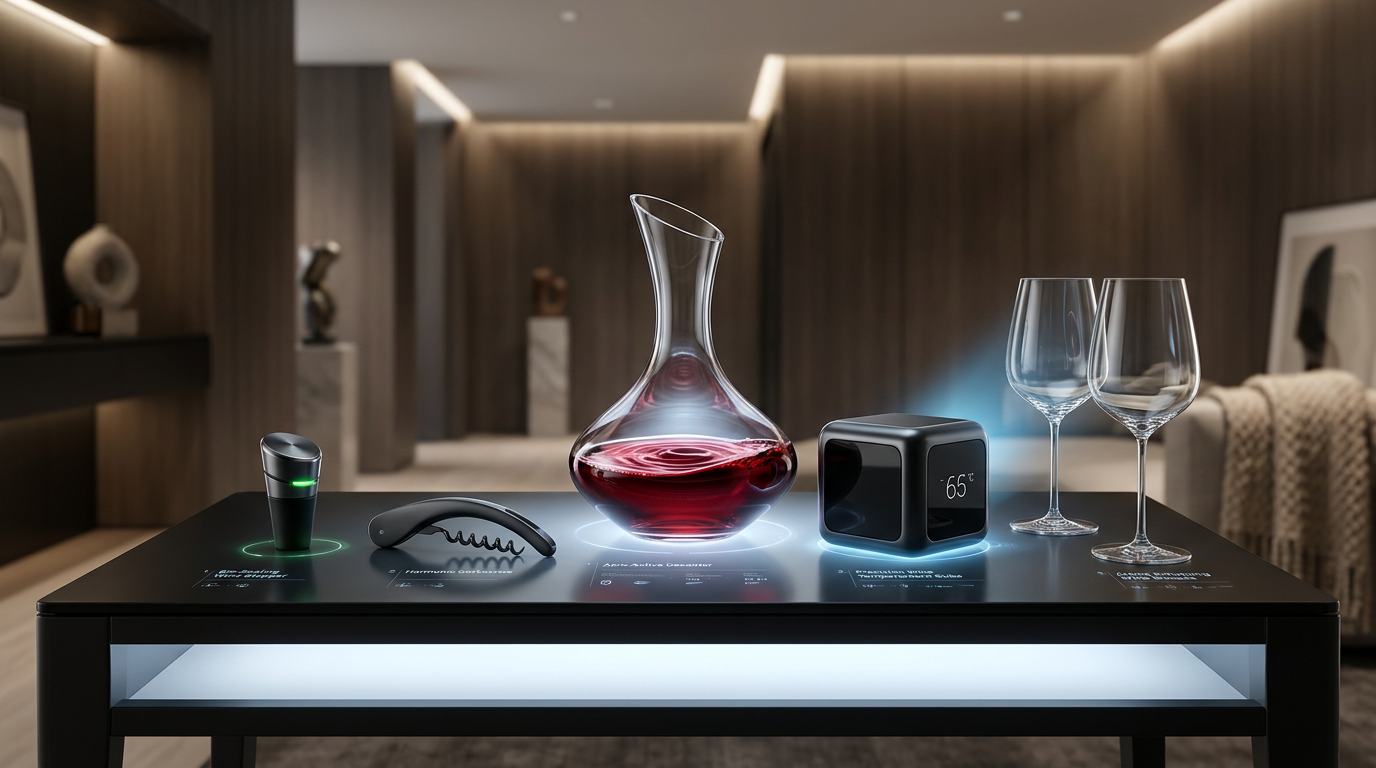
The Vinous Arsenal: Essential Tools for Elevating Your Wine Experience in 2026
As we navigate May 2026, the world of wine continues to evolve, offering enthusiasts unprecedented tools. Discover the essential wine accessories for 2026 that will elevate your enjoyment, from innovative aerators to smart preservation systems. Upgrade your vinous arsenal today with Greatest Wine.
Juniper Thorne