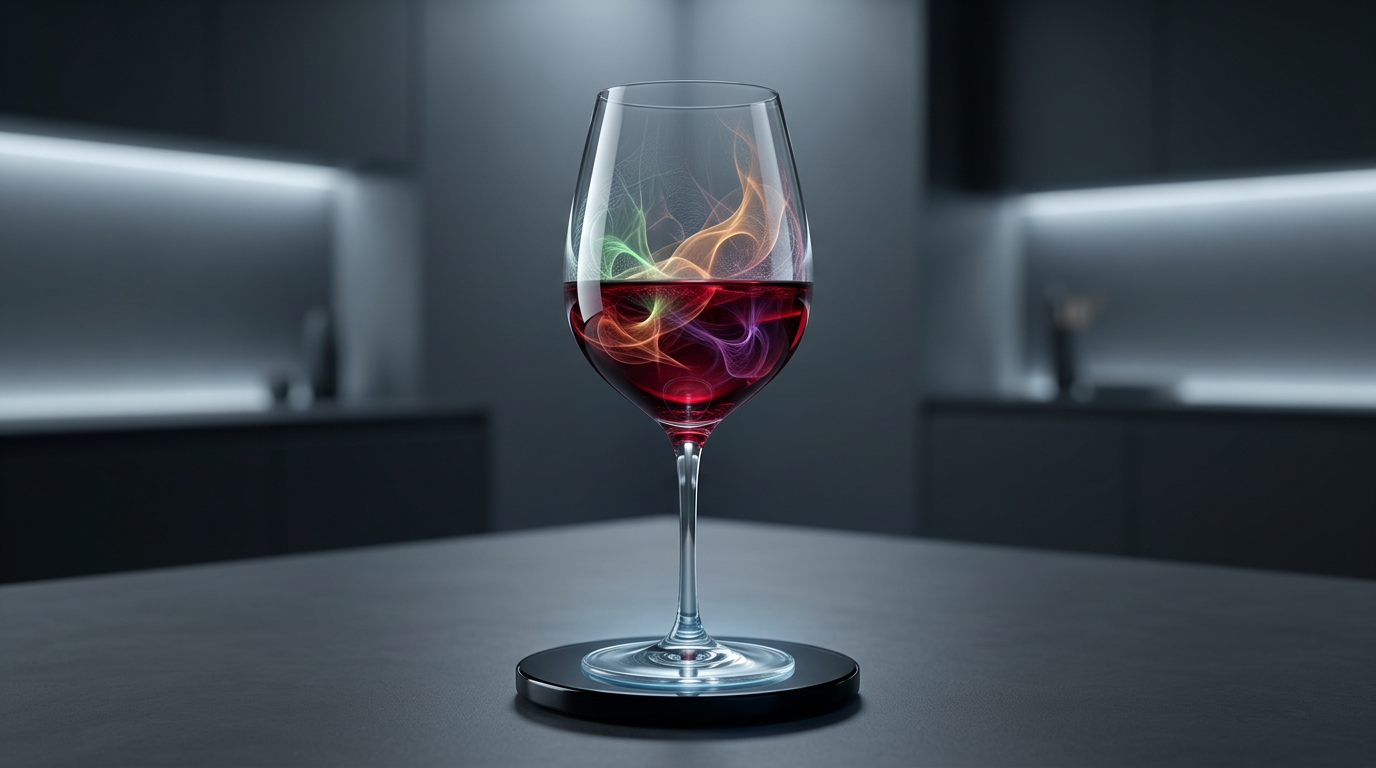
The Art of the 'Vinous Chameleon': Decoding How Wine Adapts its Personality Across Different Glassware in 2026
In 2026, the subtle yet profound impact of wine glassware on a wine's personality is a captivating topic. This article explores the science behind why the choice of glass can dramatically alter aroma, taste, and overall perception. Discover how these 'vinous chameleons' adapt, offering a unique drinking experience based on their vessel. Far from simple containers, wine glasses are integral to unlocking the full potential of your favorite vintages.

The Unseen Influence: Decoding How Wine Transforms Through Wine Glassware Science in 2026
In the intricate world of wine appreciation, few elements are as subtly transformative yet profoundly impactful as the vessel from which it's consumed. This exploration delves into the fascinating realm of wine glassware science, uncovering how the choice of glass can dramatically alter a wine's aroma, taste, and overall perception. Far from being mere containers, wine glasses are precisely engineered tools, designed to unlock the full potential of a varietal. As we navigate 2026, understanding this science is more crucial than ever for both casual drinkers and seasoned connoisseurs alike.
For additional insights into how our perception shapes the wine experience, explore The Art of the 'Cognitive Terroir': How Our Brains Sculpt Wine Perception in 2026.
The Fundamental Principles of Wine Glassware Science
The magic behind how a glass influences wine lies in several key design elements. These elements work in concert to shape the sensory experience, maximizing enjoyment and revealing nuances that might otherwise remain hidden. It's a testament to thoughtful engineering and centuries of evolution in viticulture.
Each component of a wine glass – from the bowl's shape to the rim's diameter – plays a vital role. Understanding these principles helps us select the perfect glass for any given wine, enhancing our appreciation.
Bowl Shape and Aeration
The shape of a wine glass bowl is arguably its most critical feature. It dictates the surface area of the wine exposed to air, influencing aeration and the release of volatile aromatic compounds. A wider bowl allows for greater air contact, which can soften tannins in red wines and open up complex bouquets.
- Broad bowls: Ideal for bold red wines like Cabernet Sauvignon or Syrah, promoting rapid aeration to mellow tannins.
- Narrower bowls: Suited for delicate white wines and sparkling wines, preserving their freshness and preventing excessive oxidation.
- Evolution of design: Modern wine glassware science continues to refine these shapes, often incorporating subtle curves to direct wine flow.
Rim Diameter and Aroma Delivery
The diameter of the glass's rim profoundly affects how aromas reach the nose. A narrower rim concentrates the volatile compounds, guiding them directly to the olfactory receptors. Conversely, a wider rim disperses aromas more broadly.
- Narrow rims: Excellent for aromatic white wines like Gewürztraminer or Riesling, enhancing their floral and fruity notes.
- Wider rims: Can be beneficial for robust red wines, allowing for a broader spectrum of aromas to be perceived simultaneously.
- Lip design: The thinness and flare of the rim also subtly impacts the wine's initial contact with the palate.
Stem Length and Temperature Control
While often overlooked, the stem serves a crucial purpose: preventing the transfer of body heat from the hand to the wine. Holding the glass by the stem ensures the wine maintains its ideal serving temperature for longer, directly influencing its taste and aroma.
This attention to temperature is a cornerstone of proper wine enjoyment. Warm wine can taste flabby, while overly chilled wine can mask delicate flavors. The stem is a simple yet effective tool in preserving the desired temperature. Delve deeper into this topic with The Art of the Silent Sensoryist: Mastering the Nuances of Wine Temperature in 2026.
Varietal-Specific Glassware: Applying Wine Glassware Science
The concept of varietal-specific glassware isn't a marketing gimmick; it's a direct application of wine glassware science. Winemakers and glassware manufacturers collaborate to design glasses that are perfectly calibrated to enhance the unique characteristics of different wine types. This tailored approach allows each wine to express its true potential.
As of 2026, the market offers an astounding array of specialized glasses, each designed with a specific purpose. Let's look at some common examples.
Red Wine Glasses
Red wine glasses typically feature larger bowls. This increased surface area allows the wine to breathe more, softening tannins, and releasing complex aromatic compounds like cherry, plum, and spice. There's further specialization within red wine glasses:
- Bordeaux Glass: Tall with a broad bowl, designed for full-bodied red wines like Cabernet Sauvignon, Merlot, and Bordeaux blends. Its shape directs wine to the back of the palate, emphasizing fruit while softening tannins.
- Burgundy Glass: Wider and more bulbous than a Bordeaux glass, with a slightly narrower rim. Perfect for delicate, aromatic reds such as Pinot Noir and Nebbiolo, concentrating their ethereal aromas.
White Wine Glasses
White wine glasses generally have smaller bowls, helping to maintain cooler temperatures and preserve delicate aromas. They are designed to highlight crisp acidity and fruit notes while preventing oxidation.
- Standard White Wine Glass: A medium-sized bowl with a narrower opening, suitable for most white wines, including Chardonnay (unoaked), Sauvignon Blanc, and Pinot Grigio.
- Chardonnay Glass (oaked): Often features a slightly wider bowl than other white wine glasses to accommodate the richer texture and oak-imparted aromas of oaked Chardonnay.
Sparkling Wine Glasses
The design of sparkling wine glasses is focused on preserving effervescence and directing bubbles to the nose.
- Flute: Tall and narrow, it minimizes surface area, thereby preserving bubbles and concentrating subtle aromas.
- Coupe: A shallow, broad-bowled glass that was popular historically. While elegant, it allows bubbles to dissipate quickly.
- Tulip: A hybrid, with a narrower rim than the bowl, offering a balance between preserving fizz and allowing aromatic development. Many experts in wine glassware science now prefer the tulip for its superior performance.
The Sensory Impact of Glass Shape: A Deeper Dive into Wine Glassware Science
The interaction between the glass, the wine, and our senses is a complex interplay driven by physics and physiology. The shape of the glass doesn't just present the wine; it actively shapes our perception of it. This unseen influence is what makes wine glassware science so captivating.
From the moment the wine touches the glass until the last drop is savored, every aspect of the glass contributes to the overall experience. This detailed control over sensory delivery is key.
Aroma Concentration and Dispersion
As discussed, the bowl and rim work together to direct aromatic compounds. Different shapes lead to different concentrations of these volatile compounds at the nose, which can highlight specific facets of a wine's bouquet. A well-designed glass can enhance subtle notes and diminish less desirable ones.
For instance, a glass designed for a highly aromatic Sauvignon Blanc will capture and deliver those intense grapefruit and gooseberry notes with more precision than a generic tumbler.
For further reading on the ephemeral nature of wine's bouquet, explore The Art of the 'Ephemeral Aroma': Capturing and Preserving Wine's Most Fleeting Scents in 2026.
Taste Perception and Palate Flow
The shape of the glass also influences how the wine arrives at different parts of the tongue. This can emphasize certain taste receptors (sweet, sour, bitter, salty, umami), altering the perceived balance and harmony of the wine.
A wider rim might spread the wine more broadly across the palate, while a narrower opening could direct it to a more specific area. This subtle manipulation significantly impacts the perceived acidity, sweetness, and tannic structure.
The Future of Wine Glassware in 2026
As we move further into 2026, innovations in materials and design continue to push the boundaries of wine glassware science. Manufacturers are utilizing advanced glass formulations for increased durability and optical clarity, alongside ergonomic improvements. The drive for sustainability is also leading to more environmentally friendly production methods, such as those discussed by Wine Folly's insights on wine glass functionality.
Consumer demand for specialized experiences means the market will likely see even more precise, varietal-specific glass designs. Expect to see greater integration of scientific principles in everyday glassware.
Technological Advancements in Glass Production
Material science is playing a significant role. New lead-free crystal formulations offer brilliance and strength without the environmental concerns of traditional lead crystal. These advancements contribute to lighter, thinner, and more resilient glasses that enhance the tasting experience. Reputable brands like Riedel and Zalto continue to innovate in this space.
The precision with which rims can now be cut and bowls formed allows for even greater specificity in design, maximizing the impact of wine glassware science.
Personalization and Customization
Beyond varietal-specific options, we may see a trend towards more personalized glassware solutions. This could involve custom designs based on individual palate preferences or even glasses optimized for particular wine regions or vintages. The quest for the perfect sip is an ongoing journey.
Online tools or AI-driven recommendations might help consumers choose glasses tailored to their unique tastes and the wines they enjoy most. The future of wine consumption promises to be increasingly bespoke.
Conclusion: The Indispensable Role of Wine Glassware Science
The journey through the world of wine glassware science reveals that a wine glass is far more than a simple container; it is an essential instrument in the symphony of wine appreciation. From concentrating delicate aromas to directing liquid flow across the palate, each design element plays a crucial role in unlocking a wine's true character.
As we continue our exploration of the vast and nuanced world of wine on Greatest Wine, understanding and applying the principles of quality glassware empowers every enthusiast. By selecting the right glass, we elevate our tasting experience, discovering new dimensions of flavor, aroma, and texture. Invest in quality glassware, and you invest in the full enjoyment of every bottle you open, transforming every sip into a celebration of sensory precision.
Written by
Juniper Thorne is an experienced writer and educator with a deep passion for the world of wine. Bringing expertise in sensory analysis and wine culture to the Greatest Wine platform, Juniper helps readers explore and appreciate every nuance of wine.
Related Articles
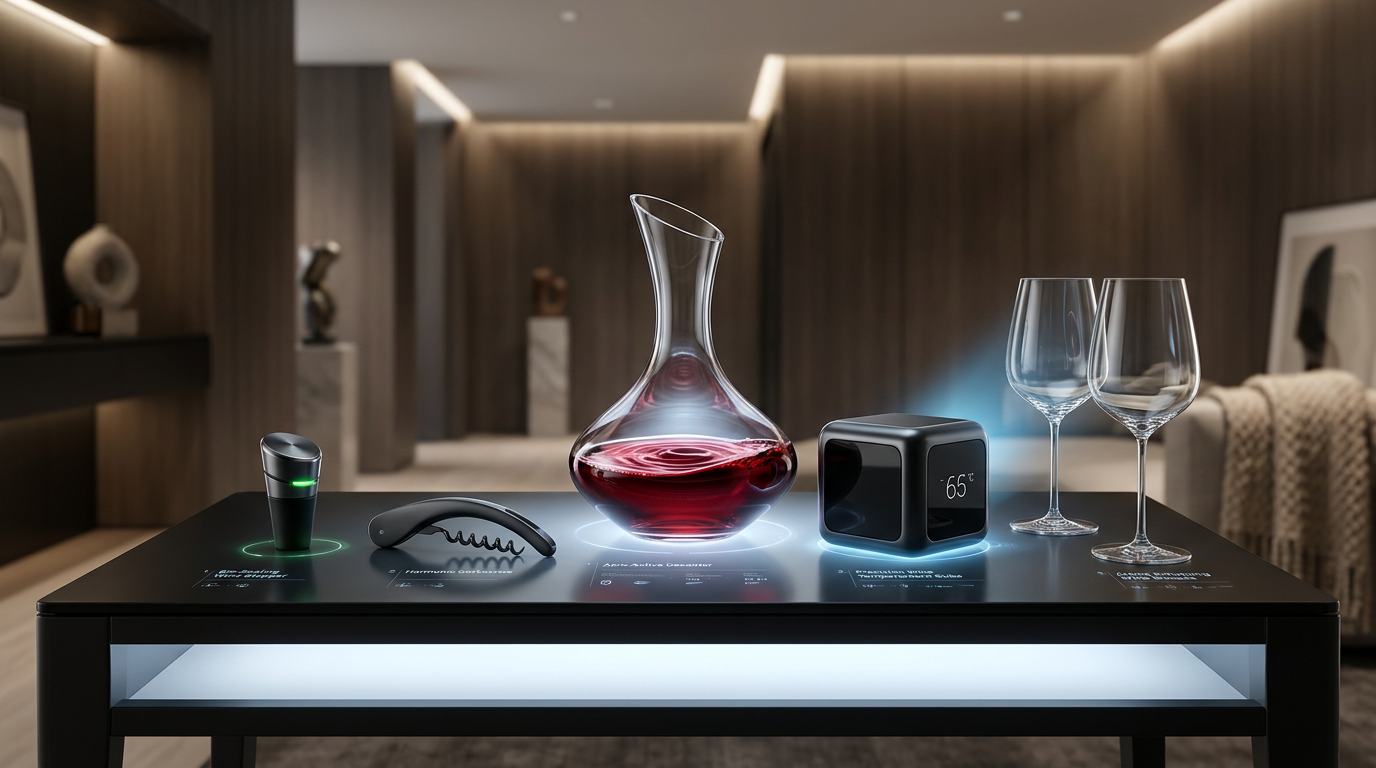
The Vinous Arsenal: Essential Tools for Elevating Your Wine Experience in 2026
As we navigate May 2026, the world of wine continues to evolve, offering enthusiasts unprecedented tools. Discover the essential wine accessories for 2026 that will elevate your enjoyment, from innovative aerators to smart preservation systems. Upgrade your vinous arsenal today with Greatest Wine.
Juniper Thorne