Juniper Thorne is an experienced writer and educator with a deep passion for the world of wine. Bringing expertise in sensory analysis and wine culture to the Greatest Wine platform, Juniper helps readers explore and appreciate every nuance of wine.
The wine industry is evolving rapidly in 2026, with pop-up wineries and urban viticulture leading the way. This innovative trend brings the art of winemaking directly to consumers in unexpected city locations, changing how we experience and enjoy wine. Dive into the fascinating transformation of the vinous landscape.
In the intricate world of oenology, few concepts capture the imagination quite like the vinous palimpsest. Just as ancient manuscripts were scraped clean and reused, leaving faint traces of previous texts, an aged wine can be seen as a living document, with layers of history, terroir, and winemaking decisions subtly imprinted beneath its current expression. This fascinating concept continues to intrigue wine enthusiasts and experts alike in 2026, offering a unique perspective on the evolution and depth found within a bottle.
Understanding the intricate relationship between a vineyard's health, its unique terroir, and the resulting wine is an endeavor that continually evolves. This very essence is captured by the concept of the vinous pulse 2026, a holistic examination of the vitality and rhythm within the world's most esteemed grape-growing regions. As we delve into the heart of 2026, the global wine landscape presents fascinating insights into how environmental factors, advanced viticulture practices, and evolving consumer preferences are shaping the art of winemaking. This article dives deep into the metrics and observations that define the 'vinous pulse' – from soil microbiome health to climate resilience strategies. Learn how these elements converge to produce the exceptional wines we cherish, and what innovations are on the horizon for sustainable and expressive viticulture.
In 2026, the subtle yet powerful art of wine diplomacy continues to forge international ties and cultural exchange. More than just a beverage, wine acts as a shared language, facilitating crucial dialogue and fostering understanding between nations. This practice strengthens global relationships in an increasingly interconnected world.
In the evolving landscape of viticulture, winery architecture stands as a critical element, transcending mere functionality to become an art form in itself. Far beyond simple production facilities, modern wineries in 2026 are increasingly conceived as temples of terroir, designed to embody the spirit of their land, showcase winemaking prowess, and create unforgettable visitor experiences. This piece delves into the innovative approaches and key considerations shaping the design of these iconic structures, highlighting sustainability, integration with landscape, and visitor engagement as paramount factors. We examine how architects are blending tradition with cutting-edge design to build structures that are not just functional but also profoundly symbolic of their origin and craft, reflecting the pinnacle of vinous artistry. The intersection of design, viticulture, and guest experience is more vital than ever in 2026's competitive global market.
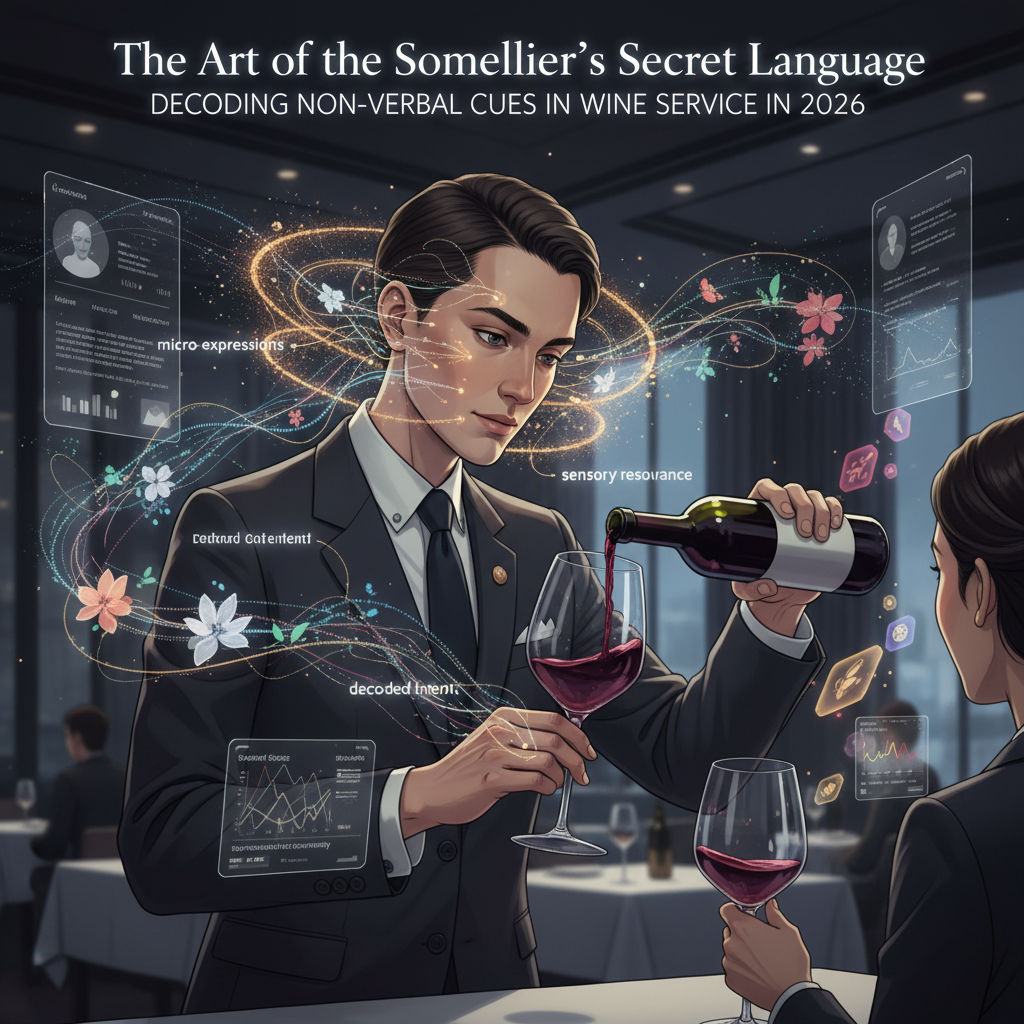
In 2026, the art of the sommelier goes beyond wine knowledge. A significant part of their expertise lies in decoding and utilizing non-verbal cues to enhance guest interaction and service. This intricate dance of gestures, expressions, and posture, often termed the 'sommelier's secret language,' plays a pivotal role in creating a refined and exceptional dining experience. Understanding these subtle signals allows for a more personalized and intuitive approach to wine service, ensuring guest satisfaction and enhancing the overall ambiance of fine dining establishments.
In 2026, wine influencer marketing is crucial for brands seeking global reach. Traditional advertising methods are less effective than authentic voices and recommendations in shaping consumer perception and driving purchases. This article delves into the strategies for success in the evolving wine media landscape.
In the intricate world of winemaking, few elements are as profoundly influential as the vinous micro-climate. This hyper-local atmospheric condition, unique to a specific vineyard block or even a row of vines, represents the confluence of elevation, aspect, soil composition, and more, significantly impacting the quality of 2026's vintages.
The journey of a fine wine from grape to glass is a complex and fascinating one, culminating in what many call the 'vinous metamorphosis.' Central to this transformation is the wine aging process, a period where myriad chemical reactions occur, shaping the wine's character, aroma, and texture. Understanding this intricate process is key to appreciating the depth and evolution of aged wines. This 2026 edition delves into the science and art behind how wines develop their unique characteristics over time in the cellar.
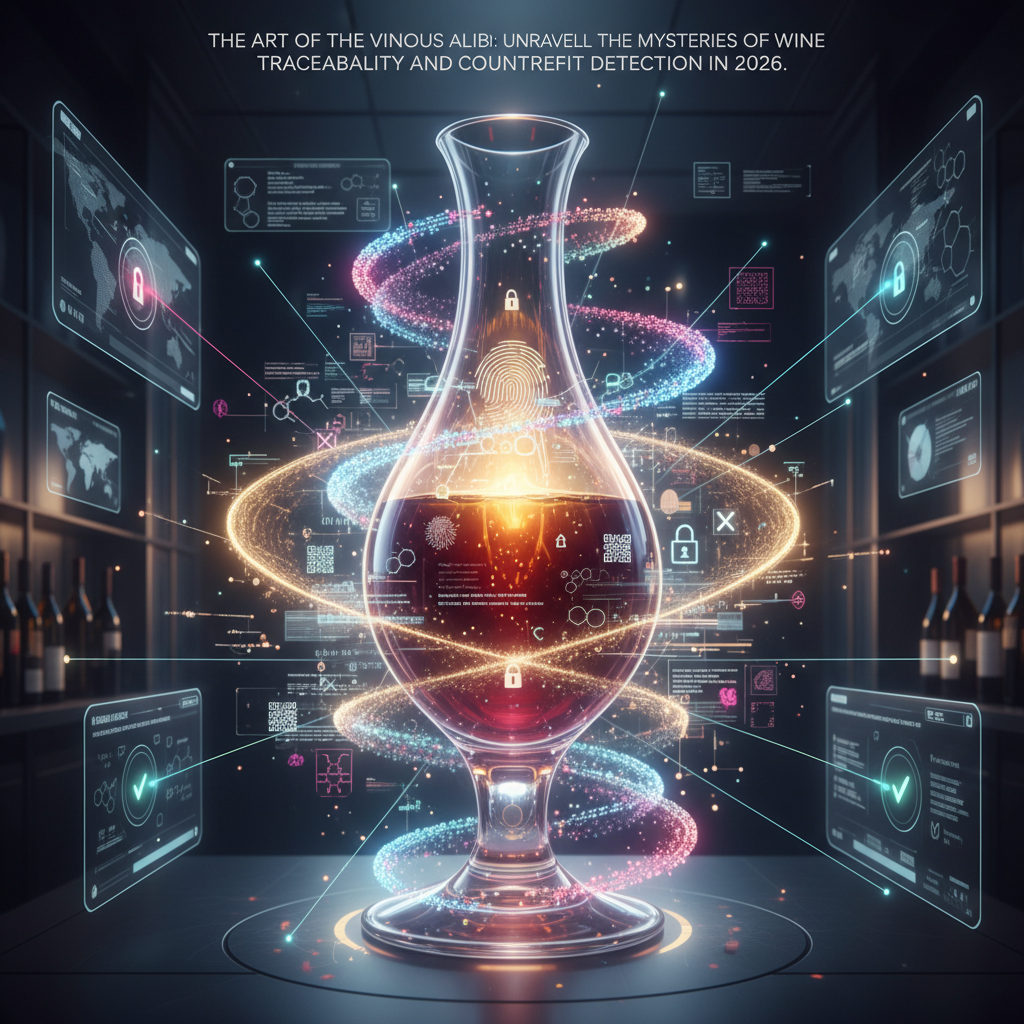
In 2026, the world of fine wines demands robust authenticity and provenance. This comprehensive guide explores innovative wine traceability techniques and cutting-edge solutions for counterfeit detection, safeguarding the integrity of every bottle. Delve into the latest advancements ensuring your wine is genuine and secure.
In 2026, the vital role of the soil microbiome in shaping wine's terroir and complexity is taking center stage. Beyond geology and climate, these microscopic communities of bacteria and fungi are proving to be the unseen architects behind the unique characteristics of your favorite wines. As viticulture evolves, understanding this soil-wine connection becomes paramount for cultivating exceptional vintages and predicting future trends.
In 2026, the 'palate print' revolutionizes wine appreciation. This emerging field explores how genetics, neuroscience, and sensory perception intertwine to dictate individual wine preferences. Understanding your unique genetic blueprint can unlock deeper enjoyment and informed choices in the evolving world of oenology.