The Global Quest for Authentication: Combatting Wine Fraud in 2026
In 2026, the global battle against wine fraud is intensifying. This article explores the critical efforts to authenticate vintages and expose counterfeit products, detailing the staggering economic implications and the vital need to restore consumer trust. Discover the latest strategies and technologies deployed to combat this pervasive issue in the fine wine market.

The Global Quest for Authentication: Combatting Wine Fraud in 2026
In the luxurious and often high-stakes world of fine wine, the dark shadow of wine fraud continues to loom large. As we navigate 2026, the pursuit of authentic vintages and the tireless efforts to unmask counterfeit products have never been more critical. The economic implications are staggering, and the damage to consumer trust can be irreparable. This article delves into the intricate battle against fraudulent wine, examining the sophisticated methods employed by fraudsters and the cutting-edge authentication techniques emerging to safeguard the integrity of the global wine industry. The broader economic and societal impact of the global wine trade is significant, making the fight against fraud even more vital.
Understanding the Scourge of Wine Fraud
Wine fraud encompasses a broad spectrum of deceptive practices, from simply mislabeling a cheaper wine to elaborate schemes involving refilling antique bottles with inferior liquids. The allure of immense profit margins drives these illicit activities, making it a persistent challenge for producers, collectors, and retailers worldwide. Understanding the forms it takes is the first step in effective prevention. For those looking to invest in genuine articles, understanding the art of the 'En Primeur' experience can be a safeguard.
Common Types of Wine Deception
- Relabeling and Counterfeiting: This involves replacing labels of genuine, high-value wines with fakes, or creating entirely counterfeit bottles. Often, cheaper wine is rebottled.
- Adulteration: Inferior or cheaper wine is blended with small amounts of genuine, high-quality wine, or even non-grape additives, to mimic desired characteristics.
- Provenance Fraud: Falsifying the origin, vintage, or ownership history of a bottle to increase its perceived value. This is particularly prevalent with older, rare wines.
- Dilution: Adding water or other liquids to increase volume, thereby increasing profit margins at the expense of quality. While less common in high-end wines, it’s a form of deception.
The impact of wine fraud extends beyond financial losses. It erodes confidence in the market, devalues legitimate products, and can even pose health risks depending on the substances used in adulteration.
The Evolution of Wine Fraud Techniques in 2026
Just as technology advances legitimate winemaking, it also provides new tools for fraudsters. In 2026, counterfeiters are employing increasingly sophisticated methods, making detection more challenging than ever before. From advanced printing techniques for fake labels to chemical analysis to mimic flavor profiles, the game is constantly evolving. The psychology behind wine labels is a key area fraudsters exploit.
Digital Fraud and Online Marketplaces
The proliferation of online marketplaces and social media platforms has opened new avenues for criminals. Fraudulent sellers can quickly set up fake storefronts, promote counterfeit products, and disappear before being caught. This digital anonymity makes tracing and prosecuting difficult.
- Sophisticated Website Clones: Replicating legitimate wine merchant websites to trick buyers.
- Social Media Scams: Advertising seemingly legitimate deals on rare wines via platforms like Instagram or Facebook, often with inflated discounts.
- Dark Web Trafficking: High-value counterfeit wines are sometimes traded in encrypted online environments, making surveillance incredibly difficult.
These digital frontiers require equally advanced defensive strategies, integrating cybersecurity with traditional authentication methods to effectively combat wine fraud.
Cutting-Edge Technologies Combatting Wine Fraud
The good news is that the wine industry is not standing still. Researchers and technology companies are developing innovative solutions to authenticate wines and prevent fraud. In 2026, several groundbreaking technologies are gaining traction, promising a more secure future for wine enthusiasts and collectors.
Blockchain Technology for Provenance Tracking
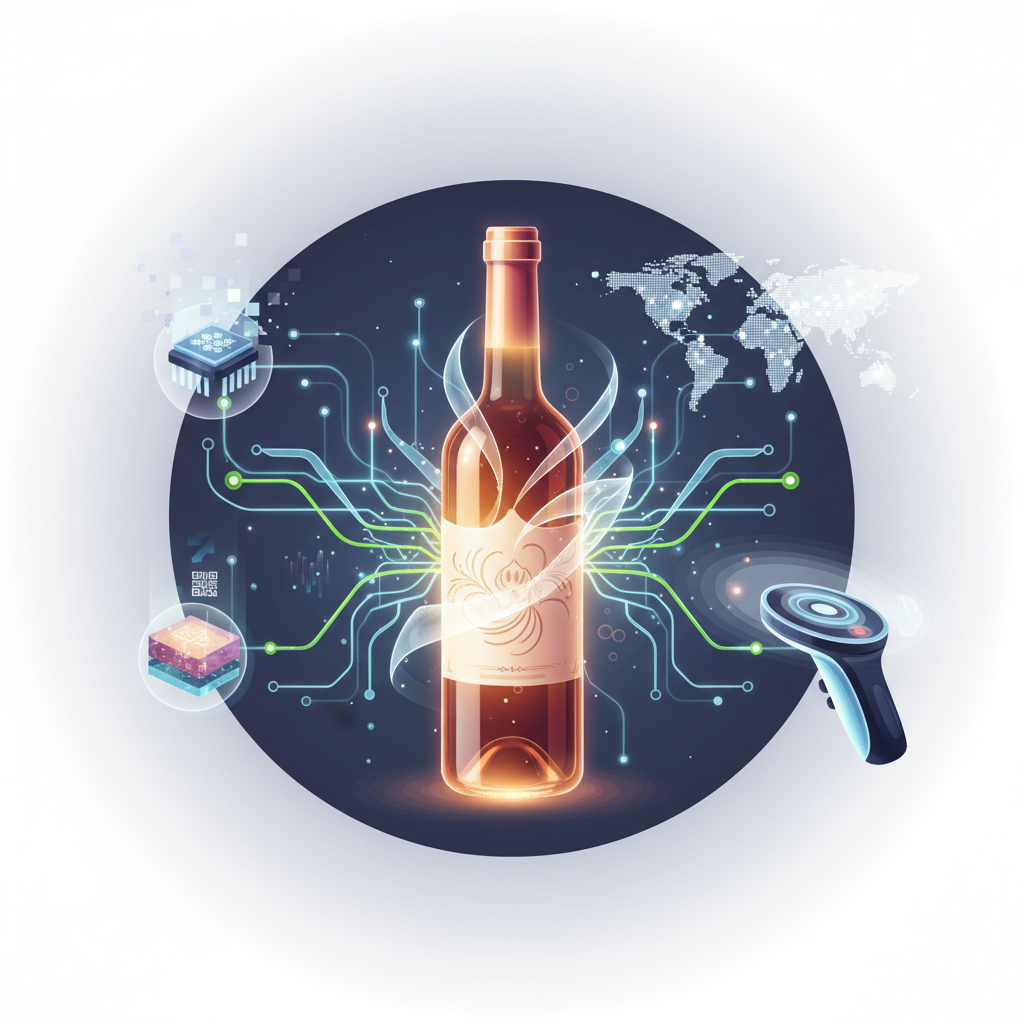
Blockchain offers an immutable, transparent, and decentralized ledger that can record every step of a wine bottle's journey, from vineyard to consumer. Each transaction or event—bottling, shipping, customs clearance, sale—is logged as a block in the chain, creating an unalterable history.
- Enhanced Traceability: Consumers can scan a QR code on a bottle to access its entire documented history, verifying its origin and authenticity.
- Tamper-Proof Records: The decentralized nature of blockchain makes it incredibly difficult for fraudsters to alter provenance data without detection.
- Increased Consumer Confidence: Providing verifiable proof of a wine's journey builds crucial trust between producers and buyers.
Advanced Forensic Analysis and AI
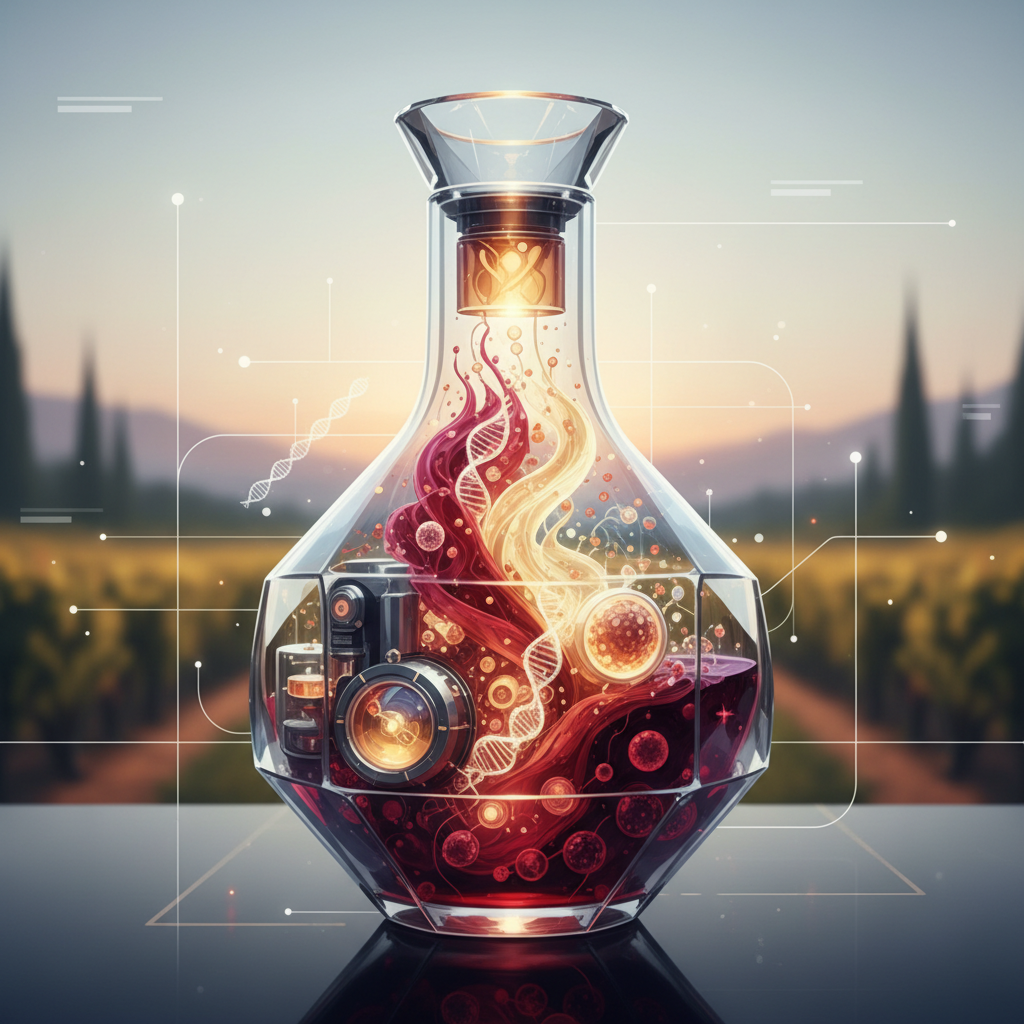
Scientific methods are becoming increasingly precise. Spectroscopic analysis, DNA fingerprinting, and isotope ratio mass spectrometry (IRMS) can analyze the chemical composition of wine to verify its vintage, region of origin, and even grape varietal. These techniques are complemented by Artificial Intelligence (AI). Techniques like these are also critical for understanding the art of terroir translation in genuine wines.
- Chemical Fingerprinting: Analyzing the unique chemical signatures of a wine to match it against known authentic samples.
- AI-Powered Label Analysis: AI algorithms can quickly identify minute inconsistencies in labels, corks, and bottle designs that might indicate a counterfeit, learning from vast databases of genuine and fake examples. This aligns with the advancements seen in AI in wine discovery.
- Non-Invasive Testing: New methods are constantly being developed allowing for analysis without opening the bottle, preserving its value.
These advanced forensic tools are pivotal in identifying sophisticated cases of wine fraud where visual inspection alone is insufficient.
The Role of Education and Consumer Awareness Against Wine Fraud
While technology provides powerful tools, an educated consumer base remains one of the most effective deterrents against wine fraud. Knowing what to look for, understanding the warning signs, and buying from reputable sources are fundamental practices for anyone investing in or simply enjoying fine wine. Learning to taste wine like a professional can also aid in identifying discrepancies.
Tips for Identifying Potentially Fraudulent Wine
- Examine Labels Meticulously: Look for smudged printing, blurry images, misspellings, or unusual fonts. Authentic labels are typically of very high quality.
- Inspect the Cork and Capsule: Check for signs of tampering, glue residue, or inconsistencies in the capsule's fit or branding.
- Scrutinize Bottle Features: Authentic bottles often have specific embossments, punt shapes, or glass colorations. Be wary of generic or inconsistent bottle designs.
- Question Unbelievable Deals: If a price seems too good to be true for a rare or highly sought-after wine, it very likely is.
- Research Provenance: If possible, ask for the wine’s history, including previous ownership, storage conditions, and purchase receipts.
By empowering consumers with knowledge, the industry creates a stronger collective defense against the pervasive threat of wine fraud. As Greatest Wine, we are committed to providing resources that equip both novices and connoisseurs with the expertise to navigate the market confidently in 2026 and beyond. For further insights into the global wine trade and its challenges, explore resources from organizations like the International Organisation of Vine and Wine (OIV), which actively works on harmonizing standards and combating illicit practices.
Written by
Juniper Thorne is an experienced writer and educator with a deep passion for the world of wine. Bringing expertise in sensory analysis and wine culture to the Greatest Wine platform, Juniper helps readers explore and appreciate every nuance of wine.
Related Articles
The Vinous Verse: How Wine's Spirit Inspires 2026's Poetic and Literary Masterpieces
The intricate dance between the grape and the written word has enchanted humanity for millennia. Explore the profound connection between wine and literature, from ancient musings to 2026's contemporary narratives and poetic masterpieces. Discover how the world of wine continually inspires writers.
Juniper Thorne