The Art of the Vinified 'Still Life': How Photography and AI are Capturing Wine's Transient Beauty in 2026
In 2026, the visual representation of wine has become more critical than ever. This article explores how photography and AI are capturing wine's transient beauty, transforming the traditional 'still life' into dynamic, engaging art forms that tell the story of each vintage. Discover the latest trends and techniques enhancing wine's presence in a competitive market.

The Art of the Vinified 'Still Life': How Photography and AI Are Capturing Wine's Transient Beauty in 2026
In the dynamic world of viticulture and oenology, the visual representation of wine has never been more critical. As we delve into Greatest Wine's mission to explore the profound depths of wine, the role of wine photography 2026 stands paramount. It’s no longer just about taking a picture of a bottle; it's about encapsulating the essence, the history, and the sensory experience of each pour. This year, technological advancements, particularly in artificial intelligence, are revolutionizing how photographers capture wine's intricate details, offering unprecedented perspectives on its transient beauty, from vineyard to glass.
Evolving Trends in Wine Photography 2026: More Than Just a Bottle Shot
The landscape of wine imaging has transformed dramatically. Gone are the days when a simple white background sufficed. Consumers in 2026 demand authenticity, storytelling, and an emotional connection to the products they consume. Wine photography 2026 is embracing these demands head-on.
The Rise of Lifestyle and Experiential Shots
Today's imagery often places wine within a lifestyle context. This includes showcasing bottles at elegant dinner parties, during intimate vineyard picnics, or even as part of a sophisticated culinary creation. The goal is to evoke the feeling and experience associated with enjoying a particular wine, rather than just presenting the product itself. These images help consumers visualize themselves enjoying the wine.
Such photography extends to capturing moments from wine festivals and vineyard events, immersing the viewer in the global wine culture that our platform champions. It’s about building a narrative around each bottle and each varietal.
Focus on Terroir and Sustainability
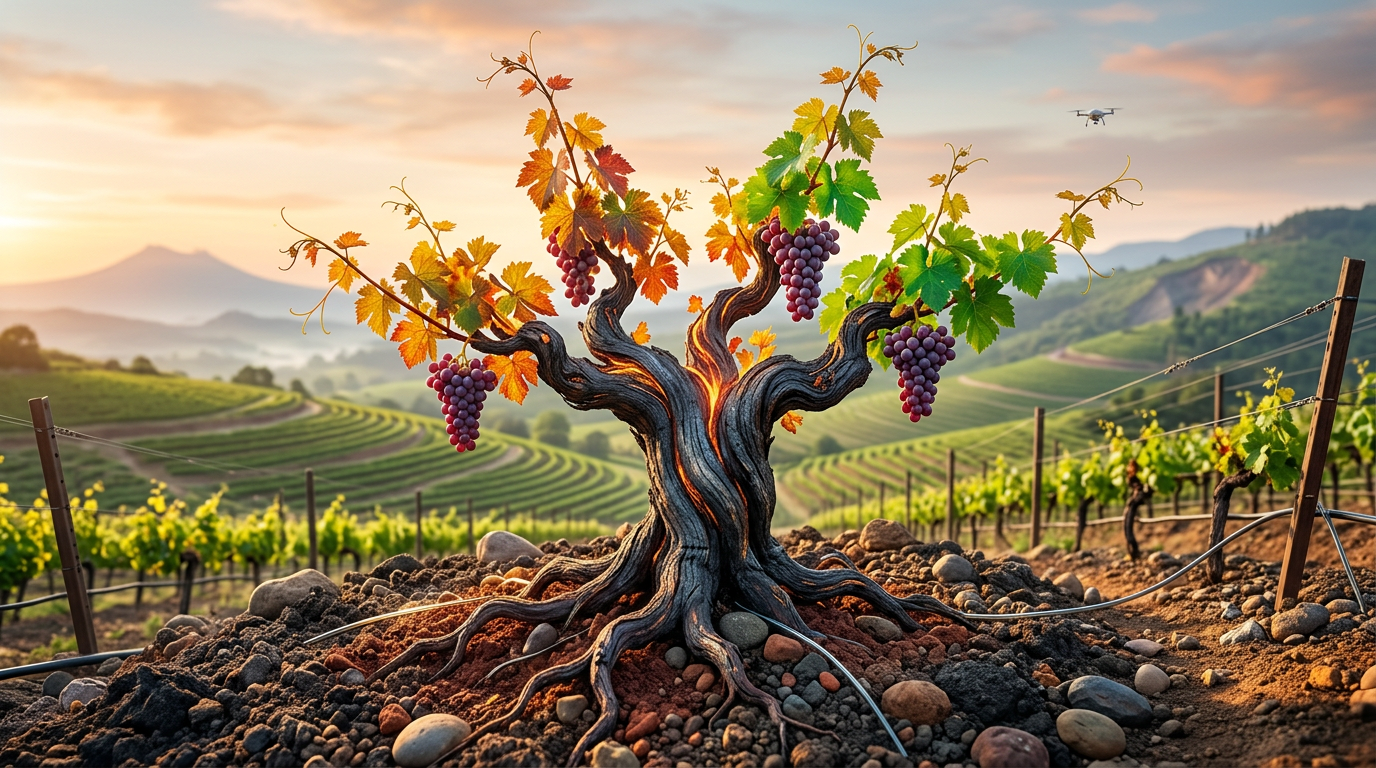
With increasing global awareness about environmental stewardship, photography increasingly highlights the origins of the wine. Shots of sun-drenched vineyards, close-ups of specific soil types, or even images of sustainable farming practices are becoming more prevalent. This visually communicates the wine's story from the ground up, reinforcing its authenticity and connection to the earth.
Photographers are skilled at capturing the unique light and landscape of different wine regions, translating the concept of predictive terroir into a visual feast. This aspect of wine photography 2026 provides a deeper appreciation for the effort behind each vintage.
The Imperative of Detail: Capturing Sensory Experiences
Wine tasting is a multi-sensory experience, and effective wine photography 2026 strives to translate these sensations into visual cues. From the delicate play of light through a ruby-red Cabernet to the subtle effervescence of a fine sparkling wine, every detail matters.
Mastering Lighting for Color and Clarity
Proper lighting is paramount. It allows the true color and clarity of the wine to shine through, hinting at its age, body, and character. Professional photographers utilize complex lighting setups to achieve perfect reflections, highlight the wine's viscosity, and bring out its precise hue. Natural light, when used effectively, can also create stunning, evocative imagery.
The choice of glassware also plays a crucial role. A perfectly polished, appropriate wine glass can enhance the visual appeal, making the wine look even more inviting. This attention to detail extends to every element within the frame, impacting how wine adapts its personality across different glassware.
Texture and Composition in Still Life
Beyond the wine itself, the supporting elements in a still life composition contribute significantly to the overall message. Textures of wooden crates, rough linen, crumbling cheese, or fresh fruit create a rich, tactile experience that complements the wine. Composition is key to guiding the viewer's eye and telling a coherent story.
The arrangement of elements, from the wine bottle to the decanter and the tasting notes, is meticulously planned. This creates a visual harmony that enhances the perceived quality and sophistication of the wine being presented. Such artistry in wine photography 2026 elevates the entire presentation.
AI's Transformative Role in Wine Photography 2026
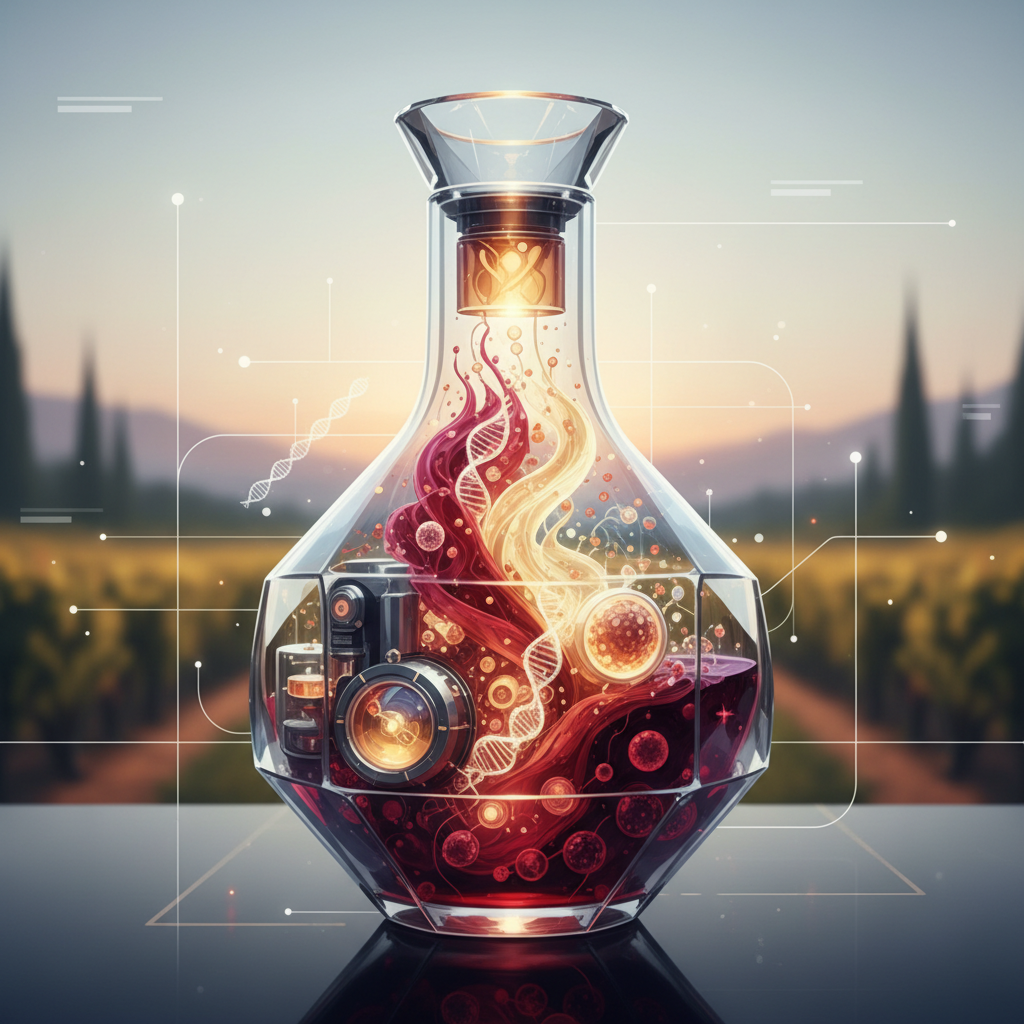
Artificial Intelligence is no longer a futuristic concept but an integral tool for modern photographers, especially in niche fields like wine photography. AI-powered technologies are streamlining workflows, enhancing image quality, and even generating new creative possibilities for wine photography 2026.
AI-Enhanced Image Editing and Post-Production
AI algorithms are revolutionizing post-production. From automated color correction and white balance adjustments to sophisticated noise reduction and sharpening, AI tools can significantly expedite the editing process while maintaining high quality. This allows photographers to focus more on capturing the moment and less on tedious adjustments.
Furthermore, AI can assist in removing imperfections, optimizing images for various platforms, and even suggesting stylistic enhancements based on trending visual aesthetics. This ensures consistency and precision across a brand's visual assets.
Generative AI and Virtual Set Design
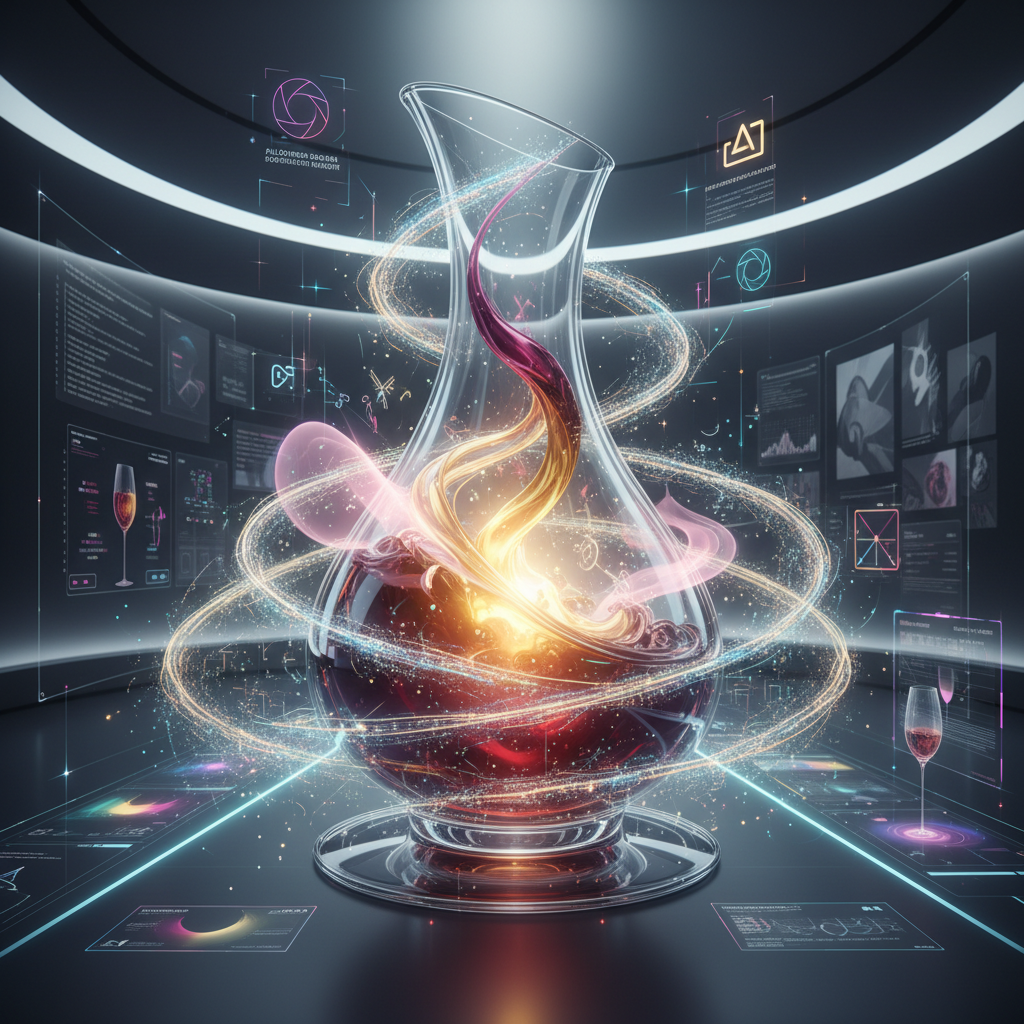
Perhaps one of the most exciting advancements is the rise of generative AI. This technology can create hyper-realistic virtual sets and backgrounds, allowing photographers to place wine bottles in exotic locations or opulent settings without the logistical complexities and costs of traditional shoots. Imagine a bottle of fine Bordeaux perfectly framed against a virtual backdrop of a French chateau at sunset – all created with AI.
Generative AI can also assist in creating conceptual images that are otherwise impossible to photograph, pushing the boundaries of creativity. This opens new avenues for marketing and artistic expression within wine blockchain provenance and authenticity, providing endless creative possibilities for wine photography 2026.
Future-Proofing Your Wine Visuals: Tips for 2026 and Beyond
For brands and enthusiasts looking to elevate their wine visuals in 2026, staying ahead of trends and embracing new technologies is crucial. Our platform aims to guide you through these evolving considerations.
Invest in Professional Photography
While smartphone cameras are incredibly capable, professional wine photography 2026 offers an unparalleled level of quality, expertise, and artistic vision. A seasoned photographer understands lighting, composition, and the nuances of interpreting a wine's story visually. This investment pays dividends in brand perception and market appeal, truly capturing the essence of the wine.
Professional images convey credibility and sophistication, which are essential for marketing premium products in a competitive market. They communicate that you value quality at every level, from the wine itself to its presentation.
Embrace Authentic Storytelling
Audiences today crave authenticity. Whether through images of the winemakers themselves, the vineyard workers, or the unique cultural aspects surrounding the wine, storytelling through visuals creates a deeper connection. Let your photography reveal the passion and craftsmanship behind each bottle. This approach resonates deeply with consumers seeking a genuine experience, much like understanding the art of the winemaker's signature.
Consider multi-image narratives that unfold a journey, from grape harvest to the final tasting. This holistic view reinforces the brand's commitment to quality and tradition.
Stay Abridged of AI Developments
Regularly explore new AI tools and features relevant to photography and content creation. Experiment with AI-powered editing software, and consider how generative AI might fit into your visual strategy. While AI is a powerful tool, it should augment human creativity, not replace it. The human eye and artistic touch remain irreplaceable in capturing true beauty.
Attending industry webinars and workshops on AI in photography can keep you informed about the latest innovations and best practices. This ensures your wine photography 2026 remains cutting-edge and impactful. You can also explore insights from Econsultancy on generative AI examples to further understand its capabilities.
Conclusion
From showcasing the intricate process of winemaking to evoking the pleasure of a shared toast, wine photography 2026 is an art form that continues to evolve. As Greatest Wine explores the depths of wine, we recognize that powerful visuals are central to communicating its rich culture, craftsmanship, and experience. By leveraging the latest trends, mastering intricate details, and embracing the transformative power of AI, photographers are capturing wine’s transient beauty with greater precision and artistry than ever before, inviting enthusiasts worldwide to truly savor every aspect of this incredible beverage. For more insights into how technology is shaping visual industries, consider resources like Adobe's perspectives on AI in photography.
Written by
Juniper Thorne is an experienced writer and educator with a deep passion for the world of wine. Bringing expertise in sensory analysis and wine culture to the Greatest Wine platform, Juniper helps readers explore and appreciate every nuance of wine.
Related Articles
The Vinous Verse: How Wine's Spirit Inspires 2026's Poetic and Literary Masterpieces
The intricate dance between the grape and the written word has enchanted humanity for millennia. Explore the profound connection between wine and literature, from ancient musings to 2026's contemporary narratives and poetic masterpieces. Discover how the world of wine continually inspires writers.
Juniper Thorne