The Art of the Unwritten Rules: Decoding the Etiquette of Global Wine Culture in 2026
In 2026, understanding proper wine etiquette is vital for enjoying the sophisticated world of viticulture and oenology. This guide decodes the timeless, unwritten rules of wine culture, helping both seasoned connoisseurs and newcomers navigate the evolving global wine scene with grace and confidence. Master these core principles to ensure a more enriched and enjoyable experience.

The Art of the Unwritten Rules: Decoding the Etiquette of Global Wine Culture in 2026
In the sophisticated world of viticulture and oenology, understanding proper wine etiquette is as crucial as appreciating the wine itself. As we navigate 2026, the global wine scene continues to evolve, yet certain timeless principles of conduct remain paramount. Whether you're a seasoned connoisseur or a curious newcomer, mastering these unwritten rules ensures a more enjoyable and respectable experience for everyone involved. From a casual tasting to a formal dinner, knowing how to gracefully interact with wine and fellow enthusiasts elevates the entire occasion.
The Foundations of Proper Wine Etiquette
At its core, wine etiquette is about respect – respect for the wine, the winemaker, the host, and your fellow guests. It's not merely about snobbery; it's about enhancing the shared experience and demonstrating good manners. These foundational principles apply across various cultural contexts, making them universally valuable in 2026.
Understanding the Basics: Serving and Temperature
Proper serving starts with temperature. Incorrect temperature can dramatically alter a wine's profile. White wines, rosés, and sparkling wines generally benefit from being chilled, typically between 45-55°F (7-13°C), while red wines are best served slightly cooler than room temperature, around 60-65°F (15-18°C). Over-chilling can mask delicate aromas, and over-warming can make reds taste flabby or alcoholic. A simple thermometer can be a valuable tool. For a deeper dive into how sensory perception impacts taste, explore The Quantum Palate: Deconstructing the Science of Flavor Perception in Wine for 2026.
The Importance of Glassware
Different wines call for different glasses. While not absolutely essential, using the correct glassware enhances the wine's bouquet and directs it to the palate effectively. For example, larger bowls are ideal for red wines to allow for aeration, while narrower flutes preserve the bubbles in sparkling wines. Holding the glass by the stem, not the bowl, prevents your hand from warming the wine and leaves the glass free of fingerprints.
Decanting and Aeration
Decanting serves two primary purposes: separating sediment from older wines and aerating younger wines to help them "open up." Knowing when to decant is a fine art. Old, fragile wines may only need a short decantation to separate sediment, while young, robust reds can benefit from several hours of aeration. Observe the wine and, if unsure, consult notes or taste a small amount first. Learn more about enhancing the wine experience through proper decanting techniques in The Art of the Decanted Moment: Elevating Wine Experience Beyond the Bottle in 2026.
Navigating a Wine Tasting: Exemplary Wine Etiquette
Wine tastings are fantastic opportunities to explore new wines and refine your palate. Adhering to specific wine etiquette during these events shows respect for the wines and the organizers.
- Sip, Don't Guzzle: A tasting is not about consumption but evaluation. Take small sips, and allow the wine to coat your palate.
- Spit, Don't Swallow: Especially at professional tastings or when sampling many wines, spitting is not only acceptable but expected. It helps you maintain a clear head and an uncompromised palate.
- Limit Perfumes/Colognes: Strong scents can interfere with your own and others' ability to detect the subtle aromas of the wine. Opt for unscented products.
- Engage Respectfully: Ask thoughtful questions of the pourer or winemaker. Share your observations without dominating the conversation or being overly critical. Remember, taste is subjective.
The Art of Tasting: See, Swirl, Smell, Sip, Savor
This classic five-step process is the bedrock of professional wine tasting, reflecting excellent wine etiquette.
- See: Observe the wine's color, clarity, and viscosity against a white background. This provides clues about its age and grape varietal.
- Swirl: Gently swirl the wine in your glass to aerate it and release its aromatic compounds. Observe the "legs" or "tears" that form on the glass, which offer hints about alcohol content and body.
- Smell: Bring the glass to your nose and inhale deeply. Identify primary aromas (fruit, floral, herbal), secondary aromas (from winemaking, e.g., oak, yeast), and tertiary aromas (from aging, e.g., earthy, nutty).
- Sip: Take a small sip, allowing the wine to wash over your entire palate. Note its sweetness, acidity, tannin, body, and alcohol.
- Savor: Pay attention to the finish – the flavors and sensations that linger after you swallow or spit. A long, pleasant finish is a sign of a quality wine.
Wine and Dining: A Symphony of Flavors and Finesse
At the dinner table, wine etiquette plays a vital role in creating a harmonious dining experience. As we look at global dining trends in 2026, the interaction between food and wine remains a cornerstone of culinary delight.
Ordering Wine at a Restaurant
When ordering wine, don't be afraid to ask for assistance from the sommelier. They are there to guide you to a wine that complements your meal and budget. Consider the cuisine, your preferences, and the preferences of your dining companions. Once the wine is presented, confirm the label and vintage before the sommelier pours a small taste for approval. For insights into developing your own sensory skills, read The Art of Blind Tasting: Unlocking Your Palate's Full Potential in 2026.
The Order of Pouring
Traditionally, the host or the person who ordered the wine receives the initial taste. If you're the host, once you approve the wine, the sommelier will pour for the other guests, starting with women, then men, and finally returning to you. It's a small detail, but it speaks volumes about proper wine etiquette. For a comprehensive guide on professional wine handling, refer to Mastering the Art of Wine Service: From Cellar to Glass in 2026.
Toasting Traditions
Toasting is an age-old tradition that varies globally. In many Western cultures, a toast involves raising your glass, making eye contact with those you're toasting, and often clinking glasses gently. Ensure your glass is charged with wine or a non-alcoholic beverage suitable for the toast. Avoid tapping your glass with cutlery to get attention; this is generally frowned upon.
Gifting and Receiving Wine: Thoughtful Gestures
Giving or receiving wine as a gift is a common and cherished practice. Thoughtful wine etiquette ensures these exchanges are always appreciated.
Selecting a Gift Wine
When gifting wine, consider the recipient's preferences. Are they red, white, or sparkling drinkers? Do they prefer specific regions or styles? If you're unsure, a versatile option like a good quality Champagne or a classic regional wine is usually a safe bet. Presentation matters too; a nice wine bag or box elevates the gift. For those interested in curating their own collection, insights can be found in The Art of the Home Cellar: Creating an Optimal Aging Environment for Your Collection in 2026.
Responding to a Gift Wine
If you receive a bottle of wine, a simple "thank you" is always appropriate. There's no obligation to open the wine immediately, especially if it's a special bottle meant for aging or a particular occasion. You can express your appreciation by saying you look forward to enjoying it or that you'll save it for a special moment.
Global Perspectives on Wine Etiquette in 2026
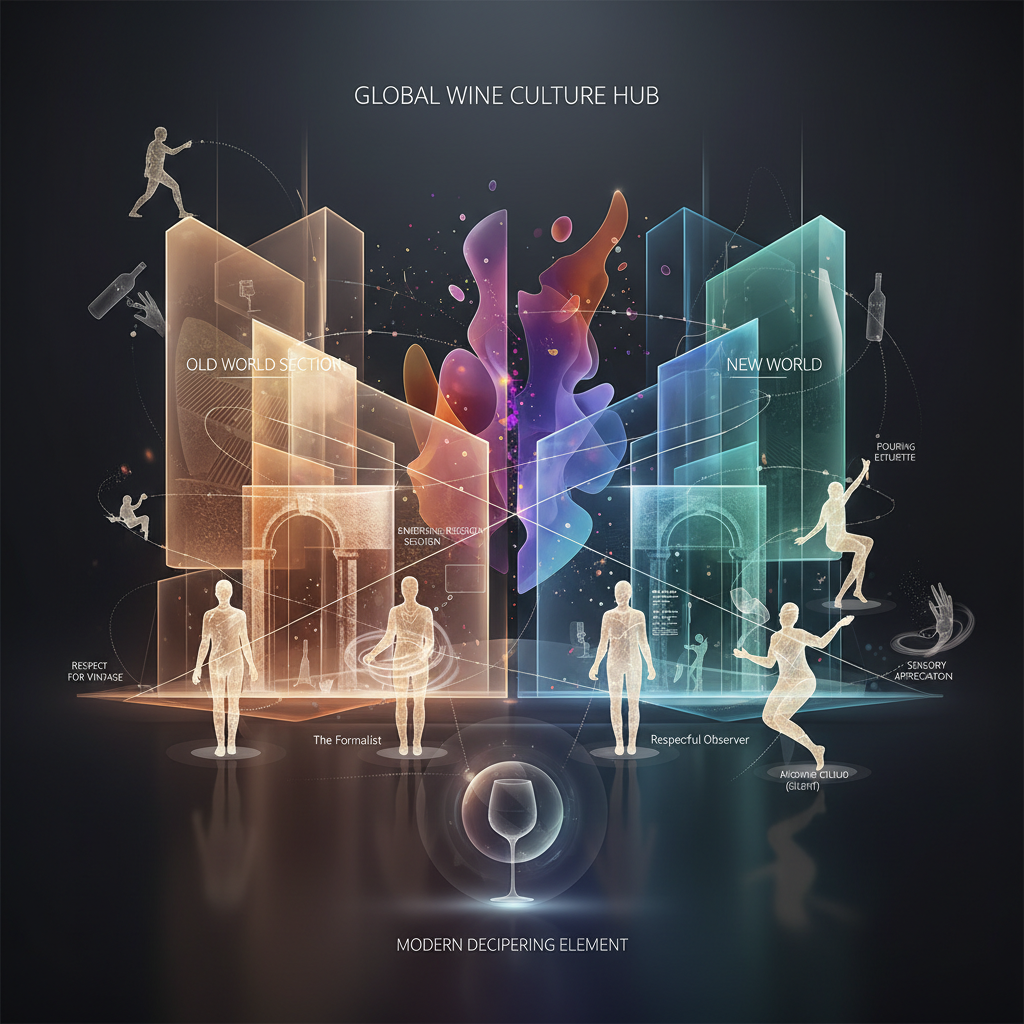
While many aspects of wine etiquette are universal, cultural nuances exist. Being aware of these can prevent awkward moments, particularly when traveling or entertaining international guests in 2026.
- Italy: While water is typically served with wine, asking for ice in your red wine or mixing it with soda is generally a no-go. For more on regional traditions, resources like Wine Folly's guide to sommelier basics noopener noreferrer can be helpful.
- France: It's considered polite to always keep your glass topped up, but not to the brim. Never refuse a second glass if offered by your host.
- Germany: A simple "Prost!" is the common toast, accompanied by eye contact.
- Japan: If someone pours wine for you, it is customary to immediately pour some back for them.
- China: When toasting, it is good form to clink your glass slightly lower than that of your elder or host as a sign of respect. Understanding such intricate behaviors is part of a global perspective, as discussed by experts like those at the Decanter noopener noreferrer magazine.
These cultural differences highlight the dynamic nature of wine etiquette. The best approach is always to observe your host and follow their lead, demonstrating an openness to local customs.
The Evolution of Wine Etiquette: Staying Current in 2026
While the core principles of wine etiquette remain steadfast, the wine world is dynamic. In 2026, we see a growing appreciation for sustainable and organic wines, natural wines, and alternative packaging. Being open to these new developments and showing interest in the stories behind these wines is also a form of modern etiquette. Ultimately, genuine enthusiasm, respect, and a desire to learn will always be the most important ingredients for becoming a gracious and knowledgeable wine enthusiast. For broader trends in wine culture, the International Organisation of Vine and Wine (OIV) noopener noreferrer provides valuable statistics and reports.
Written by
Juniper Thorne is an experienced writer and educator with a deep passion for the world of wine. Bringing expertise in sensory analysis and wine culture to the Greatest Wine platform, Juniper helps readers explore and appreciate every nuance of wine.
Related Articles
The Vinous Verse: How Wine's Spirit Inspires 2026's Poetic and Literary Masterpieces
The intricate dance between the grape and the written word has enchanted humanity for millennia. Explore the profound connection between wine and literature, from ancient musings to 2026's contemporary narratives and poetic masterpieces. Discover how the world of wine continually inspires writers.
Juniper Thorne