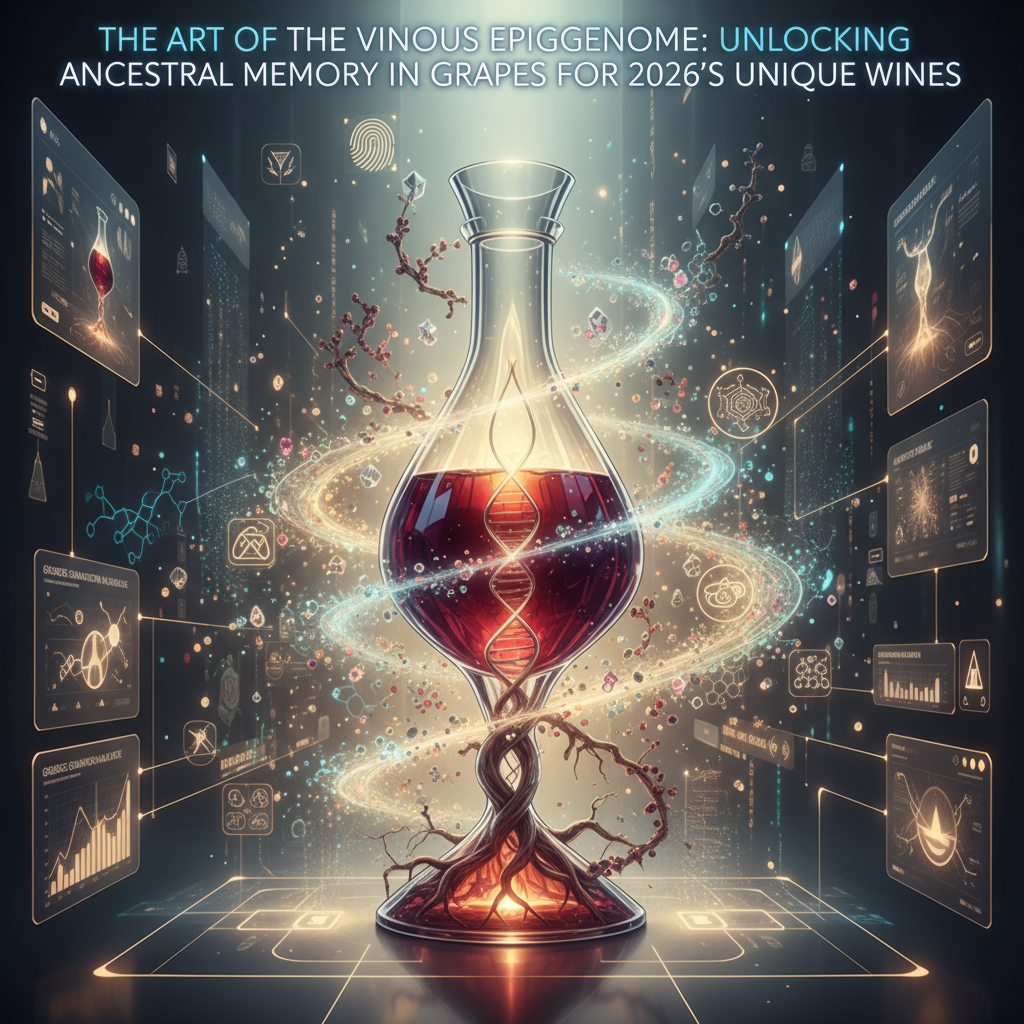
The Art of the Vinous Epigenome: Unlocking Ancestral Memory in Grapes for 2026's Unique Wines
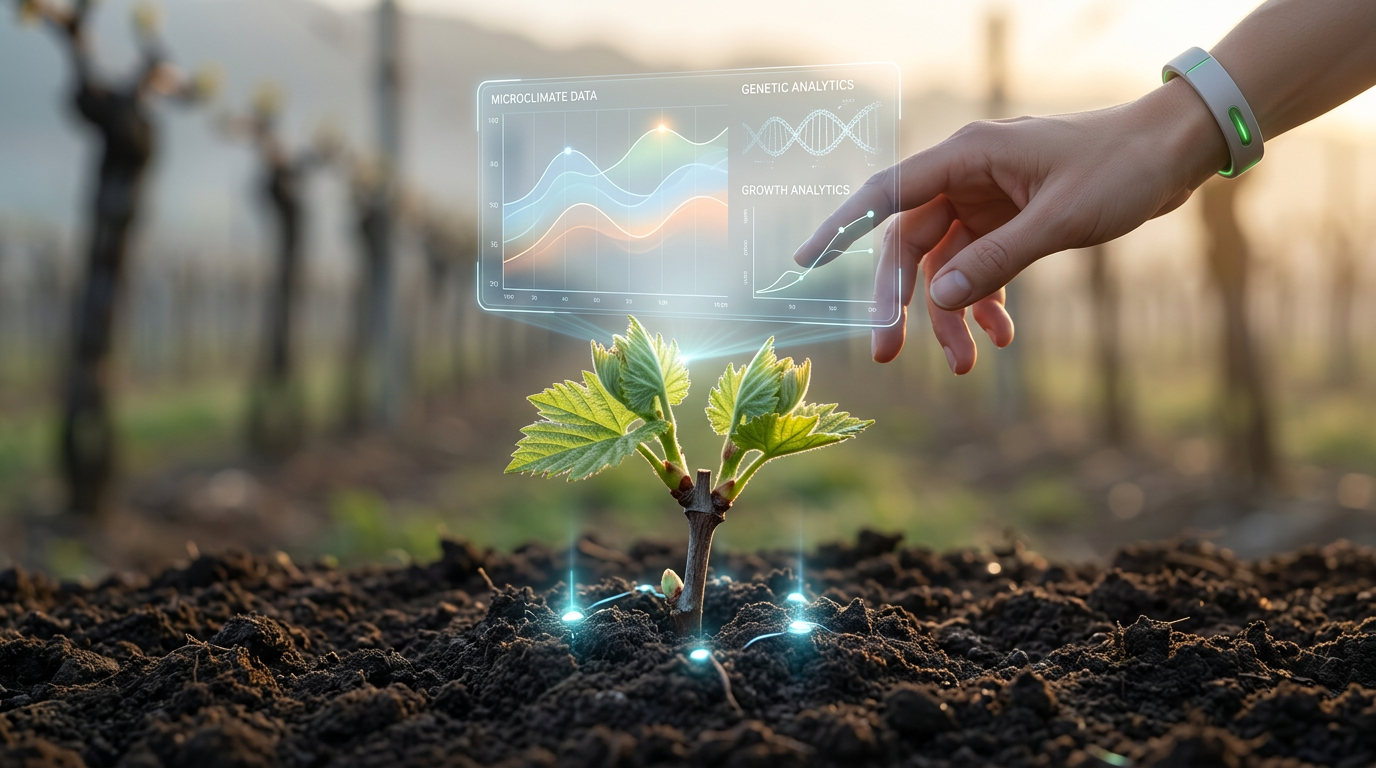
For centuries, winemakers understood terroir's influence. Now, in 2026, wine epigenetics reveals a deeper layer: ancestral memory embedded within grapevines. This groundbreaking field is unlocking the secrets of how past environmental stresses and adaptations leave epigenetic marks on a vine's DNA, influencing everything from disease resistance to aromatic profiles. Understanding these "vinous epigenomes" offers unprecedented opportunities for cultivating more resilient vines and crafting wines with truly unique, historically rich characteristics, shaping the future of wine production.

Wine Epigenetics: Unlocking Ancestral Memory in Grapes
For centuries, winemakers have understood that the terroir – the unique combination of soil, climate, and topography – profoundly influences the character of their wines. However, a groundbreaking field called wine epigenetics is revealing a deeper layer of influence: the ancestral memory embedded within the grapevines themselves. As we delve into 2026, understanding this intricate interplay is becoming crucial for crafting truly unique and exceptional vintages, pushing the boundaries of what we thought possible in viticulture. This exploration into wine epigenetics offers new insights into how grapes develop their distinct characteristics.
Understanding Wine Epigenetics: The Blueprint Beyond the Genes
Epigenetics refers to changes in gene expression that do not involve alterations to the underlying DNA sequence. Instead, these modifications affect how cells "read" genes, turning them on or off. In the context of grapevines, this means that environmental factors, historical stresses, and even cultivation practices can leave lasting marks on the vine's genetic programming, influencing everything from berry ripeness to aromatic compound production.
Think of the grapevine's DNA as a comprehensive cookbook. While the recipes (genes) remain the same, wine epigenetics dictates which pages are open and which are closed, influencing the final dish – the wine. This dynamic system allows vines to adapt to their environment and pass down these adaptations to subsequent generations, even if the genetic code itself hasn't changed. This is particularly relevant in 2026, as climate patterns continue to shift, requiring vines to exhibit greater resilience and adaptability. For more on how environmental factors shape wine, consider exploring The Art of the 'Vinous Echo': Tracing the Enduring Influence of Historic Climate Shifts on 2026's Old Vine Wines.
The Mechanisms of Epigenetic Memory
- DNA Methylation: This process involves adding a methyl group to the DNA molecule, which can silence genes. It's a common way plants adapt to stress.
- Histone Modification: Histones are proteins around which DNA is wrapped. Chemical modifications to histones can make DNA more or less accessible, thereby controlling gene expression.
- Non-coding RNAs: These RNA molecules do not code for proteins but play crucial roles in regulating gene expression, acting as sophisticated switches.
Environmental Triggers and Their Epigenetic Impact
A vine's long-term exposure to certain conditions can trigger epigenetic changes. For example, a vineyard that has experienced periods of drought or nutrient scarcity over many decades might see its vines epigenetically "primed" to respond differently to similar stresses in future generations. This inherited resilience, or even vulnerability, is a fascinating aspect of wine epigenetics that winemakers are just beginning to leverage in 2026. This ties into the broader concept of The Art of the 'Ephemeral Terroir': Deconstructing the Unseen Forces Shaping 2026's Vintage Uniqueness.
How Wine Epigenetics Shapes Grape Phenotype and Wine Character
The impact of epigenetics extends far beyond the vine's immediate health; it directly influences the quality and sensory profile of the wine. Epigenetic modifications can alter key metabolic pathways, leading to variations in sugar accumulation, acidity levels, and the synthesis of aromatic precursors. This explains why two vineyards with genetically identical grapevines, planted in seemingly similar terroirs, can produce wines with distinctly different characteristics.
For consumers seeking unique and authentic wines, understanding the role of wine epigenetics offers a deeper appreciation for the nuanced differences that arise from a vine's history. It’s no longer just about the current year's weather but also the echoes of past centuries reverberating through the vine’s cellular memory. To learn more about modern scientific approaches to wine, see The Art of the 'Molecular Terroir': Unlocking the Chemical Fingerprint of Wine in 2026.
Influencing Key Wine Components
- Aroma Compounds: Epigenetic marks can regulate the expression of genes involved in producing terpenes, thiols, and pyrazines – crucial molecules that define a wine's aromatic complexity.
- Anthocyanins and Tannins: These polyphenols are responsible for a wine's color and structure. Epigenetic controls can influence their concentration and composition, impacting mouthfeel and aging potential.
- Acidity and pH: While directly influenced by climate, epigenetic adaptations can fine-tune the vine's response to environmental stressors, subtly altering acid profiles even under similar conditions.
The Future of Viticulture: Leveraging Wine Epigenetics in 2026
As we move deeper into the 21st century, wine epigenetics is set to revolutionize viticulture. Wineries are increasingly exploring how they can manipulate or even predict epigenetic responses to adapt to climate change, improve disease resistance, and enhance wine quality. This involves innovative research into understanding the specific epigenetic markers linked to desirable traits.
In 2026, leading research institutions and forward-thinking vineyards are investing heavily in mapping the vinous epigenome. By identifying specific epigenetic "signatures," winemakers could potentially select clones or rootstocks not just based on their genetic makeup, but also on their epigenetic predisposition to thrive in particular conditions or produce specific flavor profiles. This targeted approach promises a new era of precision viticulture. Organizations like the International Organisation of Vine and Wine (OIV) are at the forefront of monitoring and disseminating such scientific advancements. The advancements in wine epigenetics are truly exciting.
Precision Viticulture and Epigenetic Breeding
Instead of traditional breeding that relies on genetic crosses, epigenetic breeding looks to induce specific epigenetic changes through environmental stimuli or targeted interventions. This could lead to vines that are naturally more resilient to pests, diseases, or extreme weather events without altering their core genetic identity, maintaining varietal purity while improving overall hardiness. The potential for developing bespoke vines, perfectly suited to micro-terroirs, is immense through wine epigenetics.
Responding to Climate Change
With global warming presenting significant challenges to traditional wine regions, understanding how vines epigenetically adapt is paramount. Researchers are studying how vineyards in historically warmer climates have developed epigenetic strategies to cope with heat and drought, hoping to apply these lessons to other regions. This ancestral memory could hold the key to ensuring the longevity of viticulture for generations to come, making wine epigenetics a beacon of hope.
Challenges and Ethical Considerations in Wine Epigenetics
While the prospects of wine epigenetics are exciting, the field is still relatively young, and there are significant challenges to overcome. The complexity of epigenetic regulation, the long lifespan of grapevines, and the sheer number of environmental variables make research incredibly intricate and time-consuming. Furthermore, ethical considerations regarding human intervention in natural biological processes must be carefully addressed.
As with any cutting-edge scientific endeavor, transparency and open dialogue are crucial. The wine industry, rooted in tradition and respect for nature, must navigate these innovations responsibly. The goal is to enhance, not diminish, the authenticity and natural expression of terroir through wine epigenetics. For further reading on the societal implications of genetic research, the National Human Genome Research Institute (NHGRI) provides valuable resources.
The Black Box of Epigenetic Inheritance
One of the biggest puzzles is understanding the exact mechanisms and extent of epigenetic inheritance across generations in grapevines. Does every epigenetic mark get passed down? If not, which ones do, and under what conditions? Unraveling these questions requires significant long-term research and advanced genomic tools.
Consumer Perception and Acceptance
As winemakers explore inducing epigenetic changes, there will be a need to educate consumers on what these interventions entail and why they are beneficial. Maintaining trust and ensuring that wines remain perceived as natural expressions of their origin will be vital. Educating the public about these complex topics is crucial, a role often played by organizations like the Wine Institute.
The Refined Palate of 2026: Appreciating Epigenetically Influenced Wines
For the discerning wine enthusiast in 2026, an appreciation for wines shaped by wine epigenetics will add another layer of depth to tasting. Recognizing that the nuances in a glass might stem not just from the current vintage's conditions, but from generations of adaptive memory, enriches the entire wine experience. The "soul" of a wine truly does seem to be connected to its past, encoded in these epigenetic modifications.
As our Greatest Wine platform seeks to uncover the full culture, craftsmanship, and experience behind wine, wine epigenetics represents a frontier of knowledge that deepens our understanding of how wine's character is formed. It encourages us to look beyond the obvious, to explore the hidden stories within each vine, and to truly savor the ancestral memory that contributes to the unique identity of each bottle. The wines of 2026 promise to be more profound, expressive, and resilient than ever before, thanks in part to the evolving science of wine epigenetics.
Written by
Juniper Thorne is an experienced writer and educator with a deep passion for the world of wine. Bringing expertise in sensory analysis and wine culture to the Greatest Wine platform, Juniper helps readers explore and appreciate every nuance of wine.
Related Articles

The Cellar Architects: Mastering Elite Wine Preservation and Evolution in 2026
For the true connoisseur, wine is more than just a beverage; it's a living entity, an investment, and a passion. Mastering its preservation and evolution is an art form, especially in 2026 with new technologies and insights. Learn how to protect and enhance your cherished collection.
Juniper Thorne