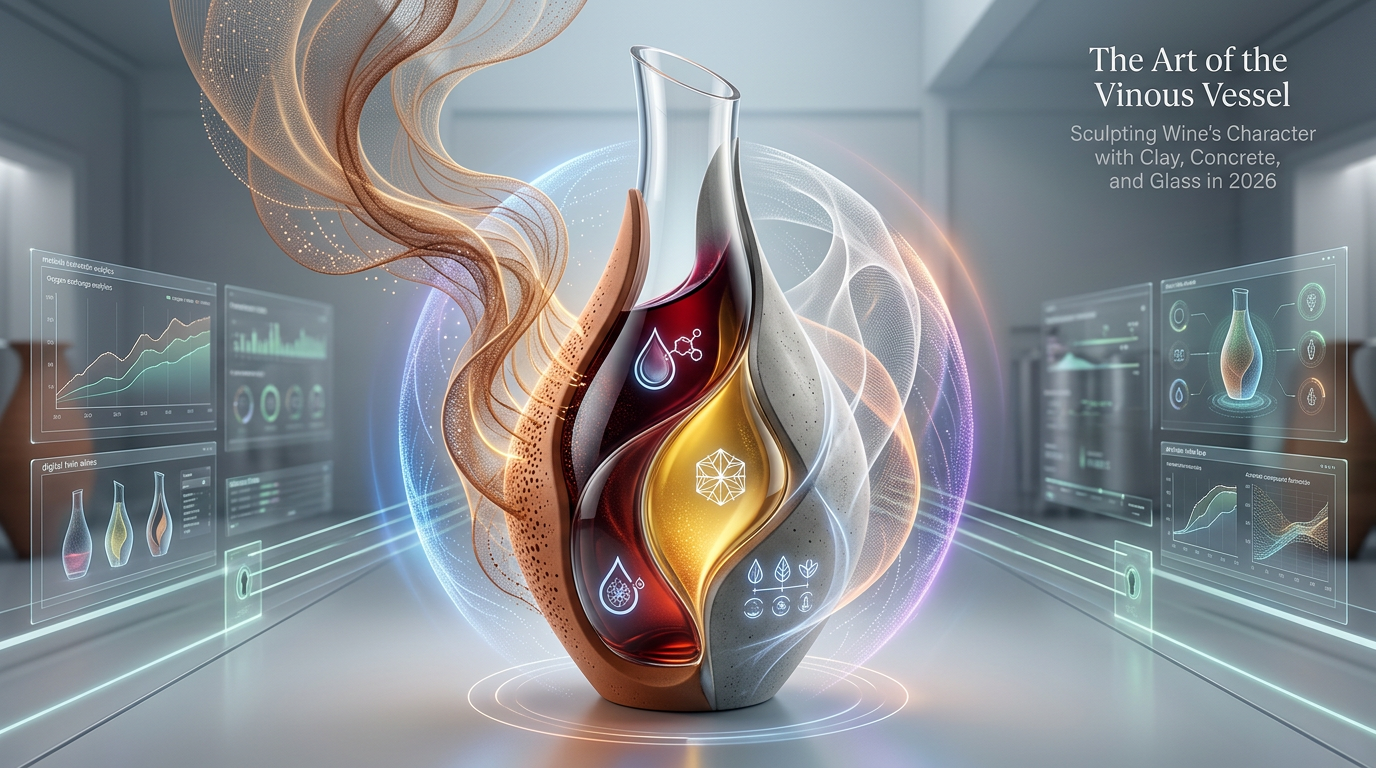
The Art of the Vinous Vessel: Sculpting Wine's Character with Clay, Concrete, and Glass in 2026
In the dynamic world of viticulture, winemakers are constantly seeking innovative methods to express terroir and craft unique wines. While oak barrels have long been traditional, 2026 sees a growing embrace of alternative vessels like clay amphorae, concrete eggs, and specialized glass. These materials are revolutionizing wine character, offering distinct textures and flavor profiles that capture the essence of modern winemaking.

Embracing the Future: Exploring Alternative Wine Vessels in 2026
In the dynamic world of viticulture, winemakers are constantly seeking innovative methods to express terroir and craft unique wines. While oak barrels have long dominated the aging process, a compelling movement towards alternative wine vessels is redefining the landscape of winemaking in 2026. These vessels—ranging from ancient terracotta amphorae to modern concrete tanks and inert glass—offer distinct advantages, allowing producers to sculpt wine's character with unparalleled precision and artistry.
This deep dive into alternative fermentation and aging containers reveals how these choices influence everything from aroma and texture to unraveling layers of history in aged wines and how micro-environments in your cellar sculpt wine's evolution. We explore the materials, techniques, and philosophies behind each vessel, providing a comprehensive understanding for both novice enthusiasts and seasoned connoisseurs on Greatest Wine.
The Ancient Allure of Clay: Terracotta Amphorae and Their Resurgence
The use of clay vessels, particularly terracotta amphorae, is far from a new phenomenon; it represents a return to winemaking's ancient roots. Dating back millennia, these porous containers were the primary storage and fermentation vessels for early wine cultures. Today, they are enjoying a significant resurgence among winemakers looking to achieve a pure, unadulterated expression of the grape and terroir, and are often at the forefront of unearthing and reviving ancient wine storage techniques.
The distinctive properties of clay allow for a subtle, controlled exchange of oxygen, similar to oak but without imparting any woody flavors. This micro-oxygenation is crucial for softening tannins and developing complexity, yet it preserves the wine's primary fruit characteristics beautifully. Winemakers appreciate how amphorae maintain stable temperatures, contributing to a slow, consistent fermentation and aging process.
Amphorae Winemaking Techniques
Producing wine in amphorae often involves minimal intervention. Grapes, sometimes fermented with their skins (especially for orange wines), are placed directly into the large clay vessels. This extended skin contact, facilitated by the amphora's inert surface, allows for the extraction of tannins, color, and phenolic compounds without the influence of wood.
The egg shape, common in some amphorae designs, also encourages a natural convection current, keeping lees (spent yeast cells) in suspension. This contributes to a richer mouthfeel and increased complexity, all while reducing the need for manual stirring.
Flavor Profile Contributions
Wines aged in amphorae are renowned for their purity, minerality, and vibrant fruit expression. The clay imparts a unique textural quality, often described as a soft, velvety mouthfeel, and can enhance savory or earthy notes inherent in the grapes. Unlike oak, which can mask delicate nuances, clay allows the varietal characteristics and vineyard signature to shine through. This makes amphorae exceptional alternative wine vessels for showcasing aromatic whites and lighter-bodied reds.

Concrete Eggs and Cubes: Modern Sculptors of Wine Character
Modern concrete tanks, often found in striking egg or cube shapes, are another increasingly popular choice among winemakers seeking innovative alternative wine vessels. While concrete vessels have been used in winemaking for decades, their current aesthetic and functional designs reflect a new wave of understanding regarding their impact on wine.
Like clay, concrete offers a degree of micro-oxygenation, though typically less permeable than terracotta, providing a more gentle exposure. A key advantage of concrete is its remarkable thermal mass, which helps maintain incredibly stable temperatures during fermentation and aging, reducing temperature fluctuations that can stress yeast and compromise wine quality. This stability allows for slower, more controlled fermentations that extract nuanced flavors.
The Science Behind Concrete
The porous nature of concrete allows for a gentle exchange of oxygen, promoting polymerization of tannins and softening the wine. However, concrete is largely inert, meaning it doesn't impart flavors to the wine like oak does. This neutrality is highly valued by winemakers who want to focus purely on the fruit and terroir expression.
Some concrete tanks are unlined, allowing for subtle interaction, while others are epoxy-lined for complete neutrality and easier cleaning. The specific blend of concrete, its density, and its treatment can all subtly influence the final wine. For further reading on winemaking techniques, consult Wikipedia's Winemaking page.
Impact on Wine Style
Wines aged in concrete often exhibit a beautiful balance of freshness, minerality, and a rounded texture. The subtle oxygenation helps to build mid-palate weight and complexity without adding overt oak flavors. They can develop a unique salinity or chalkiness, particularly noticeable in white wines, and enhance the fruit purity of both reds and whites. Concrete has proven to be an excellent choice for a wide range of varietals, from crisp Sauvignon Blanc to elegant Pinot Noir.

Beyond Barrels: The Rise of Stainless Steel and Glass for Alternative Wine Vessels
While often seen as standard, stainless steel and increasingly large glass vessels also fall into the category of alternative wine vessels when considering options beyond traditional oak. Each offers distinct advantages for specific winemaking goals, highlighting the diverse approaches available to producers today.
Stainless Steel's Precision
Stainless steel tanks are valued for their complete inertness and ease of temperature control. They prevent any oxygen ingress, preserving the wine's primary fruit aromas, acidity, and freshness. This makes them ideal for producing crisp, vibrant white wines and aromatic reds where fruit purity is paramount.
The precise temperature control afforded by stainless steel jackets allows winemakers to manage fermentation speeds and temperatures meticulously, ensuring consistent quality and preventing off-flavors. They are also incredibly hygienic and easy to clean, reducing the risk of microbial spoilage.
The Purity of Glass Demijohns
For very small-batch production or experimental aging, large glass demijohns or carboys offer the ultimate inert environment. Like stainless steel, glass allows for no oxygen exchange, preserving the wine's character without any external influence. This is especially useful for maintaining the delicate aromatics of certain varietals or for short-term aging where a truly pure expression is desired.
While less common for large-scale commercial production due to size and fragility, glass vessels are gaining traction for niche projects and natural wine movements, providing an unadulterated space for wine to evolve.

Navigating the Choices: Which Alternative Wine Vessels Suit Which Style?
The choice of alternative wine vessels is a critical decision that profoundly shapes the final wine. It’s a reflection of the winemaker’s philosophy, the characteristics of the grape, and the desired wine style. There's no single "best" vessel; rather, it's about finding the perfect harmony between grape and container.
- Terracotta Amphorae: Ideal for natural wines, orange wines, and varietals where minerality, texture, and a pure expression of fruit are desired without oak influence (e.g., Georgian Saperavi, Italian Sangiovese, certain Chardonnays).
- Concrete Tanks: Excellent for wines that benefit from gentle oxygen exposure to build texture and complexity while retaining freshness and varietal character (e.g., Rhône Valley Grenache, Burgundian Chardonnay, some Cabernet Francs).
- Stainless Steel: The go-to for wines where crispness, primary fruit, and vibrant acidity are paramount (e.g., Sauvignon Blanc, Riesling, unoaked Chardonnay, aromatic Pinot Grigio).
- Glass Demijohns: Perfect for experimental batches, boutique natural wines, or short-term aging of delicate aromatics where absolute purity and no oxidation are desired.
The Future of Fermentation and Aging: Trends in Alternative Wine Vessels in 2026
Looking ahead to 2026, the trend towards alternative wine vessels continues to gain momentum. Winemakers are increasingly embracing these options, driven by a desire for greater transparency in winemaking, a focus on terroir expression, and consumer demand for cleaner, more natural wines. Sustainability also plays a role, with long-lasting vessels like concrete and stainless steel offering environmentally friendly alternatives to disposable oak barrels.
Expect to see further innovation in materials and designs, including composite vessels and other experimental mediums. As climate change continues to impact vineyards globally, the ability of these vessels to help manage temperature and maintain freshness will become even more valuable. For more insights into global wine trends and innovations, explore resources from the International Organisation of Vine and Wine (OIV).

The evolution of winemaking is a continuous journey, and the exploration of diverse fermentation and aging vessels stands as a testament to the industry's enduring spirit of innovation. From ancient clay to cutting-edge concrete, these alternative wine vessels are not just containers; they are active partners in sculpting the character, narrative, and ultimate enjoyment of every bottle. As we move through 2026, the global wine community will undoubtedly continue to unlock new possibilities, pushing the boundaries of what wine can be.
Written by
Juniper Thorne is an experienced writer and educator with a deep passion for the world of wine. Bringing expertise in sensory analysis and wine culture to the Greatest Wine platform, Juniper helps readers explore and appreciate every nuance of wine.
Related Articles

The Cellar Architects: Mastering Elite Wine Preservation and Evolution in 2026
For the true connoisseur, wine is more than just a beverage; it's a living entity, an investment, and a passion. Mastering its preservation and evolution is an art form, especially in 2026 with new technologies and insights. Learn how to protect and enhance your cherished collection.
Juniper Thorne