The Art of the 'Palate Architect': Crafting Sensory Landscapes Through Blending in 2026
In 2026, the intricate practice of wine blending remains pivotal in winemaking. Far from simple combination, it's an art where a 'palate architect' meticulously constructs unique sensory profiles, enhancing complexity, balance, and consistency. This skillful alchemy creates exceptional wines, offering a deeper understanding of varietals and terroir.

Unveiling the Art of Wine Blending Techniques: Crafting Sensory Landscapes in 2026
In the intricate world of winemaking, few practices are as pivotal, or as artistic, as the mastery of wine blending techniques. Far from a mere combination of different wines, blending is an intentional act of creation, a skilled alchemy where a "palate architect" meticulously constructs a unique sensory profile. This process allows winemakers to enhance complexity, balance, and consistency, transcending the limitations of individual varietals or vineyard blocks. As we navigate the dynamic vinicultural landscape of 2026, understanding these sophisticated techniques offers profound insight into the character and quality of the wines we enjoy, from everyday pours to highly coveted vintages.
The Philosophy Behind Expert Wine Blending Techniques
At its core, blending is about achieving synergy. The goal is to produce a wine that is greater than the sum of its parts, addressing deficiencies in one component by leveraging strengths in another. This often involves combining different grape varietals, different vintages, or even different parcels of the same varietal from a single vintage.
The decision to blend stems from a variety of motivations, including:
- Complexity: Introducing new aromatic compounds and textural elements.
- Balance: Harmonizing acidity, tannin, alcohol, and fruit character.
- Consistency: Maintaining a desired house style across different vintages.
- Correction: Mitigating less desirable characteristics of a particular batch.
- Regional Expression: Creating wines that truly represent a specific appellation's character, even if that means blending within permitted varietals.
The art of wine blending techniques allows winemakers to sculpt a wine's entire trajectory, from its initial aroma to its lingering finish.
Historical Roots and Modern Evolution of Blending
Blending is not a modern invention; its roots stretch back centuries, born from necessity and refined through experience. Early winemakers likely blended grapes simply because different varietals grew in close proximity within their vineyards. Over time, they recognized the beneficial outcomes of these combinations.
Today, while tradition still plays a significant role, advancements in viticulture and enology provide winemakers with even greater control. Precise analytical tools help inform blending decisions, though the ultimate judgment remains firmly with the human palate. The evolution of wine blending techniques continues to push boundaries, with producers experimenting with indigenous grape varieties and innovative approaches to maturation. For more on the creative process, explore The Art of the Winemaker's Intuition: Balancing Science and Spirit in 2026's Best Vintages.
Key Wine Blending Techniques and Their Application in 2026
Winemakers employ several distinct methods when blending, each serving a particular purpose and contributing to the final character of the wine. These techniques require a deep understanding of viticultural conditions, varietal characteristics, and the desired outcome.
Varietal Blending: The Classic Approach
Perhaps the most common and recognizable form of blending, varietal blending involves combining different grape types. Famous examples include the Bordeaux blend (Cabernet Sauvignon, Merlot, Cabernet Franc, Petit Verdot, Malbec) and the Rhône blend (Grenache, Syrah, Mourvèdre, etc.).
- Goal: To maximize the strengths of each varietal and create a more complex and balanced wine.
- Example: Cabernet Sauvignon might provide structure and black fruit notes, while Merlot adds softness, plum fruit, and an earlier approachability.
- 2026 Trend: Increased interest in non-traditional varietal blends, especially amongst 'new wave' producers in emerging wine regions, aiming to create unique regional identities. This often involves embracing indigenous yeast and minimal intervention.
Block or Parcel Blending: Nuance and Precision
Within a single vineyard, different blocks or parcels of the same grape varietal can exhibit unique characteristics due to varying soil types, sun exposure, or microclimates. Block blending involves fermenting and aging these parcels separately before combining them.
- Goal: To capture the subtle nuances of a vineyard and to correct minor imperfections from specific sections, ensuring a consistent quality across the entire production.
- Process: Winemakers might blend a parcel with higher acidity with one that offers more ripe fruit, for example.
Vintage Blending (Non-Vintage Wines): Consistency Across Time
Predominantly seen in Champagne, Port, and some Sherry production, vintage blending combines wines from different harvest years. This is crucial for maintaining a consistent house style, especially when climatic variations can significantly impact a single vintage.
- Goal: To ensure a predictable taste profile year after year, offering consumers reliability and a clear brand identity.
- Challenges: Requires a deep understanding of how older reserve wines will integrate with younger, fresher components.
Lees Blending (Bâtonnage): Enhancing Texture and Flavor
While not a blend of different wines in the same way as the others, bâtonnage (stirring the lees) is an important technique that impacts the final blend. Lees are spent yeast cells and other solid particles that settle at the bottom of the fermentation vessel. Stirring them back into the wine adds complexity, texture, and often a creamy mouthfeel, reducing harshness.
- Goal: To build texture, add savory notes, and enhance the aromatic complexity of the wine, particularly for white and sparkling wines.
The Role of the Palate Architect: Sensory Analysis in Wine Blending
The true genius of wine blending techniques lies in the winemaker's ability to act as a "palate architect." This individual possesses an exceptional sensory memory, a deep understanding of how different components interact, and a clear vision for the final product. Insights into how wine professionals hone these skills can be found in The Art of the Sommelier's Palate: Beyond Taste Buds to Olfactory Memory in 2026.
The blending process is rarely a one-time event. It involves numerous small-scale trials and tastings. Winemakers will create various blend combinations, often varying the percentages by a fraction of a percent, to evaluate the subtle differences. This meticulous approach ensures every aspect of the wine – from its aromatic intensity to its structural integrity – is perfectly calibrated.
Key sensory elements assessed during blending include:
- Aroma Profile: Identifying and balancing primary, secondary, and tertiary aromas.
- Taste Components: Ensuring harmony between sweetness, acidity, bitterness, and saltiness.
- Mouthfeel: Assessing texture, body, astringency, and creaminess.
- Length and Finish: Evaluating the persistence and evolution of flavors after swallowing.
In 2026, many wineries are leveraging sophisticated sensory analysis software alongside human expertise, but the ultimate decision remains subjective and deeply artistic.
Technological Advancements and Future of Wine Blending Techniques
While the human palate remains irreplaceable, technology increasingly plays a supportive role in refining wine blending techniques. Advanced analytics can provide unprecedented insights into the chemical composition of different wine components, allowing winemakers to better predict how they will interact.
Current technological aids include:
- Gas Chromatography-Mass Spectrometry (GC-MS): Identifying aromatic compounds with precision.
- Infrared Spectroscopy: Rapid analysis of sugar, acidity, and alcohol levels.
- Big Data Analytics: Processing historical vintage data to inform blending decisions for future harvests.
Looking ahead, we can anticipate further integration of artificial intelligence and machine learning in predicting blend outcomes, especially for large-scale operations. For instance, AI is already transforming how wine is marketed and sold, as discussed in The Art of Wine Marketing in the Age of AI. However, the artistry and nuanced decisions that define the "palate architect" will undoubtedly remain at the forefront of crafting truly exceptional wines. The conversation around sustainability in 2026 is also influencing blending, with a focus on using resilient varietals and methods that minimize environmental impact while maintaining quality and character. Major industry reports, such as those from the International Organisation of Vine and Wine (OIV), frequently highlight these evolving trends.
Conclusion: The Enduring Legacy of Wine Blending Techniques
The journey from grape to glass is a complex one, filled with countless decisions that shape a wine's identity. Among these, the application of expert wine blending techniques stands out as a high art form, a testament to the winemaker's skill, vision, and deep connection to their craft. It is the sophisticated interplay of different components that elevates a simple beverage into a sensory masterpiece, offering layers of discovery and delight with every sip. As consumers in 2026, understanding these techniques enriches our appreciation, allowing us to delve deeper into the stories and craftsmanship behind each bottle. The art of blending ensures that the world of wine remains endlessly fascinating, continually evolving, and profoundly rewarding. For further exploration of the philosophical and practical aspects of wine creation, consider publications like Wine Spectator or Decanter Magazine, which often feature articles on blending innovations and traditions.
Written by
Juniper Thorne is an experienced writer and educator with a deep passion for the world of wine. Bringing expertise in sensory analysis and wine culture to the Greatest Wine platform, Juniper helps readers explore and appreciate every nuance of wine.
Related Articles
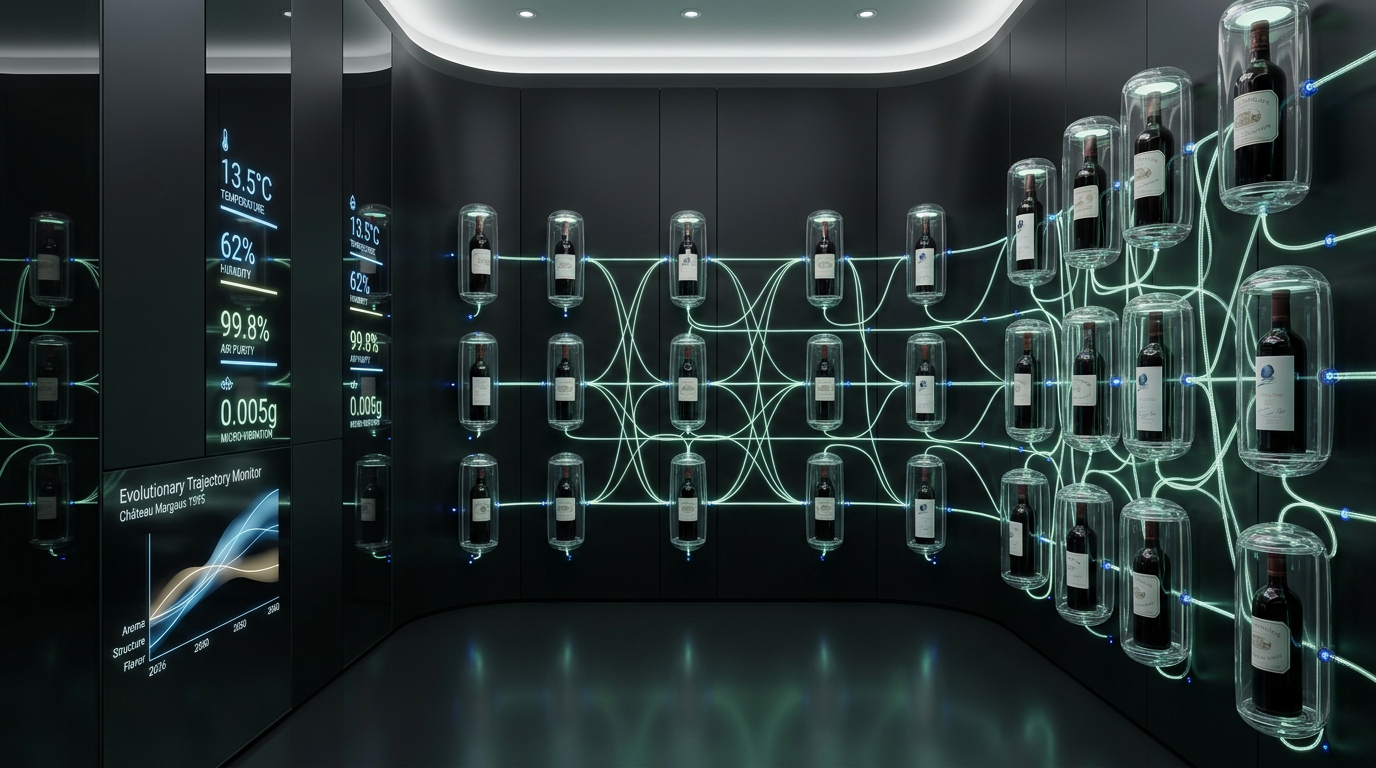
The Cellar Architects: Mastering Elite Wine Preservation and Evolution in 2026
For the true connoisseur, wine is more than just a beverage; it's a living entity, an investment, and a passion. Mastering its preservation and evolution is an art form, especially in 2026 with new technologies and insights. Learn how to protect and enhance your cherished collection.
Juniper Thorne