The Art of the Vinous Cartographer: Mapping Flavor Landscapes and Predictive Terroir in 2026
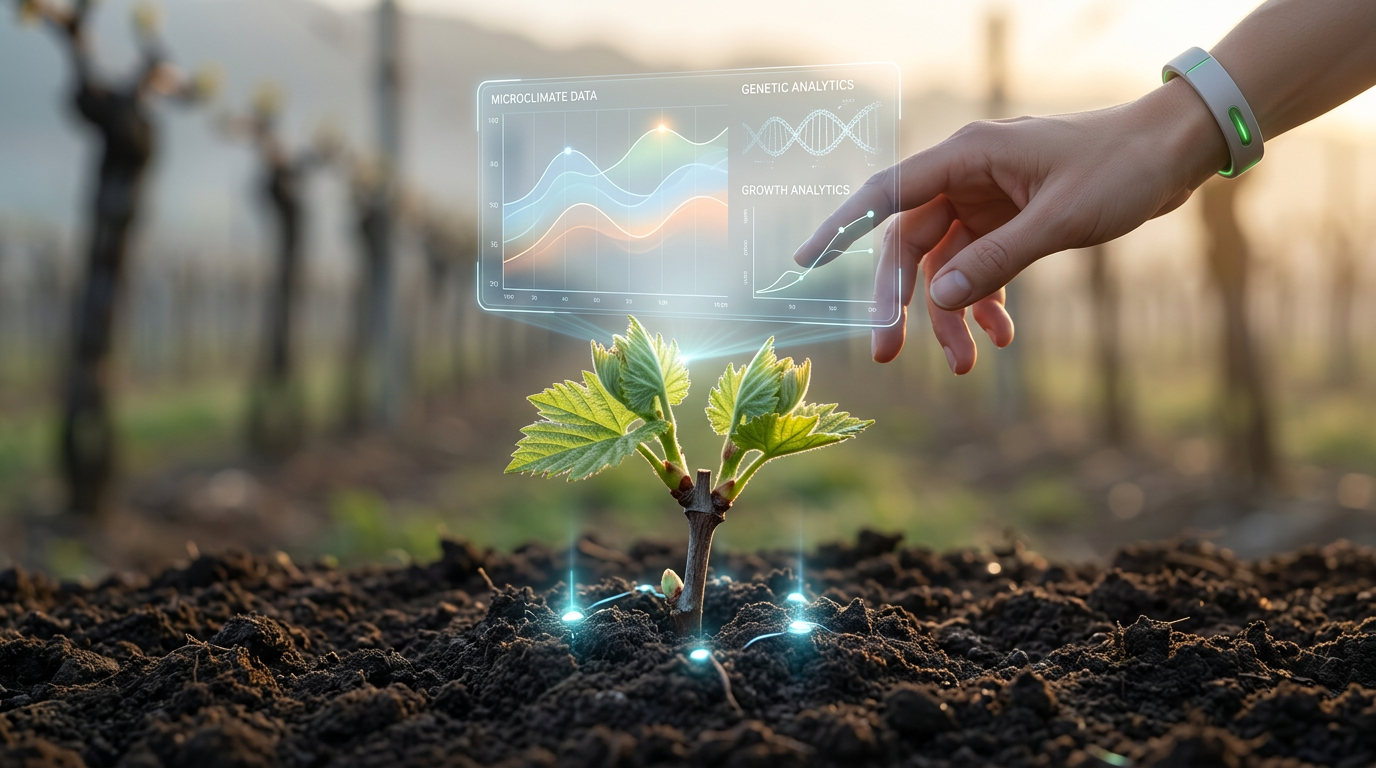
In 2026, predictive terroir is revolutionizing winemaking. This innovative approach uses cutting-edge technology and scientific understanding to anticipate and influence wine characteristics before grapes are even harvested. Vinous cartography, the art of mapping flavor landscapes, is key to unlocking new dimensions in wine production and understanding the intricate relationship between environment and taste. Discover how this trend is shaping the future of wine.


The Art of the Vinous Cartographer: Mapping Flavor Landscapes and Predictive Terroir in 2026
In the intricate world of winemaking, where tradition often intertwines with innovation, the concept of predictive terroir is emerging as one of the most transformative trends of 2026. This revolutionary approach leverages cutting-edge technology and deep scientific understanding to anticipate and influence the unique characteristics of wine, long before the first grape is even pressed. At Greatest Wine, we delve into how winemakers are becoming modern-day vinous cartographers, meticulously mapping flavor landscapes to achieve unparalleled quality and expression.
Understanding Predictive Terroir: More Than Just Soil and Climate
Traditionally, terroir has been understood as the sum of environmental factors affecting a crop's phenotype, including soil, climate, and topography. However, predictive terroir pushes this definition further, incorporating advanced data analytics, genomic research, and micro-climate modeling to forecast how these elements will interact and impact the final product. It’s about moving beyond observation to proactive intervention.
The Components of Modern Terroir Analysis
- Geospatial Data: High-resolution satellite imagery, LiDAR scans, and drone technology provide granular data on vineyard topography, drainage patterns, and sun exposure. This detailed information allows winemakers to identify specific micro-zones within a single plot.
- Soil Omics: Beyond basic soil composition (clay, sand, silt), soil omics involves analyzing the microbiome, nutrient availability at a molecular level, and water retention capabilities. This provides insights into how the soil will nourish the vine throughout its lifecycle.
- Climate Modeling: Advanced climate models, incorporating historical data with 2026's sophisticated forecasting tools, project temperature fluctuations, rainfall, and wind patterns with unprecedented accuracy. This helps in anticipating stress factors and optimal harvest times.
By integrating these diverse data streams, winemakers gain a holistic understanding that allows for precise resource management and tailored viticultural practices. This deep insight is at the heart of mastering predictive terroir. For more on how environmental factors play a role, explore The Art of the 'Vinous Nebula': Deconstructing the Cosmic Influences on Terroir in 2026.
Technological Advances Driving Predictive Terroir in 2026
The rapid evolution of technology is the primary accelerator behind the rise of predictive terroir. Without sophisticated tools for data collection, analysis, and application, such granular foresight would be impossible.
Artificial Intelligence and Machine Learning in Vineyards
AI algorithms are now capable of processing vast amounts of environmental data, identifying patterns and correlations that human analysts might miss. Machine learning models predict disease outbreaks, optimal irrigation schedules, and even the likely aromatic profile of grapes based on specific growing conditions. This proactive intelligence is invaluable. Such technological integration is also transforming wine provenance, as discussed in The Art of the 'Vinous Blockchain': Revolutionizing Wine Provenance and Authenticity in 2026.
Genomic Sequencing of Grape Varietals
Understanding the genetic blueprint of grape varietals and their interaction with specific environmental factors is crucial. Genomic sequencing helps identify genes responsible for stress resistance, specific flavor precursors, and adaptability to changing climates. This allows for informed decisions regarding varietal selection and clonal propagation, contributing significantly to predictive terroir.
For instance, researchers in 2026 are exploring how specific gene expressions in certain clones of Pinot Noir correspond to increased levels of desirable volatile compounds under particular soil moisture conditions. This level of detail is revolutionizing clonal selection.
Sensor Networks and IoT in Viticulture
Vineyards are becoming smart farms, equipped with extensive networks of sensors measuring everything from soil moisture and nutrient levels to canopy temperature and sap flow. These Internet of Things (IoT) devices provide real-time data, allowing winemakers to respond instantly to changes in the vineyard environment. This continuous feedback loop is essential for fine-tuning the inputs that shape the final wine character. The precision offered by these networks makes the practice of predictive terroir truly actionable. For insights into how micro-climates affect vintages, see The Art of the Sommelier's Sixth Sense: Anticipating the Unseen Impact of Micro-Climates on 2026 Vintages.
The Impact of Predictive Terroir on Wine Quality and Sustainability
The implications of mastering predictive terroir extend far beyond just producing exceptional wine; they also address critical sustainability challenges facing the global wine industry in 2026.
Optimizing Resource Management
- Water Conservation: By accurately predicting water needs, vineyards can implement ultra-precise irrigation strategies, significantly reducing water consumption. This is vital in increasingly drought-prone regions.
- Reduced Chemical Inputs: Early detection of disease risks and pest infestations, thanks to predictive models, allows for targeted and minimal application of treatments, promoting organic and biodynamic practices.
- Efficient Nutrient Use: Advanced soil analysis prevents over-fertilization, ensuring vines receive only the necessary nutrients, thereby reducing runoff and environmental pollution.
These practices not only enhance the environmental footprint of winemaking but also contribute to healthier vines and, ultimately, more expressive wines.
Enhancing Wine Flavor Profiles and Consistency
By understanding and influencing the exact conditions needed to achieve specific flavor profiles, winemakers can exercise unprecedented control over the character of their wines. This leads to:
- Greater Consistency: Despite vintage variations, winemakers can employ strategies to maintain desired stylistic goals, offering reliability to consumers.
- Increased Complexity: Optimizing growing conditions allows vines to express their full potential, resulting in wines with deeper complexity and more nuanced aromas and flavors.
- New Flavorscapes: Predictive terroir opens up possibilities for cultivating grapes in previously challenging regions or developing novel flavor profiles by precisely manipulating vineyard inputs.
The ability to map these flavor landscapes with such precision is truly a game-changer for the entire industry. This approach helps in understanding the fundamental elements of terroir and how they can be scientifically predicted.
The Future of Winemaking: Adapting to Climate Change with Predictive Terroir
Climate change remains one of the most pressing challenges for viticulture. Extreme weather events, shifting growing seasons, and increasing temperatures threaten established wine regions worldwide. Predictive terroir offers powerful tools to adapt and even thrive in this evolving environment.
Strategizing for Climate Resilience
With precise climate modeling (a key aspect of predictive terroir), winemakers can make informed long-term decisions:
- Identifying suitable new regions for viticulture as traditional zones become less viable.
- Selecting grape varietals and clones that are better adapted to warmer temperatures or increased drought stress. This includes insights from organizations like the OIV (International Organisation of Vine and Wine), which monitors global viticultural trends.
- Implementing adaptive viticultural practices, such as altered canopy management, innovative irrigation techniques, or delayed pruning, to mitigate the effects of heatwaves or early frosts.
This proactive approach ensures the longevity and quality of wine production for generations to come. The goal is not just to survive but to continue producing exceptional wines in the face of environmental shifts. The Intergovernmental Panel on Climate Change (IPCC) reports further emphasize the urgency of such adaptive strategies.
Conclusion: The Art and Science of the New Vinous Cartographer
The journey from a patch of earth to a bottle of exquisite wine is a complex one, yet in 2026, the vinous cartographers armed with the principles of predictive terroir are making it more predictable, more sustainable, and ultimately, more remarkable. This powerful fusion of traditional wisdom with cutting-edge science allows winemakers to precisely sculpt the identity of their wines, ensuring that every bottle tells a story of both natural bounty and human ingenuity.
At Greatest Wine, we believe that understanding and appreciating these deep dives into wine production, like the advent of predictive terroir, enriches the entire wine experience. It’s about recognizing the craftsmanship, the science, and the passion that goes into every sip, transforming a simple drink into a profound sensory journey.
Written by
Juniper Thorne is an experienced writer and educator with a deep passion for the world of wine. Bringing expertise in sensory analysis and wine culture to the Greatest Wine platform, Juniper helps readers explore and appreciate every nuance of wine.
Related Articles

The Cellar Architects: Mastering Elite Wine Preservation and Evolution in 2026
For the true connoisseur, wine is more than just a beverage; it's a living entity, an investment, and a passion. Mastering its preservation and evolution is an art form, especially in 2026 with new technologies and insights. Learn how to protect and enhance your cherished collection.
Juniper Thorne