The Art of Wine's Digital Twin: Blockchain Provenance and AI-Powered Authenticity in 2026
In 2026, the global wine market faces persistent fraud. This article explores how blockchain provenance and AI-powered authenticity solutions are creating 'digital twins' for fine wines, offering advanced countermeasures against sophisticated counterfeiting techniques and safeguarding wine investments. Understand the future of wine verification.

The Art of Wine's Digital Twin: Blockchain Provenance and AI-Powered Wine Authenticity 2026
The global wine market, a realm of exquisite tastes and significant investment, continues to grapple with the persistent challenge of fraud. As we navigate through 2026, safeguarding wine authenticity has become more critical than ever. The rise of sophisticated counterfeiting techniques demands equally advanced countermeasures. This year, innovative technologies like blockchain and artificial intelligence are revolutionizing how we verify the provenance and integrity of fine wines, offering unprecedented transparency and robust consumer protection. This transformation is pivotal for maintaining trust in the high-value wine market.
The Evolving Landscape of Wine Authenticity in 2026: A Digital Revolution
The wine industry's battle against counterfeiting is a long-standing one, yet the tools at its disposal are rapidly changing. For discerning collectors and consumers in 2026, understanding the true origin and journey of a bottle is paramount. Digital solutions are no longer a luxury but a necessity in maintaining trust and value within this high-stakes market. Indeed, they are redefining the standards for wine authenticity.
Traditional Challenges to Wine Authenticity
Historically, several deceptive practices have plagued the wine industry. These methods impact both the reputation of producers and the significant investments of collectors. The financial implications are staggering, with estimates suggesting billions lost annually to wine fraud. For a deeper dive into the economics, consider this Journal of Wine Economics study on market integrity.
- Label Forgery: Reproducing famous labels and bottles to trick unsuspecting buyers remains a common threat. This undermines brand integrity. Understanding wine label design and collectibility in 2026 is crucial for detection.
- Refilling: Empty bottles of high-value wines are often refilled with lesser quality liquid. This deceives consumers about product quality.
- Provenance Manipulation: Fabricating historical ownership and storage records can inflate a wine's perceived value. Such practices distort market prices.
- Grey Market Diversion: Wines sold outside official distribution channels often lack proper temperature or storage control. This compromises quality and authenticity.
Blockchain's Immutable Ledger: Tracing Provenance with Precision
Blockchain technology offers a robust solution to many of these challenges. It creates an immutable, transparent, and decentralized record of a wine's journey from vineyard to consumer. In 2026, several leading wineries and consortiums are actively implementing blockchain systems to enhance wine authenticity.
How Blockchain Secures Wine Provenance
Blockchain streamlines the tracking process, providing a reliable and verifiable history for each bottle. This transparency builds considerable consumer confidence.
- Grape to Bottle Tracking: Each stage of production—from harvest dates and vineyard conditions to fermentation and bottling—can be logged on the blockchain. This creates a comprehensive historical record, crucial for understanding grapevine influences.
- Supply Chain Transparency: Every transfer of ownership, transportation step, and storage location is recorded. This creates a verifiable chain of custody, crucial for wine authenticity 2026.
- Tamper-Proof Records: Once an entry is made on the blockchain, it cannot be altered or deleted. This prevents fraudulent manipulation of a wine's history, securing its integrity.
- Smart Contracts: Automated contracts can verify conditions (e.g., specific temperatures during transport) and trigger payments or notifications. This adds an extra layer of automated verification.
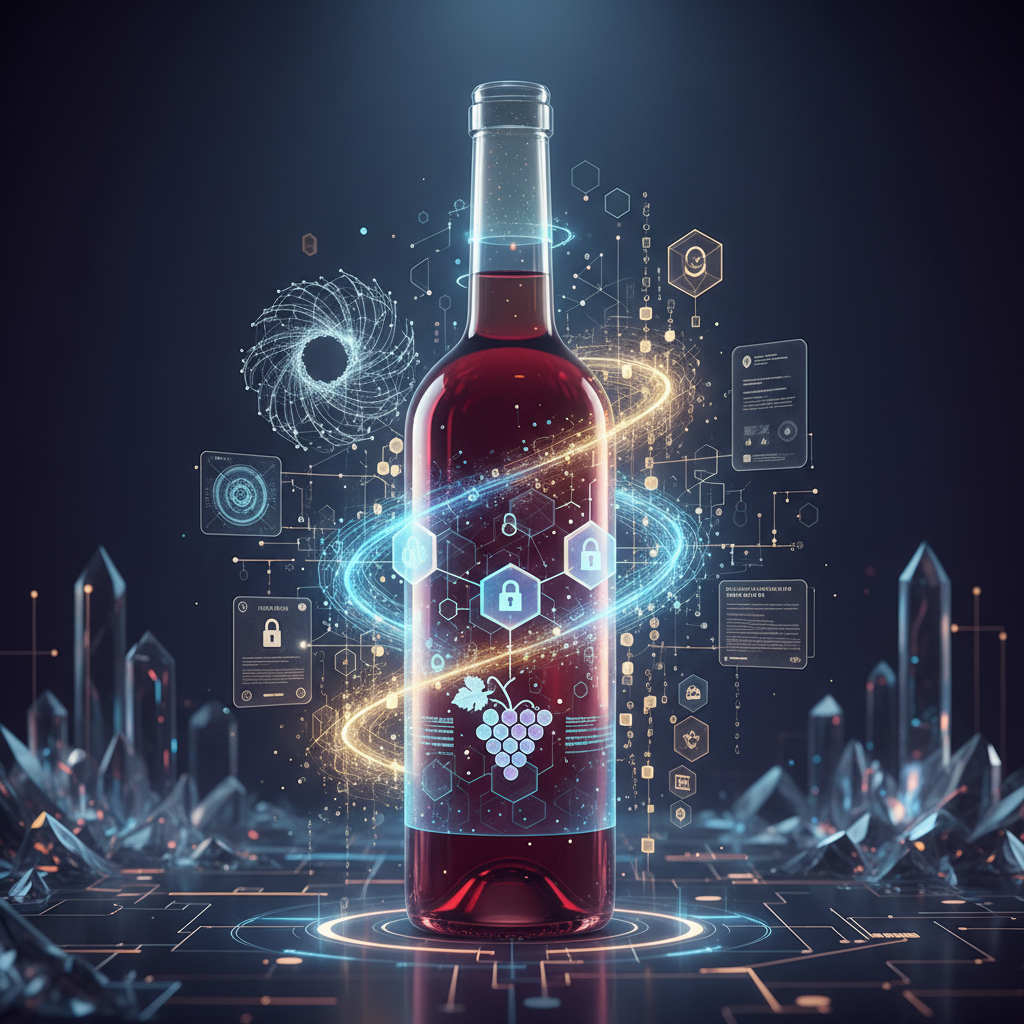
The integration of blockchain ensures that the digital twin of a wine bottle carries its entire, verifiable history. This significantly enhances consumer confidence in wine authenticity 2026. For further reading, consult the International Organisation of Vine and Wine (OIV) on global standards.
AI-Powered Authentication: Beyond the Naked Eye
While blockchain provides the "what" and "where" of a wine's journey, Artificial Intelligence (AI) delves into the critical question: "Is it real?" By analyzing intricate details and patterns, AI offers a powerful, non-invasive method for verifying wine authenticity. This technology is becoming indispensable.
AI's Role in Verifying Wine Authenticity
AI's analytical capabilities significantly bolster efforts against counterfeiting, offering advanced detection methods.
- Spectroscopic Analysis: AI algorithms can analyze spectral data from wine (e.g., infrared, Raman spectroscopy) to identify its unique chemical fingerprint. This allows for comparison against a database of authentic wines to detect adulteration or misrepresentation.
- Image Recognition: AI-powered cameras can scan bottle labels, corks, and capsules, recognizing minute details like printing imperfections, specific fonts, and serial numbers. These features are almost impossible for counterfeiters to replicate perfectly, thereby enhancing wine authenticity 2026.
- Pattern Recognition in Sales Data: AI can identify suspicious purchasing patterns, unusual price fluctuations, or uncharacteristic sales volumes. These anomalies might indicate fraudulent activity in the market, prompting further investigation.
- Predictive Analytics: By cross-referencing historical data with current market trends, AI can help identify wine types or vintages that are at high risk for counterfeiting. This allows for proactive authentication measures, strengthening overall wine authenticity 2026 efforts. Learn more about identifying hidden gems and future classics in a protected market.
Combined with blockchain, AI creates a formidable defense, making it incredibly difficult for fake wines to penetrate the legitimate market in 2026. This synergy is key.
The Synergy of Digital Twins and Consumer Trust in Wine Authenticity 2026
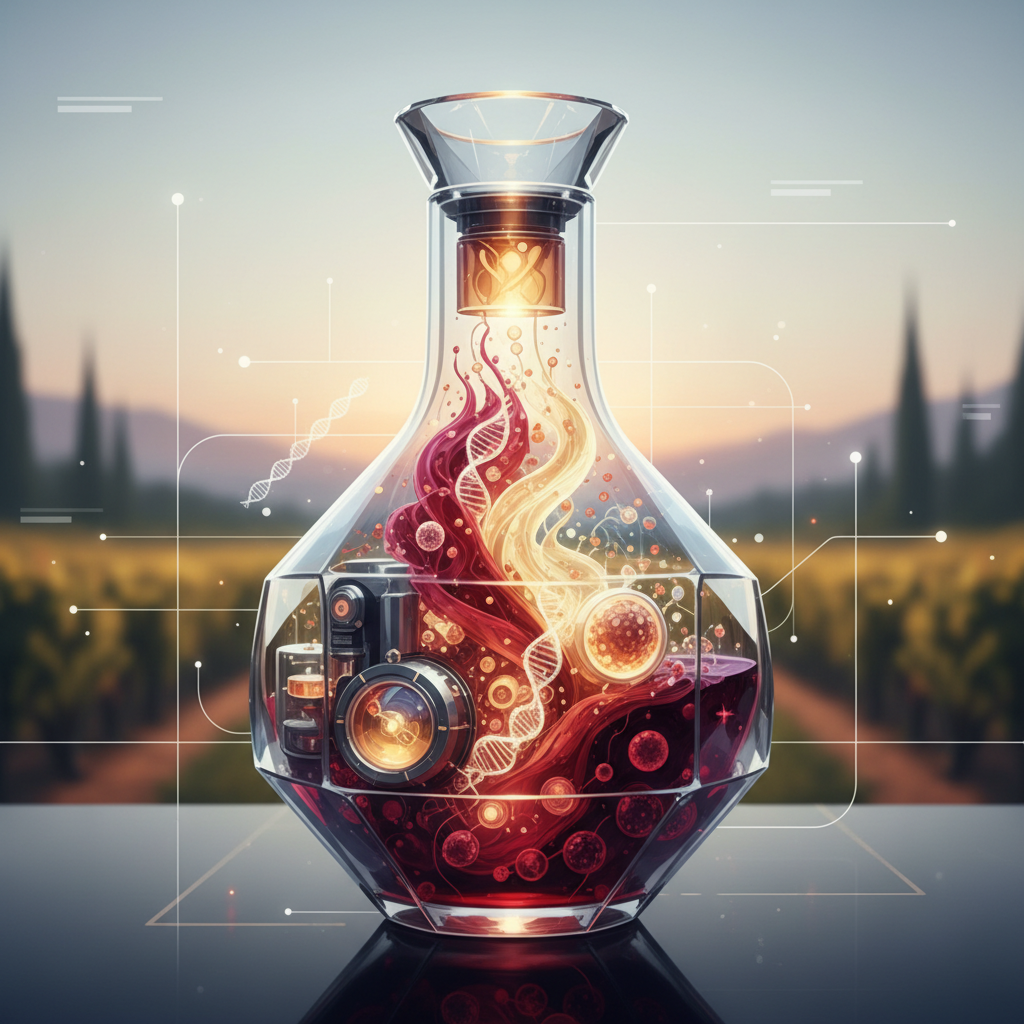
The concept of a "digital twin" for each bottle of wine, powered by blockchain and AI, is transforming the landscape of wine authenticity 2026. This virtual replica holds all the verifiable data about the physical bottle, from its creation to its current location. Such a system provides an unparalleled level of transparency and assurance.
Benefits for Different Stakeholders
This innovative approach offers significant advantages across the entire wine ecosystem.
- Consumers: Gain absolute certainty about the wine's origin, quality, and storage conditions. A simple scan of a QR code can reveal a bottle's complete history, empowering purchasers.
- Producers: Protect their brand reputation, intellectual property, and investment in crafting exceptional wines. They can also gain invaluable insights into their supply chain for better management.
- Retailers & Auction Houses: Build greater trust with their clientele by offering authenticated wines. This reduces their liability and enhances their standing in the competitive market.
- Insurers: Have clearer, verifiable data to assess risk and process claims related to high-value wine collections. This streamlines their operations.
This holistic approach fosters a stronger foundation of trust throughout the entire wine ecosystem. It ensures that the passion and craftsmanship poured into each bottle are truly appreciated, upholding the standards of wine authenticity 2026.
Looking Ahead: The Future of Authenticity in the Wine World
As we move further into 2026 and beyond, the integration of cutting-edge technology will only deepen. Expect to see continued advancements in sensor technology for real-time monitoring of environmental conditions within storage facilities. This will further enhance the data fed into blockchain ledgers. Moreover, personalization of authentication services, tailored to specific regions or wine types, will become more prevalent. For insights into future wine experiences, explore virtual terroir and immersive wine education in 2026.
The ultimate goal is to create an impenetrable shield around genuine wines. This ensures that every sip is an experience free from doubt and rich in authenticity. The ongoing commitment to innovation in this sector promises a future where the integrity of every bottle is as clear and pristine as the finest vintage it contains. The journey to elevate wine authenticity 2026 is not just about technology; it's about preserving the art, the history, and the soul of winemaking for generations to come. This commitment ensures a vibrant and trustworthy global wine market. For more information, visit Wine Institute, a leading advocate for the California wine industry.
Written by
Juniper Thorne is an experienced writer and educator with a deep passion for the world of wine. Bringing expertise in sensory analysis and wine culture to the Greatest Wine platform, Juniper helps readers explore and appreciate every nuance of wine.
Related Articles
The Vinous Verse: How Wine's Spirit Inspires 2026's Poetic and Literary Masterpieces
The intricate dance between the grape and the written word has enchanted humanity for millennia. Explore the profound connection between wine and literature, from ancient musings to 2026's contemporary narratives and poetic masterpieces. Discover how the world of wine continually inspires writers.
Juniper Thorne