The Art of the Virtual Terroir: Leveraging XR for Immersive Wine Education in 2026
In 2026, virtual wine education, powered by Extended Reality (XR), is revolutionizing how we learn about viticulture. This article delves into the art of virtual terroir, offering unparalleled access to wine appreciation, production, and culture through immersive technologies. Learn how XR is transforming wine education.

The Art of the Virtual Terroir: Leveraging XR for Immersive Virtual Wine Education in 2026
In 2026, the landscape of learning has been revolutionized, and the world of viticulture is no exception. Virtual wine education is rapidly emerging as a powerful tool, offering unparalleled access to the nuances of wine appreciation, production, and culture from anywhere in the world. As technology continues its relentless march forward, Extended Reality (XR) – encompassing Virtual Reality (VR), Augmented Reality (AR), and Mixed Reality (MR) – is fundamentally transforming how enthusiasts and professionals alike engage with and understand the complex journey from grape to glass.
For more insights into cutting-edge wine trends, explore The AI Sommelier: Integrating Artificial Intelligence for Predictive Pairing and Personalized Wine Discovery in 2026.
The Evolution of Virtual Wine Education: Beyond the Screen
Traditional wine education often involves travel, expense, and limited immediate access to diverse terroirs. However, with the advent of advanced XR technologies in 2026, these barriers are crumbling. Virtual wine education platforms leveraged by XR now provide immersive, interactive experiences that were once only dreams.
This leap forward goes beyond simple video lessons. We're talking about truly experiential learning that can transport you directly into a vineyard. The impact of climate, for example, on specific vintages can be explored through articles like The Art of the Micro-Vintage: How Hyper-Local Climate Shifts Define 2026's Most Unique Wines.
Immersive Vineyard Tours and Terroir Exploration
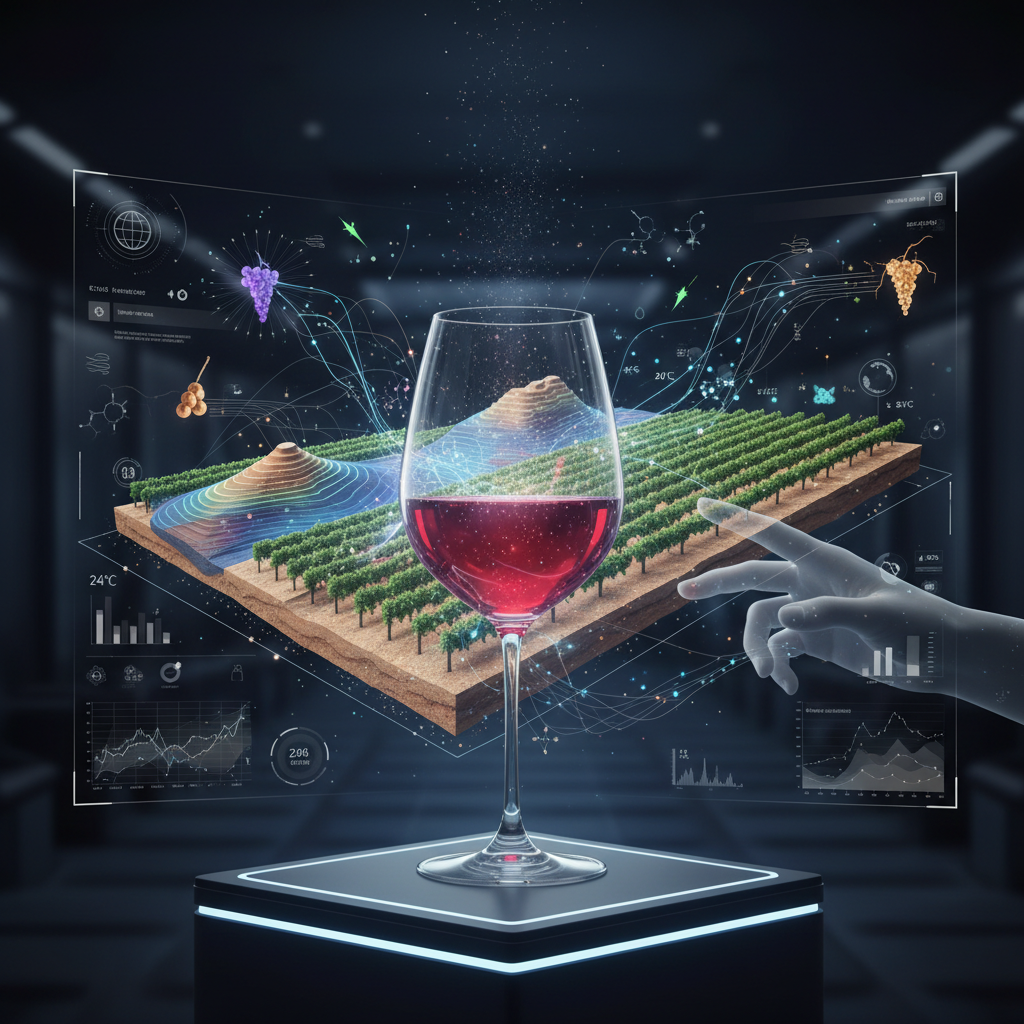
- Geospatial Recreation: VR allows users to "walk" through digitized versions of famous vineyards in Bordeaux, Mendoza, or Napa Valley. High-resolution 3D scans and drone footage create incredibly realistic environments.
- Interactive Soil Analysis: Students can examine virtual soil profiles, understanding how different strata affect grape vine health and the resulting wine's characteristics. This is a core component of appreciating terroir.
- Climate Visualization: AR applications can overlay real-time or historical climate data onto a vineyard scene, demonstrating the impact of temperature, rainfall, and sunshine on each vintage.
Deconstructing the Winemaking Process Virtually
Understanding winemaking is crucial to appreciating the final product. XR provides a unique window into these intricate processes without needing to be physically present at a winery.
- Virtual Winery Visits: Explore the interior of state-of-the-art wineries, from fermentation tanks to barrel rooms. Learn about different winemaking techniques firsthand.
- Interactive Production Stages: Witness virtual simulations of pressing, fermentation, aging, and bottling. Users can interact with virtual machinery and learn about their functions.
- Grape Varietal Deep Dives: AR apps can identify grape varietals in real-time, providing detailed information on their genetic background, ideal growing conditions, and typical flavor profiles. This drastically enhances virtual wine education. For those interested in less common varietals, consider Forgotten Grapes, Rediscovered Flavors: Exploring the Revival of Ancient Wine Varieties in 2026.
Sensory Enhancement and Tasting Simulation in Virtual Wine Education
One of the most challenging aspects of virtual wine education has traditionally been the sensory experience. While taste and smell cannot be fully replicated digitally, XR is making significant strides in enhancing understanding and preparation for real-world tastings.
Augmented Reality for Aroma and Flavor Recognition
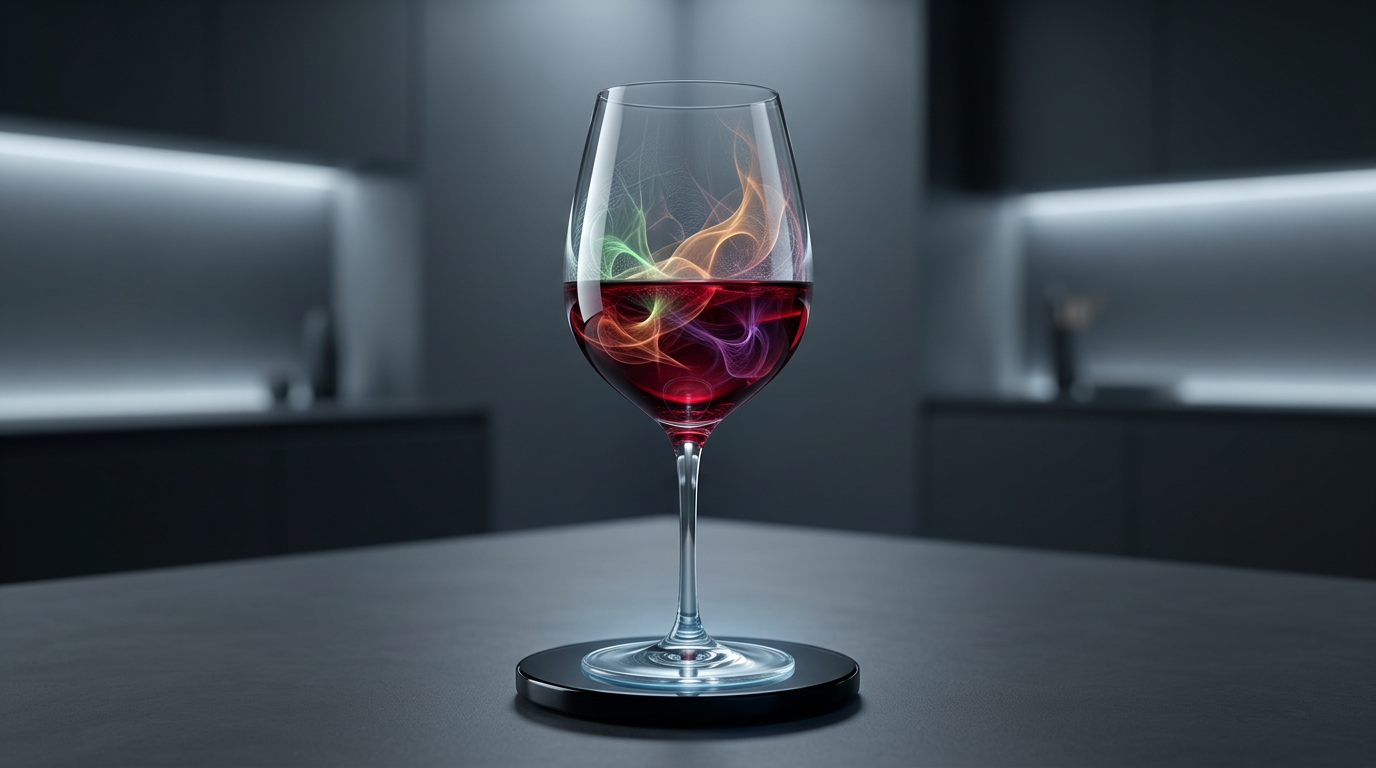
AR tools are proving invaluable for developing sensory recognition skills. Imagine pointing your smart device at a glass of wine, and the AR app overlays a visual representation of common aromas and flavor compounds associated with that varietal.
- Aroma Palettes: AR can project interactive aroma wheels, guiding users to identify specific notes like cherry, leather, or vanilla, drawing connections between the wine's chemistry and its sensory impact.
- Flavor Profile Mapping: Visual aids in AR can help learners understand the balance of acidity, tannin, sweetness, and alcohol, mapping them precisely onto the wine's overall profile.
- Virtual Ingredient Matching: For wine and food pairing lessons, AR can simulate pairings, allowing users to visualize how different ingredients interact with the wine's characteristics before trying them in reality. This complements the art of Wine & Food Pairing: A Guide to Perfect Matches.
Guided Virtual Tastings and Expert Insights
XR platforms provide opportunities for highly structured and guided tasting experiences. Although the physical wine is still necessary, the virtual environment amplifies the learning.
- Synchronized Tasting Events: Participants from around the globe can join a virtual tasting session led by a master sommelier. The XR environment can display tasting notes, background information, and interactive polls in real-time. For aspiring tasters, consider The Art of Blind Tasting: Unlocking Your Palate's Full Potential in 2026.
- Personalized Feedback: Some advanced platforms in 2026 feature AI-driven guides that offer personalized feedback on tasting notes, helping users refine their palate and descriptive vocabulary. This is a game-changer for virtual wine education.
The Global Reach of Virtual Wine Education and Cultural Immersion
The beauty of virtual wine education lies in its ability to transcend geographical boundaries. It opens up the world of wine to a much broader audience, fostering cultural understanding and connection. Many of these elements tie into the broader trend of The Rise of Gastronomic Wine Tourism: Immersive Culinary Journeys in 2026.
Exploring International Wine Regions and Traditions
XR allows students to experience the culture surrounding wine in different regions, enriching their overall appreciation.
- Virtual Festival Attendance: "Attend" virtual versions of major wine festivals like Vinitaly or ProWein, exploring virtual booths, watching presentations, and even networking with other virtual attendees.
- Regional History and Folklore: Immerse yourself in the history and traditions of specific wine regions through interactive narratives and 360-degree video documentaries, such as those detailing the concept of terroir championed by the French.
- Interview with Vintners: Participate in live or pre-recorded Q&A sessions with winemakers from diverse cultural backgrounds, gaining insights into their philosophies and techniques.
Accessibility and Democratization of Wine Knowledge
Prior to 2026, high-level wine education was often exclusive, limited by cost and location. Virtual wine education changes this paradigm by making quality instruction more accessible.
- Reduced Costs: Eliminates travel and accommodation expenses, making advanced courses more affordable.
- Flexible Learning: Learners can access content at their own pace, fitting education around their schedules regardless of time zones.
- Diverse Offerings: A broader range of specialized courses becomes available, catering to niche interests from biodynamic farming to ancient winemaking techniques. You can learn more about some of these techniques from sources like the Wine & Spirit Education Trust (WSET), a leading global provider of wine education.
The Future of Virtual Wine Education: What's Next in 2026 and Beyond?
The pace of innovation in XR is relentless, and its integration into virtual wine education is only just beginning. Looking ahead from 2026, we can anticipate even more sophisticated and integrated experiences.
Advances in Haptic and Olfactory Feedback
While still in developmental stages, the ultimate goal is to bring more senses into the virtual realm.
- Haptic Gloves: Imagine "feeling" the texture of different grape skins or the vibration of a fermenting vat.
- Olfactory Devices: Experimental devices that can release specific scents are under development, promising to add a new dimension to virtual aroma training. This would be a groundbreaking step for virtual wine education. Recent advancements in this field are often presented at tech conferences such as CES.
AI-Powered Personalization and Adaptive Learning
Artificial Intelligence will continue to refine the learning paths within virtual environments.
- Adaptive Curricula: AI will analyze a user's progress and interests, tailoring the learning material and challenges to their individual needs.
- Intelligent Tutoring Systems: AI-powered virtual sommeliers or instructors will provide real-time guidance, answer questions, and facilitate deeper understanding.
In 2026, virtual wine education, augmented and driven by XR, is no longer a futuristic concept but a vibrant, evolving reality. It offers an unparalleled pathway to explore the rich, complex, and beautiful world of wine, making true connoisseurship more attainable and engaging for everyone.
Written by
Juniper Thorne is an experienced writer and educator with a deep passion for the world of wine. Bringing expertise in sensory analysis and wine culture to the Greatest Wine platform, Juniper helps readers explore and appreciate every nuance of wine.
Related Articles
The Vinous Arsenal: Essential Tools for Elevating Your Wine Experience in 2026
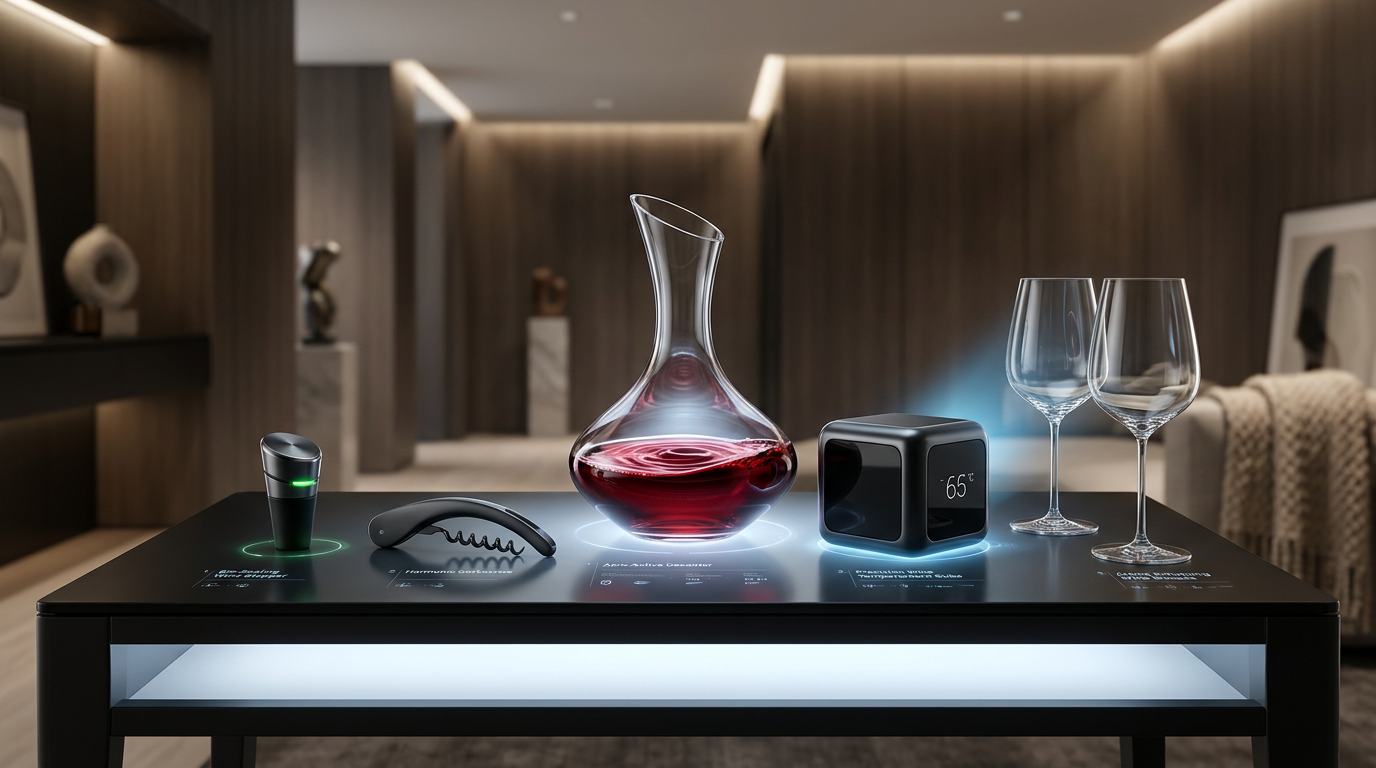
As we navigate May 2026, the world of wine continues to evolve, offering enthusiasts unprecedented tools. Discover the essential wine accessories for 2026 that will elevate your enjoyment, from innovative aerators to smart preservation systems. Upgrade your vinous arsenal today with Greatest Wine.
Juniper Thorne