The Art of the 'Vinous Micro-Moment': Crafting and Appreciating Intentional Short-Term Aging in 2026
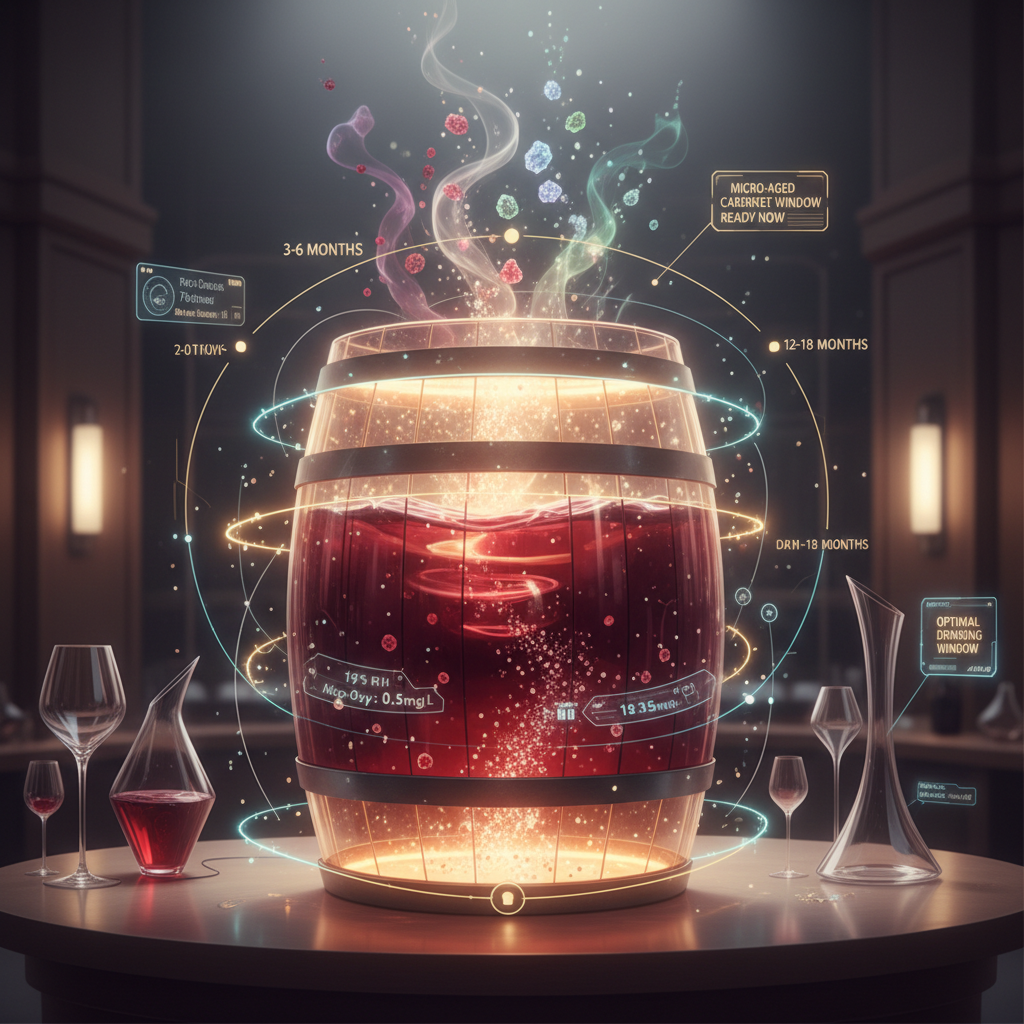
In 2026, the wine world sees a new trend: the 'vinous micro-moment'. This involves intentional, short-term aging of wine, bringing it to its peak drinking window within days, weeks, or a few months. Moving beyond traditional long-term cellaring, this approach focuses on immediate appreciation and strategic preparation.

The Art of the 'Vinous Micro-Moment': Crafting and Appreciating Intentional Short-Term Aging in 2026
In the dynamic world of wine, where grand cellars and decades of aging often dominate the conversation, a new appreciation for the immediate and impactful is emerging. This phenomenon, which we term the vinous micro-moment, refers to the intentional, short-term aging and preparation of a wine to achieve its optimal drinking window within days, weeks, or a few months, rather than years. In 2026, understanding and mastering this art can transform your wine experience, offering profound enjoyment from bottles that might otherwise be overlooked or consumed prematurely.
Deconstructing the Vinous Micro-Moment: What Exactly Is It?
The concept of a vinous micro-moment stands in contrast to traditional long-term cellaring. It focuses on optimizing a wine's expression for near-term consumption. This isn't about rushing the process, but rather strategically influencing a wine's development over a short, purposeful period.
Think of it as precision timing. We're looking at how subtle environmental controls can bring out hidden nuances in a wine that might otherwise take years to surface, or perhaps never fully develop in an unmanaged environment. It's about achieving peak enjoyment without the multi-year commitment, much like a winemaker's approach to accelerating aging while preserving youth.
The Philosophy Behind Intentional Short-Term Aging
- Accessibility: It makes exceptional wine experiences more immediate for enthusiasts without vast cellars.
- Discovery: It encourages exploration of wines that benefit from a brief period of settling or minor evolution.
- Control: It allows drinkers to actively participate in the wine's final stage of development before consumption.
- Enhancement: It can soften tannins, integrate oak, or allow aromatic compounds to blossom more fully.
Ultimately, a successful vinous micro-moment delivers a wine experience that feels perfectly timed and deeply satisfying, revealing complexities that might be absent from a bottle consumed straight from the shelf. This approach complements the nuanced understanding of capturing ephemeral aromas and appreciating wine's most fleeting scents.
Identifying Wines Suitable for a Vinous Micro-Moment
Not all wines are created equal when it comes to short-term aging for a perfect vinous micro-moment. While some benefit immensely, others might remain largely unchanged or even decline. Knowing which wines to target is key.
Generally, wines with good fruit concentration, balanced acidity, and moderate tannins are excellent candidates. These elements provide the structural backbone necessary for a brief period of evolution.
Characteristics of Ideal Micro-Moment Wines
- Young to Mid-Age Reds: Cabernet Sauvignon, Merlot, Syrah, Zinfandel, or even some Nebbiolo-based wines that are 2-5 years old can often benefit from a few months.
- Structured Whites: Oaked Chardonnay, Chenin Blanc, or German Rieslings with a few years of age can develop greater complexity.
- Rosé of Substance: While most rosés are for immediate consumption, some richer, more structured rosés can show new dimensions with 3-6 months.
- Sweet Wines: Botrytized wines or late-harvest varieties can integrate their sweetness and acidity more gracefully.
Avoid very fragile or very old wines that may not withstand further controlled aging. Similarly, wines designed for immediate, fresh consumption (like many Sauvignon Blancs or unoaked Pinot Grigio) are less likely to benefit from this approach to a vinous micro-moment. For an alternative perspective on influencing wine character, exploring nocturnal viticulture's impact can be insightful.
Crafting the Perfect Vinous Micro-Moment Environment
Creating the optimal conditions for short-term aging is crucial. While you don't need a professional cellar, consistency and control over key factors are paramount for nurturing a successful vinous micro-moment.
The goal is to provide a stable environment that encourages gentle, steady evolution without exposing the wine to undue stress. Fluctuations are the enemy of any aging process, even a short one. The importance of a stable environment cannot be overstated, as evidenced by expert advice on proper wine storage techniques.
Key Environmental Factors for Your Vinous Micro-Moment
- Temperature Control: Maintain a consistent temperature between 50-59°F (10-15°C). Avoid wide swings, as this can prematurely age or damage the wine.
- Humidity Levels: Aim for 60-75% humidity to prevent corks from drying out, which can lead to oxidation.
- Darkness: Keep wines away from direct light, especially UV light, which can cause "light strike" and spoil the wine.
- Stability: Minimize vibrations. Store bottles horizontally to keep the cork moist, though for a few months this is less critical than for long-term aging.
- Odor-Free Environment: Wine corks can absorb strong odors, so ensure your storage area is clean and free of strong smells.
Even a small wine fridge or a dedicated, dark cupboard in a cool part of your home can facilitate an excellent vinous micro-moment. The investment in a small wine cooler is often well worth it for consistent results. Understanding optimal wine serving temperatures is also crucial for experiencing the full potential of your micro-aged wines.
Sensory Analysis: Appreciating the Evolved Vinous Micro-Moment
The true reward of cultivating a vinous micro-moment lies in the sensory experience. When a wine has been intentionally short-term aged, its aromatic profile, palate, and finish often present with greater harmony and depth.
Applying structured sensory analysis techniques allows you to fully appreciate the transformation. Compare notes with previous tastings of the same wine immediately after purchase; the differences can be profound. For those looking to master this skill, resources from institutions like the Wine & Spirit Education Trust (WSET) can be invaluable.
Tasting and Evaluating Your Micro-Moment Wine
- Aromatics: Look for more integrated fruit, nuanced secondary aromas (like forest floor, mushroom, baking spice), and a softening of primary varietal characteristics.
- Palate: Notice how tannins have softened, becoming rounder and less astringent. Acidity should feel more balanced and integrated with the fruit.
- Texture: Feel for increased complexity and a smoother mouthfeel. The wine might seem to have gained a little more body.
- Finish: Observe a longer, more harmonious finish where flavors linger gracefully without sharp edges.
This deliberate appreciation enhances your understanding of wine evolution. Each carefully crafted vinous micro-moment offers a unique learning opportunity, deepening your connection to the beverage itself. Exploring the psychology behind wine appreciation can further enrich this experience.
The Rising Trend of the Vinous Micro-Moment in 2026
As we navigate 2026, the concept of the vinous micro-moment is gaining traction among both casual enthusiasts and seasoned collectors. It aligns perfectly with modern lifestyles, offering profound wine experiences without the long-term commitment or extensive cellar requirements of traditional aging.
Wine retailers and producers are beginning to recognize this trend, with some offering recommendations for short-term cellaring or even pre-conditioning wines for immediate consumption. The emphasis is shifting towards optimizing the drinking experience in the present, while still respecting the wine's potential. This shift is also mirrored in broader consumer trends emphasizing convenience and mindful consumption, as discussed in various industry reports like those found on Wine Business Monthly.
Why the Vinous Micro-Moment is Gaining Popularity
- Instant Gratification, Elevated: It bridges the gap between impatient consumption and long-term cellaring.
- Economic Practicality: No need for expensive, large-scale cellar infrastructure.
- Educational Value: Provides a hands-on understanding of wine evolution.
- Exploring Diverse Styles: Encourages experimentation with a wider range of wines.
The vinous micro-moment is not merely a fad; it represents a thoughtful evolution in how we approach and enjoy wine, making sophisticated appreciation accessible to a broader audience in 2026 and beyond. By understanding and implementing these principles, you can unlock new dimensions of pleasure from your wine collection, transforming everyday bottles into extraordinary experiences.
Written by
Juniper Thorne is an experienced writer and educator with a deep passion for the world of wine. Bringing expertise in sensory analysis and wine culture to the Greatest Wine platform, Juniper helps readers explore and appreciate every nuance of wine.
Related Articles

The Cellar Architects: Mastering Elite Wine Preservation and Evolution in 2026
For the true connoisseur, wine is more than just a beverage; it's a living entity, an investment, and a passion. Mastering its preservation and evolution is an art form, especially in 2026 with new technologies and insights. Learn how to protect and enhance your cherished collection.
Juniper Thorne