The Art of the 'Vinous Micro-Moment': Crafting and Appreciating Intentional Short-Term Aging in 2026
In 2026, the 'vinous micro-moment' has become a key trend in wine appreciation, focusing on intentionally aged bottles designed for short-term enjoyment. This article explores how winemakers are crafting these unique vintages and offers insights for enthusiasts on how to best appreciate these ready-to-drink wines, blending traditional aging techniques with modern consumer preferences. Dive into the fascinating world of short-term aged wine and elevate your tasting experience.

Short-Term Aged Wine 2026: The Vinous Micro-Moment
In the evolving landscape of wine appreciation, the concept of a 'vinous micro-moment' has gained significant traction, especially concerning intentionally aged bottles. This article delves into the fascinating world of short-term aged wine 2026, exploring how producers are crafting these ready-to-enjoy vintages and how enthusiasts can best appreciate their nuanced complexities. Unlike wines destined for decades in the cellar, these selections are designed to hit their peak relatively quickly, offering immediate gratification without sacrificing depth or character. Here in 2026, the trend for accessible, yet sophisticated, aged wines is stronger than ever.
Understanding the Philosophy Behind Short-Term Aged Wine 2026
The philosophy of short-term aged wine 2026 revolves around optimizing a wine's expression within a shorter window, typically 2-7 years from vintage. This is not about rushing the process, but rather a deliberate approach to vineyard management, winemaking techniques, and cellar conditions. Producers are increasingly focusing on varietals and styles that inherently possess the structural components—acidity, fruit purity, and refined tannins—to evolve gracefully without requiring extensive bottle aging.
This approach caters to a modern consumer who seeks sophisticated wine experiences without the long-term commitment or storage challenges associated with grand cru classifications. Consequently, it reflects a growing demand for wines that are both complex and approachable in their relative youth. This desire for immediate enjoyment without compromise is influencing everything from wine packaging psychology to how we approach serving rituals.
Key Characteristics of Young, Age-Worthy Wines
- Vibrant Fruit Profile: The primary fruit characteristics are well-defined and pure, offering a clear aromatic signature.
- Balanced Acidity: Essential for freshness and longevity, preventing the wine from tasting flabby as it ages for a couple of years.
- Integrated Tannins: While present, tannins in reds should be fine-grained and not overly astringent, indicating good ripeness and extraction.
- Moderate Alcohol: Furthermore, extremely high alcohol can sometimes hinder graceful aging in the short term, though this varies by style.
The Role of Terroir in Short-Term Aging
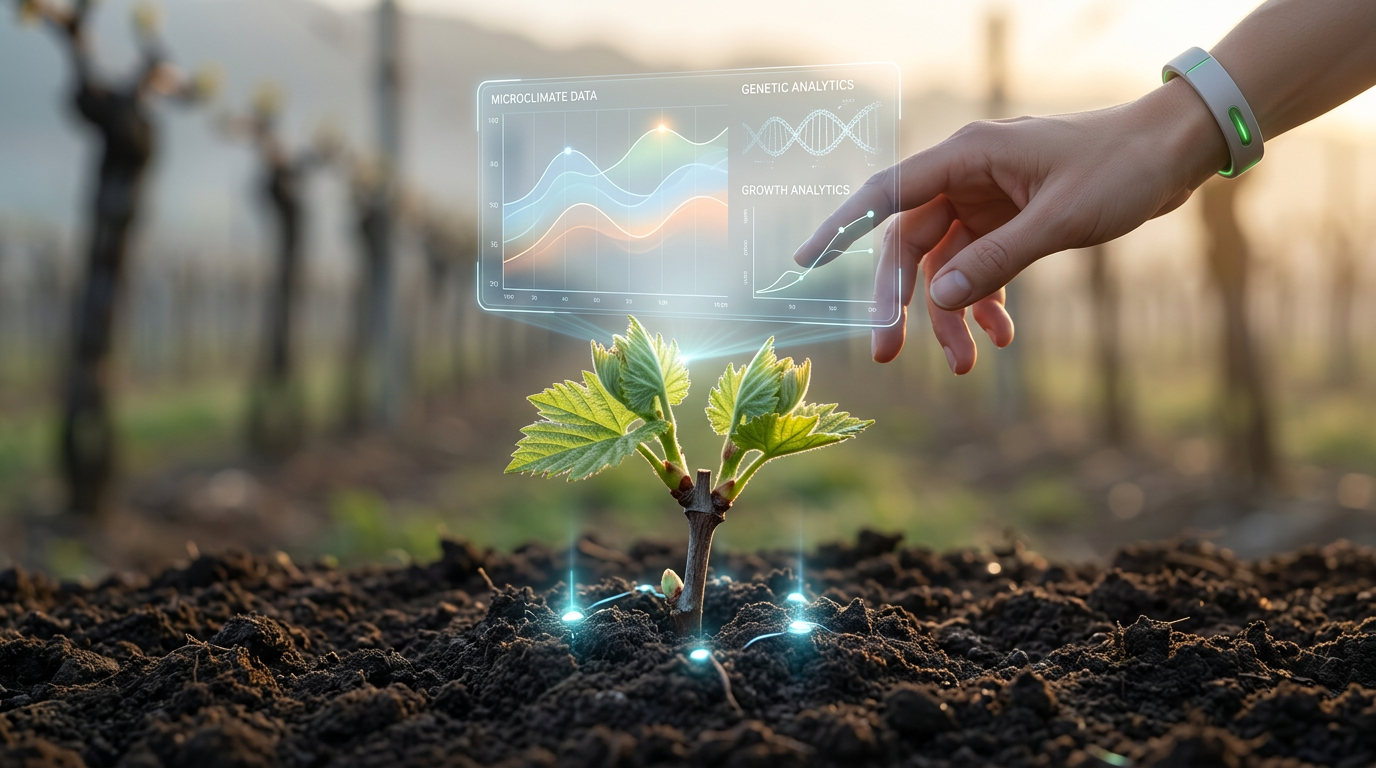
Terroir plays a crucial role in the production of short-term aged wine 2026. Vineyards with specific microclimates and soil compositions can naturally produce grapes with characteristics ideal for this style. For instance, cooler climates often yield grapes with higher acidity, which is beneficial for preserving freshness. Conversely, some warmer regions, through careful canopy management and harvesting, can achieve remarkable balance in their earlier-drinking reds and whites. Understanding these nuances is part of mapping flavor landscapes and predicting terroir’s influence.
Crafting Excellence: Winemaking Techniques for Intentional Short-Term Aging
Achieving the desired balance for a short-term aged wine 2026 requires precision in the winery. Winemakers employ a variety of techniques, from grape selection to fermentation and aging vessels, all aimed at fostering wines that are expressive and harmonious relatively quickly. The goal is to develop complexity without losing vibrancy or requiring decades to soften.
Vineyard Management and Grape Selection
- Yield Control: Lower yields often result in more concentrated grapes, providing better raw material for aging potential.
- Optimal Ripeness: Grapes are harvested at peak physiological ripeness, ensuring balanced sugar, acidity, and phenolic compounds. Avoiding under-ripe or over-ripe fruit is key.
- Varietal Choice: Specific grape varietals naturally lend themselves to short-term aging. Think certain styles of Nebbiolo, high-quality Pinot Noir, or even structured Chenin Blancs.
Fermentation and Maturation Decisions
During fermentation, decisions regarding yeast strains, temperature control, and maceration times are critical. For instance, gentle extraction in reds can lead to softer, more approachable tannins. In whites, careful lees stirring can add texture and complexity, preparing the wine for a few years in bottle.
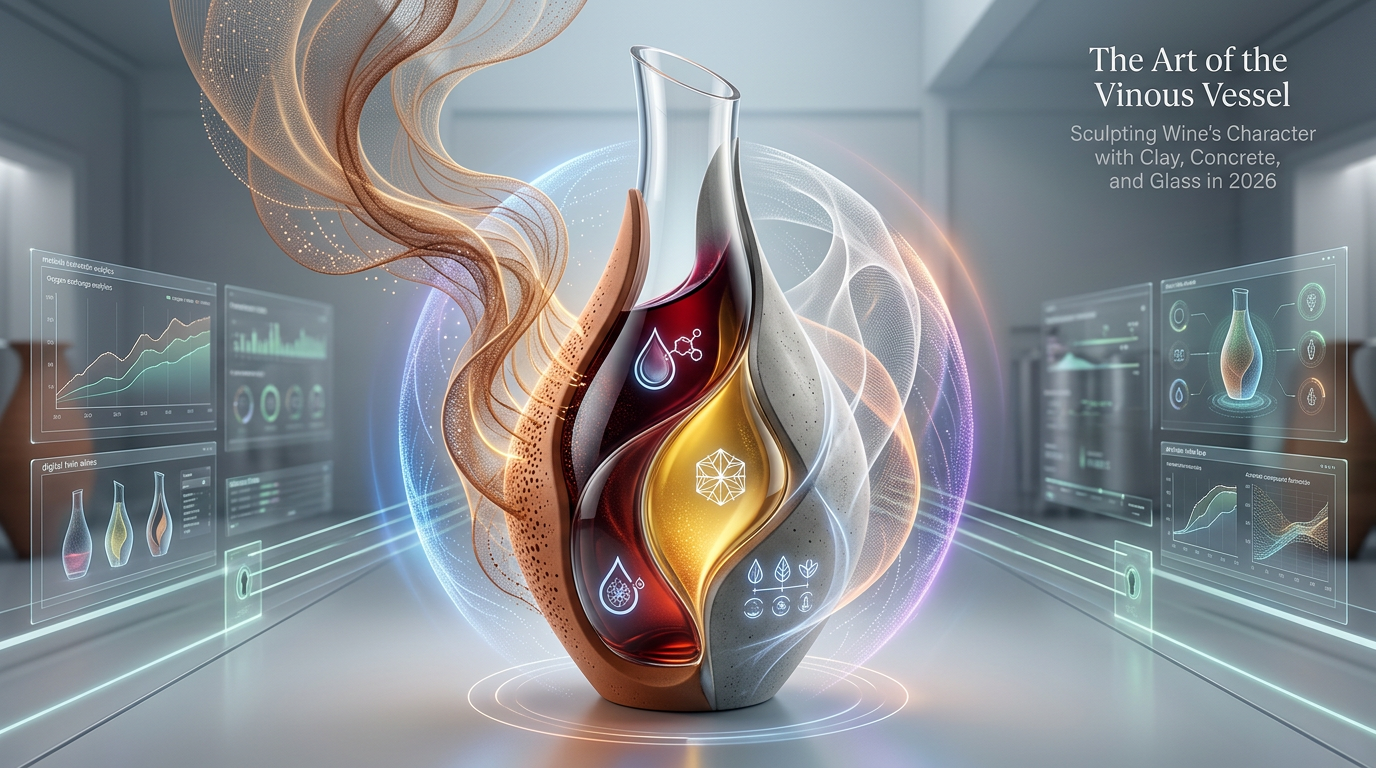
The choice of aging vessel is also paramount. While new oak barrels can impart structure and flavor, excessive new oak can overwhelm the fruit and prolong the aging process. Many producers opt for a combination of neutral oak, large format foudres, or stainless steel to allow the fruit and terroir to shine through, making the wine suitable as a short-term aged wine 2026. Ultimately, thoughtful oak management is key.
- Oak Management: Judicious use of neutral or used oak, or even larger-format oak, can provide structure and complexity without dominating.
- Micro-Oxygenation: Furthermore, controlled exposure to oxygen during maturation can help soften tannins and polymerize color, contributing to earlier drinkability.
- Bottle Aging on Lees: For certain white wines, extended lees contact in the bottle can add layers of autolytic complexity. This scientific approach to winemaking is increasingly informed by insights into molecular terroir, helping winemakers fine-tune their methods for optimal results.
Appreciating the Nuances: Tasting and Decanting Short-Term Aged Wine 2026
When approaching a short-term aged wine 2026, the tasting experience is subtly different from assessing a youthful wine or a deeply mature one. These wines often present a beautiful bridge between primary fruit notes and nascent tertiary aromas, offering a captivating aromatic journey. Understanding how to best serve and appreciate these wines can elevate the enjoyment considerably. This can be enhanced by considering the role of sensory expectation in wine appreciation.
Sensory Profile of a Developed Micro-Moment Wine
Expect a symphony of aromas. Initially, you might find vibrant fruit, but with a slight evolution, notes of dried fruit, forest floor, subtle spice, or nutty undertones often emerge. The palate typically demonstrates a harmonious integration of fruit, acidity, and tannins, with a smoother texture than a very young wine but retaining a lively freshness that distinguishes it from a fully mature bottle. The finish should, therefore, be persistent and engaging. For deeper insights into how our brains process these sensations, explore the topic of wine flavor perception neuroscience.
Optimal Serving and Decanting Practices
For many short-term aged wine 2026, decanting can be highly beneficial. It allows the wine to breathe, softening any remaining youthful edges and opening up its aromatic profile. However, be mindful not to over-decant, as these wines still possess a degree of vibrancy that should not be lost. A good rule of thumb is to decant red wines for 30 minutes to an hour, and some structured white wines for 15-30 minutes, depending on the varietal and specific vintage.
Serving temperature is also crucial. Red wines often benefit from being served slightly below room temperature (around 16-18°C), while white wines should be cool but not overly chilled (around 10-12°C) to allow their complexities to emerge fully.
Wine and Food Pairing: Elevating the Experience with Aged Wines in 2026
Pairing food with a short-term aged wine 2026 opens up exciting culinary possibilities. The evolving characteristics of these wines allow them to complement a broader range of dishes, moving beyond simple fruit-forward pairings to embrace more complex and nuanced flavors. These wines offer an intriguing bridge between youthful vigor and mature grace, making them incredibly versatile at the dinner table.
Pairing Principles for Developed Wines
When selecting dishes, consider the wine's developing tertiary notes. Earthy aromas in a red wine, for example, would pair beautifully with mushroom-based dishes or roasted root vegetables. Slight nutty or honeyed notes in a white wine could complement dishes with creamy sauces or richer seafood. The softened tannins and integrated acidity in these wines also make them excellent companions for moderately rich proteins.
- Red Wines: Think roasted lamb with herbs, duck confit, aged cheeses, or truffle pasta.
- White Wines: Consider pan-seared scallops with brown butter, roasted chicken with root vegetables, or even heartier fish dishes like cod.
- Rosé Wines: Some richer, aged rosés can pair well with grilled salmon or charcuterie boards.
The key is to match the intensity and complexity of the food with that of the wine. A thoughtful pairing can highlight the subtle intricacies that make a short-term aged wine 2026 so captivating. For more inspiration on pairings, resources like Wine Folly's pairing guide offer excellent suggestions.
The Future of Intentional Short-Term Aging in 2026 and Beyond
The trend towards intentional short-term aged wine 2026 is not merely a passing fad; it represents a significant shift in consumer preferences and winemaking philosophy. As awareness grows, we can expect to see even more innovation in this space, with winemakers refining their techniques to produce wines that deliver immediate pleasure alongside genuine depth and character.
Consumers are increasingly valuing transparency, sustainability, and quality that is accessible without decades of cellaring. This pushes producers to craft wines that are expressive and balanced in their relatively early years, while still offering a captivating evolution. Education around how to identify, store, and appreciate these wines will also become increasingly important for enthusiasts worldwide.
The growth of digital platforms and improved logistics also makes these wines more discoverable and available globally. As we move further into 2026, the 'vinous micro-moment' will continue to be a celebrated aspect of the wine world, offering diverse and delightful experiences for all. For consumers looking to explore diverse selections, platforms like Wine-Searcher are invaluable tools.
Written by
Juniper Thorne is an experienced writer and educator with a deep passion for the world of wine. Bringing expertise in sensory analysis and wine culture to the Greatest Wine platform, Juniper helps readers explore and appreciate every nuance of wine.
Related Articles

The Cellar Architects: Mastering Elite Wine Preservation and Evolution in 2026
For the true connoisseur, wine is more than just a beverage; it's a living entity, an investment, and a passion. Mastering its preservation and evolution is an art form, especially in 2026 with new technologies and insights. Learn how to protect and enhance your cherished collection.
Juniper Thorne