The Art of the Vinous Cartography: Mapping Flavor Landscapes and Predictive Terroir in 2026
In 2026, vinous cartography and predictive terroir models are revolutionizing viticulture. This deep dive explores how mapping flavor landscapes and understanding the intricate relationship between a wine and its origin are changing how we appreciate and produce wine. Discover the nuances of grape varietals and their environmental impact through advanced data analysis.

The Art of Vinous Cartography: Mapping Flavor Landscapes and Predictive Terroir in 2026
In the evolving world of viticulture and oenology, understanding the intricate relationship between a wine and its origin has never been more crucial. This deep dive into vinous cartography explores how mapping flavor landscapes and leveraging predictive terroir models are revolutionizing wine appreciation and production. By meticulously charting the nuances of grape varieties, soil compositions, climate data, and human intervention, vinous cartography provides an unparalleled lens through which to comprehend the complex character of each bottle. Ultimately, it guides both producers and consumers towards a more profound connection with this liquid art.
Understanding the Foundations of Vinous Cartography
Vinous cartography is not merely about drawing lines on a map; it is a sophisticated discipline. It integrates geographical information systems (GIS), remote sensing, climate science, and sensory analysis. This multidisciplinary approach allows for the visualization and interpretation of the myriad factors that contribute to a wine's unique identity. In 2026, advancements in data collection and AI are pushing the boundaries of what's possible, offering granular insights into specific vineyard plots. For a deeper understanding of how technology influences wine, consider The Art of the 'Palate Revolution': Designing Hyper-Personalized Wine Experiences with AI in 2026.
The core concept revolves around the idea that every bottle tells a story of its place. From the geological history of the soil to the precise microclimates experienced by the vines, these elements converge. They create the distinct profile we associate with a particular region or even a single vineyard block. This advanced mapping process helps decode those stories effectively, making vinous cartography an essential tool.
Historical Roots and Modern Evolution in Vinous Cartography
While the term vinous cartography might seem cutting-edge, its principles are rooted in centuries of empirical observation by winemakers. For instance, monks in Burgundy meticulously documented the effects of different parcels on wine quality long before modern science provided explanations. Today, satellite imagery, drone technology, and advanced weather stations provide real-time data, transforming these historical observations into precise, actionable intelligence.
- Early Observations: Recognition of distinct vineyard plots in wine quality.
- 19th-20th Century: Development of appellation systems based on regional characteristics.
- 21st Century (Current, 2026): Integration of GIS, AI, and big data for predictive modeling in wine regions globally, enhancing the practice of vinous cartography.
Key Elements Mapped in Vinous Cartography
Therefore, when creating true vinous cartography, several critical data layers are considered:
- Geology and Soil Composition: This includes the type of bedrock, soil depth, drainage, nutrient content, and pH.
- Topography: Key factors here are altitude, slope, aspect (direction the slope faces), and elevation changes.
- Climate Data: This encompasses temperature ranges, rainfall patterns, sunlight hours, wind speeds, and frost risk.
- Hydrology: This layer focuses on water availability, irrigation needs, and proximity to water bodies.
- Viticultural Practices: These include pruning methods, canopy management, vine spacing, and rootstock selection.
Each of these factors contributes significantly to the final wine profile, influencing everything from grape acidity and sugar levels to aromatic compounds and tannin structure. Further insights into the chemical foundations can be found in discussions around The Art of the 'Molecular Terroir': Unlocking the Chemical Fingerprint of Wine in 2026. This comprehensive approach defines modern vinous cartography.
Predictive Terroir: The Future of Vinous Cartography and Winemaking
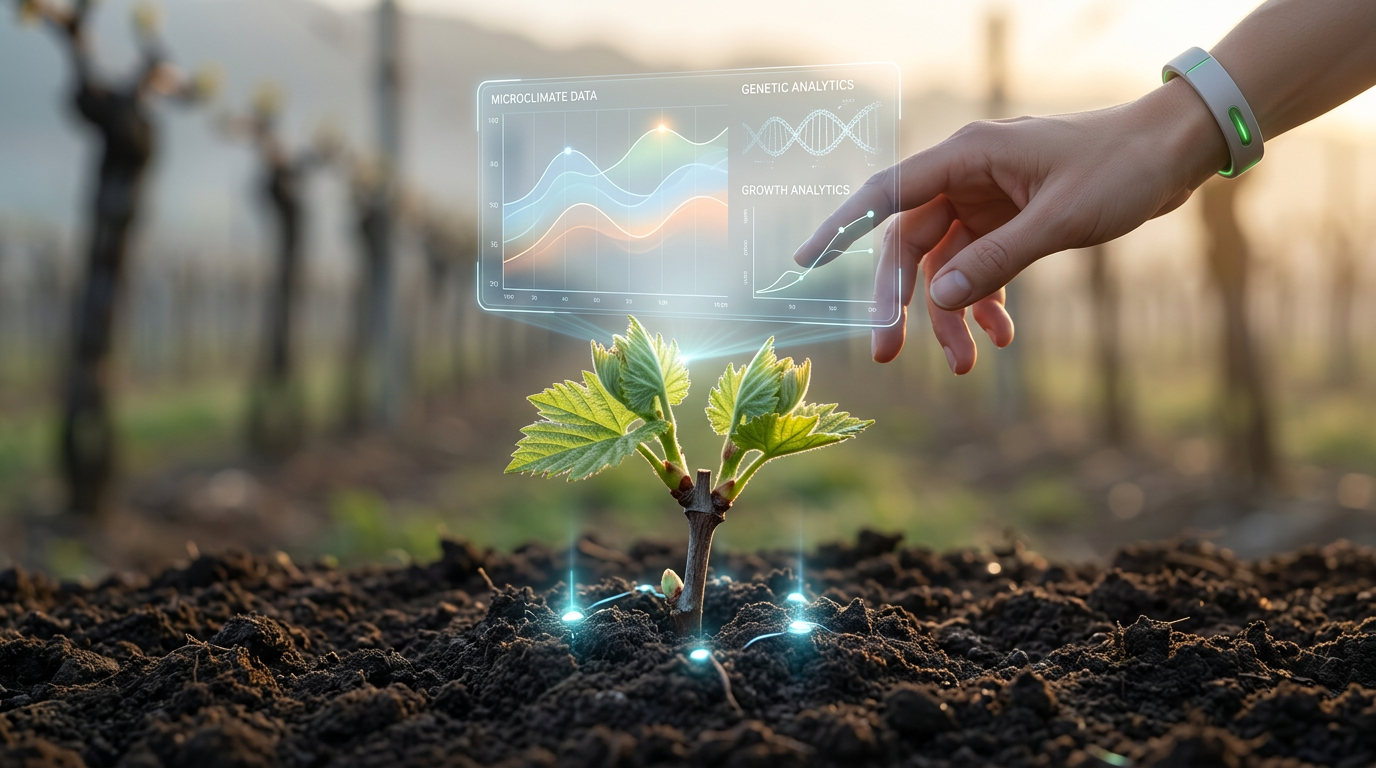
One of the most exciting developments in vinous cartography for 2026 is the rise of predictive terroir models. These advanced analytical tools leverage vast datasets and artificial intelligence to forecast how a particular site will influence a wine's characteristics, even before the grapes are harvested. This goes beyond understanding current conditions; it's about anticipating future outcomes and optimizing wine production. To explore the scientific predictions, read about The Art of the Vinous Blueprint: Deconstructing the Science of Predictive Wine Character in 2026.
Winemakers can use these models to make informed decisions about grape varietal selection, vineyard management strategies, and even potential harvest dates to optimize quality. For example, a model might predict how a specific clone of Pinot Noir will express itself aromatically when planted on a particular slope with specific soil characteristics under projected weather patterns. This is the power of predictive vinous cartography.
Leveraging AI and Big Data in Vinous Cartography
The power of predictive terroir lies in its ability to process and analyze immense quantities of data that would be impossible for humans to manage. Machine learning algorithms can identify subtle correlations between environmental factors and wine attributes, revealing hidden patterns that lead to higher precision in winemaking. This unequivocally means less guesswork and more science-backed decisions across the industry. For additional reading on AI applications, visit this resource on The Art of the 'Vinous Digital Twin': Recreating and Preserving Legacy Vintages with AI in 2026.
- Data Sources: Utilizes satellite imaging, drone-based multispectral analysis, ground sensors (temperature, humidity, soil moisture), and historical weather records.
- AI Applications: Supports predictive ripening, disease risk assessment, yield forecasting, and optimal varietal matching for new plantings, all integral to modern vinous cartography.
This level of detail dramatically enhances the efficiency and sustainability of viticulture by allowing for targeted interventions rather than broad-stroke approaches throughout the vineyard cycle. For more on precision viticulture, the International Organisation of Vine and Wine (OIV) provides valuable insights into global standards and advancements.
Mapping Flavor Landscapes through Sensory Analysis
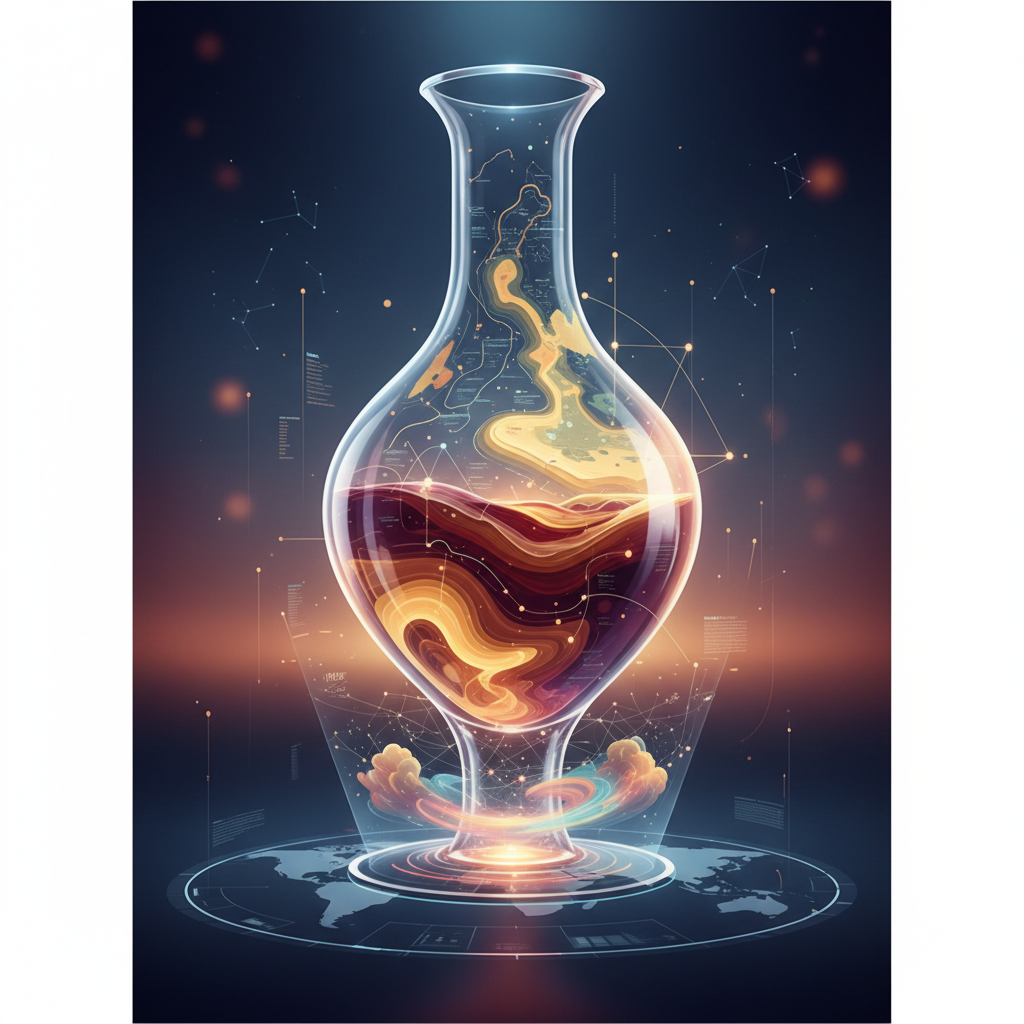
Beyond the physical attributes of a vineyard, vinous cartography also extends into the realm of sensory analysis, creating "flavor maps." These maps visually represent the aromatic and gustatory profiles associated with different regions, sub-regions, or even individual vineyards. This scientific approach to taste helps demystify the wine experience for consumers and provides objective data for producers.
Expert tasters, often guided by quantitative descriptive analysis (QDA), evaluate wines for a wide array of descriptors. These range from fruit and floral notes to earthy and mineral characteristics. These results are then correlated with the geographical and environmental data collected through traditional cartographic methods, building a comprehensive picture of a wine's identity. This integration is key to effective vinous cartography.
Sensory Data Collection Techniques
Modern approaches to flavor mapping employ sophisticated techniques, including:
- Panel Training: Highly trained sensory panels identify and quantify specific aroma and flavor attributes.
- Spectroscopy/Chromatography: Advanced lab techniques analyze chemical compounds responsible for aromas and flavors.
- Consumer Studies: Large-scale consumer preference mapping provides insights into market appeal.
By superimposing these flavor profiles onto geographical maps, we can visually grasp why a Syrah from the Northern Rhône might exhibit notes of black pepper and olive, while one from Barossa Valley leans towards blackberry and menthol. Clearly, this is the true essence of vinous cartography in action. For academic research on sensory science, the Institute of Food Technologists (IFT) offers a good starting point.
The Global Impact of Advanced Vinous Cartography in 2026
The sophisticated tools and analyses offered by advanced vinous cartography are having a profound impact across the global wine industry. From small, boutique vineyards to large-scale operations, the benefits are becoming increasingly clear. This isn't just about academic research; it's about practical applications that enhance quality, sustainability, and market understanding.
Sustainable Viticulture and Climate Change Adaption
With climate change posing significant challenges to wine regions worldwide, vinous cartography offers vital solutions. By meticulously mapping microclimates and predicting future conditions, winemakers can adapt their vineyard practices to mitigate risks like drought, extreme heat, or early frosts. This includes strategic planting of drought-resistant rootstocks or adjusting canopy management for sun exposure.
Precision viticulture, driven by detailed maps and data, also enables more efficient use of resources like water and fertilizers, leading to more sustainable farming practices. This focus on environmental stewardship is a cornerstone of responsible winemaking in 2026. Ultimately, the intelligence gathered through vinous cartography allows wineries to be proactive, not just reactive, to environmental shifts. The National Aeronautics and Space Administration (NASA) provides comprehensive data and research on global climate patterns, which are increasingly relevant to viticulture.
Market Differentiation and Consumer Engagement
For consumers, vinous cartography offers a deeper narrative behind each bottle. Labels or QR codes linked to detailed digital maps can provide transparent information about a wine's origin, viticultural practices, and even its specific flavor profile. This enhanced transparency builds trust and allows consumers to make more informed purchasing decisions.
Producers, in turn, can differentiate their wines by emphasizing the precise terroir aspects highlighted by their detailed maps. This becomes a powerful marketing tool, telling a unique story that resonates with educated wine drinkers who seek authenticity and quality. In a crowded global market, detailed vinous cartography helps a wine stand out significantly.
Conclusion: The Enduring Legacy of Vinous Cartography
As we navigate 2026, the art and science of vinous cartography continue to evolve at an astonishing pace. From its ancient origins of empirical observation to the current era of AI-driven predictive models and sensory mapping, this discipline is fundamentally transforming how we understand, produce, and appreciate wine. It provides an indispensable toolkit for winemakers striving for excellence and sustainability, and an enriching framework for consumers seeking a deeper connection to the wines they enjoy.
The future promises even greater precision, as technologies become more integrated and data sets grow richer. Ultimately, vinous cartography ensures that every sip can be traced back to its unique origin, celebrating the unparalleled character that only a specific place, meticulously understood and nurtured, can impart to a glass of wine. It's truly a journey of discovery, charting the invisible flavors that define our finest wines.
Written by
Juniper Thorne is an experienced writer and educator with a deep passion for the world of wine. Bringing expertise in sensory analysis and wine culture to the Greatest Wine platform, Juniper helps readers explore and appreciate every nuance of wine.
Related Articles

The Cellar Architects: Mastering Elite Wine Preservation and Evolution in 2026
For the true connoisseur, wine is more than just a beverage; it's a living entity, an investment, and a passion. Mastering its preservation and evolution is an art form, especially in 2026 with new technologies and insights. Learn how to protect and enhance your cherished collection.
Juniper Thorne