The Art of the Vinous Bioregion: Crafting Wines that Echo Their Unique Ecological Home in 2026
In 2026, the concept of the vinous bioregion is redefining viticulture. Moving beyond traditional terroir, this holistic approach focuses on the intricate connection between wines and their specific ecological homes, emphasizing sustainable practices and unique regional expressions. Discover how winemakers are embracing this philosophy to create wines that truly reflect their origins.


The Art of the Vinous Bioregion: Crafting Wines that Echo Their Unique Ecological Home in 2026
In the vibrant and ever-evolving world of viticulture, a profound appreciation for terroir has always been central. However, a concept that is gaining significant traction and redefining how we understand wine is the vinous bioregion. This holistic approach moves beyond traditional political boundaries and even basic terroir definitions, focusing instead on the interconnected ecological systems that shape a wine's character. In 2026, winemakers and connoisseurs alike are increasingly recognizing the invaluable role of a wine's specific bioregion in crafting wines that are not just good, but truly authentic reflections of their unique ecological home. This nuanced perspective builds upon discussions around the Art of the Vinous Anthropocene, acknowledging humanity's impact while striving for ecological harmony.
Understanding the Essence of a Vinous Bioregion
What exactly defines a vinous bioregion? It's more than just soil, climate, and topography. It encompasses the entire natural ecosystem: the native flora and fauna, the microbial life in the soil, the water cycles, the prevailing wind patterns, and even the historical human interactions with the land. These complex layers interact to create a distinctive environmental signature that profoundly influences the vine and, consequently, the wine. Some might even explore the cosmic influences on terroir, linking macro-level phenomena to micro-level expressions.
Modern viticulture, especially in 2026, is embracing this concept by moving towards regenerative farming practices that actively foster biodiversity and ecological balance within the vineyard. This ensures that the vineyard itself becomes a thriving part of its surrounding vinous bioregion, leading to more resilient vines and wines with enhanced depth and expression.
Beyond Terroir: A Deeper Dive
While terroir traditionally focuses on the physical geography and climate, the vinous bioregion broadens this perspective considerably. It acknowledges that the quality and character of wine are not solely dependent on geological formations or weather patterns, but also on the vibrant microbial communities in the soil, the presence of specific pollinators, and the overall health of the local ecosystem. This integrated view allows for a more nuanced understanding of how a wine's unique identity is forged.
For instance, the presence of native cover crops or surrounding forests can influence humidity, attract beneficial insects, and contribute to the organic matter in the soil, all of which are critical components of a thriving vinous bioregion. Winemakers are actively studying these interactions to better understand and leverage them. This deep dive into environmental factors sometimes leads to a precise molecular terroir analysis, unlocking the chemical fingerprint of wine.
The Role of Biodiversity in Wine Quality
Biodiversity is a cornerstone of any healthy bioregion, and its impact on wine quality is increasingly well-documented. A diverse ecosystem within and around the vineyard provides natural pest control, improves soil structure, and contributes a wider array of nutrients to the vines. These factors translate into healthier grapes with more complex flavor precursors, leading to wines with greater aromatic intensity and structural complexity, truly reflecting the essence of the vinous bioregion.
- Soil Microbes: A rich diversity of fungi and bacteria in the soil enhances nutrient uptake for the vines and contributes to distinctive mineral notes in the wine.
- Native Flora: Local plant species can protect against erosion, provide habitat for beneficial insects, and even impart subtle aromatic qualities to the grapes through airborne interactions.
- Wildlife Corridors: Maintaining natural pathways for local wildlife helps create a balanced ecosystem, reducing the need for chemical interventions.
Crafting Wines that Speak of Their Vinous Bioregion
The transition from conventional viticulture to practices that honor the vinous bioregion is a significant undertaking, but the rewards are profound. Winemakers are becoming stewards of their land, actively working to enhance the ecological integrity around their vineyards. This involves a commitment to sustainable and often regenerative farming methods, minimal intervention in the cellar, and a deep respect for the natural rhythms of the land.
The goal is to produce wines that are not just excellent, but that possess an undeniable sense of place—wines that, with every sip, tell the story of their specific ecological origin. This philosophy resonates deeply with consumers in 2026, who are increasingly seeking authenticity and sustainability in their purchases. This pursuit of authenticity also involves a revival of nearly extinct local grape varieties, fostering a "Vinous Renaissance."
Regenerative Viticulture and the Bioregional Approach
Regenerative viticulture, a leading trend in 2026, perfectly aligns with the principles of the vinous bioregion. This approach goes beyond sustainability by actively seeking to improve the health of the soil and the surrounding ecosystem. Practices include no-till farming, planting diverse cover crops, integrating livestock, and creating wildlife habitats. By nurturing the soil and biodiversity, winemakers are building more resilient vineyards that express their unique bioregional characteristics with greater clarity.
The focus is on creating a self-sustaining system where the vine thrives without excessive external inputs, allowing the natural expression of the grape and the land to shine through in the final wine.
Minimal Intervention Winemaking
To truly capture the essence of a vinous bioregion, winemakers often adopt a philosophy of minimal intervention in the cellar. This means allowing the natural fermentation process to unfold, using indigenous yeasts, and avoiding excessive fining, filtration, or the addition of synthetic chemicals. The belief is that the less manipulated the wine, the more authentically it expresses its source.
This approach requires skill, patience, and a deep understanding of winemaking, but it ultimately results in wines that are vibrant, complex, and a true reflection of their unique ecological fingerprint.
Notable Vinous Bioregions and Their Distinctive Wines in 2026
Across the globe, various wine regions are exemplifying the concept of the vinous bioregion, producing wines that are instantly recognizable for their unique ecological signatures. These regions often share specific climatic conditions, soil types, and, crucially, a rich tapestry of biodiversity that contributes to their distinctive character.
Consider the interplay of maritime influences, ancient geological formations, and unique native flora found in certain coastal wine regions. These elements combine to create a microclimate and soil profile that imbues their wines with saline notes and a crisp minerality rarely found elsewhere. Conversely, vineyards nestled in high-altitude, volcanic landscapes often yield wines with a distinct smoky quality and robust structure, reflecting a different set of bioregional influences. For a deeper understanding of these influences, resources like National Geographic on Biodiversity offer valuable insights into the ecological complexity that shapes these unique environments.
Old World Terroirs Embracing Bioregionalism
In traditional wine-producing countries, there's a renewed focus on honoring the historical ecological balance. Regions like Burgundy and certain areas of Piedmont, already renowned for their terroir, are further refining their practices to align with bioregional principles. This involves a deeper understanding of forest management around vineyards, water conservation, and fostering local insect populations.
The aim is to enhance the unique 'climat' or 'cru' by consciously working with the entire surrounding ecosystem, not just the vine itself. This ensures that the wines continue to truly represent their specific piece of land for generations to come, adapting to climate shifts by strengthening the natural resilience of the vinous bioregion. This also speaks to the enduring influence of historic climate shifts on Old Vine Wines.
Emerging Bioregions in the New World
New World wine regions are also making significant strides in defining their own vinous bioregion identities. Areas in the Pacific Northwest of the USA, certain valleys in Chile, and specific cool-climate zones in Australia are actively researching and implementing practices to understand and amplify their unique ecological characteristics. These efforts are leading to the development of highly distinctive wines that capture the essence of these relatively newer wine-producing areas.
For example, the distinct eucalyptus notes found in some Australian wines are a direct result of the native flora within their specific bioregion, a characteristic that winemakers are now intentionally cultivating and expressing rather than trying to mitigate.
The Future of Wine: Embodying the Vinous Bioregion
As we navigate through 2026 and beyond, the concept of the vinous bioregion will become increasingly pivotal in shaping the future of wine. It represents a philosophical shift, moving winemaking further towards a truly holistic and ecological understanding.
This evolving perspective benefits not only the environment but also the consumer, offering wines that are more authentic, expressive, and deeply connected to their origins. The pursuit of the perfect wine now inextricably linked to the health and vitality of its unique ecological home.
Winemakers who embrace this approach are becoming true guardians of their land, creating legacies that extend far beyond the bottle—crafting wines that are not just beverages, but liquid narratives of their unique ecological environments. This journey mirrors the quest for mindfulness through wine, encouraging a deeper connection to the source.
Consumer Demand for Authentic, Bioregional Wines
In 2026, consumers are more informed and conscientious than ever before. There is a growing demand for products that are sustainably produced, ethically sourced, and carry a compelling story. Wines that genuinely express their vinous bioregion perfectly fit this trend. Buyers are willing to pay a premium for wines that offer transparency, reflect environmental stewardship, and provide a unique tasting experience tied to a specific place.
This shift in consumer preference is driving more winemakers to explore and commit to bioregional practices, further solidifying its importance in the global wine market. A report by Wine Institute, updated in late 2025, highlights growing consumer interest in sustainable and origin-specific wines.
Innovations in Research and Technology
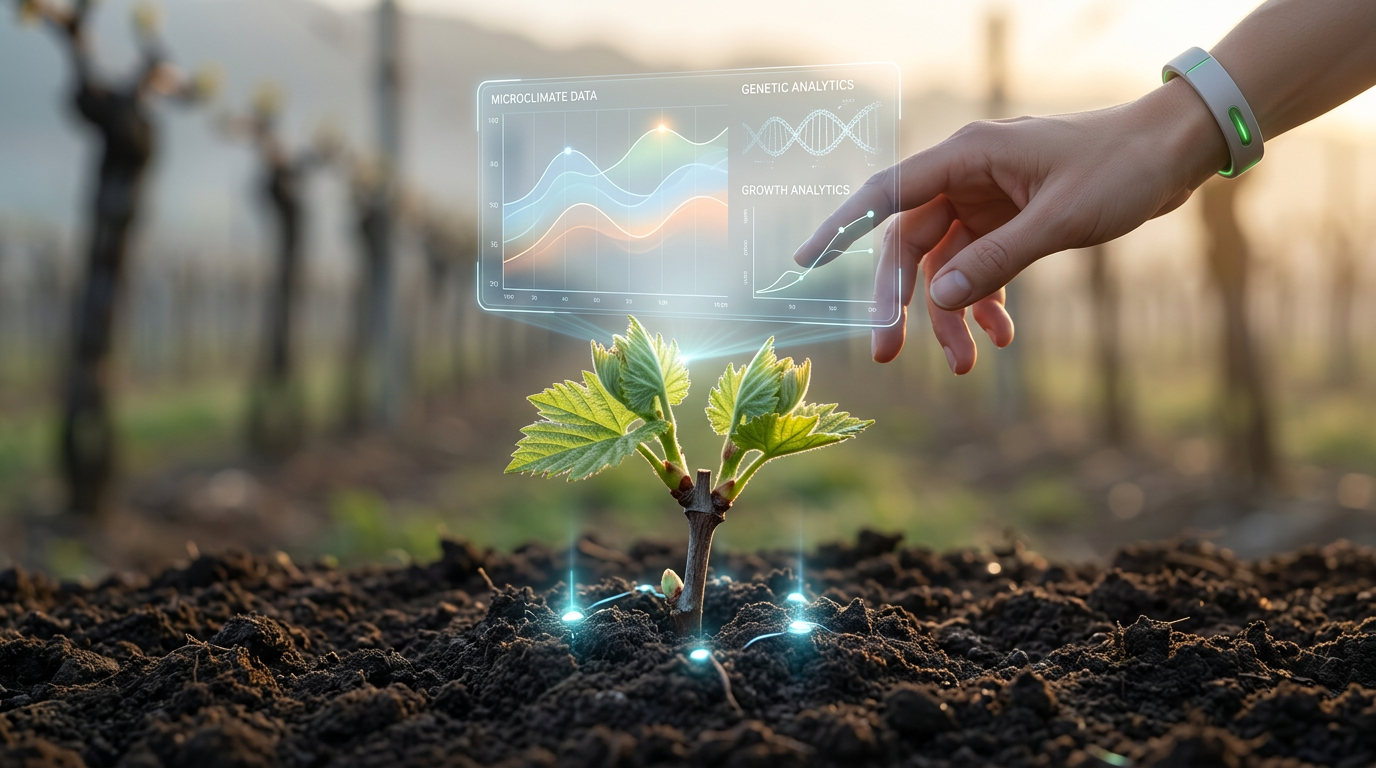
Advancements in scientific research and viticultural technology are also playing a crucial role in understanding and optimizing the vinous bioregion. DNA sequencing of soil microbes, advanced climate modeling, and sophisticated remote sensing technologies are providing winemakers with unprecedented insights into the intricate dynamics of their ecosystems. This data-driven approach supports more precise and effective bioregional management strategies.
These tools allow winemakers to make informed decisions that enhance biodiversity, improve soil health, and adapt to environmental challenges, ultimately leading to wines that are more resilient and more faithfully express their unique origin. Further research into bioregional agriculture is often published by academic institutions, such as the UC Davis Viticulture & Enology program, offering cutting-edge insights for 2026 and beyond.
Written by
Juniper Thorne is an experienced writer and educator with a deep passion for the world of wine. Bringing expertise in sensory analysis and wine culture to the Greatest Wine platform, Juniper helps readers explore and appreciate every nuance of wine.
Related Articles

The Cellar Architects: Mastering Elite Wine Preservation and Evolution in 2026
For the true connoisseur, wine is more than just a beverage; it's a living entity, an investment, and a passion. Mastering its preservation and evolution is an art form, especially in 2026 with new technologies and insights. Learn how to protect and enhance your cherished collection.
Juniper Thorne