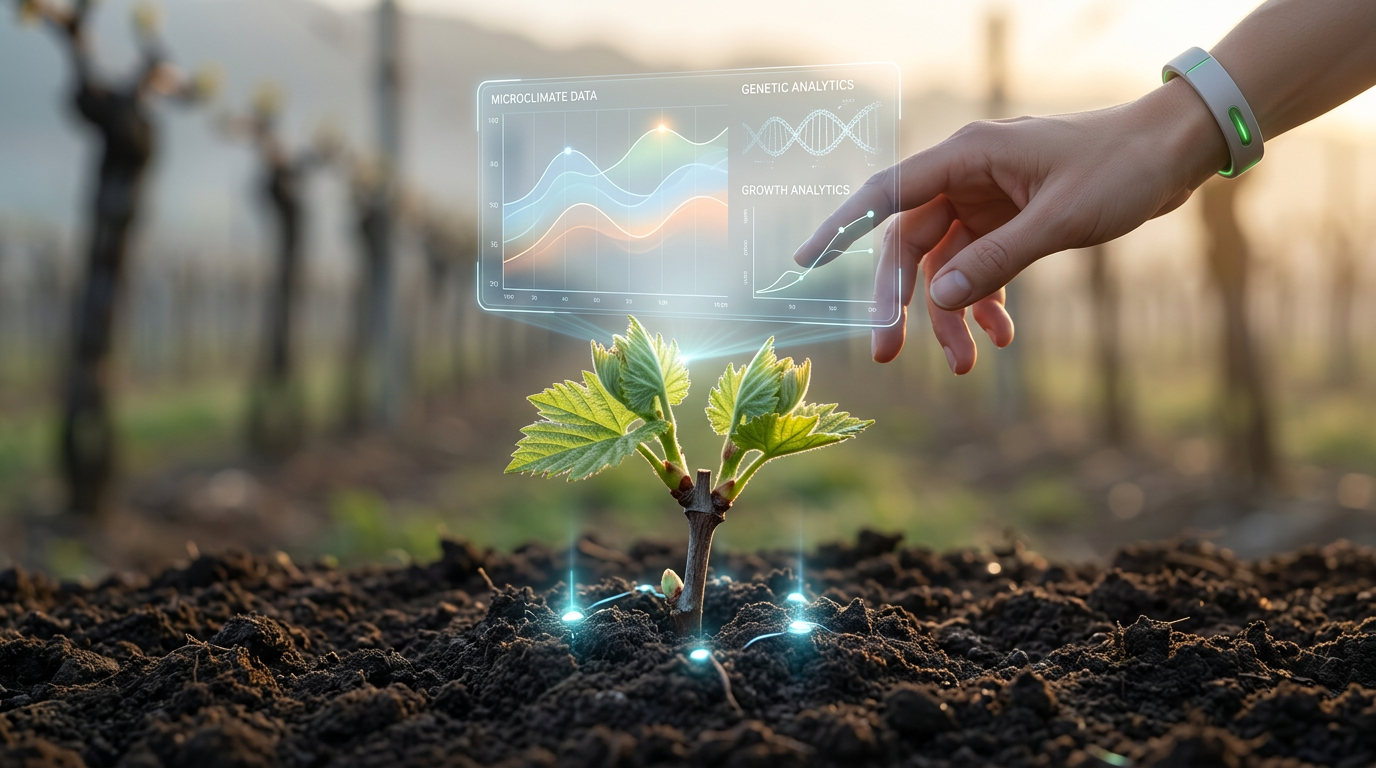
The Art of the 'Vinous Biopsy': Unveiling the Microscopic Narratives of Pre-Fermentation Grapes in 2026
In 2026, the 'vinous biopsy' stands out as a critical tool for winemakers, offering unparalleled microscopic insights into grape ripeness and health before fermentation. This specialized examination helps unlock the full potential of the fruit, merging science with winemaking artistry.


The Art of the 'Vinous Biopsy': Unveiling the Microscopic Narratives of Pre-Fermentation Grapes in 2026
In the intricate world of winemaking, where science meets artistry, the concept of a vinous biopsy has emerged as a critical tool for understanding the foundational elements of quality wine. This specialized examination, performed on grape samples prior to fermentation, offers unparalleled insights into the physiological ripeness, health, and potential of the fruit. In 2026, as climate change continues to influence viticulture and winemaking practices, the precision offered by a vinous biopsy is more vital than ever, guiding vintners in making crucial decisions that shape the vintage's character.
The practice of a vinous biopsy is a testament to the ever-refining techniques in viticulture, akin to other precision methods like The Art of the 'Vinous Micro-Sculptor': How Precision Pruning Shapes 2026's Ultra-Premium Wine Character, which focuses on optimizing vine health and fruit development at a micro-level.
What is a Vinous Biopsy and Why is it Essential?
A vinous biopsy is essentially a detailed microscopic and chemical analysis of grape samples, meticulously collected from the vineyard at various stages leading up to harvest. Unlike traditional Brix measurements or pH readings, which offer broad indicators, a vinous biopsy delves into the cellular level, assessing aspects such as cell wall integrity, phenolic development in skins and seeds, and the presence of microflora. This sophisticated diagnostic approach provides a holistic picture of grape maturity beyond simple sugar accumulation.
The global wine industry in 2026 faces numerous challenges, from unpredictable weather patterns to evolving consumer preferences for specific wine styles. In this dynamic environment, relying solely on historical data or generalized observations is no longer sufficient. The precision afforded by a vinous biopsy allows winemakers to anticipate potential issues, optimize harvest timing, and ultimately craft wines that genuinely reflect their terroir and varietal characteristics.
For more on how winemakers are embracing innovation, read about The Art of the 'Vinous Micro-Biome': Crafting Terroir Through Engineered Yeast and Bacterial Cultures in 2026.
The Science Behind the Vinous Biopsy
- Microscopic Analysis: Examination of cell size, vacuole integrity, and the development of phenolic compounds within grape skins and seeds. This reveals insights into extraction potential and potential astringency.
- Chemical Profiling: Detailed analysis of various acids (tartaric, malic, citric), nitrogen compounds, and key aromatic precursors that will define the wine's bouquet.
- Tannin Polymerization: Understanding the degree of tannin polymerization in seeds and skins is crucial for managing mouthfeel and age-worthiness, a key aspect uncovered by a thorough vinous biopsy.
- Microbial Assessment: Identification of indigenous yeasts and bacteria present on the grape surface, which can significantly influence spontaneous fermentation profiles and potential wine faults.
Performing a Successful Vinous Biopsy: Techniques and Considerations
The efficacy of a vinous biopsy hinges on the meticulous collection and preparation of samples. It's not simply about grabbing a handful of grapes; rather, it requires a strategic approach to ensure representative data. Winemakers often work with viticulturists to identify specific blocks or even individual vines for sampling, taking into account sun exposure, soil variations, and vine vigor.
Sampling should occur regularly as harvest approaches, allowing for a dynamic assessment of grape evolution. Consistency in the sampling method and equipment is paramount to avoid introducing variables that could skew the results. For example, ensuring samples are transported quickly and kept at appropriate temperatures prevents degradation before analysis. A precise vinous biopsy relies on these careful steps.
Key Steps in the Vinous Biopsy Process:
- Strategic Site Selection: Identifying specific areas within the vineyard for consistent sampling, often correlating with different soil types or clonal variations.
- Representative Sampling: Collecting grapes from various parts of the vine (exposed vs. shaded, top vs. bottom clusters) and across multiple vines within the selected area to ensure statistical significance.
- Careful Transportation: Samples are immediately placed into airtight containers and kept cool to preserve their integrity until they reach the laboratory.
- Laboratory Analysis: This is where the true vinous biopsy takes place, involving skilled technicians using specialized equipment for microscopic examination and chemical assays.
- Data Interpretation: Translating the raw data into actionable insights for the winemaking team.
The Impact of Vinous Biopsy on Winemaking Decisions in 2026
The information gleaned from a vinous biopsy directly influences some of the most critical decisions in the winery. Far beyond simply determining "when to pick," it informs choices regarding maceration times, fermentation temperatures, oxygen management, and even the selection of specific yeast strains. This proactive diagnostic approach minimizes guesswork and allows for a more controlled and intentional winemaking process.
For instance, if a vinous biopsy reveals underdeveloped tannins despite high sugar levels, a winemaker might opt for a longer cold soak or a gentler extraction technique to prevent harshness. Conversely, robust phenolic development might indicate the potential for extended maceration without excessive bitterness. In 2026, with the growing emphasis on precise winemaking and minimal intervention, understanding these subtle cues from the grape is invaluable.
The insights from a vinous biopsy also help in cultivating unique characteristics, much like the efforts described in The Art of the Vinous Symbiote: Cultivating Co-Fermentation for 2026's Complex Wine Expressions, where careful management of elements leads to complex profiles.
Decision-Making Domains Influenced by Vinous Biopsy:
- Optimal Harvest Timing: Moving beyond sugar ripeness to encompass phenolic and physiological maturity.
- Maceration Strategy: Tailoring skin contact time and temperature based on skin and seed structure.
- Enzyme and Yeast Selection: Choosing specific enzymes to aid extraction or yeast strains suited for the grape's nutritional profile.
- Fermentation Parameters: Adjusting temperature curves and pump-over regimes to manage extraction and maintain aromatic purity, all guided by the early insights from the vinous biopsy.
- Quality Assurance: Identifying potential issues like unripe seeds or fungal presence that could impact final wine quality, allowing for intervention or segregation of lots.
Future Trends and Accessibility of Vinous Biopsy Technology
While historically associated with high-end, technologically advanced wineries, the accessibility of vinous biopsy techniques is expanding in 2026. Advancements in portable analytical equipment and more streamlined laboratory services are making this sophisticated diagnostic tool available to a broader range of producers. Furthermore, artificial intelligence and machine learning are beginning to play a role in interpreting the complex data generated, offering predictive insights and further enhancing the value of each vinous biopsy.
The integration of drone technology with hyperspectral imaging is another exciting development. These drones can provide a macroscopic "biopsy" of the entire vineyard, identifying areas of stress or differing ripeness that can then be targeted for detailed individual vine vinous biopsy. This multi-layered approach ensures that winemakers gain both broad and specific understandings of their vineyards.
For a deeper dive into the technological advancements impacting viticulture, the International Organisation of Vine and Wine (OIV) provides regular updates on research and trends. Insights from a Vinous Oracle predicting future trends suggest that precision viticulture, including advanced diagnostics like the vinous biopsy, will become standard practice across all segments of the wine industry by 2026.
As the wine world continues to evolve, embracing precision viticulture and winemaking will be paramount. The vinous biopsy stands at the forefront of this evolution, offering the microscopic narrative essential for crafting exceptional wines that truly tell the story of their terroir and vintage. For more on the science behind grape development, explore resources from leading agricultural institutions like the UC Davis Department of Viticulture and Enology, which continues to publish groundbreaking research in this field. Additionally, understanding broader agricultural innovations, such as those discussed by the Food and Agriculture Organization of the United Nations (FAO), can offer context on sustainable practices that underpin advanced viticultural techniques.
Written by
Juniper Thorne is an experienced writer and educator with a deep passion for the world of wine. Bringing expertise in sensory analysis and wine culture to the Greatest Wine platform, Juniper helps readers explore and appreciate every nuance of wine.
Related Articles

The Cellar Architects: Mastering Elite Wine Preservation and Evolution in 2026
For the true connoisseur, wine is more than just a beverage; it's a living entity, an investment, and a passion. Mastering its preservation and evolution is an art form, especially in 2026 with new technologies and insights. Learn how to protect and enhance your cherished collection.
Juniper Thorne