The Art of the 'Vinous Micro-Sculptor': How Precision Pruning Shapes 2026's Ultra-Premium Wine Character
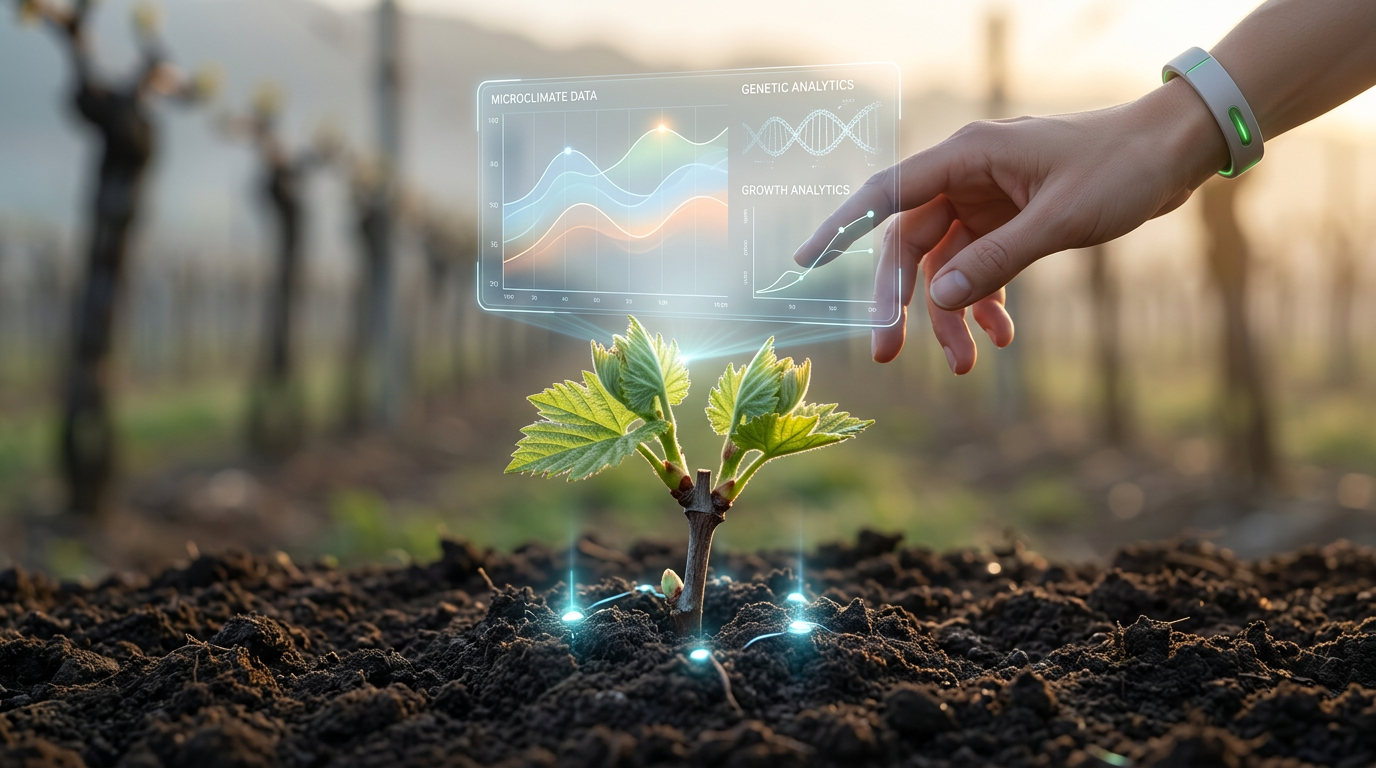
In 2026, the secret to ultra-premium wine character lies not just in terroir, but in the meticulous art of precision pruning. Discover how skilled viticulturists, acting as 'vinous micro-sculptors,' meticulously shape each vine to optimize fruit quality, concentrating flavors, and aromas for an unparalleled expression in the glass. This detailed approach is crucial for achieving the depth and complexity demanded by today's discerning wine enthusiasts.

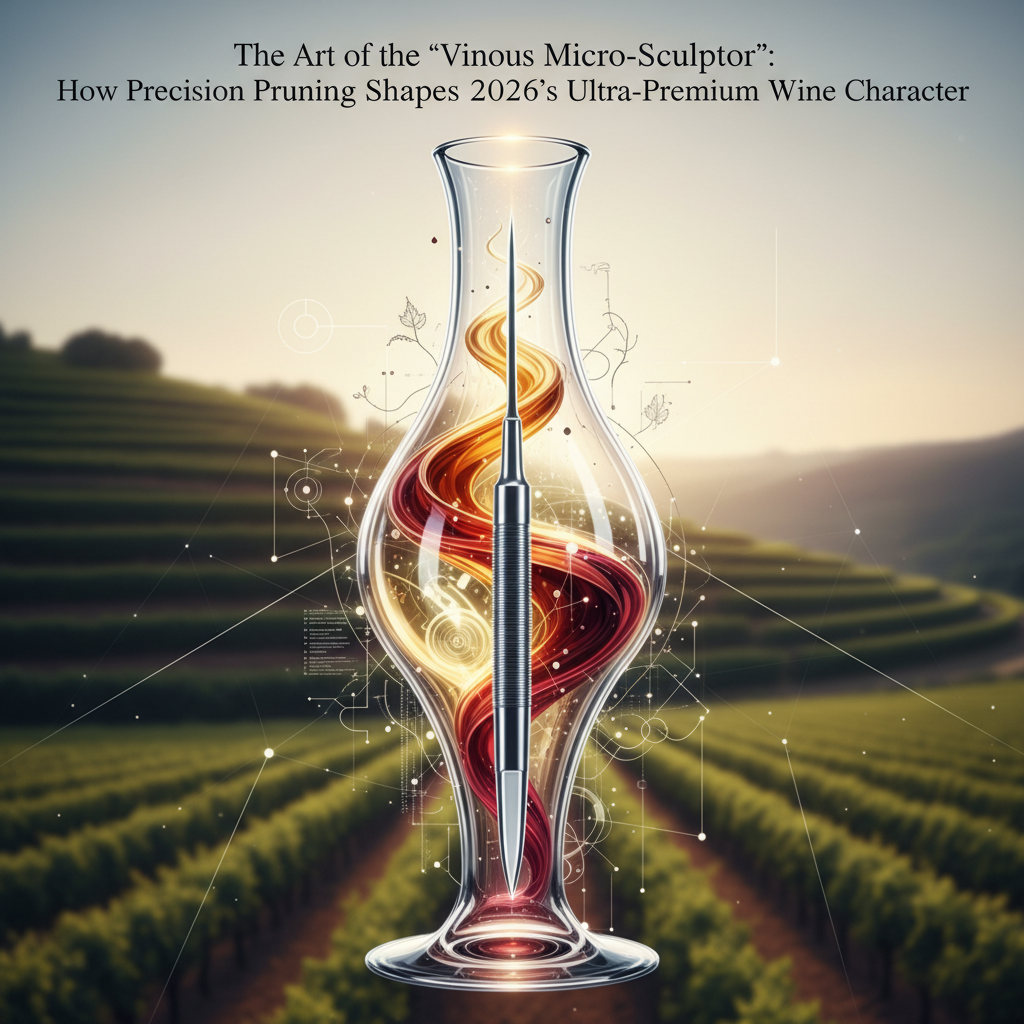
The Art of the 'Vinous Micro-Sculptor': How Precision Viticulture Shapes 2026's Ultra-Premium Wine Character
In the world of ultra-premium winemaking, every decision intricately weaves into the final character of a wine. As we navigate 2026, the concept of the 'vinous micro-sculptor' is more relevant than ever, especially when discussing advanced vineyard management. Central to this meticulous approach is precision viticulture, an overarching philosophy that leverages technology and detailed observation to optimize vineyard health and fruit quality. This sophisticated method allows vintners to make informed, site-specific decisions, ensuring each vine contributes its utmost to the wine's depth and complexity.
Understanding the Core Principles of Precision Viticulture
Precision viticulture is not just a buzzword; it's a paradigm shift in how vineyards are managed. It moves beyond traditional, uniform approaches to embrace variability within a vineyard block. By understanding these subtle differences, growers can apply targeted interventions. This leads to healthier vines and superior grapes, which is the essence of effective precision viticulture.
This approach involves a holistic view of the vineyard ecosystem. Every factor, from soil composition to microclimates, is analyzed in detail. The goal is to maximize the potential of individual vines and specific vineyard zones. For a deeper dive into how individual elements contribute to a greater whole, learn more about The Art of the 'Vinous Gestalt': Understanding Wine as More Than the Sum of Its Parts in 2026.
Data-Driven Decision Making in Viticulture for Precision Viticulture
- Remote Sensing: Satellites and drones with multispectral cameras capture imagery. This provides insights into vine vigor, water stress, and nutrient deficiencies across the vineyard, crucial for precision viticulture.
- Ground-Based Sensors: Soil moisture probes, sap flow sensors, and weather stations deliver real-time data. This enables immediate adjustments to irrigation and canopy management, key aspects of precision viticulture.
- GIS Mapping: Geographic Information Systems (GIS) integrate all collected data. They create detailed maps that highlight variations and pinpoint areas requiring specific attention. These maps are invaluable for understanding the heterogeneous nature of vineyard blocks. Discover more about how indigenous knowledge, often tied to site-specific understanding, is being woven into modern practices in The Art of the Vinous Tapestry: Weaving Indigenous Knowledge and Climate Resilience into Wine in 2026.
Optimizing Resource Allocation for Vineyards with Precision Viticulture
With precise data at their fingertips, winemakers can allocate resources more efficiently. This means applying water only where needed, fertilizing specific zones, and tailoring canopy management practices to individual vine requirements. Consequently, the economic and environmental benefits are substantial, making precision viticulture a sustainable choice. For broader insights into smart resource management, consider exploring the Vinous Micro-Biome: Crafting Terroir Through Engineered Yeast and Bacterial Cultures.
The Micro-Sculpting Art of Precision Pruning in Precision Viticulture
Pruning is arguably the most impactful annual operation in the vineyard. It essentially "sculpts" the vine for the upcoming vintage. When integrated with precision viticulture, pruning transforms from a routine task into a highly strategic operation. This meticulous, individualized approach to vine shaping defines the 'vinous micro-sculptor'.
This nuanced form of pruning aims to establish the perfect balance between vegetative growth and fruit production. It directly influences the grape cluster architecture, berry size, and ultimately, the concentration of flavors and aromas in the finished wine. In 2026, advanced techniques and technologies are making this aspect of precision viticulture more precise than ever.
Winter Pruning: Setting the Stage for Quality in Precision Viticulture
During dormancy, winter pruning dictates the vine's framework for the entire growing season. Precision at this stage means selecting the optimal number and position of canes or spurs. Considerations include:
- Bud Load: Determining the ideal number of buds per vine to achieve desired yield and fruit quality. This prevents overcropping or undercropping, a core principle of precision viticulture.
- Cane/Spur Selection: Choosing healthy, well-placed canes or spurs that will produce balanced growth and good light exposure.
- Vine Balance: Ensuring a harmonious relationship between the vine's root system and its potential fruit load.
Green Pruning (Summer Pruning): Fine-Tuning the Canopy with Precision Viticulture
As the growing season progresses, green pruning techniques further refine the vine's canopy. These practices are critical for controlling light penetration, air circulation, and moisture levels within the fruit zone. Precision here includes:
- Shoot Thinning: Removing excess shoots to reduce competition, improve light exposure, and enhance air circulation around developing clusters.
- Leaf Removal (Defoliation): Strategically taking off leaves around the fruit to increase sunlight exposure. This aids in phenolic ripeness and reduces disease pressure.
- Lateral Removal: Managing secondary shoots to prevent shading and maintain an open canopy structure.
Technological Enablers for Enhanced Precision Viticulture and Pruning
The pace of technological advancement in viticulture is accelerating. This empowers vintners with unprecedented capabilities. These tools are indispensable for implementing true precision viticulture strategies in 2026 and beyond.
From robotic assistance to advanced imaging, technology is transforming traditional vineyard practices. These innovations don't replace human expertise but augment it, allowing for more data-driven and efficient decisions across the vineyard, further enhancing precision viticulture. For a closer look at how technology is predicting future trends, see The Art of the 'Vinous Oracle': Predicting Future Wine Trends and Consumer Palates in 2026.
Robotics and Automation in Pruning for Precision Viticulture
While fully autonomous pruning remains a cutting-edge research area, semi-automated systems are gaining traction. These systems can:
- Analyze Vine Architecture: Use computer vision to assess vine structure and identify optimal pruning points.
- Assist Manual Pruning: Provide guidance to human operators, highlighting where to make cuts based on pre-programmed parameters.
- Perform Specific Tasks: Automate repetitive tasks like shoot thinning or leaf removal with high accuracy, reducing labor costs and improving consistency, all part of advanced precision viticulture. Further insights into viticultural robotics can be found in this review on robotics in viticulture.
Advanced Imaging and Spectrometry for Vine Health in Precision Viticulture
Hyperspectral and thermal imaging, often deployed by drones, offer detailed insights into vine health and stress levels. These technologies can:
- Detect Early Stress: Identify water stress or nutrient deficiencies long before they are visible to the naked eye. This allows for proactive intervention, a cornerstone of precision viticulture.
- Map Phenolic Development: In advanced applications, some spectral analysis can provide indications of anthocyanin and tannin development within grape skins. This guides decisions on green harvest or specific pruning adjustments.
The Impact of Precision Viticulture on 2026's Ultra-Premium Wine Quality
The cumulative effect of applying precision viticulture, especially through precision pruning, is a profound elevation of wine quality. For ultra-premium wines in 2026, this translates into greater complexity, balance, and expression of terroir. The 'vinous micro-sculptor' is truly crafting liquid art through dedicated precision viticulture.
This meticulous approach ensures that each grape receives optimal conditions for development. This leads to wines with distinct character. The focus on individual vine health results in more uniform ripening and highly concentrated fruit, a direct benefit of precision viticulture.
Enhanced Aromatic Complexity and Flavor Concentration via Precision Viticulture
By precisely managing canopy density and light exposure, vintners can optimize the synthesis of aromatic compounds and phenolic precursors in the grapes. This leads to wines with:
- Richer, more nuanced aromas and flavors.
- Greater depth and intensity on the palate.
- A more accurate reflection of the vineyard's unique terroir.
Improved Tannin Structure and Phenolic Ripeness with Precision Viticulture
Precision pruning, particularly leaf removal, plays a crucial role in exposing grape clusters to appropriate sunlight. This exposure is vital for the polymerization of tannins and the development of phenolic ripeness. Consequently, this contributes to:
- Softer, more integrated tannins.
- A smoother mouthfeel and extended finish.
- Enhanced age-worthiness of the wines.
Greater Consistency and Expression of Terroir through Precision Viticulture
By addressing the unique needs of each vine and specific vineyard zones, precision viticulture minimizes variability within a block. This results in more consistent grape quality and a clearer expression of the site's unique characteristics. This unwavering commitment to quality truly sets ultra-premium wines apart in 2026.
Conclusion: The Future of Winemaking is Precise with Precision Viticulture
As we journey through 2026, the commitment to precision viticulture is clearly defining the pinnacle of winemaking. The 'vinous micro-sculptor' embodies the blend of ancient wisdom and modern technology. This approach harnesses data to make incredibly specific, impactful decisions in the vineyard. For a global perspective on how winemakers are embracing innovation, read this report on precision viticulture adoption.
From the foundational cuts of winter pruning to the nuanced canopy adjustments of summer, every action is carefully considered. The goal is always to optimize the vine's health and the grape's quality. This meticulous attention to detail ensures that every bottle of ultra-premium wine is a testament to the artistry and scientific rigor applied in the vineyard. The results are wines of unparalleled character, complexity, and a profound sense of place, setting a new standard for excellence in the global wine industry, all thanks to precision viticulture.
Written by
Juniper Thorne is an experienced writer and educator with a deep passion for the world of wine. Bringing expertise in sensory analysis and wine culture to the Greatest Wine platform, Juniper helps readers explore and appreciate every nuance of wine.
Related Articles

The Cellar Architects: Mastering Elite Wine Preservation and Evolution in 2026
For the true connoisseur, wine is more than just a beverage; it's a living entity, an investment, and a passion. Mastering its preservation and evolution is an art form, especially in 2026 with new technologies and insights. Learn how to protect and enhance your cherished collection.
Juniper Thorne