The Art of the Vinous Alchemists: Transforming 'Problem' Grapes into 2026's Unexpected Treasures
In 2026, a captivating trend known as 'vinous alchemy' is revolutionizing winemaking. This innovative practice focuses on transforming often-overlooked or challenging grape varietals into wines of exceptional character and quality, adapting to climate change and evolving consumer tastes. Learn how these 'problem' grapes become unexpected treasures.

The Art of the Vinous Alchemists: Transforming 'Problem' Grapes into 2026's Unexpected Treasures
In the evolving world of winemaking, a fascinating transformation is taking place – the practice of vinous alchemy. This isn't about turning lead into gold, but rather about turning often overlooked or challenging grape varietals into wines of exceptional character and quality. In 2026, as climate change continues to impact traditional wine regions and consumer palates become more adventurous, the ingenuity of winemakers is shining through, revealing unexpected treasures from grapes once deemed "problematic." This deep dive explores how modern winemakers are embracing innovation to craft extraordinary wines.
The Renaissance of "Underdog" Grapes through Vinous Alchemy
For centuries, the wine world has largely focused on a handful of noble grape varieties. Cabernet Sauvignon, Chardonnay, Pinot Noir, and Merlot have long dominated vineyards and wine lists. However, a quiet revolution is underway, championed by winemakers who see potential where others see pitfalls.
These "underdog" grapes, often indigenous to specific regions or struggling in changing climates, are now finding their moment in the spotlight. Winemakers are employing cutting-edge techniques and a profound understanding of viticulture and enology to unlock their hidden potential. The result is a diverse array of unique and compelling wines that challenge conventional expectations. For more on this, explore The Art of the Vinous Renaissance: Reviving Nearly Extinct Local Grape Varieties for 2026's Authentic Terroir.
- Embracing Biodiversity: Rather than solely relying on international varieties, many producers are reinvesting in local, lesser-known grapes that are often more resilient to local conditions.
- Climate Change Adaptation: As temperatures rise, historically cool-climate grapes may struggle, while some "problem" grapes, often from warmer climes, are proving to be more robust and sustainable. Recent studies by the International Organisation of Vine and Wine (OIV) highlight the increasing importance of heat-resistant varieties in 2026.
- Consumer Curiosity: Modern wine enthusiasts are increasingly seeking out novel experiences and unique flavor profiles, driving demand for these unconventional wines. You can delve deeper into consumer behavior in The Art of the 'Cognitive Corkscrew': Understanding Consumer Psychology in Wine Purchasing Decisions for 2026.
Defining "Problematic" Grapes in 2026
What exactly makes a grape "problematic"? It can be a combination of factors:
- Viticultural Challenges: Grapes prone to disease, difficult to ripen consistently, or requiring extensive manual labor in the vineyard.
- Enological Difficulties: Varietals that present fermentation challenges, oxidative tendencies, or issues achieving balance in the cellar without significant intervention.
- Market Perception: Grapes that lack historical prestige, brand recognition, or are perceived as producing lower-quality wines by the mainstream market.
However, through the artistry of vinous alchemy, these challenges are being transformed into distinctive characteristics loved by connoisseurs.
Innovative Viticulture: The Foundation of Modern Vinous Alchemy
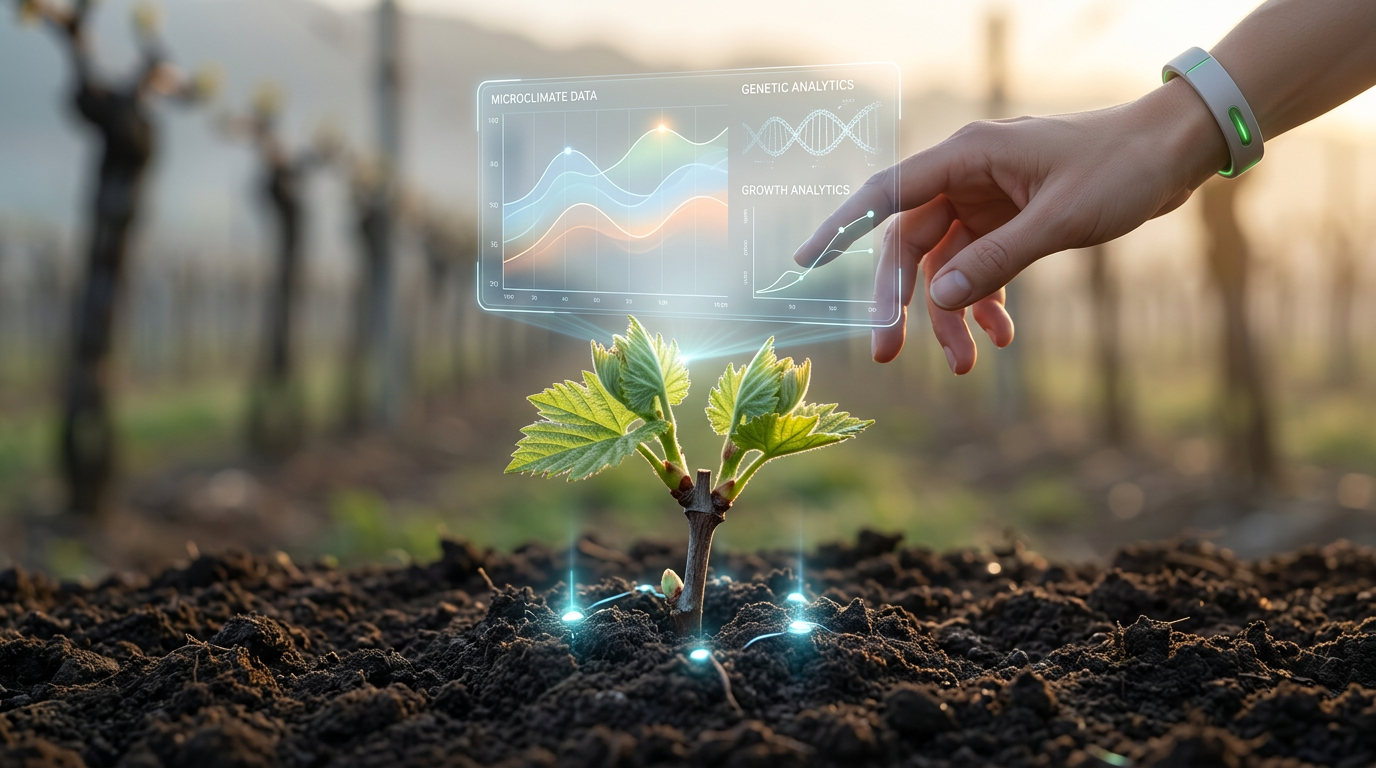
The transformation of challenging grapes begins in the vineyard. Modern viticultural practices are paramount in coaxing the best out of these varietals. This isn't just about planting; it's about precision farming, canopy management, and soil health.
Winemakers are adopting advanced techniques to mitigate issues like uneven ripening, disease susceptibility, and extreme weather events. This holistic approach ensures that even the most finicky grapes can thrive and develop optimal characteristics.
- Precision Viticulture: Utilizing drone technology and soil sensors to monitor vineyard health and apply targeted interventions, optimizing water and nutrient uptake. For insights into future viticulture, the Decanter website often features articles on cutting-edge vineyard technology.
- Clonal Selection: Identifying and propagating specific clones of a varietal that exhibit better performance in local conditions, enhancing disease resistance and fruit quality.
- Organic and Biodynamic Practices: Improving soil vitality and vine resilience naturally, which can be particularly beneficial for grapes prone to stress.
Case Study: Revitalizing Ancient Grapes
Across Europe and beyond, ancient grape varietals are being rediscovered. In parts of Italy, for instance, nearly forgotten grapes like Pallagrello Bianco or Susumaniello are being replanted and meticulously cultivated. These grapes, often showcasing unique genetic diversity, are proving surprisingly adaptable to current climate shifts, offering exciting new flavor profiles that differ significantly from mainstream offerings. This commitment to heritage is a key element of modern vinous alchemy. For an intriguing look at how historical climate shifts echo in today's wines, read The Art of the 'Vinous Echo': Tracing the Enduring Influence of Historic Climate Shifts on 2026's Old Vine Wines.
The Cellar's Role: Enological Techniques in Vinous Alchemy
Once the grapes reach the winery, the true enological artistry of vinous alchemy comes into play. Winemakers are experimenting with a wide range of fermentation vessels, yeast strains, and aging techniques to express the unique qualities of these challenging grapes.
The aim is not to mask perceived flaws but to enhance inherent strengths, bringing out complexity, aroma, and texture that might otherwise be overlooked. This often involves a delicate balance of traditional wisdom and cutting-edge technology.
New technologies and a deeper understanding of microbial activity allow for more controlled fermentations. This is crucial for grapes that might have historically produced off-flavors or struggled to achieve proper phenolic ripeness.
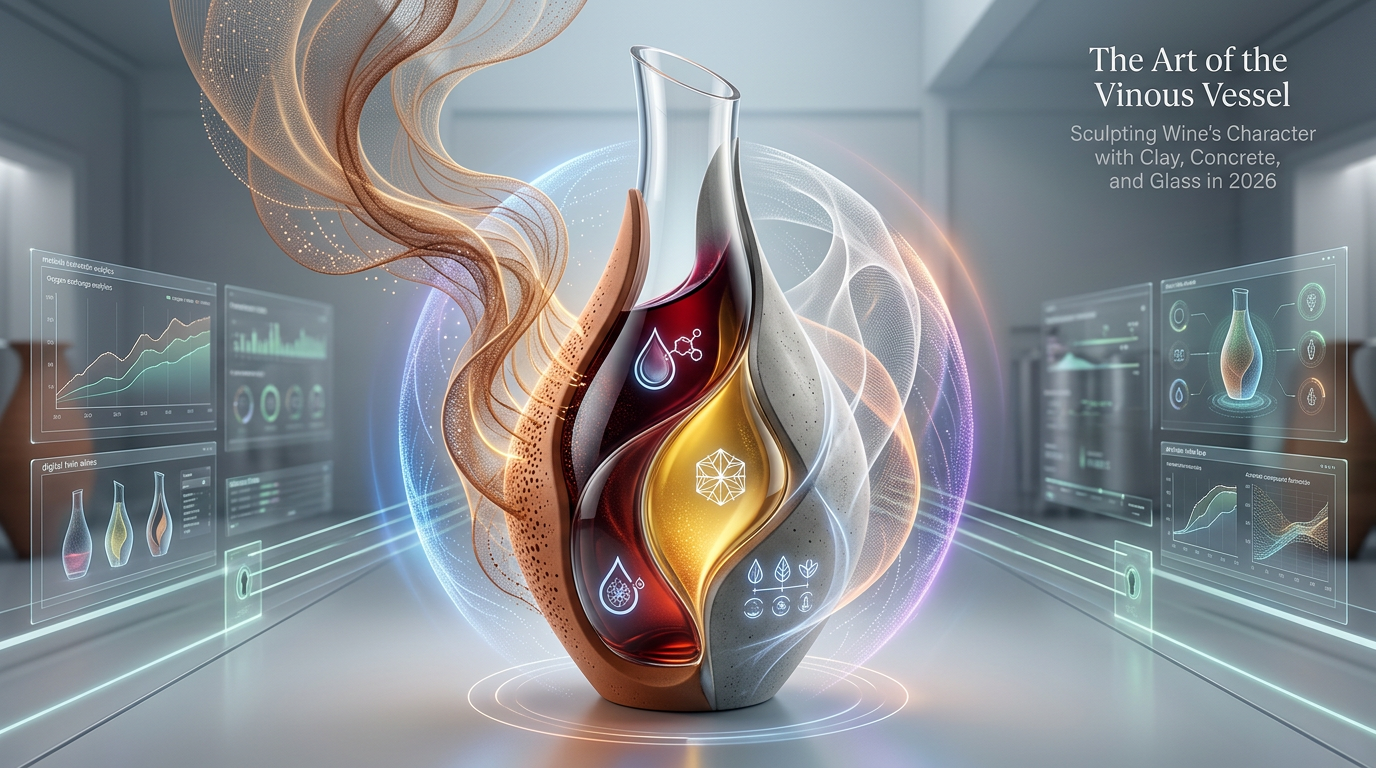
Beyond Oak: Exploring Alternative Aging Vessels
While oak remains foundational for many wines, winemakers engaged in vinous alchemy are increasingly exploring alternative aging vessels. These include:
- Concrete Eggs: Allowing for micro-oxygenation without imparting oak flavors, preserving fruit purity and texture.
- Amphorae and Clay Vessels: harking back to ancient winemaking, these porous containers allow slow exchange with air, adding complexity and unique textural elements. The use of ancient techniques is a growing trend in 2026, as evidenced by articles from resources like Wine Folly.
- Stainless Steel with Lees Contact: For white and light-bodied red wines, extended contact with lees (spent yeast cells) can add richness, complexity, and stability.
These methods allow winemakers to tailor the aging process to the specific needs of each varietal, highlighting its best attributes without overpowering them.
Sensory Exploration: Appreciating the Fruits of Vinous Alchemy in 2026
For the wine enthusiast, the results of this vinous alchemy are truly exciting. The wines crafted from these once-overlooked grapes offer a fresh perspective on what wine can be. From vibrant, aromatic whites to savory, structured reds, the diversity is astounding.
When approaching these wines, it's essential to set aside preconceived notions. Each bottle tells a story of discovery and resilience, offering aromas and flavors that deviate from the well-trodden path of familiar varieties.
Here’s how to fully appreciate these unique expressions:
- Approach with an Open Mind: Be prepared for unexpected aromas and flavors that may not fit traditional profiles.
- Decant if Necessary: Some structured reds from robust "underdog" grapes can benefit from aeration.
- Experiment with Food Pairings: These unique wines often shine with less conventional food pairings. Think beyond the classic and explore regional cuisines that might traditionally accompany these grapes.
- Note the Producer's Story: Understanding the winemaker's journey and commitment to these grapes adds another layer of appreciation.
The year 2026 is seeing an unprecedented appreciation for such wines at international festivals and tastings, moving them from niche categories to celebrated discoveries.
The Future of Wine: Sustainability and Innovation through Vinous Alchemy
The practice of vinous alchemy is not just about producing interesting wines; it's also a significant step towards a more sustainable and resilient wine industry. By cultivating grapes better suited to local climates and demonstrating adaptability, winemakers are building a stronger future for viticulture.
This commitment to diversity and innovation helps preserve genetic material, ensures economic viability for wine regions facing new environmental challenges, and provides consumers with a richer, more varied tapestry of wines to explore. As we continue through 2026, the global wine community is keenly observing and celebrating these pioneering efforts.
From the sun-drenched valleys of Southern Italy to the cooler climates embracing hybrids, the art of transforming challenging grapes into desirable wines is a testament to human ingenuity and passion. This movement assures us that the world of wine will continue to surprise and delight for generations to come, proving that sometimes, the greatest treasures are found where you least expect them. Learn more about the strategic approach to blending in The Art of the 'Vinous Symphony Conductor': Orchestrating Multi-Vintage Blends for Timeless Character in 2026.
Written by
Juniper Thorne is an experienced writer and educator with a deep passion for the world of wine. Bringing expertise in sensory analysis and wine culture to the Greatest Wine platform, Juniper helps readers explore and appreciate every nuance of wine.
Related Articles

The Cellar Architects: Mastering Elite Wine Preservation and Evolution in 2026
For the true connoisseur, wine is more than just a beverage; it's a living entity, an investment, and a passion. Mastering its preservation and evolution is an art form, especially in 2026 with new technologies and insights. Learn how to protect and enhance your cherished collection.
Juniper Thorne