The Art of Terroir Translation: Unpacking Winemaker Philosophy and Regional Expression in 2026
In 2026, terroir interpretation remains a central and captivating concept in the world of fine wine. It's the winemaker's profound endeavor to translate the unique characteristics of a specific place—its soil, climate, topography, and even its local traditions—into a bottle. This article will delve into the philosophies and regional expressions shaping the industry.

Terroir Interpretation: Winemaker Philosophy and Regional Expression
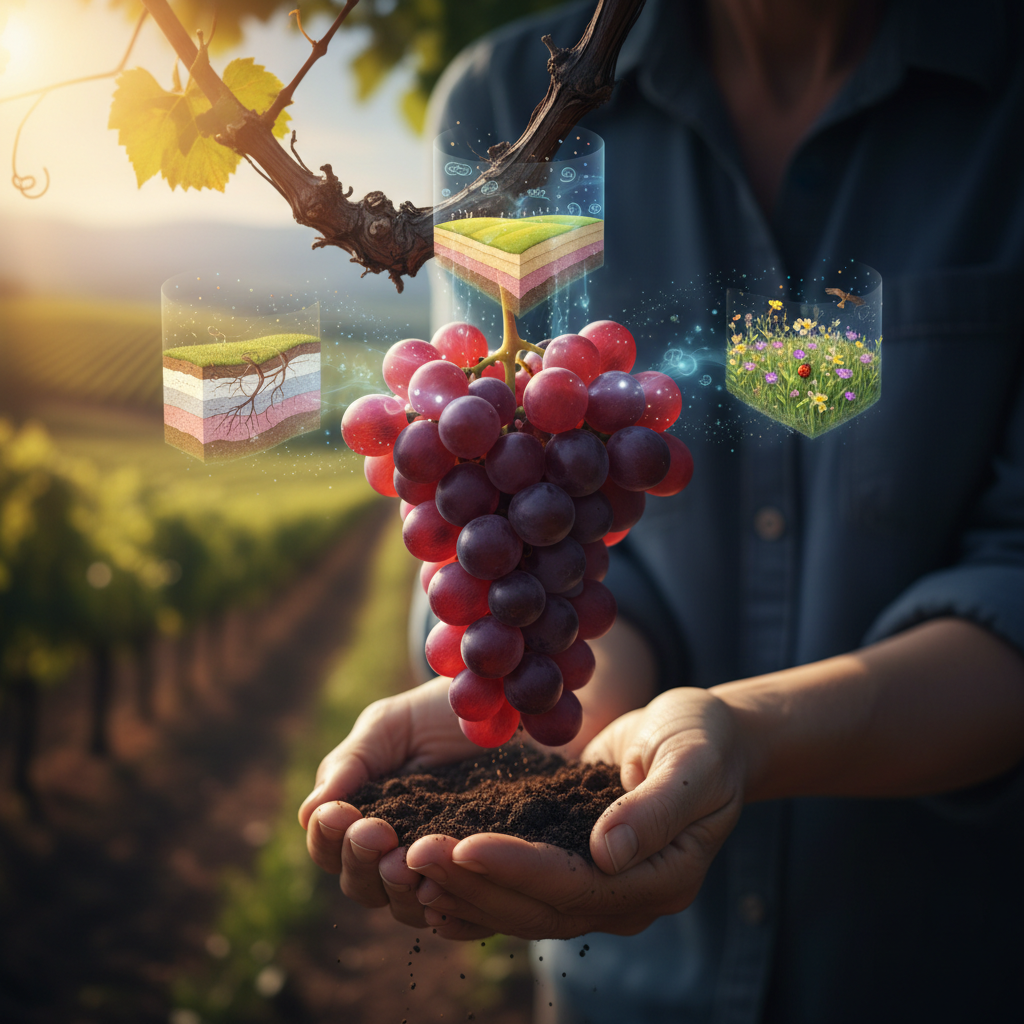
In the intricate world of fine wine, few concepts are as central and captivating as terroir interpretation. It’s the winemaker's profound endeavor to translate the unique characteristics of a specific place—its soil, climate, topography, and even its local traditions—into the glass. This year, in 2026, understanding how winemakers worldwide are embracing and evolving this art form is more crucial than ever, as consumers increasingly seek authenticity and a true sense of place in their selections. This blog post delves into the philosophical and practical aspects of how winemakers approach this delicate balance of terroir interpretation.
The Foundations of Terroir Interpretation: More Than Just Dirt and Grapes
Terroir interpretation is a multifaceted process that extends far beyond the mere physical attributes of a vineyard. It encompasses a holistic understanding of the environment and a winemaker's commitment to expressing that environment's distinct voice. It's about revealing a wine's origin story, sip by sip.
The core elements traditionally associated with terroir include:
- Climate: Temperature, rainfall, sunshine hours, and diurnal shifts. These dictate ripeness, acidity, and aromatic profiles.
- Soil: Composition (clay, sand, limestone, gravel), drainage, and nutrient availability. Soil significantly impacts vine vigor and mineral uptake.
- Topography: Altitude, slope, and aspect. These influence sun exposure, wind protection, and water retention.
- Human Factors (Tradition/Culture): Historical viticultural and winemaking practices passed down through generations, including grape varieties, pruning methods, and cellar techniques specific to a region.
In 2026, with climate change effects becoming more pronounced and winemaking technology advancing rapidly, the human element in terroir interpretation is gaining even greater prominence. Winemakers are adapting, innovating, and sometimes even resisting change to preserve the essence of their terroir.
The Winemaker as Interpreter: A Philosophical Approach to Terroir Interpretation
A true winemaker acts as a conduit, allowing the vineyard to speak through the wine. This isn't just a technical skill; it's a philosophical stance. They aim for minimal intervention, allowing the wine to express its inherent character rather than imposing a style upon it.
Greatest Wine believes that mastering terroir interpretation requires:
- Deep ecological knowledge of the specific vineyard parcel.
- A profound understanding of the grape varietal's interaction with the environment.
- A light touch in the cellar, allowing natural fermentation and aging processes to unfold.
- A commitment to sustainable and often biodynamic practices that foster vineyard health.
Understanding these philosophical underpinnings helps us appreciate the nuanced differences between wines from seemingly similar regions or even adjacent plots. For a deeper dive into tasting these subtleties, explore our guide on Advanced Sensory Analysis for the Home Enthusiast in 2026. This further enhances your understanding of terroir interpretation.
Regional Expression Through Terroir Interpretation: Case Studies in 2026
Examining how different wine regions approach terroir interpretation offers fascinating insights into global winemaking trends. From the ancient vineyards of Europe to the New World's innovative approaches, each region presents a unique narrative.
Burgundy, France: The Epitome of Micro-Terroirs and Terroir Interpretation
Burgundy remains the gold standard for terroir interpretation. Here, small parcels of land (climats) often separated by stone walls, demonstrate distinct differences in soil composition and aspect, leading to wines with remarkably individual personalities—even when made from the same grape (Pinot Noir or Chardonnay) by the same producer. In 2026, amidst changing weather patterns, Burgundian winemakers are making critical decisions about canopy management and harvest timing to preserve their ancestral connection to the land. You can find more about the intricate nature of these specific vineyard sites in our article on Micro-Appellation Wines of 2026.
- Key Practice: Single-vineyard bottlings emphasize subtle variances.
- Focus: Minimal intervention in the cellar to highlight vineyard character.
- Challenge: Maintaining consistency in the face of climatic variability.
Napa Valley, USA: Bridging Innovation and Tradition in Terroir Interpretation
Napa Valley, while younger than Burgundy, has rapidly embraced the concept of terroir interpretation, particularly for Cabernet Sauvignon. Winemakers here are often at the forefront of combining cutting-edge viticultural science with a deep respect for their diverse microclimates and geological formations. Distinctive volcanic soils in certain sub-appellations, for instance, contribute to wines with unique mineral profiles and structural integrity.
- Key Practice: Detailed mapping of vineyard blocks based on soil and elevation.
- Focus: Understanding varietal expression across diverse geological formations.
- Trend: Increased focus on sub-appellation identity and differentiation.
Marlborough, New Zealand: Sauvignon Blanc's Expressive Prowess through Terroir Interpretation
Marlborough's rise to global prominence was built on its vibrant Sauvignon Blanc, a wine that powerfully showcases its cool-climate brilliance. While initially known for a rather consistent aromatic profile, producers are now exploring how different vineyard sites—from the Wairau Valley to the Awatere Valley—each imbue the grape with unique nuances, from herbaceousness to tropical fruit. This deeper engagement epitomizes sophisticated terroir interpretation.
- Key Practice: Exploiting diverse microclimates within a larger region.
- Focus: Nuanced expression of a single, dominant grape variety.
- Advancement: Identifying subtle shifts in aromatic profiles based on site.
Challenges and Innovations in Terroir Interpretation for 2026
The world of wine is dynamic, and few elements are static. Winemakers today face unprecedented challenges, particularly from climate change, which directly impacts the very definition of terroir.
Some of the most pressing challenges include:
- Changing Ripening Patterns: Earlier harvests, higher sugar levels, and alterations in acidity.
- Extreme Weather Events: Hail, frosts, and droughts that threaten vineyard yields and quality.
- Water Scarcity: Requiring innovative irrigation strategies or drought-resistant rootstocks.
In response, winemakers are innovating in various ways to continue their mission of authentic terroir interpretation:
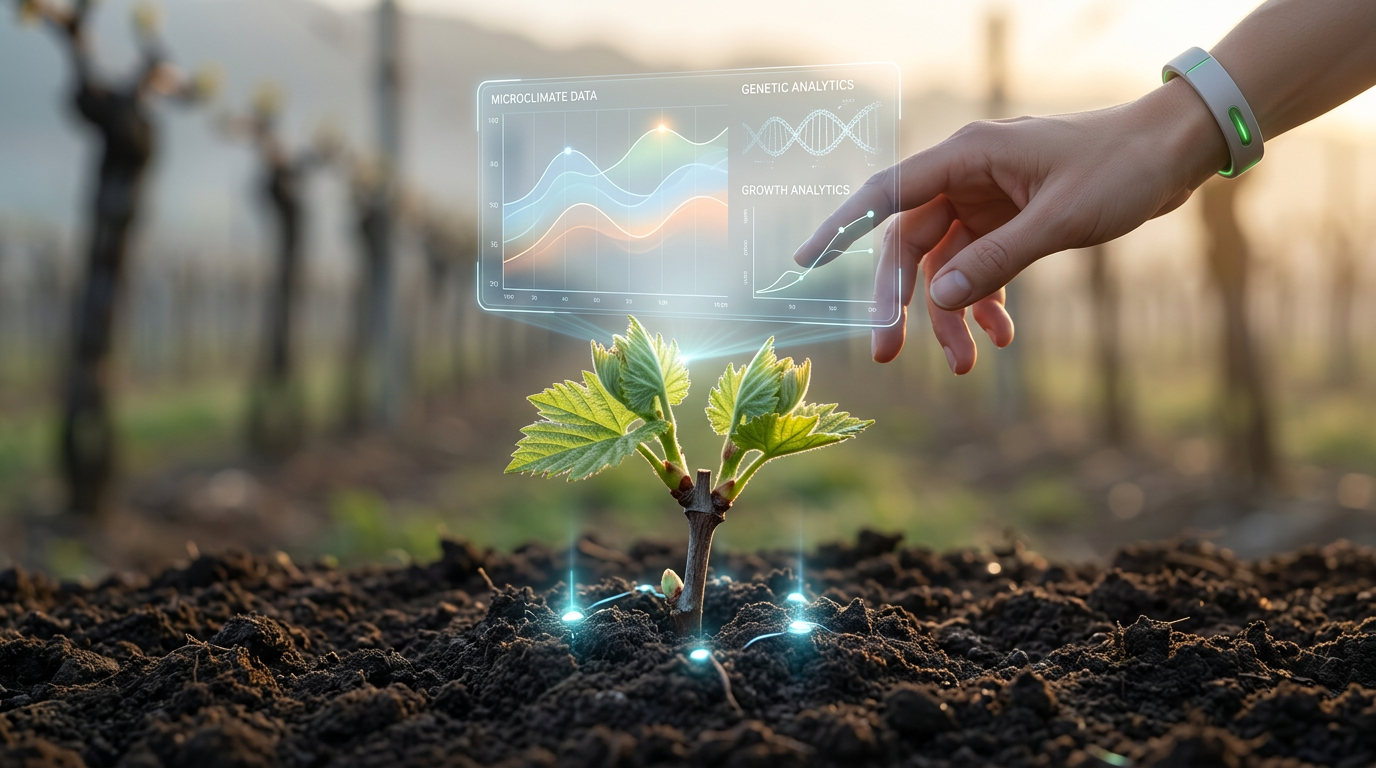
Many are adopting more resistant grape varieties or clones, experimenting with different training systems, and re-evaluating traditional vineyard management methods. Precision viticulture, leveraging drone technology and satellite imagery, allows for highly localized management of irrigation and nutrient application, ensuring vines receive exactly what they need based on specific soil conditions and moisture levels. This allows for more targeted terroir interpretation, even in changing conditions. For additional insights on vineyard management, consider exploring VinePair's detailed overview of precision viticulture, showcasing how technology supports terroir expression.
Sustainable Practices and Terroir Preservation through Terroir Interpretation
Sustainability is paramount in 2026. A vineyard that is not sustainably managed cannot truly express its terroir in the long term. Organic and biodynamic farming methods are seeing widespread adoption, aiming to enhance soil health, biodiversity, and the overall resilience of the vineyard ecosystem. These practices are fundamentally about nurturing the land that gives the wine its character, thereby preserving the authenticity of terroir interpretation.
It's not just about what happens in the vineyard; winery practices are also evolving. Reduced energy consumption, water recycling, and innovative waste management are integral to a holistic approach to wine production that respects and reflects the environment. For more information on sustainable practices within the wine industry, the Wine Institute provides valuable resources on sustainable winegrowing programs.
The Future of Terroir Interpretation on Your Palate
As we navigate 2026 and beyond, the concept of terroir interpretation will only grow in importance for discerning wine lovers. It's the assurance of authenticity, a promise of a story told through flavor and aroma. When you taste a wine, you’re not just experiencing a beverage; you’re embarking on a journey to a specific place and time, guided by the skillful hand of a winemaker who understands and respects their land.
At Greatest Wine, we encourage you to seek out wines that exemplify strong terroir interpretation. Pay attention to labels that mention specific vineyard names, discuss soil types, or highlight traditional practices. Engage with producers who are passionate about their land and articulate about their winemaking philosophy. These are the wines that offer the deepest connection to the world and the most profound drinking experiences. Understanding the artistry involved in terroir interpretation truly enhances one's appreciation of wine in all its magnificent complexity. To further your understanding of regional characteristics and their impact on wine, you might find this Deconstruction of Ideal Climates and Vintner Decisions in 2026 insightful.
Written by
Juniper Thorne is an experienced writer and educator with a deep passion for the world of wine. Bringing expertise in sensory analysis and wine culture to the Greatest Wine platform, Juniper helps readers explore and appreciate every nuance of wine.
Related Articles

The Cellar Architects: Mastering Elite Wine Preservation and Evolution in 2026
For the true connoisseur, wine is more than just a beverage; it's a living entity, an investment, and a passion. Mastering its preservation and evolution is an art form, especially in 2026 with new technologies and insights. Learn how to protect and enhance your cherished collection.
Juniper Thorne