The Art of the Sommelier's Secret Cellar: Unearthing Hidden Gems and Future Classics in 2026
For true oenophiles, the concept of a sommelier secret cellar conjures images of hidden treasures, rare vintages, and wines poised to become legends. In 2026, the world of wine continues its dynamic evolution, offering discerning palates an extraordinary array of choices. A sommelier's expertise is invaluable in navigating this exciting landscape.

The Art of the Sommelier's Secret Cellar: Unearthing Hidden Gems and Future Classics in 2026
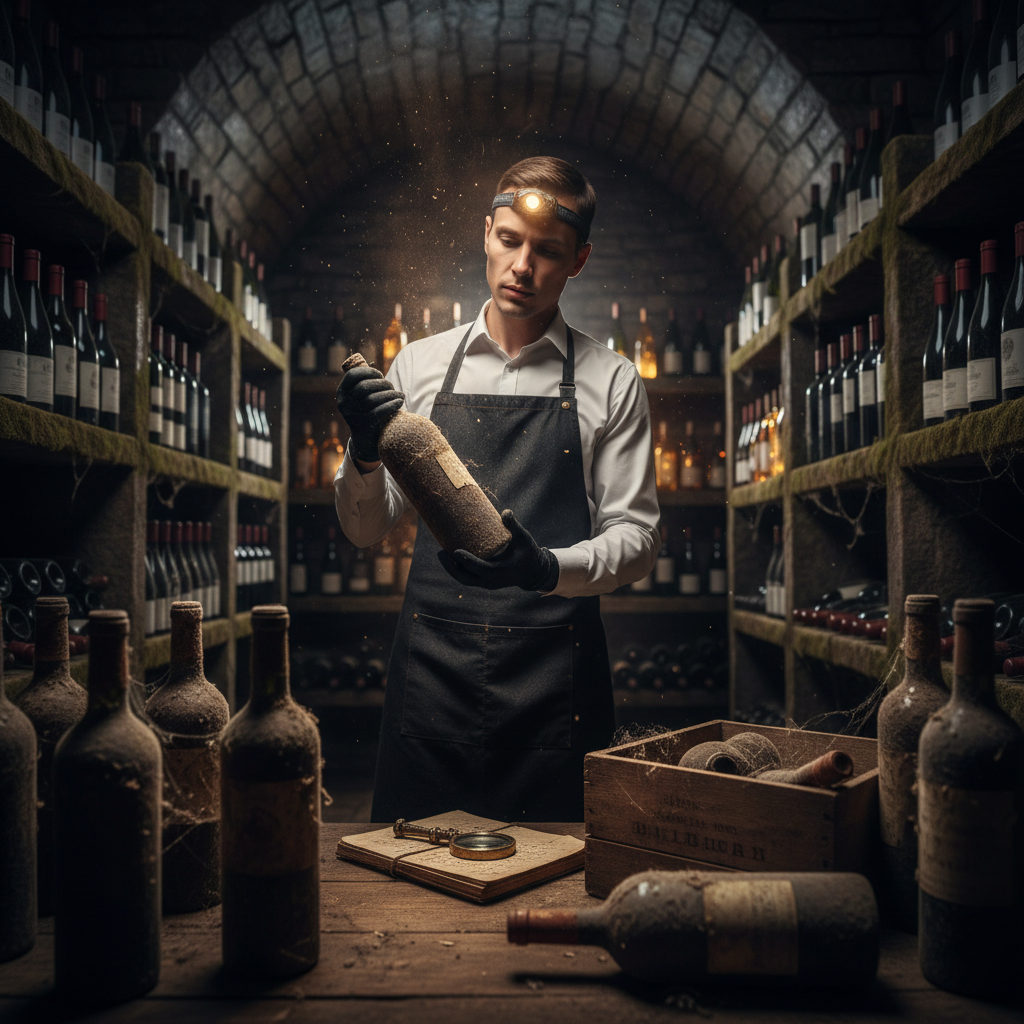
For true oenophiles, the concept of a sommelier secret cellar conjures images of hidden treasures, rare vintages, and wines poised to become legends. In 2026, the world of wine continues its dynamic evolution, offering discerning palates an extraordinary array of choices. A sommelier's expertise, honed by years of dedication and an insatiable curiosity, is invaluable in navigating this vast landscape, identifying not just popular labels but also the overlooked gems that promise exceptional drinking experiences and investment potential. This post delves into the philosophy behind cultivating such a cellar, exploring how top sommeliers discover, acquire, and manage their most prized bottles.
For those looking to deepen their understanding of wine, exploring topics like The Art of Blind Tasting: Unlocking Your Palate's Full Potential in 2026 can be incredibly beneficial.
The Philosophy Behind the Sommelier Secret Cellar
A true sommelier secret cellar is more than just a collection of expensive bottles; it's a carefully curated narrative, reflecting a profound understanding of terroir, vintage, producer philosophy, and market trends. It embodies a sommelier's personal taste, their predictions for future greatness, and their commitment to preserving wines at their peak.
The philosophy is rooted in foresight. Sommeliers aren't just looking at what's good now, but what will be exceptional in five, ten, or even twenty years. This requires extensive knowledge of winemaking techniques, viticulture, and global climate patterns that influence each harvest.
Beyond the Labels: Detecting Potential
How do sommeliers identify wines with genuine potential for their sommelier secret cellar? It comes down to meticulous tasting, research, and an understanding of obscure regions and emerging talent. They seek out producers who prioritize quality over quantity, often focusing on sustainable or biodynamic practices that result in wines with greater character and longevity.
- Terroir Exploration: Deep dives into lesser-known appellations or sub-regions.
- Emerging Producers: Identifying new winemakers pushing boundaries with innovative techniques or rediscovered traditional methods.
- Age-Worthiness: Assessing acidity, tannin structure, and fruit concentration for long-term cellaring potential.
- Vintage Knowledge: Understanding the nuances of each vintage across different regions.
The Art of Acquisition: Sourcing Rare Vintages
Acquiring wines for a sommelier secret cellar often involves more than just a trip to a local wine shop. Sommeliers leverage their vast networks, attending exclusive tastings, participating in barrel futures programs, and forging direct relationships with wineries. This allows them access to allocation-only releases and limited production bottlings that never reach general retail.
They are also adept at tracking secondary markets, understanding auction dynamics, and verifying provenance to ensure authenticity. The integrity of each bottle is paramount, especially when dealing with older, more valuable wines. For a deeper dive into futures, consider The Art of the 'En Primeur' Experience: Navigating Futures and Valuing Untapped Potential in 2026.
Unearthing Hidden Gems for Your Sommelier Secret Cellar in 2026
In 2026, the wine world continues its exciting trajectory, with certain regions and styles showing exceptional promise for those looking to build their own sommelier secret cellar. While the classics remain perennially popular, true connoisseurs are looking beyond the obvious.
This year, we're seeing continued strength in specific areas that offer both quality and value, making them prime candidates for long-term cellaring. These "hidden gems" often hail from regions that are either experiencing a renaissance or are still flying under the radar of mainstream appreciation.
Promising Regions and Varietals
Several areas are producing wines that sommeliers are quietly adding to their reserves. These include:
- Central & Eastern European Wines: Countries like Hungary (Tokaji, Furmint dry wines), Slovenia (Rebula, Šipon), and Georgia (Kakheti region's amber wines) are gaining serious traction. Their indigenous grape varieties offer unique flavor profiles and incredible aging potential.
- Cool-Climate Syrah: From the Northern Rhône to specific sites in Australia (e.g., Heathcote, Grampians) and California (e.g., Santa Rita Hills), Syrah is demonstrating remarkable elegance, complexity, and age-worthiness in cooler terroirs.
- Portuguese Reds (beyond Port): Regions like Dão, Bairrada, and Douro (for unfortified reds) are crafting sophisticated, structured wines from indigenous grapes like Touriga Nacional, Baga, and Tinta Roriz that offer incredible value and cellaring capability.
- High-Altitude Argentinian Malbec & Cabernet Franc: The Uco Valley in Mendoza continues to produce world-class reds, but focus on the higher altitude plots for wines with superior acidity, freshness, and longevity.
- New Wave German Spätburgunder (Pinot Noir): Germany's advancements in red winemaking, particularly in regions like Baden and Ahr, have led to refined and often profound Pinot Noirs that can rival Burgundy at a fraction of the price.
Spotlight on Future Classics: What to Watch in 2026
Identifying "future classics" involves predicting which wines, currently acclaimed, will achieve legendary status and command historical reverence. These are often wines from established regions but from producers who are consistently pushing boundaries or smaller, highly allocated bottlings.
For 2026, look for particular vintages from established houses in Burgundy and Bordeaux that saw challenging but ultimately successful growing seasons, leading to wines of great concentration and character. Also, keep an eye on Californian Cabernet Sauvignon from cult producers in specific microclimates that delivered exceptional fruit. Furthermore, understanding The Quantum Leap of Ancestral Grapes: Reviving Pre-Phylloxera Varieties for 2026's Cutting-Edge Wines can offer insights into true future classics.
Cellar Management: Nurturing Your Investment
Once acquired, a sommelier secret cellar demands meticulous management. This isn't just about storage; it's about creating the ideal environment for these liquid assets to mature gracefully. Proper cellaring ensures that when the time comes to open a bottle, it delivers its full potential.
Consideration of temperature, humidity, light, and vibration are paramount. Fluctuations in any of these can severely impact a wine's development and even spoil it. An ideal cellar maintains a consistent temperature between 50-57°F (10-14°C) and robust humidity levels.
Optimal Storage Conditions
The conditions under which wine is stored are critical. Light, especially UV light, can prematurely age wine. Vibration can disturb sediment and prevent proper maturation. Humidity is crucial for cork integrity; too dry, and corks can shrink, allowing oxygen ingress. Too humid, and labels can degrade.
- Temperature: Consistent 50-57°F (10-14°C).
- Humidity: 60-75% relative humidity.
- Light: Dark conditions, away from direct sunlight or fluorescent lights.
- Vibration: Static environment, away from heavy foot traffic or machinery.
- Orientation: Bottles stored horizontally to keep the cork moist.
- For more detailed guidance, see this expert guide on wine storage.
Inventory and Enjoyment Strategy for Your Sommelier Secret Cellar
A well-managed sommelier secret cellar also includes a detailed inventory system. This allows for tracking of acquisition dates, ideal drinking windows, and inventory levels. Sommeliers often use sophisticated software to manage this, noting tasting notes, provenance, and estimated value.
The final, and perhaps most important, aspect is the enjoyment strategy. Not every wine is meant to age for decades. Part of a sommelier's skill is knowing when a wine is perfectly ready to drink, when it's at its peak, and when to hold back certain bottles for truly special occasions. This involves regular sampling of similar wines or 'reference bottles' to gauge maturation. Understanding the Art of the Home Cellar: Creating an Optimal Aging Environment for Your Collection in 2026 is key.
The Evolution of the Sommelier's Role in 2026
The role of the sommelier has evolved dramatically, and in 2026, it extends far beyond merely recommending wines at a restaurant. Today's sommelier is a true wine educator, a global wine scout, and a custodian of rare and beautiful vintages, especially when managing a sommelier secret cellar.
Their influence on wine trends and consumer preferences is substantial. They are often the first to champion new regions or varietals, guiding the market towards new discoveries and away from potential overhyped labels, always with an eye on sustainability and ethical sourcing.
Sustainability and Ethical Sourcing
A significant trend in 2026, deeply influenced by leading sommeliers, is the emphasis on sustainability, organic, biodynamic, and even natural wines. The focus is not just on taste but also on the environmental impact and the authenticity of the winemaking process. This commitment extends to the selection for a sommelier secret cellar, favoring producers who align with these values. For more information on sustainable practices, consider resources like Wine Institute's sustainability initiatives.
They look for transparency in winemaking, with an emphasis on minimal intervention, healthy vineyard practices, and fair labor. This holistic approach ensures that the wines procured are not only of high quality but also produced responsibly.
The Digital Sommelier and Global Reach
With advancements in technology, sommeliers are now more connected than ever. Digital platforms, online tastings, and virtual cellar management tools have expanded their reach. They can collaborate with peers globally, access real-time market data, and share their profound knowledge with a wider audience, helping enthusiasts around the world curate their own private collections, inspired by the concept of the sommelier secret cellar.
This global interconnectedness fosters a dynamic exchange of ideas and discoveries, further enriching the world of wine for everyone, from novice enthusiasts to seasoned collectors. The pursuit of the perfect bottle, the hidden gem, and the future classic continues to drive the passionate world of the sommelier. Additionally, the increasing focus on technology is explored in articles regarding AI's role in wine pairing, an expanding area for sommeliers in 2026.
In essence, the sommelier secret cellar is a testament to expertise, foresight, and a profound love for wine. It is a living collection that tells a story, offering an unparalleled journey through the world's most exquisite winemaking endeavors.
Written by
Juniper Thorne is an experienced writer and educator with a deep passion for the world of wine. Bringing expertise in sensory analysis and wine culture to the Greatest Wine platform, Juniper helps readers explore and appreciate every nuance of wine.
Related Articles

The Cellar Architects: Mastering Elite Wine Preservation and Evolution in 2026
For the true connoisseur, wine is more than just a beverage; it's a living entity, an investment, and a passion. Mastering its preservation and evolution is an art form, especially in 2026 with new technologies and insights. Learn how to protect and enhance your cherished collection.
Juniper Thorne