The Art of the Sommelier's Psychology: Decoding Expectation and Perception in Wine Service 2026
In 2026, the sophisticated world of fine dining demands more than just wine knowledge from sommeliers. This piece explores the intricate interplay of sommelier psychology, focusing on how professionals decode expectation and perception to guide a diner's experience, evolving beyond simple recommendation to true artistry in service.

The Art of the Sommelier's Psychology: Decoding Expectation and Perception in Wine Service 2026
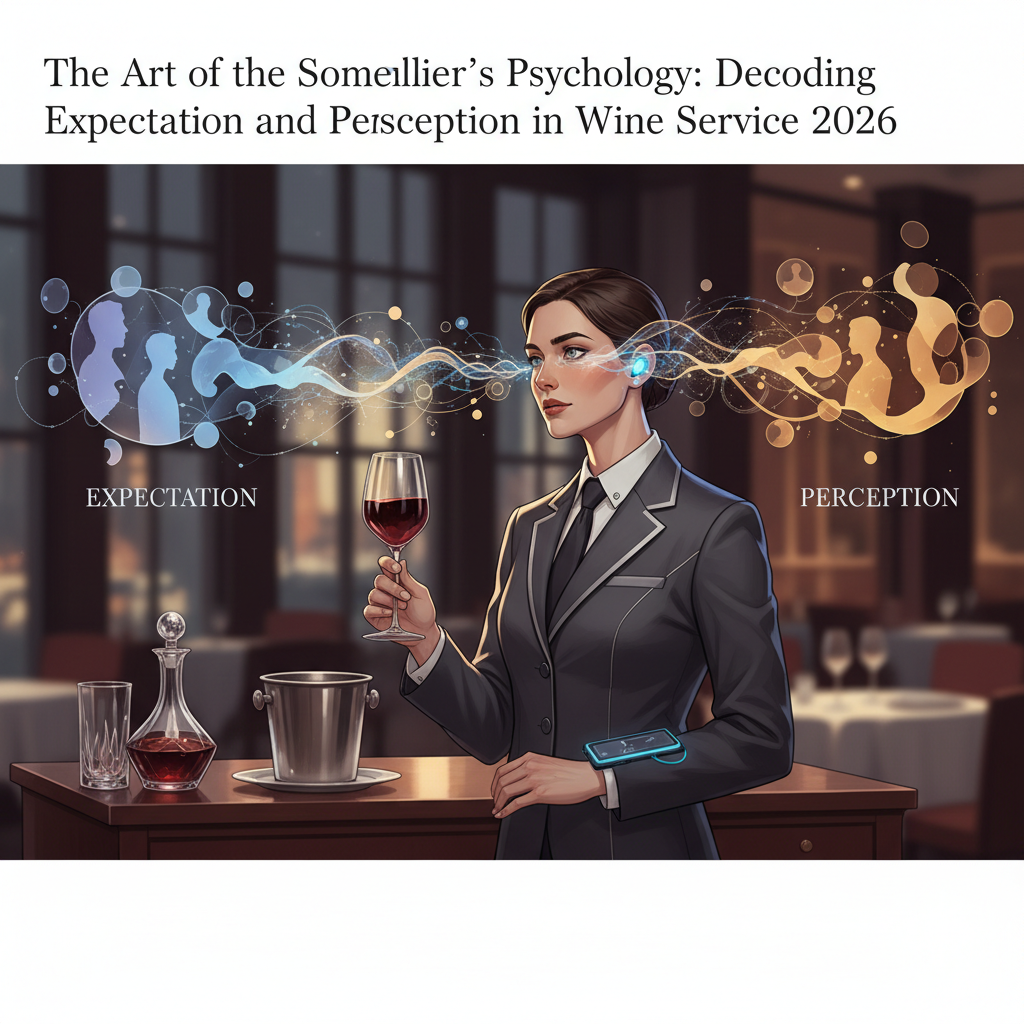
In the sophisticated world of fine dining and premium wine service, understanding sommelier psychology is paramount. It’s not merely about knowing grape varietals or vintages; it delves into the intricate interplay of human perception, expectation, and the subtle art of guiding a diner's experience. As we navigate 2026, the role of a sommelier has evolved beyond simply recommending a bottle, becoming a master of sensory orchestration and emotional intelligence. For a deeper dive into the unwritten rules that guide this profession globally, consider exploring The Art of the Unwritten Rules: Decoding the Etiquette of Global Wine Culture in 2026.
The Foundations of Sommelier Psychology: Beyond the Bottle
A sommelier’s expertise extends far beyond the liquid in the glass. It encompasses anticipating diner preferences, understanding social dynamics, and subtly influencing perception. This nuanced approach is at the heart of effective sommelier psychology, ensuring every wine pairing elevates the overall dining experience.
The best sommeliers are not just wine experts; they are astute observers of human behavior. They read body language, pick up on verbal cues, and skillfully navigate conversations to uncover true desires, even when unspoken. This deep understanding allows them to tailor recommendations that resonate on a personal level. For more on how our senses interpret wine, see The Quantum Palate: Deconstructing the Science of Flavor Perception in Wine for 2026.
- Active Listening: Paying close attention to verbal and non-verbal cues from diners.
- Observational Skills: Discerning mood, occasion, and potential price sensitivity.
- Empathy: Putting oneself in the diner's shoes to understand their unique needs.
- Adaptability: Adjusting recommendations and service style based on individual interactions.
Crafting the First Impression: The Power of Presence
The initial interaction sets the stage for the entire wine experience. A sommelier's demeanor, confidence, and professionalism immediately influence a diner's perception of both the wine list and the establishment. A calm, knowledgeable, and approachable presence can ease anxieties and build trust, critical components of successful sommelier psychology.
From the moment they approach the table, a sommelier is engaging in a psychological dance. The tone of voice, eye contact, and even the posture convey messages about their expertise and willingness to assist. This non-verbal communication is often more impactful than the words themselves.
Anticipating Needs: The Unspoken Language of Wine Service
One of the most remarkable aspects of sommelier psychology is the ability to anticipate a diner's needs before they are articulated. This involves not only understanding their meal choices but also their mood, the occasion, and their general comfort level with wine. A skilled sommelier can often ascertain whether a guest is adventurous, conservative, looking for a treat, or simply seeking something familiar. This sixth sense can also extend to predicting vintages, as discussed in The Art of the Sommelier's Sixth Sense: Anticipating the Unseen Impact of Micro-Climates on 2026 Vintages.
For example, if a couple is celebrating an anniversary, a sommelier might gently steer them towards something special or celebratory. If a guest appears overwhelmed by a vast wine list, the sommelier offers concise, curated options. This forethought is a cornerstone of exceptional service.
The Sommelier Psychology of Expectation Management
Expectation plays a monumental role in how wine is perceived. A sommelier can skillfully manage these expectations, transforming a good wine into a memorable one, or preventing disappointment with a less-than-perfect choice. This is where the art of suggestion and description truly shines, a fundamental aspect of effective sommelier psychology.
By carefully setting expectations, sommeliers can enhance positive experiences and mitigate potential negative ones. This includes being honest about a wine's characteristics, while simultaneously highlighting its best attributes. It’s about building a realistic, yet exciting, picture in the diner's mind. The Wine & Spirit Education Trust (WSET) offers extensive training on managing these delicate interactions.
Descriptive Language and Sensory Priming
The way a wine is described can significantly alter how it is perceived. Using evocative language that appeals to multiple senses – aromas, textures, and even memories – can enhance a diner's appreciation. This sensory priming is a powerful tool in sommelier psychology, guiding the consumer's palate before they even take a sip.
Consider the difference between "a red wine" and "a voluptuous Cabernet Sauvignon with notes of blackcurrant, cedar, and a hint of tobacco, offering a smooth finish." The latter creates a vivid mental image, encouraging the diner to seek out those specific characteristics.
Navigating Price Expectations and Value Perception
Financial considerations are always present. A skilled sommelier can guide guests to wines that offer exceptional value at various price points, ensuring that the perceived value aligns with the actual cost. This delicate balance requires tact, understanding, and a mastery of sommelier psychology.
It's not about upselling; it's about finding the right wine for the right person at the right budget. A sommelier who can do this consistently builds trust and encourages repeat business, demonstrating a deep understanding of diner needs beyond just taste preferences. Insights into The Art of the Sommelier's Secret Cellar: Unearthing Hidden Gems and Future Classics in 2026 can be invaluable here.
Perception is Reality: How Presentation Influences Taste
The presentation of wine – from the choice of glassware to the decanting ritual – profoundly impacts its perceived taste. These rituals are not just for show; they are carefully orchestrated elements of sommelier psychology designed to enhance the sensory experience and elevate the wine’s status. Read more about this in The Art of the Decanted Moment: Elevating Wine Experience Beyond the Bottle in 2026.
A wine served in a pristine, appropriate glass at the correct temperature will always taste better than the same wine served haphazardly. This is because the context and ritual surrounding the wine prime the diner for a more positive experience.
- Glassware Selection: Matching the glass shape to the wine style to maximize aromas and flavors.
- Temperature Control: Ensuring wine is served at its optimal temperature for expression.
- Decantation: Allowing wines to breathe, enhancing aromatic complexity and softening tannins.
- Pouring Technique: A smooth, precise pour signals attention to detail and care.
The Ritual of Service: Enhancing the Experience
The ceremony surrounding wine service is an integral part of its enjoyment. The sommelier's confident presentation of the bottle, the uncorking, the small taste offered for approval – these are all carefully choreographed steps that build anticipation and pleasure. These rituals are deeply embedded in the principles of sommelier psychology. The Guild of Sommeliers provides extensive resources on mastering these service rituals.
Each step in the service ritual contributes to the overall narrative of the wine experience. It transforms a simple beverage into a celebrated component of the meal, making it more memorable and enjoyable for the diner.
Building Rapport and Trust: The Human Element in Sommelier Psychology
Ultimately, a sommelier's success hinges on their ability to build rapport and trust with their guests. This human connection is what differentiates a truly exceptional wine experience from a merely competent one. Understanding sommelier psychology means recognizing that wine is inherently social, and the person presenting it is as important as the wine itself.
Customers are more likely to be adventurous and open to suggestions when they trust the sommelier. This trust is earned through consistent expertise, genuine enthusiasm, and an unpretentious approach to service.
Navigating Challenges: Diplomacy and Problem Solving
Not every wine experience is perfect. Faulty bottles, unexpected flavor preferences, or even customer dissatisfaction can arise. A skilled sommelier, armed with strong sommelier psychology principles, can handle these situations with grace and diplomacy, turning potential negatives into positives and preserving the guest's experience. For discussions on wine flaws, see reputable sources like Wine Folly's guide to common wine flaws.
Problem-solving in wine service requires not just knowledge but a calm demeanor and a commitment to guest satisfaction. Offering alternatives, educating politely, and maintaining a positive attitude are key.
The Future of Sommelier Psychology in 2026
As we look to 2026, the landscape of wine service continues to evolve. Technology, cultural shifts, and informed consumers are all playing a role. However, the core principles of sommelier psychology – understanding human perception, managing expectations, and creating memorable experiences – remain timeless and more crucial than ever.
The modern sommelier is not just a gatekeeper of wine knowledge but a curator of experiences, a guide for the senses, and a master of subtle emotional connections. Their art form lies in making every guest feel understood, valued, and ultimately, delighted by the liquid in their glass.
Embracing these psychological insights allows sommeliers to transcend mere technical expertise, transforming their service into an unforgettable journey for every diner. This refined approach to service is what truly sets apart the greatest wine experiences in 2026 and beyond.
Written by
Juniper Thorne is an experienced writer and educator with a deep passion for the world of wine. Bringing expertise in sensory analysis and wine culture to the Greatest Wine platform, Juniper helps readers explore and appreciate every nuance of wine.
Related Articles
The Vinous Verse: How Wine's Spirit Inspires 2026's Poetic and Literary Masterpieces
The intricate dance between the grape and the written word has enchanted humanity for millennia. Explore the profound connection between wine and literature, from ancient musings to 2026's contemporary narratives and poetic masterpieces. Discover how the world of wine continually inspires writers.
Juniper Thorne