The Art of the Sommelier's Journal: Chronicling the Evolution of Taste and Industry in 2026
In 2026, a sommelier journal is an indispensable tool, serving as a dynamic record of evolving wine tastes, producer insights, and critical industry developments. This living archive helps professionals and enthusiasts alike navigate the complexities of global wine trends, from new viticultural practices to shifts in consumer preferences. Learn to master your own wine journey.

The Art of the Sommelier Journal: Chronicling the Evolution of Taste and Industry in 2026
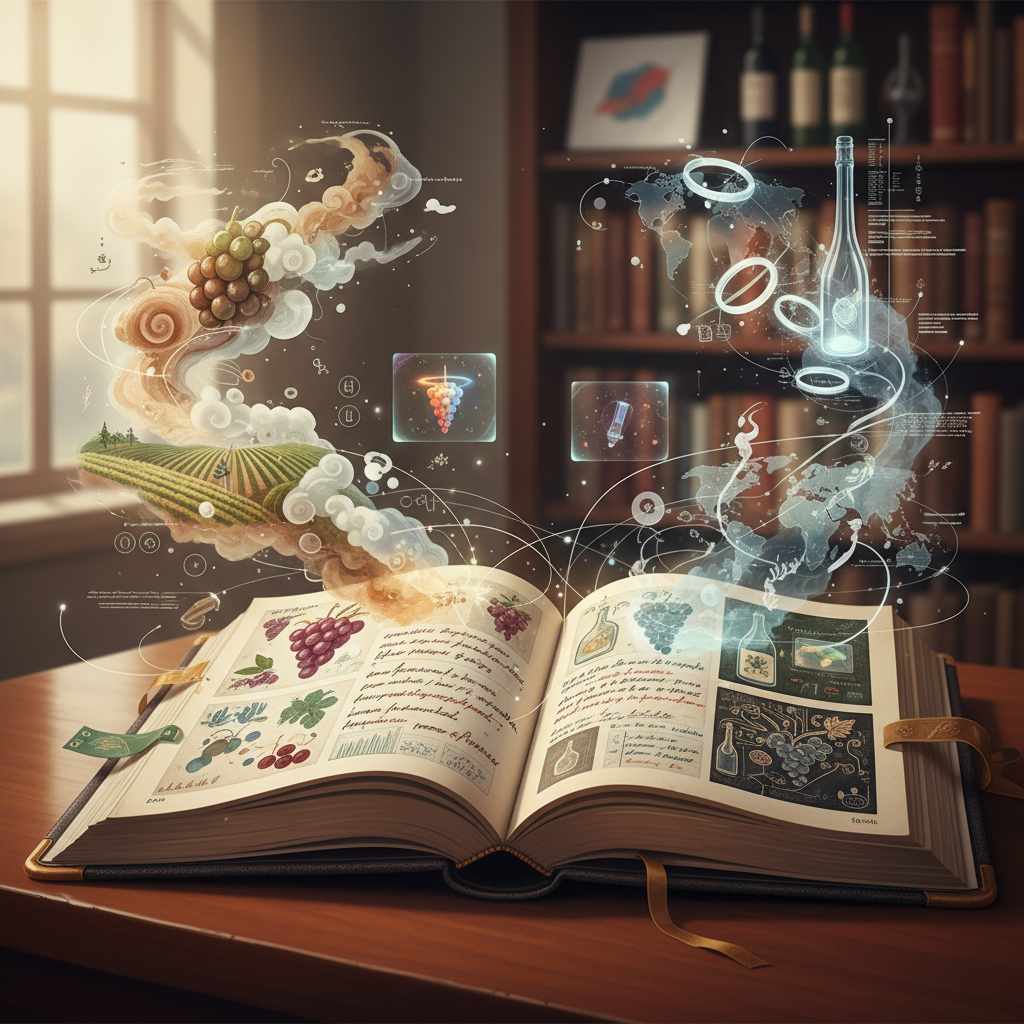
In the evolving world of wine, a well-maintained sommelier journal is more than just a notebook; it's a living archive of taste, knowledge, and industry trends. For professionals and enthusiasts alike, understanding the nuances of vintages, producers, and regional characteristics is paramount. As we navigate 2026, the landscape of wine continues to transform, influenced by climate change, technological advancements, and shifting consumer preferences. This journal serves as an indispensable tool for tracking these changes, ensuring that every sip is savored with informed appreciation.
For additional insights into the human element influencing wine, consider delving into The Art of the 'Invisible' Hand: The Unseen Influence of Human Factors on Terroir and 2026's Wine Identity.
The Indispensable Role of a Sommelier Journal in Modern Wine Culture
A sommelier journal is the bedrock of a wine professional's continuous education. It's where detailed tasting notes, observations from vineyard visits, and insights from industry events are meticulously recorded. This personal repository of information allows sommeliers to build a comprehensive understanding of wine, far beyond what textbooks can offer. Learn more about developing your sensory skills with The Art of Blind Tasting: Unlocking Your Palate's Full Potential in 2026.
The act of journaling reinforces learning. When you actively describe what you taste, smell, and see in a wine, you engage more senses and cognitive functions, leading to deeper retention. This practice is crucial for developing a highly refined palate and memory.
Building a Comprehensive Wine Palate with Your Sommelier Journal
- Sensory Analysis Records: Documenting appearance, aroma, palate (primary, secondary, tertiary notes), and finish for every wine tasted.
- Vintage Comparisons: Keeping detailed notes on different vintages of the same wine helps in understanding how weather and time impact a specific producer or region. For instance, documenting how Hyper-Local Climate Shifts Define 2026's Most Unique Wines.
- Blind Tasting Practice: Recording blind tasting attempts, including initial guesses, actual identities, and key identifying characteristics, is vital for skill development.
Moreover, the journal isn't just about taste. It's about culture. It captures the stories behind the labels, the philosophies of the winemakers, and the traditions embedded in every bottle. This holistic approach makes the sommelier journal an invaluable asset.
Tracking Global Wine Trends and Industry Shifts in Your Sommelier Journal
The year 2026 presents a dynamic period for the global wine industry. From the rise of sustainable and organic viticulture to the increasing prominence of lesser-known regions, there's a constant influx of new developments. A dedicated sommelier journal becomes a crucial instrument for observing and analyzing these macro trends.
Think about the increasing frequency of extreme weather events. How are winemakers in traditional regions adapting? What new varietals are showing promise in emerging wine-producing areas? Your journal can map these changes, providing a personalized, real-time understanding of the industry's pulse. For a broader perspective on these shifts, you might find this report on The OIV State of the Vitivinicultural World in 2025 insightful, offering context for 2026 trends.
Key Trends to Document in Your Sommelier Journal
- Sustainability and Biodynamics: Note producers adopting eco-friendly practices – their techniques, certifications, and the impact on their wines. Exploring initiatives like Sustainable Winegrowing Practices can add depth to your notes.
- Emerging Regions & Varietals: Keep track of wines from places like the Republic of Georgia, Slovenia, or even unexpected regions in the US, and new grapes gaining recognition. Don't forget to highlight The Art of the Unsung Hero: Unearthing the World's Most Overlooked Indigenous Grape Varieties in 2026.
- Low-Alcohol & No-Alcohol Wines: The growth of this segment is significant; record your findings on quality, taste profiles, and market acceptance.
- Technological Innovations: From vineyard monitoring drones to advanced cellar equipment, note how technology is shaping wine production. Consider the impact of AI in Wine Marketing, for instance.
By actively chronicling these trends, your sommelier journal transforms into a predictive tool, allowing you to anticipate shifts in consumer demand and market preferences, thereby positioning you as a knowledgeable authority.
The Practical Applications of a Sommelier Journal in Daily Operations
Beyond personal development, a sommelier journal offers immense practical value in professional settings. For those managing wine lists, training staff, or advising customers, the journal is a central reference point. It streamlines decision-making and enhances service quality.
Imagine being able to quickly recall a specific vintage's nuanced tasting notes or a producer's recent changes in winemaking philosophy. This level of detail elevates customer conversations and builds trust, turning a simple wine recommendation into an engaging educational experience. For deeper understanding of service nuances, see The Art of the Sommelier's Psychology: Decoding Expectation and Perception in Wine Service 2026.
Utilizing Your Sommelier Journal for Professional Excellence
Your journal can be organized to include sections for:
- Wine List Development: Track potential new wines, supplier information, pricing, and aging potential.
- Food Pairing Experiments: Record successes and failures of specific wine and food combinations, noting the 'why' behind each outcome.
- Staff Training Notes: Create concise summaries or talking points based on your journal entries for educating front-of-house teams.
- Customer Preference Tracking: For repeat clients, noting their preferences in your journal helps curate personalized recommendations.
The detailed records in a sommelier journal are crucial for managing inventory, predicting sales trends, and even identifying opportunities for special promotions or wine events. It's a living business intelligence tool. You might also find valuable resources on Guild of Sommeliers for further professional development.
Crafting Your Personal Sommelier Journal: Tips and Best Practices for 2026
Starting and maintaining an effective sommelier journal requires discipline and a thoughtful approach. In 2026, while digital tools offer convenience, many professionals still prefer a physical journal for its tactile nature and freedom from screens during tasting sessions. However, a blended approach can also be highly effective.
The key is consistency. Make journaling a regular part of your wine exploration, whether it's after a formal tasting, a dinner out, or simply opening a bottle at home. The more you use it, the more valuable it becomes.
Structuring Your Sommelier Journal for Maximum Impact
- Choose Your Format: Whether it’s a dedicated notebook, a binder, or a digital app, select a format that best suits your workflow. Hybrid approaches using apps for quick notes and physical journals for deeper reflections are popular.
- Develop a Standardized Template: Use a consistent structure for each wine entry (e.g., producer, region, vintage, varietal, ABV, price, appearance, nose, palate, finish, overall impression, food pairing ideas, score). This makes comparisons easier.
- Use a Grading System: Implement your own scoring system (e.g., 1-100, 1-5 stars) to quickly assess and recall quality.
- Review Regularly: Periodically revisit your notes. This reinforces memory and helps identify patterns in your preferences or industry trends.
The beauty of a sommelier journal lies in its personal nature. It's a reflection of your unique journey through the world of wine, constantly growing and evolving with your palate and expertise.
Written by
Juniper Thorne is an experienced writer and educator with a deep passion for the world of wine. Bringing expertise in sensory analysis and wine culture to the Greatest Wine platform, Juniper helps readers explore and appreciate every nuance of wine.
Related Articles

The Vinous Arsenal: Essential Tools for Elevating Your Wine Experience in 2026
As we navigate May 2026, the world of wine continues to evolve, offering enthusiasts unprecedented tools. Discover the essential wine accessories for 2026 that will elevate your enjoyment, from innovative aerators to smart preservation systems. Upgrade your vinous arsenal today with Greatest Wine.
Juniper Thorne