The Art of the 'Vinous Micro-Story': Crafting and Discovering Narratives in Single-Varietal Expression for 2026
In 2026, single varietal wines offer a captivating journey into the pure essence of a single grape. This article delves into the 'vinous micro-stories' they tell, focusing on how these wines express unique narratives through varietal purity and terroir. Understanding these focused expressions is key to appreciating the depth and character of the world's most beloved grapes today.

The Art of the 'Vinous Micro-Story': Crafting and Discovering Narratives in Single Varietal Wine Expression for 2026
In the expansive and ever-evolving world of viticulture, the concept of a single varietal wine stands as a testament to purity, focus, and the profound expression of a particular grape. For 2026, understanding these 'vinous micro-stories' is more crucial than ever. It's about delving deep into the soul of one grape, appreciating its unique journey from vine to glass, and uncovering the intricate narratives that define its character. This exploration isn't just for connoisseurs; it's for anyone seeking a deeper connection to the liquid art within their glass, recognizing the distinct personality each varietal embodies.
As The Art of the Sommelier's Journal highlights, chronicling the evolution of taste is paramount, and single varietals offer a pristine lens through which to observe these shifts.
What Defines a Single Varietal Wine? More Than Just One Grape
At its core, a single varietal wine is predominantly made from one specific grape type. While various wine-producing regions have differing legal requirements for what constitutes a "single varietal" (often 75-100% of the named grape), the spirit of the definition remains consistent: to showcase the unadulterated characteristics of a primary grape. This focus allows the terroir, the winemaking techniques, and the inherent genetic traits of the grape to shine through with unparalleled clarity.
The Purity of Expression
When you taste a pure Cabernet Sauvignon or a crisp Sauvignon Blanc, you're experiencing a direct dialogue with that grape. There are fewer layers of blending to obscure its natural inclinations. This purity allows for a deeper appreciation of the grape’s inherent aromas, flavors, and textural elements. This commitment to transparency is also explored in The Art of the Winemaker's Artifice: Deconstructing 'Natural' Wine and Technical Intervention in 2026.
Terroir as a Storyteller
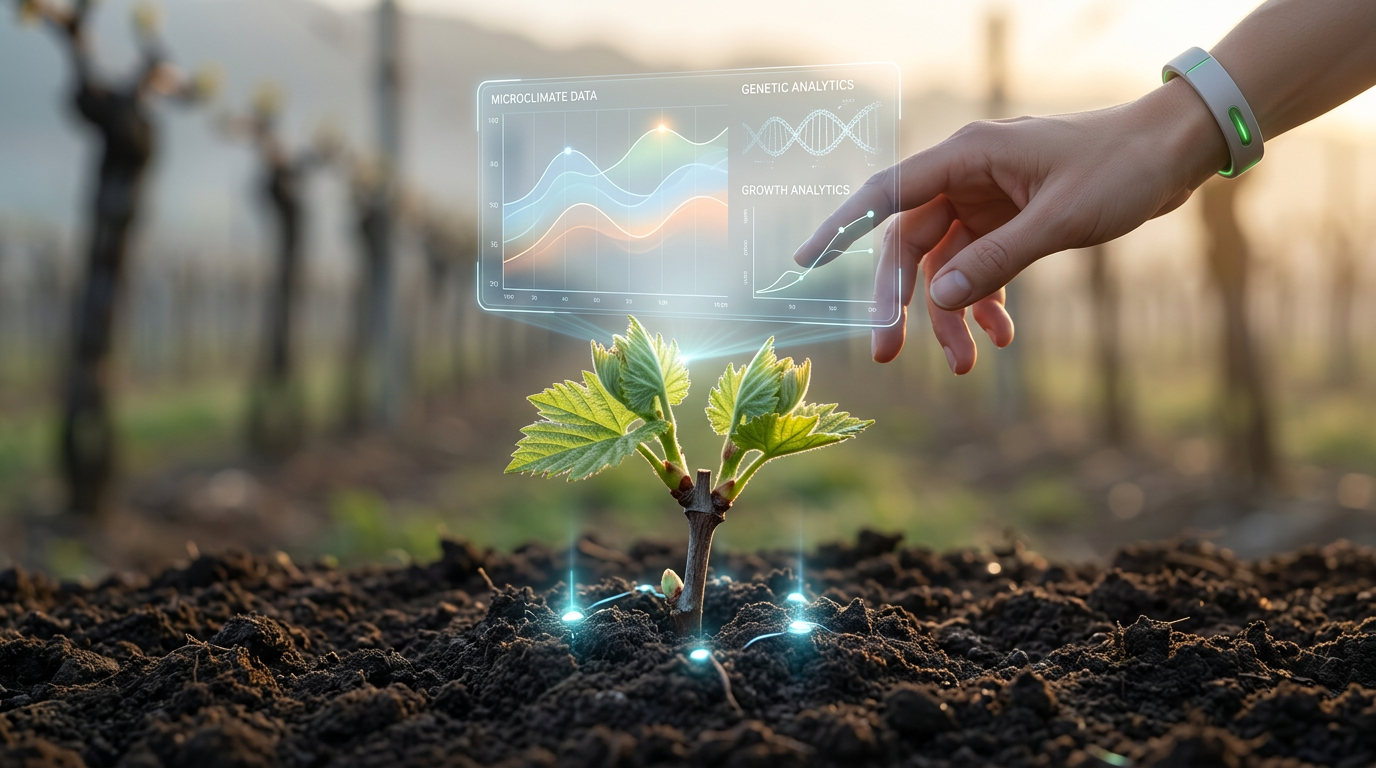
The beauty of a single varietal wine often lies in its ability to be a transparent conduit for its terroir. The soil, climate, and topography of a vineyard significantly influence how a grape develops. A Pinot Noir from Burgundy will taste distinctly different from one grown in Oregon, even though they are the same varietal. These differences form unique storylines.
- Soil Composition: Clay, limestone, sand, and volcanic soils impart distinct mineral notes.
- Climate: Temperature, sunlight, and rainfall affect ripeness, acidity, and aromatic profiles.
- Altitude and Aspect: Influence sun exposure and temperature variations, impacting grape development.
Understanding the intricate relationship between grape and place is central to appreciating wines in 2026, as discussed in detail in concepts like Quantum Terroir: Unlocking the Subatomic Secrets of Wine's Sense of Place in 2026.
The Allure of Unblended: Why Single Varietal Wine Continues to Captivate in 2026
In a world increasingly accustomed to complex blends, the straightforward elegance of a single varietal wine offers a refreshing clarity. Wine enthusiasts in 2026 are gravitating towards authenticity and a greater understanding of what they consume. Single varietals provide this transparency, allowing drinkers to isolate and appreciate individual grape characteristics.
Educational Value for Wine Enthusiasts
For those looking to deepen their wine knowledge, focusing on single varietals is an invaluable learning tool. It helps to train the palate to identify specific grape characteristics without the confusion of multiple components. This foundational understanding can then be applied to appreciating more complex blends.
Consider these common single varietals as starting points:
- Chardonnay: From lean, mineral-driven styles to rich, oak-aged expressions.
- Pinot Noir: Delicate red fruit, earthy notes, and a silky texture.
- Cabernet Sauvignon: Full-bodied, dark fruit, often with notes of cedar and tobacco.
- Sauvignon Blanc: Zesty, herbaceous, with vibrant acidity.
- Riesling: Highly aromatic, ranging from dry to lusciously sweet.
Showcasing Winemaker Skill
Crafting an exceptional single varietal wine demands immense skill and precision from the winemaker. There's nowhere to hide imperfections or imbalances. The winemaker's role shifts from blending artisan to careful custodian, nurturing the grape's natural potential and guiding its expression. This commitment to purity is a hallmark of quality. As discussed in The Art of the Winemaker's Intuition: Balancing Science and Spirit in 2026's Best Vintages, intuition combined with technical prowess is key.
Crafting Narratives: Winemaking and the Single Varietal Wine
The journey from grape to a bottled single varietal wine involves a series of critical decisions by the winemaker, each contributing to the final narrative. These choices act as plot points, shaping the wine's character and unfolding its unique story.
Vineyard Management Decisions
Before grapes even reach the cellar, vineyard practices play a pivotal role. Pruning techniques, canopy management, irrigation, and harvest timing all directly impact the quality and characteristics of the single varietal. Achieving optimal ripeness is crucial for expressing varietal true potential.
- Canopy Management: Balances sun exposure for ripeness and protection from sunburn.
- Yield Control: Lower yields often lead to more concentrated flavors.
- Harvest Timing: Dictates the sugar, acid, and phenolic ripeness of the grapes.
Fermentation and Aging Techniques
The choices made during fermentation and aging are equally significant. Whether to use stainless steel tanks, concrete eggs, or various types of oak barrels profoundly influences the wine's texture, aroma, and flavor profile. Aging duration also plays a critical role in developing complexity and softening tannins.
For example, a Chardonnay aged in new French oak will tell a very different story than one fermented and aged entirely in stainless steel, highlighting the versatility and range within a single grape. This focus on distinct characteristics also resonates with The Art of the 'Ephemeral Aroma': Capturing and Preserving Wine's Most Fleeting Scents in 2026.
No Blending Mask
Unlike blended wines where different varietals can complement or correct each other, a single varietal wine offers no such luxury. Every nuance, every flaw, and every triumph of the grape is laid bare. This transparency is what makes them so compelling and authentic.
Discovering Narratives: How to Approach Single Varietal Wine Tasting
To truly appreciate the 'vinous micro-story' of a single varietal wine, a methodical and open-minded approach to tasting is essential. It's about engaging all your senses and consciously seeking out the specific attributes of that grape.
Sensory Analysis and Focused Tasting
When tasting a single varietal, try to isolate its core characteristics. For example, with a Cabernet Sauvignon, focus on identifying its typical blackcurrant, bell pepper, and cedar notes. With a Pinot Noir, look for red cherry, raspberry, and often an earthy, forest floor aroma.
Consider these steps for focused tasting:
- Visual Inspection: Note the color, clarity, and viscosity.
- Aromatic Exploration: Swirl and sniff, identifying primary fruit, floral, herbaceous, and secondary (oak, yeast) aromas.
- Palate Evaluation: Assess sweetness, acidity, tannin, alcohol, and body. Identify flavors and their intensity.
- Finish: How long do the flavors linger? Are they pleasant?
This systematic approach aligns with the advanced sensory techniques explored in The Art of the Sommelier's Palate: Beyond Taste Buds to Olfactory Memory in 2026.
Pairing for Purity
Pairing food with a single varietal can be an incredibly rewarding experience. By understanding the signature characteristics of the grape, you can select foods that either complement or contrast those traits, enhancing both the wine and the dish. A complex blend might mask some food characteristics, but a focused single varietal will highlight them. The nuanced understanding of flavor pairing is further detailed by The Art of the 'Fifth Element': Deconstructing Umami's Role in Wine Pairing and Flavor Perception for 2026.
For instance, a crisp, high-acid Sauvignon Blanc is a classic pairing for goat cheese or delicate seafood, with its bright acidity cutting through richness and its herbaceous notes complementing fresh flavors. A robust Cabernet Sauvignon, on the other hand, stands up beautifully to rich red meats and aged cheeses.
The Future of Single Varietal Wine: Trends and Innovations for 2026
As we move deeper into 2026, the world of single varietal wine continues to evolve, driven by consumer demand for authenticity, sustainability, and regional specificity. Innovation in both viticulture and winemaking is pushing the boundaries of what these wines can express.
Emergence of Lesser-Known Varietals
While classic varietals like Chardonnay and Cabernet Sauvignon will always hold their ground, there's a growing buzz around lesser-known or indigenous grapes. Winemakers are increasingly exploring varietals uniquely suited to their local terroir, offering consumers new and exciting 'micro-stories' to discover. Expect to see more Pelaverga, Fiano, and Grüner Veltliner gaining traction, aligning with the focus on The Art of the 'Wine Alchemist': Transforming Undervalued Varietals into 2026's Cult Classics.
Sustainable and Organic Practices
The commitment to sustainable and organic viticulture is strengthening. Consumers are not just interested in the grape; they care about how it was grown. Wineries producing single varietal wines are increasingly adopting practices that minimize environmental impact, further embedding a narrative of respect for the land into their wines.
Refined Styles and Minimal Intervention
There's a noticeable trend towards more refined, elegant styles, even for traditionally powerful varietals. Winemakers are often opting for minimal intervention, allowing the grape's natural character and the vineyard's terroir to speak with greater clarity. Lighter oak regimes, native yeast fermentation, and less fining and filtration are becoming more common in premium single varietal wine production. This echoes the sentiment found in The Art of the Winemaker's Palette: Sculpting Flavor with Indigenous Yeast and Minimal Intervention in 2026.
Ultimately, the journey through the world of single varietal wine is an ongoing discovery of unique stories, shaped by nature, nurture, and the human touch. Each bottle offers a snapshot of a particular grape, in a particular place, at a particular time – a true 'vinous micro-story' waiting to be uncorked and appreciated. For those seeking to deepen their understanding, resources like Wine Folly's guide on how to taste wine provide excellent foundational knowledge, while WSET (Wine & Spirit Education Trust) offers structured learning pathways for serious enthusiasts.
Written by
Juniper Thorne is an experienced writer and educator with a deep passion for the world of wine. Bringing expertise in sensory analysis and wine culture to the Greatest Wine platform, Juniper helps readers explore and appreciate every nuance of wine.
Related Articles

The Cellar Architects: Mastering Elite Wine Preservation and Evolution in 2026
For the true connoisseur, wine is more than just a beverage; it's a living entity, an investment, and a passion. Mastering its preservation and evolution is an art form, especially in 2026 with new technologies and insights. Learn how to protect and enhance your cherished collection.
Juniper Thorne