The Art of the 'Cognitive Cellar': Cultivating Sensory Resilience in Wine Professionals for 2026
In 2026, the concept of 'sensory resilience wine' has become crucial for wine professionals. This article explores how cultivating a 'cognitive cellar' helps sommeliers, winemakers, and critics maintain peak sensory performance amidst the dynamic world of viticulture, going beyond just a keen palate.

The Art of the 'Cognitive Cellar': Cultivating Sensory Resilience Wine Professionals for 2026
In the dynamic and ever-evolving world of viticulture, the ability to maintain peak sensory performance is paramount for wine professionals. As we navigate 2026, the concept of sensory resilience wine has become a cornerstone for sommeliers, winemakers, critics, and enthusiasts alike. This isn't merely about having a keen palate; it's about the sustained capacity to accurately perceive, interpret, and recall complex aromatic and gustatory stimuli, even amidst environmental stressors or prolonged exposure. Cultivating such resilience transforms a good wine professional into an exceptional one, offering deeper insights and more consistent evaluations. For those interested in the language we use to describe these perceptions, exploring The Art of the 'Vinous Lexicon': Crafting the Language of Wine in 2026 can provide further depth.
Understanding the Core of Sensory Resilience Wine
What exactly does sensory resilience wine entail? It's the mental and physical fortitude that allows a wine professional to perform optimally under various conditions. This includes maintaining olfactory and gustatory acuity throughout lengthy tasting sessions, recovering quickly from sensory fatigue, and adapting to new or challenging wine profiles. In essence, it's the professional's "cognitive cellar" – a well-organized and robust internal system for processing wine data. Understanding The Art of the 'Cognitive Blend': How Our Brains Harmonize Wine Flavors in 2026 provides valuable context.
Defining Sensory Acuity in Wine
Sensory acuity refers to the sharpness and precision of our senses, particularly smell and taste, when evaluating wine. For professionals, this means accurately identifying specific aromas and flavors, differentiating subtle nuances, and perceiving the wine's structure. Regular calibration and training are essential to maintain this high level of awareness.
Mitigating Sensory Fatigue
Prolonged tasting sessions can lead to sensory fatigue, where the ability to distinguish between different wines diminishes. Sensory resilience wine strategies include structured tasting breaks, palate cleansing techniques, and mindful tasting practices to combat this common challenge. Proper hydration and short, focused intervals can significantly reduce onset of fatigue.
Adapting to Diverse Wine Styles
The global wine landscape is incredibly diverse. A resilient professional can quickly adapt their sensory framework to evaluate wines from different regions, varietals, and vintages, moving seamlessly from a crisp Sauvignon Blanc to a robust Barolo without bias or confusion. This adaptability is gained through wide exposure and continuous learning.
The Neurobiology Behind a Refined Palate
The science behind our ability to taste and smell is complex, involving intricate pathways between our sensory organs and the brain. For wine professionals, understanding this neurobiology can provide a framework for enhancing their skills. Our brain's ability to create and recall sensory memories, often referred to as olfactory and gustatory memory, is crucial for developing expertise. For more on the internal workings of the palate, consider exploring resources on neuroscience of taste and smell.
Olfactory Neural Pathways
The olfactory bulb plays a central role in processing smells. Training the nose involves intentionally memorizing aromas and associating them with specific descriptors. This strengthens neural connections and improves recall, critical for identifying faults and specific varietal characteristics in wine. Repeated exposure to individual aroma compounds can build a robust internal library. This aligns with techniques discussed in The Art of the Vinous Cipher: Decoding Hidden Messages in Wine Aromas for 2026.
Gustatory Processing and Taste Buds
Taste receptors on the tongue detect basic tastes: sweet, sour, salty, bitter, and umami. However, the true complexity of wine flavor comes from retronasal olfaction – aromas perceived when exhaling after tasting. Developing sensory resilience wine means understanding this interplay and training both taste and smell components simultaneously.
The Role of Memory and Learning
Long-term potentiation (LTP), a process strengthening synaptic connections, is vital for sensory learning. Every tasting experience, when consciously processed and documented, contributes to the professional's cognitive cellar, making future identifications faster and more accurate. This continuous learning is a hallmark of sustained excellence in wine.
Training Methodologies for Enhanced Sensory Resilience Wine in 2026
Cultivating sensory resilience wine is not an innate talent but a developed skill. A structured approach to sensory training is essential for professionals aiming to stay at the top of their game in 2026. These methodologies integrate both traditional practices and modern scientific insights to build a robust sensory foundation.
Structured Aroma Training Kits
Utilizing aroma kits helps professionals isolate and memorize specific scents commonly found in wine. Regular practice with these kits, identifying aromas blindly, enhances olfactory acuity and builds a mental library of reference points. This is a foundational step in developing a keen nose. For further exploration of this, academic resources such as this review on sensory science methodologies can be insightful.
Comparative & Blind Tasting Drills
Regular blind tastings are indispensable. They remove preconceived notions and force the taster to rely solely on their senses. Comparative tastings, where similar wines are tasted side-by-side, highlight subtle differences and improve discrimination skills, fostering a deeper understanding of wine nuances.
Mindfulness and Focused Tasting
Integrating mindfulness into tasting sessions involves paying close attention to every sensory input – sight, smell, taste, and even touch (texture). This heightened awareness improves perception and recall, reducing distractions and enhancing the overall learning experience. It's about being present with each sip, an approach mirrored in The Art of Vinous Contemplation: Cultivating Mindfulness Through Wine in 2026.
Data Logging and Self-Assessment
Maintaining a detailed tasting journal or utilizing digital platforms to log tasting notes is crucial. Reviewing these notes regularly allows professionals to track their progress, identify areas for improvement, and reinforce their understanding of various wines. Objective self-assessment is key to continuous growth.
Lifestyle Factors Supporting Optimal Sensory Resilience Wine
Beyond direct training, several lifestyle factors profoundly impact a wine professional's sensory capabilities. Neglecting these areas can undermine even the most rigorous training regimens. Holistic well-being is intrinsically linked to peak sensory performance for sensory resilience wine.
Diet and Nutrition
A balanced diet is vital for overall health, which directly impacts sensory function. Avoiding excessively spicy or salty foods before a tasting session is crucial, as they can temporarily dull the palate. Hydration is also paramount; water helps cleanse the palate and maintain salivary production. For general health information, the World Health Organization's healthy diet guidelines are a good reference.
Adequate Sleep and Stress Management
Lack of sleep and high-stress levels can significantly impair cognitive function, including our ability to perceive and interpret sensory information accurately. Professionals must prioritize restorative sleep and develop effective stress management techniques to ensure their senses remain sharp and responsive.
Physical Exercise and Brain Health
Regular physical activity improves blood flow to the brain, enhancing cognitive functions like memory and attention – both critical for sensory evaluation. A healthy body supports a healthy brain, which in turn supports a finely tuned palate. Staying active is part of maintaining peak performance.
The Future Landscape of Sensory Resilience Wine in 2026 and Beyond
As we advance through 2026, the emphasis on sensory resilience wine will only intensify. Technological advancements and a globalized wine market demand even greater precision and adaptability from professionals. The integration of AI-driven analysis tools, while helpful, will never fully replace the nuanced perception of the human palate.
Professionals who cultivate robust sensory resilience will be better equipped to interpret complex aroma profiles, identify subtle differences in wine quality, and communicate their insights with unparalleled clarity. This sustained ability to perform at a high level is what truly sets apart an expert in the intricate world of wine, ensuring they remain indispensable in an increasingly competitive industry. The "cognitive cellar" will continue to be a professional's most valuable asset.
Written by
Juniper Thorne is an experienced writer and educator with a deep passion for the world of wine. Bringing expertise in sensory analysis and wine culture to the Greatest Wine platform, Juniper helps readers explore and appreciate every nuance of wine.
Related Articles
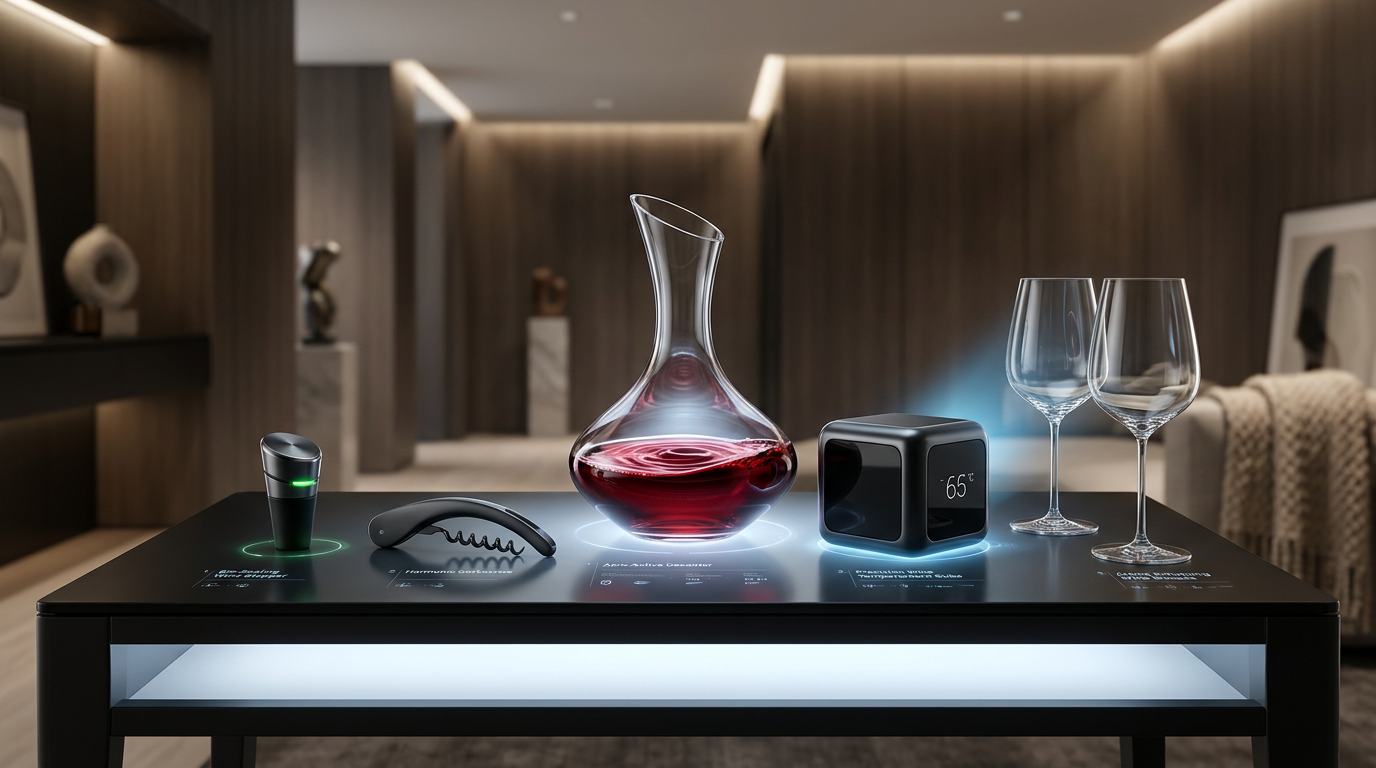
The Vinous Arsenal: Essential Tools for Elevating Your Wine Experience in 2026
As we navigate May 2026, the world of wine continues to evolve, offering enthusiasts unprecedented tools. Discover the essential wine accessories for 2026 that will elevate your enjoyment, from innovative aerators to smart preservation systems. Upgrade your vinous arsenal today with Greatest Wine.
Juniper Thorne