The Art of the Vinous Epistemologist: Deconstructing How We 'Know' Wine in an Era of Disinformation (2026)
In 2026, as disinformation spreads, understanding how we 'know' wine—vinous epistemology—is critical. This field explores how knowledge about wine is acquired and validated, offering tools to navigate algorithms and unverified sources for a deeper, more accurate appreciation of wine.

The Art of the Vinous Epistemologist: Deconstructing How We 'Know' Wine in an Era of Disinformation (2026)
In a world increasingly saturated with information, often of questionable veracity, the concept of vinous epistemology has never been more pertinent. This fascinating field explores how we acquire, validate, and understand knowledge about wine. As we navigate 2026, where social media algorithms and unverified sources can heavily influence perception, truly "knowing" wine requires a critical and discerning approach, moving beyond surface-level tasting notes to a deeper, more profound comprehension of its essence and origins.
What is Vinous Epistemology? Defining How We Understand Wine
At its core, vinous epistemology is the study of knowledge in the context of wine. It delves into the methods, sources, and limitations of our understanding of wine. This isn't just about memorizing tasting notes or grape varietals; it's about dissecting the entire cognitive process involved in appreciating, evaluating, and categorizing wine.
How do we distinguish a truly great vintage from a merely good one? What biases influence our perceptions? These are the questions at the heart of this complex discipline. Understanding these mechanisms allows us to move beyond subjective preferences to a more objective and informed appreciation. For more on how our brains process these experiences, explore The Art of the 'Cognitive Terroir': How Our Brains Sculpt Wine Perception in 2026.
The Sensory Foundation of Vinous Knowledge
- Olfaction: The sense of smell is paramount. Aromas from volatile compounds are key identifiers of grape variety, winemaking techniques, and terroir.
- Gustation: Taste buds detect sweetness, sourness, bitterness, saltiness, and umami, contributing to the wine's overall profile.
- Tactile Sensations: Mouthfeel, encompassing astringency, body, and texture, provides crucial information about a wine's structure.
Each of these sensory inputs forms the bedrock of our initial interaction with wine. However, true vinous epistemology goes beyond mere sensation, demanding intellectual engagement.
Beyond the Senses: The Role of Context and Memory
Our perception of wine is not purely sensory. It is heavily influenced by external factors and our personal experiences. Provenance, vintage, producer reputation, and even the label design can subtly (or overtly) shape our expectations and enjoyment.
Moreover, memory plays a significant role. Our ability to recall past tasting experiences, compare and contrast, and build a library of aromatic and gustatory benchmarks is fundamental to developing refined wine knowledge. This cognitive "database" allows us to identify patterns and develop a more sophisticated understanding. The psychological aspects of this are further explored in The Art of the 'Cognitive Vintage': Mastering the Psychology of Wine Expectation in 2026.
Navigating Disinformation in Wine Education (2026)
In 2026, the digital landscape presents both unprecedented opportunities and significant challenges for vinous epistemology. While countless resources are available, the sheer volume and often unchecked nature of online information can create a breeding ground for misinformation and superficial understanding.
Critical evaluation is no longer just an academic exercise; it's a vital skill for any serious wine enthusiast. From misleading marketing claims to unverified social media "experts," distinguishing genuine knowledge from deceptive content is crucial.
Identifying Reliable Sources for Wine Information
- Reputable Wine Critics and Publications: Established critics and academic journals generally adhere to rigorous standards of research and peer review.
- Certified Educators and Sommeliers: Professionals with certifications from recognized bodies (e.g., WSET, Master Sommelier) possess validated expertise.
- Direct Winery Information: Wineries often provide detailed technical sheets and historical data about their products, which can be highly informative.
Always cross-reference information from multiple, diverse sources before accepting it as truth. This multi-faceted approach strengthens your personal framework of vinous epistemology. For instance, consider consulting The Wine Scholar Guild, which offers in-depth programs and resources (winescholarguild.org).
The Dangers of Algorithm-Driven Wine Recommendations
While convenient, personalized recommendations from online platforms can inadvertently narrow your exposure to wine styles and regions. These algorithms often prioritize popularity or past purchasing behavior over genuine quality or educational value, potentially hindering a comprehensive understanding. The nuances of AI in wine discovery are detailed in The Art of the 'Vinous Data Whisperer': Mastering AI for Personalized Wine Discovery in 2026.
Actively seek out diverse recommendations, challenge your own preferences, and explore wines outside your comfort zone to broaden your knowledge base and refine your palate.
The Practice of Vinous Epistemology: Developing Expert Palates
Developing an expert palate is the practical application of vinous epistemology. It's an ongoing journey of sensory training, intellectual inquiry, and critical reflection. It transforms passive tasting into an active process of learning and discovery.
This development goes beyond merely identifying flavors. It involves understanding the interplay of components, discerning nuances, and connecting sensory experiences to theoretical knowledge about viticulture and winemaking. The seasoned wine connoisseur doesn't just taste; they interpret.
Systematic Tasting and Sensory Analysis
Structured tasting methods, such as those promoted by leading wine education bodies, are invaluable. These frameworks guide tasters through a systematic evaluation of appearance, nose, palate, and quality assessment. This disciplined approach eliminates haphazard observations and fosters consistency.
Regular practice with focused sensory exercises – identifying individual aromas, distinguishing acidity levels, or comparing tannin structures – markedly improves one's perceptive abilities. This rigorous training hones the tools necessary for advanced vinous epistemology. Check out resources from The Court of Master Sommeliers (mastersommeliers.org) for more on structured tasting.
Cultivating a Critical Mindset in Wine Evaluation
A true vinous epistemologist approaches every wine with a blend of openness and skepticism. They question assumptions, consider alternative interpretations, and are mindful of their own biases. Blind tasting, for example, is an excellent exercise for stripping away preconceptions and focusing purely on the wine's intrinsic qualities.
Engaging in thoughtful discussion with other knowledgeable enthusiasts also enriches one's perspective, exposing different interpretations and fostering a more holistic understanding.
The Future of Vinous Epistemology in a Connected World
As technology continues to advance, the landscape of vinous epistemology will undoubtedly evolve. Innovations in analytical tools, AI-driven sensory analysis, and virtual reality experiences could fundamentally alter how we learn about and connect with wine. These developments hold both promise and potential pitfalls.
While technology can enhance our understanding, it's crucial to remember that the human element – the subjective experience, the cultural context, and the shared pleasure of wine – remains irreplaceable. The art of truly "knowing" wine will always be deeply rooted in human perception and interpretation.
Leveraging Technology for Deeper Wine Understanding
- Blockchain for Provenance: Ensuring transparency and traceability from vineyard to glass, combating counterfeiting.
- AI-Powered Sensory Analysis: Potentially identifying complex chemical markers for objective aroma and flavor assessment.
- Virtual Reality Winery Tours: Offering immersive educational experiences irrespective of geographical barriers.
These tools, when used judiciously, can supplement and enrich traditional methods of wine education, providing unprecedented access to data and experiences that deepen our collective vinous epistemology. The IWSR, a leading source for wine market intelligence (theiwsr.com), frequently reports on these technological advancements.
Maintaining the Human Connection in Wine Appreciation
Despite technological advancements, the heart of wine appreciation lies in human connection and shared experience. The stories behind the wines, the passion of the winemakers, and the pleasure of sharing a bottle with friends are aspects that technology cannot fully replicate.
The role of the human expert – the sommelier, the educator, the passionate enthusiast – will remain vital in contextualizing technical data and translating it into meaningful, enjoyable experiences. This synergy between technology and human insight defines the cutting edge of vinous epistemology as we move further into 2026.
Conclusion: The Ongoing Journey of Vinous Epistemology
The journey of vinous epistemology is a continuous pursuit of knowledge, refinement, and critical thinking. In an age where information is abundant but often diluted, cultivating a discerning mind is paramount to truly understanding the world of wine. By embracing systematic learning, critical evaluation, and a balance of sensory and intellectual engagement, we can all become more adept vinous epistemologists.
As Greatest Wine, our mission is to empower you with the tools and insights to navigate this complex yet rewarding journey. From deconstructing tasting notes to exploring global wine cultures, we aim to deepen your appreciation and provide a robust foundation for your personal vinous epistemology. Continue to explore, question, and savor, for the true essence of wine lies not just in the bottle, but in the knowledge we acquire and the connections we forge.
Written by
Juniper Thorne is an experienced writer and educator with a deep passion for the world of wine. Bringing expertise in sensory analysis and wine culture to the Greatest Wine platform, Juniper helps readers explore and appreciate every nuance of wine.
Related Articles
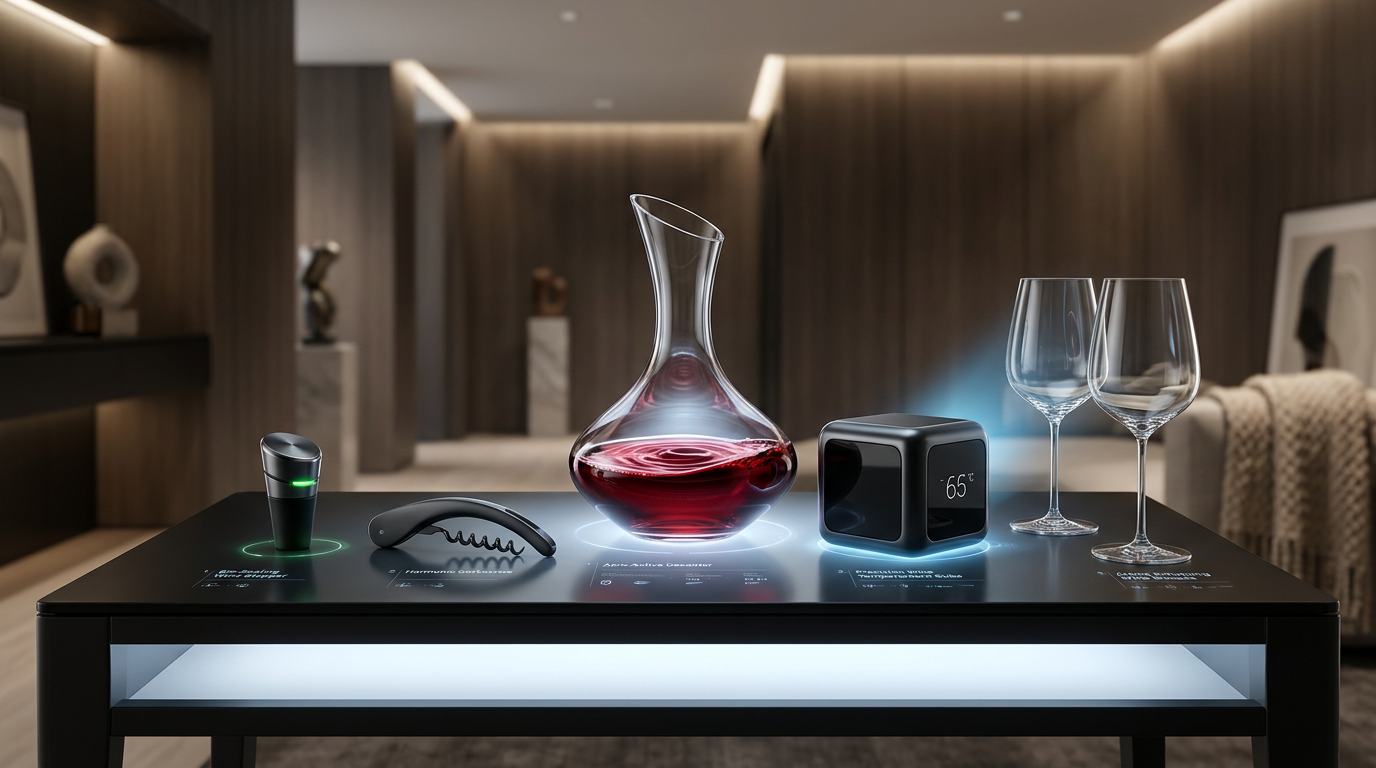
The Vinous Arsenal: Essential Tools for Elevating Your Wine Experience in 2026
As we navigate May 2026, the world of wine continues to evolve, offering enthusiasts unprecedented tools. Discover the essential wine accessories for 2026 that will elevate your enjoyment, from innovative aerators to smart preservation systems. Upgrade your vinous arsenal today with Greatest Wine.
Juniper Thorne