The Art of the Oenotheque: Crafting an Enduring Legacy Through Library Wines in 2026
For discerning collectors and wineries, an oenotheque, or wine library, is a living archive. Effective wine library management is paramount in 2026, as technology advances and consumer preferences evolve. This guide explores crafting an enduring legacy through carefully curated library wines, ensuring your collection's preservation and enjoyment for years to come.

The Art of the Oenotheque: Crafting an Enduring Legacy Through Library Wines in 2026 and Effective Wine Library Management
For discerning collectors, esteemed wineries, and passionate oenophiles, the concept of an oenotheque, or wine library, represents more than just a storage facility; it’s a living archive of history, a testament to terroir, and a curated journey through time. Effective wine library management is paramount in 2026, as technology advances and consumer preferences evolve. It's about meticulously tending to a collection of aged wines, ensuring their optimal evolution, and ultimately preserving their legacy for future generations. This intricate process demands deep knowledge, precise execution, and a forward-thinking approach to documentation and environmental control.
The Imperative of Strategic Wine Library Management in 2026
In the dynamic world of fine wine, the value and prestige of a collection are directly tied to how it is managed. As we move further into 2026, the imperative for strategic wine library management has never been greater. Collectors and wineries alike are recognizing that proper cellar conditions and detailed record-keeping are not just best practices, but essential components of appreciating and realizing the full potential of library wines. For further insights into the evolving appreciation of wine, consider exploring The Evolution of the Wine Palate: How Global Trends and Sensory Science are Reshaping 'Good Taste' in 2026.
Understanding the Oenotheque: More Than Just a Cellar
An oenotheque distinguishes itself from a standard wine cellar through its primary purpose: the long-term aging and preservation of specific vintages, often for historical, educational, or investment purposes. It's an investment in posterity, designed to showcase the evolution of a particular wine, producer, or region over decades. Unlike wines intended for relatively quick consumption, library wines are chosen for their exceptional aging potential and ability to develop complex secondary and tertiary characteristics over time.
- Historical Documentation: Preserving key vintages to tell the story of a specific year, producer, or even a region's climatic challenges and triumphs.
- Educational Resource: Providing a unique opportunity for enthusiasts and professionals to taste mature wines and understand the impact of age.
- Investment and Legacy: Building a valuable asset that can appreciate significantly and represent a lasting legacy.
Key Components of Optimal Wine Library Management
Achieving optimal conditions for wine aging involves several critical factors. Each plays a vital role in ensuring the wine matures gracefully, rather than deteriorating. Ignoring any of these can lead to irreparable damage and a significant loss of value, both monetary and experiential. Detailed guidance on creating an ideal environment can be found in The Art of the Home Cellar: Creating an Optimal Aging Environment for Your Collection in 2026.
- Temperature Control: A consistent temperature, ideally between 50-57°F (10-14°C), is crucial. Fluctuations are far more damaging than a slightly higher or lower constant temperature.
- Humidity Levels: Maintaining relative humidity between 60-75% prevents corks from drying out (leading to oxidation) or becoming moldy.
- Light Exposure: UV light is detrimental to wine, causing "light strike" and premature aging. Library wines should be stored in complete darkness.
- Vibration: Excessive vibration can disturb sediments and accelerate chemical reactions, negatively impacting the wine's development.
- Bottle Position: Storing still wines on their side keeps the cork moist, preventing it from drying and shrinking.
Embracing Technology for Advanced Wine Library Management
The year 2026 brings an array of technological advancements that are revolutionizing how collectors approach wine library management. From sophisticated cellar monitoring systems to advanced inventory software, technology empowers wine enthusiasts to maintain unparalleled control over their precious collections, whether for personal enjoyment or as part of a commercial oenotheque.
Smart Cellar Monitoring Systems
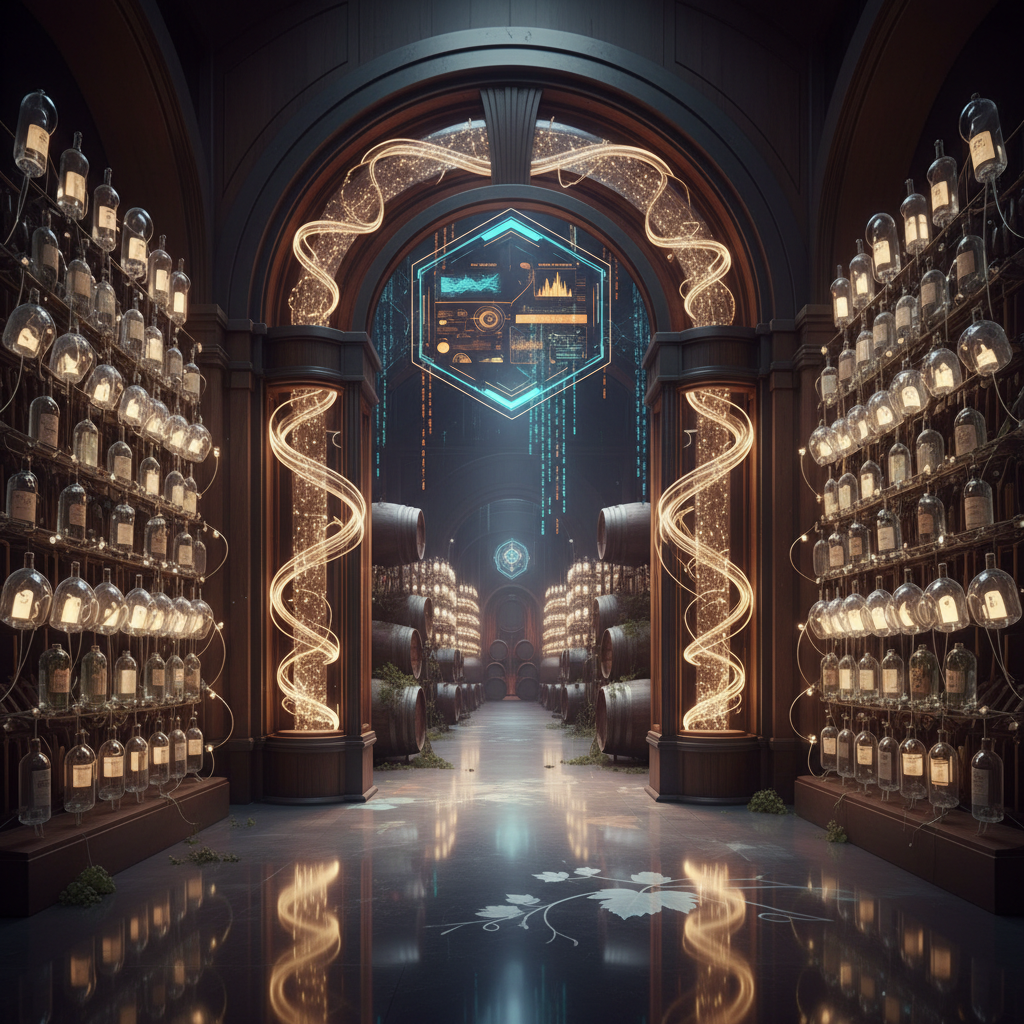
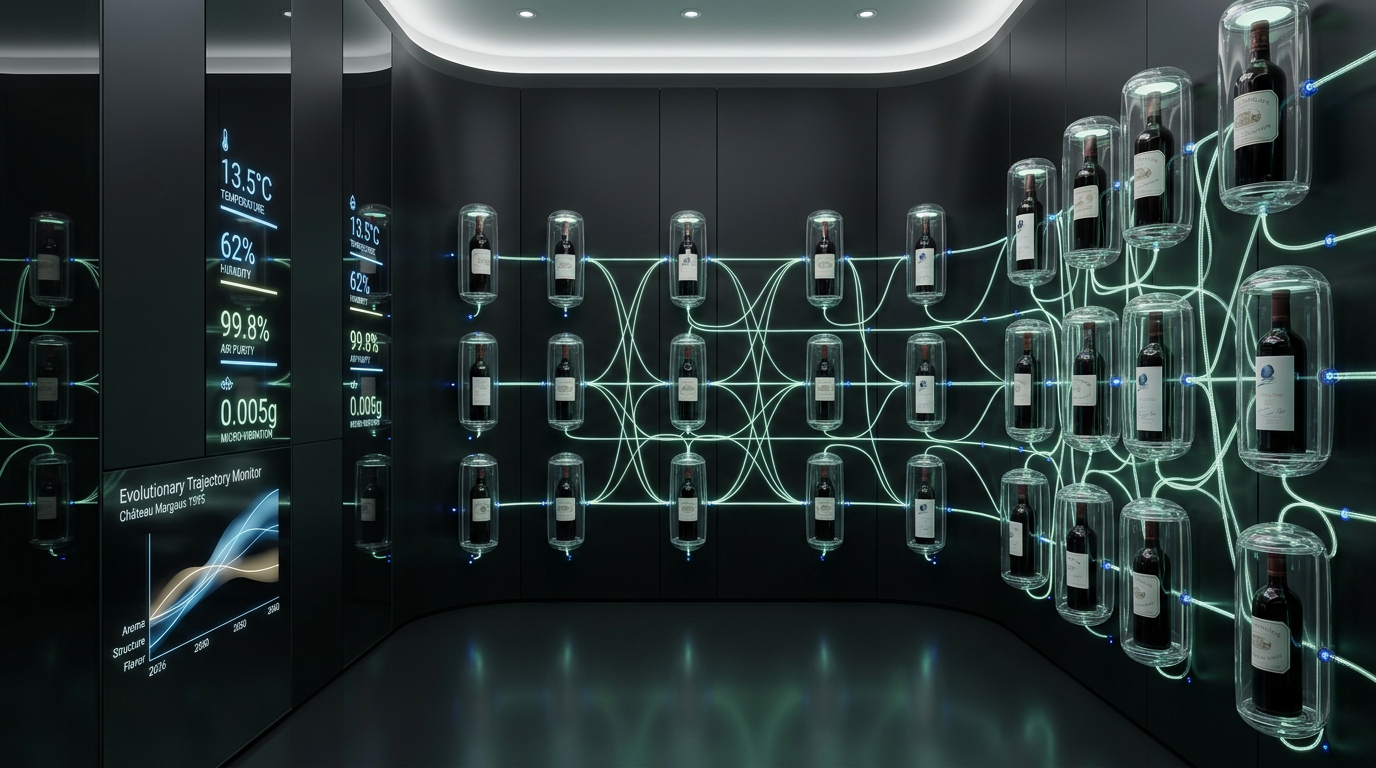
Modern cellar environments can be equipped with sensors that continuously monitor temperature, humidity, and even light levels. These systems, often connected via IoT (Internet of Things), can alert owners in real-time to any deviations from ideal conditions, allowing for immediate corrective action. This proactive approach is indispensable for protecting high-value library wines.
Many systems now offer cloud-based data logging, providing historical analysis of your cellar's environment. This data can be invaluable for identifying long-term trends or potential issues, further refining your wine library management strategy. Ensuring the integrity of these valuable collections also involves safeguarding against various threats, as discussed in The Art of the Silent Steward: Exploring the Unseen World of Wine Contaminants and How to Safeguard Your Collection in 2026.
Sophisticated Inventory Software and Digital Provenance
Gone are the days of paper spreadsheets. Current wine library management software allows for detailed record-keeping of each bottle, including:
- Producer, Vintage, Varietal, Appellation
- Purchase date and price
- Optimal drinking window
- Tasting notes and professional scores
- Storage location within the cellar
- Provenance details, including previous owners and storage conditions
Furthermore, blockchain technology is beginning to gain traction in the fine wine market, offering immutable records of a wine's provenance. This digital trail enhances authenticity and transparency, significantly boosting confidence for both buyers and sellers of rare library wines. For a broader perspective on ensuring authenticity in the wine market, see this article on combatting wine fraud from Wine-Searcher. This aligns with efforts to combat counterfeits, as highlighted in The Global Quest for Authentication: Combatting Wine Fraud in 2026.
The Role of Curation and Selection in Legacy Building
Effective wine library management begins long before a bottle is laid down. The initial selection process is crucial for building a collection that truly represents a legacy and offers significant aging potential. Not all wines are created equal when it comes to longevity.
Identifying Age-Worthy Wines
Key characteristics of wines built for the long haul include:
- High Acidity: Acts as a natural preservative, maintaining freshness and structure.
- Strong Tannins: Particularly in red wines, tannins soften and integrate over time, adding complexity.
- Concentrated Fruit: Intense fruit flavors provide the backbone that can stand up to decades of aging.
- Balanced Alcohol: Well-integrated alcohol contributes to stability without overwhelming other components.
- Reputable Producer and Vintage: Producers with a track record of crafting age-worthy wines, especially from exceptional vintages, are a safer bet. For more on the characteristics of specific vintages, consider The Art of the Micro-Vintage: How Hyper-Local Climate Shifts Define 2026's Most Unique Wines.
Strategic Acquisition and Portfolio Diversification
A well-curated oenotheque often includes a diverse range of age-worthy wines. This diversification can span different regions (e.g., Bordeaux, Burgundy, Napa Valley, Piedmont), varietals (e.g., Cabernet Sauvignon, Pinot Noir, Nebbiolo, Riesling), and even producers. A balanced collection not only offers varied tasting experiences but also hedges against the fluctuating performance of specific wines or regions.
For those managing a commercial library or a significant personal collection, understanding market trends and future investment potential is also a key aspect of strategic acquisition. Consulting with wine experts or brokers can be invaluable in this selection process in 2026. Insights from professional sommeliers on future classics can be found in The Art of the Sommelier's Secret Cellar: Unearthing Hidden Gems and Future Classics in 2026.
Maintaining and Accessing Your Collection: The Ongoing Process
Once established, an oenotheque requires ongoing attention. Proper maintenance and strategic access are critical aspects of successful wine library management, ensuring that the wines continue to evolve beautifully and are enjoyed at their peak.
Regular Inspection and Re-corking
While generally stable, library wines should be periodically inspected. Look for any signs of seepage, low fill levels, or damaged corks. For very old and valuable bottles, re-corking by a skilled professional (often at the winery) can extend their life, provided it's done correctly and documented. This is a rare, but sometimes necessary, intervention. Further information on cork maintenance can be found on sites like Wine Folly's guide to wine storage.
Planned Consumption and Future Planning
A well-managed wine library isn't just about accumulation; it's also about enjoyment. Having a plan for when to open certain bottles, based on their optimal drinking windows, is essential. This requires balancing patience with the desire to experience the wine at its best. Sharing these experiences with others is often part of the joy and legacy of possessing such a collection.
For institutional or commercial oenotheques, strategic planning for future acquisitions, rotation of stock, and potential sales is crucial for sustainability and growth. The principles of sound business practice apply even to the most artistic pursuits of wine library management. The economic dynamics of the wine trade, for instance, are detailed in this overview by the OIV (International Organisation of Vine and Wine).
The Enduring Legacy of Thoughtful Wine Library Management
In 2026, the careful stewardship of a wine library is an art form that merges passion with meticulous science. From the initial selection of age-worthy vintages to the advanced technological solutions ensuring optimal storage, every step contributes to preserving a liquid history. Effective wine library management allows not just for the enjoyment of mature wines today, but also for the creation of a lasting legacy that educates, inspires, and delights future generations of wine lovers. It is through this dedication that the true potential of an oenotheque is realized, transforming a collection of bottles into a vibrant, evolving narrative of viticultural excellence.
Written by
Juniper Thorne is an experienced writer and educator with a deep passion for the world of wine. Bringing expertise in sensory analysis and wine culture to the Greatest Wine platform, Juniper helps readers explore and appreciate every nuance of wine.
Related Articles
The Cellar Architects: Mastering Elite Wine Preservation and Evolution in 2026
For the true connoisseur, wine is more than just a beverage; it's a living entity, an investment, and a passion. Mastering its preservation and evolution is an art form, especially in 2026 with new technologies and insights. Learn how to protect and enhance your cherished collection.
Juniper Thorne