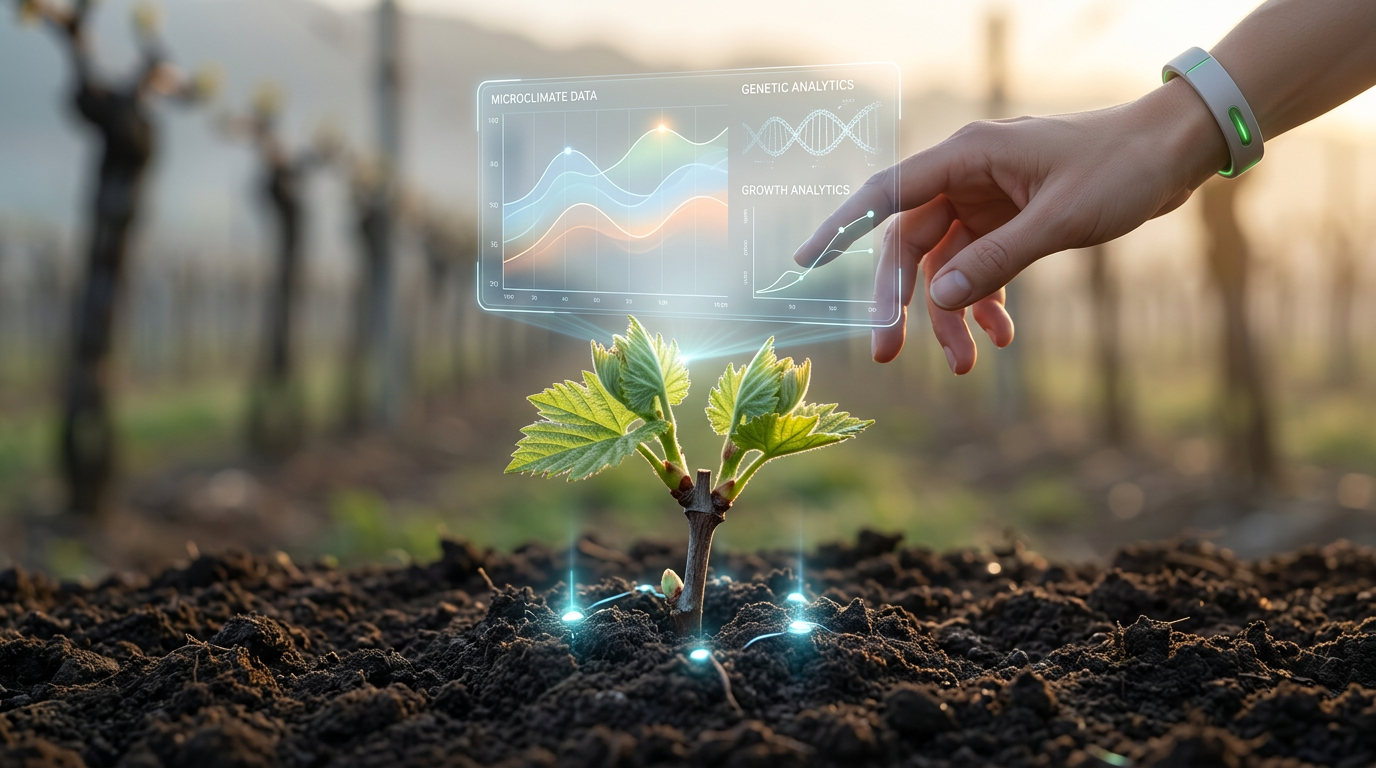
The Art of the 'Unseen' Vintage: Decoding the Impact of Nocturnal Viticulture on Wine Character in 2026
Nocturnal viticulture, the practice of conducting vineyard operations at night, is increasingly influencing wine quality and character. This innovative technique, particularly night harvesting, helps preserve delicate aromas, maintain acidity, and prevent oxidation. As of 2026, winemakers are embracing this method to produce distinctive, high-quality wines with enhanced freshness and complexity. Understand the science behind the 'unseen' vintage and its growing impact on the global wine industry.

The Art of the 'Unseen' Vintage: Decoding the Impact of Nocturnal Viticulture on Wine Character in 2026
In the evolving world of winemaking, innovative techniques continue to emerge, aiming to enhance the quality and distinctive character of wines. One such fascinating practice gaining significant traction is nocturnal viticulture. This method involves carrying out various vineyard operations, particularly harvesting, during the cooler hours of the night. As we delve into 2026, the discussion around how this 'unseen' approach impacts everything from grape chemistry to the final sensory profile of the wine has never been more relevant or widely scrutinized by connoisseurs and producers alike. This meticulous attention to detail echoes the balancing of science and spirit in 2026's best vintages, proving that thoughtful intervention can lead to exceptional results.
The Science Behind Harvesting by Moonlight: Advantages of Nocturnal Viticulture
The decision to shift vineyard work from daylight to darkness isn't merely aesthetic; it's rooted in a deep understanding of grape physiology and biochemistry. Grapes are highly sensitive to temperature fluctuations, and performing tasks like harvesting at night can significantly mitigate thermal stress.
This approach harnesses the natural temperature drop that occurs after sunset, which is crucial for preserving the delicate compounds within the grapes. Daytime heat can accelerate unwanted chemical reactions, leading to the degradation of essential aromatic precursors and an increase in pH. Understanding these interactions is key to appreciating the quantum palate and the science of flavor perception in wine.
Preserving Aromatic Freshness and Acidity
One of the primary benefits of nocturnal viticulture is the preservation of volatile aromatic compounds. These compounds are responsible for the complex and nuanced bouquet of a wine. Higher temperatures during the day can cause these delicate aromas to dissipate or undergo undesirable transformations.
- Reduced Oxidation: Cooler temperatures slow down oxidation processes, which helps maintain the fresh, vibrant fruit flavors in the wine.
- Retained Acidity: Grapes harvested at night tend to retain higher levels of acidity. Acidity is vital for balance, longevity, and freshness in wine, particularly for white and sparkling varieties.
- Brix Stability: While sugar ripeness (Brix) is determined by sun exposure over the growing season, night harvesting helps prevent rapid sugar changes post-harvest, offering more control.
Mitigating Stress on Grapes and Workers
Beyond chemical advantages, harvesting at night also provides practical benefits for both the fruit and the human element. Grapes kept cool from the moment they are picked endure less stress on their journey from vine to winery.
Furthermore, vineyard workers experience more comfortable conditions, especially in regions prone to extreme daytime heat. This can lead to increased efficiency and fewer heat-related health issues, an important consideration for sustainability and worker welfare in 2026.
Operational Challenges and Considerations for Nocturnal Viticulture
While the benefits of nocturnal viticulture are substantial, implementing this practice is not without its challenges. Wineries must carefully weigh the advantages against the operational complexities.
One of the most immediate hurdles is visibility. Working in the dark requires specialized equipment and lighting, which can be a significant upfront investment. Safety protocols must also be meticulously planned and executed to prevent accidents.
Logistical Adjustments and Investment
The entire harvesting and processing chain needs to adapt to a nocturnal schedule. This includes:
- Lighting: Portable lighting towers or tractor-mounted lights are essential.
- Cooling Infrastructure: While grapes are cool upon arrival, maintaining that temperature throughout the winemaking process might require enhanced chilling facilities.
- Staffing: Shifting to night shifts can impact labor availability and may require higher wages or different compensation structures.
The choice between manual and mechanical harvesting also plays a role. Mechanical harvesters are often equipped with lighting, making night operations more feasible. However, for premium wines where gentle handling is paramount, manual night harvesting is preferred, albeit more resource-intensive.
Energy Consumption and Environmental Impact
The increased reliance on artificial lighting and, potentially, refrigeration can lead to higher energy consumption. Wineries committed to sustainability must explore renewable energy sources to power their nocturnal operations, ensuring that the environmental benefits of reduced water usage (due to less evaporation) and healthier vines are not offset by an increased carbon footprint. As of 2026, many vineyards are investing in solar or wind power to make their night operations more eco-friendly. This commitment to sustainability is also seen in the trend of reclaimed barrels for sustainable winemaking.
The Sensory Impact: How Nocturnal Viticulture Shapes Wine Flavor and Aroma
The ultimate test of any viticultural practice lies in its impact on the final wine. Wines crafted using nocturnal viticulture often present distinct characteristics that are highly prized by critics and consumers.
These wines are frequently described as possessing a heightened sense of freshness and vibrancy. The aromas tend to be more primary and fruit-driven, showcasing the pure expression of the grape varietal.
Enhanced Fruit Purity and Varietal Expression
One of the most noticeable impacts is on the aromatic profile. Wines from night-harvested grapes typically display:
- Brighter Fruit Notes: Expect crisp apple, citrus zest, and tropical fruit in white wines, and vibrant red berry notes in lighter reds.
- Reduced Herbaceousness: The cooler temperatures can help minimize the development of undesirable green or vegetal notes, especially in grapes like Sauvignon Blanc.
- Elegance and Finesse: The overall impression is often one of elegance and precision, with well-defined flavors and a clean finish.
The preservation of acidity also translates to a livelier palate, providing a refreshing counterpoint to the fruit. This balance is crucial for creating well-rounded and age-worthy wines. Such finesse allows for a deeper appreciation of the subtle nuances, akin to how olfactory memory enhances a sommelier's palate.
Terroir and Nocturnal Influence
While nocturnal viticulture offers a compelling consistent approach, its interaction with terroir elements is also a fascinating area of study in 2026. The specific soil composition, microclimate, and grape varietal will always profoundly influence the wine's character.
However, night harvesting acts as a sophisticated tool that allows the unique nuances of the terroir to shine through with greater clarity, unmasked by the effects of daytime heat. It aids in capturing a truer snapshot of the grape at its peak physiological ripeness, translating to a more authentic expression of place in the bottle. This underlines the profound role of unseen factors, similar to the unseen architects of terroir: soil microbes, in shaping a wine's complexity.
Future Trends and Global Adoption of Nocturnal Viticulture in 2026
Looking ahead, the practice of nocturnal viticulture is poised for continued growth and refinement. As climate change continues to bring warmer growing seasons, the appeal of night harvesting as a mitigation strategy will only increase.
Winemaking regions around the globe, from the sun-drenched valleys of California and Australia to the historic vineyards of Spain and Italy, are adopting or further integrating this technique into their operations. This widespread adoption is a testament to the tangible benefits observed in the quality of the final product.
Technological Advancements in Night Harvesting
Innovation continues to drive the evolution of night harvesting. Expect to see further advancements in:
- Automated Vision Systems: Technologies that can identify optimal ripeness levels even in low light, guiding precision harvesting.
- Energy-Efficient Lighting: Development of more powerful yet eco-friendly lighting solutions.
- Robotics: The potential for autonomous harvesting robots that can operate silently and efficiently through the night, minimizing human intervention.
These advancements will not only make nocturnal viticulture more accessible but also more sustainable and efficient, pushing the boundaries of what is possible in quality winemaking. Such technological integration is also transforming aspects like blockchain provenance and AI-powered authenticity within the wine industry, ensuring quality from grape to glass.
Consumer Appreciation and Market Demand
As consumers become more educated and discerning about wine, there's a growing appreciation for the details of winemaking. Wineries that highlight their use of nocturnal viticulture can tell a compelling story of dedication to quality and innovation.
This narrative resonates with those who seek wines of exceptional freshness, purity, and varietal character. The market demand for such well-crafted wines will likely continue to incentivize producers to explore and adopt these progressive viticultural methods in 2026 and beyond. For more insights into market dynamics, particularly in the premium segments, one can explore recent analyses on global wine market trends (Statista) or reports from leading publications like Wine-Searcher regarding emerging winemaking techniques and consumer preferences.
Written by
Juniper Thorne is an experienced writer and educator with a deep passion for the world of wine. Bringing expertise in sensory analysis and wine culture to the Greatest Wine platform, Juniper helps readers explore and appreciate every nuance of wine.
Related Articles

The Cellar Architects: Mastering Elite Wine Preservation and Evolution in 2026
For the true connoisseur, wine is more than just a beverage; it's a living entity, an investment, and a passion. Mastering its preservation and evolution is an art form, especially in 2026 with new technologies and insights. Learn how to protect and enhance your cherished collection.
Juniper Thorne