The Art of the Micro-Vintage: How Hyper-Local Climate Shifts Define 2026's Most Unique Wines
In 2026, the world of winemaking is experiencing a fascinating evolution. The concept of 'micro-vintage wine 2026' is taking center stage, focusing on how incredibly localized climate phenomena, rather than broad regional patterns, are shaping the most unique and distinctive wines. This innovative approach is redefining what makes a vintage truly special.

The Art of the Micro-Vintage: How Hyper-Local Climate Shifts Define 2026's Most Unique Wines
In the evolving landscape of viticulture, a fascinating trend is taking hold, pushing the boundaries of what defines a "vintage." We're talking about the emergence of micro-vintage wine 2026, a concept that zeroes in on incredibly localized climate phenomena rather than broad regional weather patterns. This hyper-specific approach to winemaking is yielding some of the most distinctive and intriguing wines on the market, profoundly shaped by conditions sometimes affecting just a few rows of vines. As we navigate the complex climate shifts of 2026, understanding these micro-vintages becomes crucial for both connoisseurs and casual enthusiasts aiming to discover truly unique expressions of terroir.
Understanding the Phenomenon of Micro-Vintage Wine 2026
The term "vintage" traditionally refers to the year a wine's grapes were harvested, reflecting the overall weather conditions of that growing season across a region. However, a micro-vintage wine in 2026 takes this concept to an entirely new level. It acknowledges that even within a single vineyard, microclimates exist, influenced by elevation, slope aspect, soil composition, proximity to water bodies, and even surrounding vegetation. In 2026, with increasingly volatile and localized weather events, these microclimatic differences are becoming more pronounced and impactful than ever before.
Winemakers are now keenly observing these minute changes, making decisions at a parcel-by-parcel, or even row-by-row, level. This granular attention to detail allows them to capture the unique essence of a specific, small geographical area during a particular growing period. The resulting wines often exhibit nuances that would be lost in a broader, region-wide vintage assessment.
The Impact of Hyper-Local Climate on Grape Development
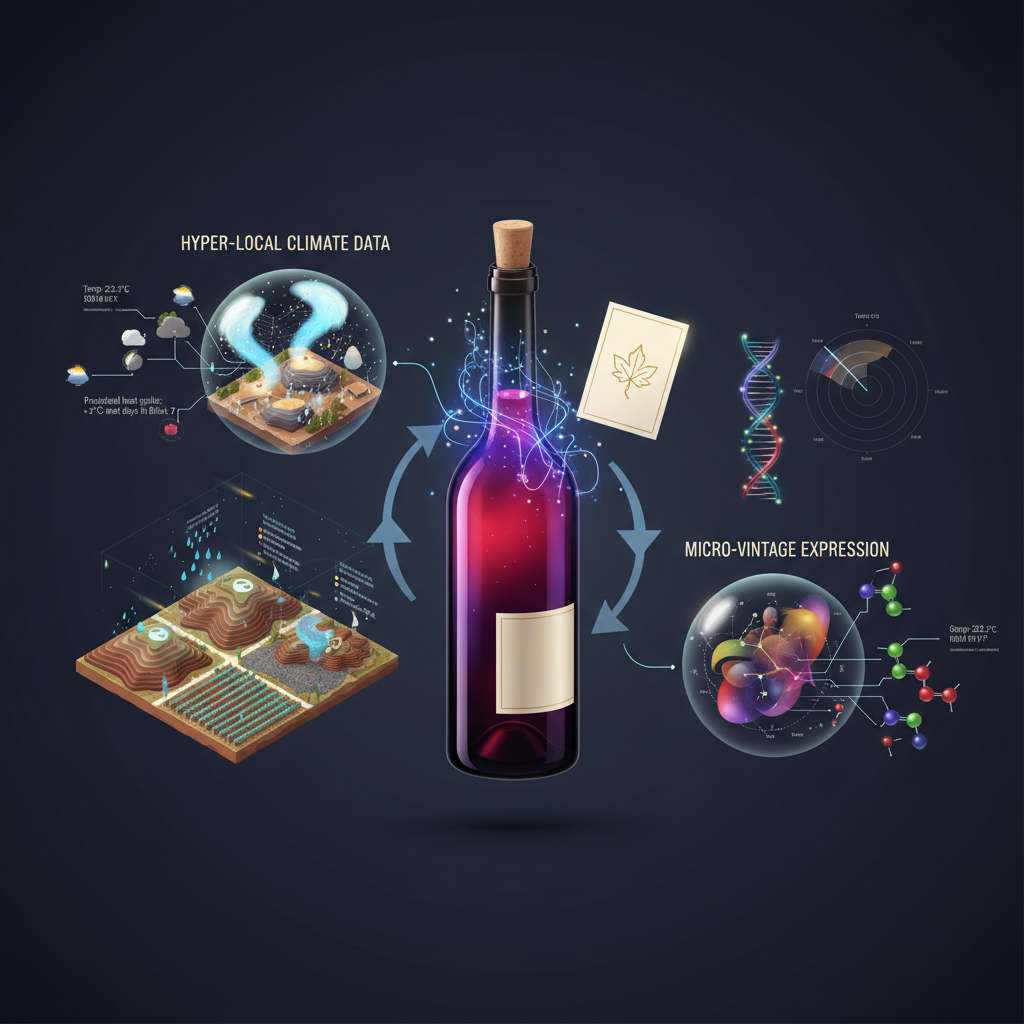
Hyper-local climate conditions have a direct and significant impact on grape development. Factors such as localized rainfall patterns, sun exposure specific to a slope, and nocturnal temperature variations can all affect the maturation of grapes. For instance, a small dip in a vineyard might accumulate cooler air, leading to slower ripening and maintaining higher acidity, while a sun-drenched, rocky outcrop nearby could produce grapes with intense sugar concentration and phenolic ripeness. It's these subtle differences that contribute to the distinctiveness of a micro-vintage wine from 2026.
- Rainfall Variations: Uneven distribution across a vineyard affecting vine stress and berry size.
- Temperature Swings: Localized pockets experiencing significantly hotter or cooler days/nights.
- Sun Exposure: The angle and duration of sunlight hitting specific rows of vines.
- Wind Patterns: Unique air currents that can dry vines or increase humidity in small areas.
Technological Advances Aiding Micro-Vintage Identification
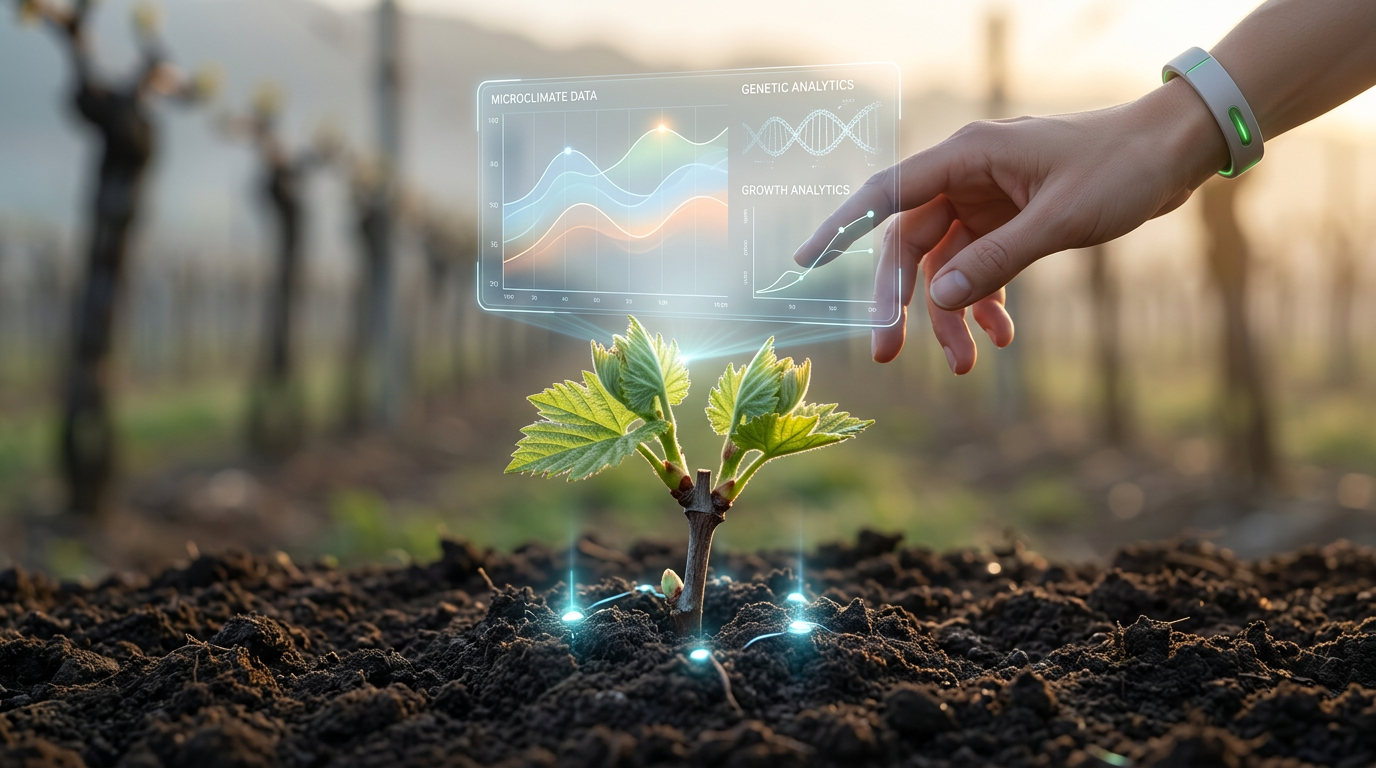
Advancements in viticultural technology are playing a crucial role in enabling winemakers to identify and capitalize on micro-vintages. Satellite imaging, drone technology, and localized weather stations provide unprecedented levels of data on soil moisture, temperature, and vine vigor across tiny sections of a vineyard. This precision agriculture allows for targeted irrigation, canopy management, and harvest timing, making the cultivation of micro-vintage wine in 2026 more feasible and effective than ever before. These tools empower winemakers to understand the unique characteristics of each small block and manage them accordingly.
The Challenges and Rewards of Crafting Micro-Vintage Wine 2026
Crafting a micro-vintage wine in 2026 presents both significant challenges and immense rewards for winemakers. The meticulous level of observation and intervention required demands a deep understanding of viticulture and an unwavering commitment to quality. However, the payoff can be a wine that truly stands apart, offering an unparalleled expression of terroir and a narrative rooted in a specific time and place.
Increased Workload and Precision
The primary challenge lies in the increased workload and precision required. Instead of managing a vineyard as a single entity, winemakers must treat numerous smaller parcels as individual units. This means separate monitoring, specific viticultural treatments, and often, independent harvesting times. The logistical complexities can be daunting, but for those dedicated to producing exceptional wine, it's a worthwhile endeavor. The investment in labor and technology is substantial, but the unique character of the wine often justifies the effort, aligning with the "Art of Terroir Translation" discussed in our article, Unpacking Winemaker Philosophy and Regional Expression in 2026.
Limited Production and Exclusivity
By its very nature, a micro-vintage wine of 2026 will always be produced in very limited quantities. When a particular microclimate phenomenon affects only a few rows of vines, the resulting wine will be extremely rare. This scarcity, while making the wine highly exclusive and sought-after, also means that winemakers must be prepared for smaller yields. This exclusivity, however, often drives up demand and perceived value among collectors and enthusiasts, akin to the Art of the 'En Primeur' Experience.
Unparalleled Terroir Expression
The greatest reward for the winemaker is the ability to produce a wine that offers an unparalleled expression of its terroir. These wines tell a story not just of a region, but of a specific corner of a vineyard, during a particular season. They can highlight nuances of soil, aspect, and microclimate that would otherwise be overshadowed in a broader blend. This level of detail offers a captivating experience for the consumer, allowing them to truly taste the land.
How to Discover and Appreciate Micro-Vintage Wine 2026
For those eager to explore the world of micro-vintage wine in 2026, knowing how to identify and appreciate these unique bottlings is key. It requires a slightly different approach than traditional wine exploration, focusing on research, provenance, and open-minded tasting.
Researching Specific Producers and Parcels
Start by researching producers known for their meticulous vineyard management and their willingness to experiment with small-batch productions. Many winemakers who embrace the micro-vintage philosophy will highlight specific vineyard blocks or even single rows on their labels or in their tasting notes. Look for terms like "single parcel," "lieu-dit," or "block-specific" on wine labels. Online resources and wine clubs dedicated to niche producers can be excellent starting points.
Engaging with Sommeliers and Wine Retailers
Your local sommelier, especially in high-end restaurants, or a knowledgeable independent wine retailer can be invaluable resources. They are often attuned to emerging trends and have direct relationships with producers who might be crafting these specialized wines. Don't hesitate to ask them about new and unique offerings, specifically mentioning your interest in micro-vintage wine 2026.
Tasting with an Open Mind
When you encounter a micro-vintage wine, approach it with an open mind and a curious palate. These wines may not conform to typical regional profiles, and their distinctiveness is precisely what makes them special. Take note of subtle differences in aroma, flavor, and texture that might point to specific growing conditions. Compare them to broader regional wines from the same vintage to truly appreciate their individuality.
- Pay attention to the aroma profile – are there subtle floral, earthy, or mineral notes that stand out?
- Evaluate the palate – does it have a unique texture, acidity, or finish?
- Consider the story – understanding the specific conditions that shaped the wine enhances the experience.
The Future of Wine: Micro-Vintages and Climate Change Adaptation in 2026
The rise of the micro-vintage wine 2026 is not just a passing trend; it represents a significant adaptation to the challenges posed by global climate change. As weather patterns become more erratic and localized, the ability to pinpoint and heroically manage smaller vineyard sections may become essential for maintaining quality and character in the face of environmental shifts.
Winemakers are already seeing the impact of sudden hailstorms, brief but intense heatwaves, or unexpected late frosts affecting only portions of their vineyards. By focusing on micro-vintages, they can mitigate risks and salvage exceptional fruit from unaffected or less impacted areas. This proactive approach ensures resilience and allows for continued innovation in wine production, even in a changing climate, a concept further explored in the broader impacts of climate change on wine.
Sustainability and Resource Management
Interestingly, the hyper-focused approach of micro-viticulture can also contribute to more sustainable resource management. By understanding the precise needs of smaller plots, winemakers can apply water, nutrients, and pest control more efficiently, reducing waste and environmental impact. This precision farming aligns well with the growing global emphasis on sustainable wine production. The pursuit of the perfect micro-vintage wine 2026 is therefore not just about luxury, but also about responsible stewardship, enhancing biodiversity in vineyards by 2026.
Driving Innovation in Viticulture
The push for micro-vintages is also driving significant innovation in viticultural practices and research. Studies into soil microbiology, clone selection adapted to specific microclimates, and even genetic mapping of vines are all being advanced through the quest to understand and optimize these minute differences. This continuous innovation benefits the entire wine industry and provides deeper insights into the complex relationship between vine, soil, and climate. For more on cutting-edge techniques, consider reading about The Rise of Hydroponic and Aeroponic Viticulture.
Conclusion: The Enduring Allure of Micro-Vintage Wine 2026
The phenomenon of the micro-vintage wine 2026 underscores a profound shift in winemaking philosophy – a move towards hyper-localization and an ever-deeper appreciation of terroir. As climate patterns continue to evolve, the ability of winemakers to identify, nurture, and express the unique characteristics of tiny vineyard parcels will become increasingly vital. These wines offer a deeply personal and nuanced experience, inviting drinkers to explore the intricate stories written by specific weather events, unique soil compositions, and the dedicated hands that guide them from vine to bottle. For those seeking the truly extraordinary in the world of wine, the journey into micro-vintages promises discovery and delight for many years to come. For more insights into this dynamic industry, consider exploring the latest statistics from the OIV (International Organisation of Vine and Wine).
Written by
Juniper Thorne is an experienced writer and educator with a deep passion for the world of wine. Bringing expertise in sensory analysis and wine culture to the Greatest Wine platform, Juniper helps readers explore and appreciate every nuance of wine.
Related Articles

The Cellar Architects: Mastering Elite Wine Preservation and Evolution in 2026
For the true connoisseur, wine is more than just a beverage; it's a living entity, an investment, and a passion. Mastering its preservation and evolution is an art form, especially in 2026 with new technologies and insights. Learn how to protect and enhance your cherished collection.
Juniper Thorne