The Art of the Vinous Zen Garden: Cultivating Micro-Terroirs for Ultra-Limited Edition Wines in 2026
In 2026, the concept of micro-terroir wines stands as a pinnacle of viticultural artistry. These ultra-limited edition wines capture the unique essence of remarkably specific plots, offering an intricate and nuanced winemaking experience. Dive into the world of vinous Zen gardens and discover the meticulous cultivation behind these exclusive wines.


The Art of the Vinous Zen Garden: Cultivating Micro-Terroirs for Ultra-Limited Edition Wines in 2026
In the intricate world of winemaking, where every nuanced detail contributes to the final masterpiece, the concept of micro-terroir wines has emerged as a pinnacle of viticultural artistry. These exceptional wines, often produced in ultra-limited editions, embody the unique characteristics of a remarkably specific plot of land, capturing its essence in liquid form. As we delve into 2026, the pursuit of these distinct expressions is more fervent than ever, driven by connoisseurs and winemakers alike who seek unparalleled depth and authenticity.
Understanding the Essence of Micro-Terroir Wines
The term "terroir" itself is famously complex, encompassing soil, climate, topography, and human practices. However, micro-terroir wines take this concept to an even finer granular level, focusing on parcels of vineyards that might be mere acres, or even fractions of an acre, exhibiting distinctive characteristics that set them apart from their immediate surroundings. These minute variations can lead to profoundly different grape profiles and, consequently, wine styles.
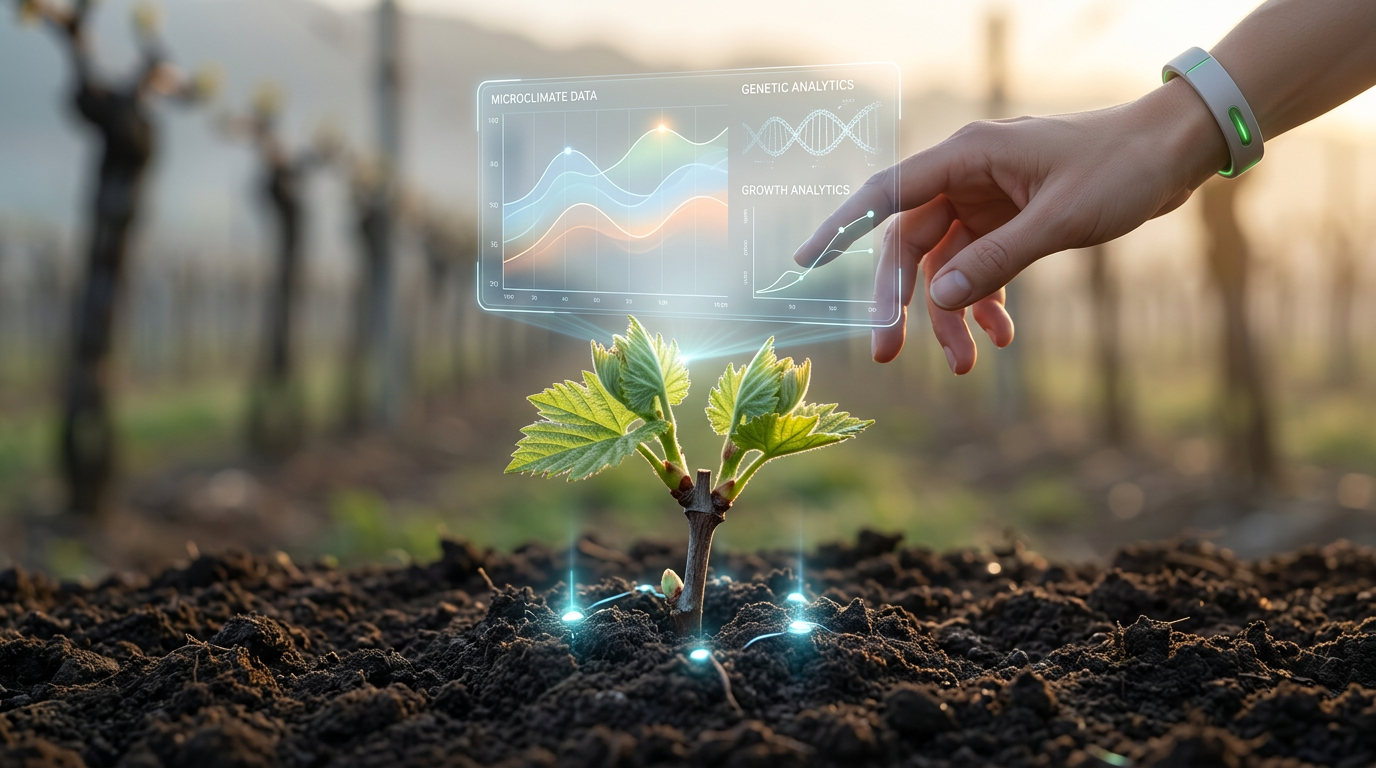
The rise of precision viticulture and advanced analytical tools in 2026 allows winemakers to identify and understand these micro-variations with unprecedented accuracy. This detailed understanding is crucial for cultivating grapes that truly express their specific micro-environment. For more on how human practices shape these expressions, read about The Art of the Vinous Anthropocene: Decoding Humanity's Indelible Mark on Wine in 2026.
What Defines a Micro-Terroir?
- Soil Composition: Even within a single vineyard, soil can vary dramatically, from clay to limestone, sand to gravel, impacting water retention, nutrient availability, and root development.
- Microclimates: Subtle differences in air currents, sun exposure (aspect), and elevation can create distinct microclimates affecting ripening patterns. A small dip or rise in the land can alter temperature and humidity significantly.
- Slope and Aspect: The angle and direction a vineyard faces can dictate how much sunlight it receives throughout the day, influencing photosynthesis and grape phenolic ripeness.
- Hydric Stress: The way water is managed or naturally distributed across a small plot can greatly impact vine health and grape concentration.
- Human Intervention: Specific viticultural practices, tailored to a minute plot, also contribute to its unique expression, consciously shaping the wine's character.
The Pursuit of Ultra-Limited Editions
The very nature of micro-terroir wines dictates limited production. Small plots yield small quantities of grapes. This scarcity, combined with the intense dedication required to cultivate such parcels, contributes to their ultra-limited edition status. For collectors and enthusiasts, these wines represent not just a beverage, but a piece of viticultural history and an artistic expression of a unique place.
Winemakers embracing this philosophy prioritize quality over quantity, often employing meticulous hand-harvesting and intensive sorting to ensure only the finest grapes make it into these special bottlings. This attention to detail is non-negotiable for producing wines of such exceptional character. Understanding the consumer psychology behind these choices is explored in The Art of the 'Cognitive Corkscrew': Understanding Consumer Psychology in Wine Purchasing Decisions for 2026.
The Evolution of Viticulture for Micro-Terroir Wines in 2026
The year 2026 sees winemakers pushing the boundaries of viticultural science to better understand and manage their specific parcels. Technology plays a pivotal role, not just in analysis but also in execution, allowing for precision hitherto unimaginable. This has profound implications for the future of micro-terroir wines.
Advanced sensor technology, drone mapping, and robust data analytics are now commonplace in vineyards dedicated to these high-value productions. Winemakers can monitor everything from soil moisture levels at different depths to vine vigor row by row, or even plant by plant. For a deep dive into how technology assists in identifying unique environmental characteristics, refer to articles on The Art of the Vinous Cartography: Mapping Flavor Landscapes and Predictive Terroir in 2026.
Precision Viticulture Techniques
- Satellite and Drone Imagery: Provides detailed maps of vine vigor, identifying areas of stress or overgrowth, allowing targeted interventions.
- Soil Mapping: High-resolution soil surveys reveal precise variations in composition, enabling customized fertilization and irrigation strategies for specific zones.
- IoT Sensors: Networks of sensors embedded in vineyards monitor temperature, humidity, and even sap flow, providing real-time data for proactive management. For an example of a company leading in this technology, see Tule Technologies.
- Variable Rate Technology (VRT): Allows for precise application of water, nutrients, and pest control based on specific needs identified in different micro-zones of a vineyard.
These techniques allow winemakers to treat each section of their vineyard almost as an individual entity, maximizing the potential of every single vine. This hyper-focused approach is essential for crafting true micro-terroir wines that are expressive and distinct.
Tasting and Appreciating Micro-Terroir Wines: A Deep Dive
Tasting micro-terroir wines is an experience that transcends mere enjoyment; it’s an exploration of identity. These wines often display a heightened sense of minerality, unique aromatic profiles, and a structure that speaks volumes about their origin. They are wines that invite contemplation and discussion.
When approaching such a wine, it's beneficial to understand its context—the history of the plot, the winemaking philosophy, and the vintage conditions. This background knowledge enriches the tasting experience, providing layers of appreciation. To further enhance sensory understanding, consider The Art of Vinous Contemplation: Cultivating Mindfulness Through Wine in 2026.
Sensory Analysis for Micro-Terroir Expressions
- Aroma Complexity: Look beyond primary fruit notes for subtle earthy, mineral, floral, or even savory characteristics that reflect the soil and climate. Global flavor preferences and their deconstruction are discussed in The Art of the Vinous Palate: Deconstructing Global Flavor Preferences in 2026.
- Palate Structure: Assess the balance of acidity, tannins, alcohol, and body. How does the wine feel in the mouth? Does it have a distinct texture or weight?
- Mineral Signature: Many micro-terroir wines exhibit a distinct "mineral" quality, often described as wet stone, chalk, or saline, differentiating them from broader regional wines.
- Longevity: Often, these wines possess remarkable aging potential due to their concentration and balance, evolving gracefully over many years. For insights into wine aging, an excellent external resource is provided by Wine Folly on wine aging.
The subtle differences between two wines from adjacent plots, both technically within the same broader appellation, can be astonishing when one has the sensitivity to perceive them. It’s a testament to the power of micro-terroir.
The Future Landscape of Micro-Terroir Wines
As we navigate further into 2026 and beyond, the demand for distinctive, high-quality wines will continue to grow. Winemakers will increasingly turn to understanding and exploiting the nuances of their land, with micro-terroir wines becoming an even more significant category.
Expect to see more vineyards being subdivided and managed with extreme precision, leading to a proliferation of single-block or even single-row bottlings. This trend will be fueled by both consumer demand for unique experiences and winemakers' continuous pursuit of excellence.
Furthermore, sustainability and organic viticulture will increasingly intertwine with micro-terroir principles. Understanding the minute ecological balance of a specific plot encourages practices that nurture its unique environment rather than impose uniform solutions. This holistic approach promises a brighter, more expressive future for the world of wine, grounded in authenticity and respect for the land. For more on this, consider exploring resources like The Wine Institute's initiatives on sustainability.
The journey to discover and cultivate these vinous gems is an ongoing testament to the infinite possibilities hidden within a handful of soil and a cluster of grapes. The dedication to unlocking the secrets of the land ensures that micro-terroir wines will forever captivate and inspire.
Written by
Juniper Thorne is an experienced writer and educator with a deep passion for the world of wine. Bringing expertise in sensory analysis and wine culture to the Greatest Wine platform, Juniper helps readers explore and appreciate every nuance of wine.
Related Articles

The Cellar Architects: Mastering Elite Wine Preservation and Evolution in 2026
For the true connoisseur, wine is more than just a beverage; it's a living entity, an investment, and a passion. Mastering its preservation and evolution is an art form, especially in 2026 with new technologies and insights. Learn how to protect and enhance your cherished collection.
Juniper Thorne