The Art of the Sommelier's Sixth Sense: Anticipating the Unseen Impact of Micro-Climates on 2026 Vintages
The world of wine is an intricate tapestry woven from terroir, tradition, and the unpredictable hand of nature. For sommeliers and discerning wine enthusiasts alike, understanding the nuances that shape a vintage is paramount. This deep dive into micro-climate wine prediction explores how viticulturists and experts are increasingly leveraging advanced techniques to anticipate the unseen impact of localized weather patterns on the highly anticipated 2026 vintages. Master the art of anticipating wine quality.


The Sommelier's Sixth Sense: Mastering Micro-Climate Wine Prediction for 2026 Vintages
The world of wine is an intricate tapestry woven from terroir, tradition, and the unpredictable hand of nature. For sommeliers and discerning wine enthusiasts alike, understanding the nuances that shape a vintage is paramount. This deep dive into micro-climate wine prediction explores how viticulturists and experts are increasingly leveraging advanced techniques to anticipate the unseen impact of localized atmospheric conditions on the upcoming 2026 vintages, ensuring that every bottle tells a compelling story of its origin. This complements the broader discussion on The Art of the Winemaker's Notebook: Unearthing the Craft, Philosophy, and Legacy of 2026's Visionaries, highlighting the dedication behind each bottle.
The Art and Science of Micro-Climate Wine Prediction
Winemaking has always been a blend of art and science. However, with the rising variability in global weather patterns, the scientific aspect, particularly in micro-climate wine prediction, has gained unprecedented importance. A microclimate refers to the distinctive climate of a small-scale area, differing from the general climate of the region. These localized conditions, often influenced by topography, proximity to water bodies, elevation, and even vegetation, can dramatically alter grape development, ripening, and ultimately, wine character. This phenomenon is closely related to the concept explored in The Art of the Micro-Vintage: How Hyper-Local Climate Shifts Define 2026's Most Unique Wines.
For the 2026 harvest, vineyards across the globe are more focused than ever on understanding and predicting these minute atmospheric shifts. This proactive approach helps in making critical decisions regarding vineyard management, harvesting times, and winemaking techniques, all aimed at optimizing grape quality.
Defining Microclimates in Viticulture
- Topographical Influence: Valleys, hillsides, and plateaus each create distinct airflows and sun exposure.
- Soil Composition: Different soils (e.g., clay, limestone, sand) retain heat and moisture differently, affecting root systems and grape development.
- Proximity to Water: Lakes, rivers, and oceans moderate temperatures, preventing extreme heat or cold.
- Elevation: Higher altitudes usually mean cooler temperatures and more intense UV radiation, impacting phenolic ripeness.
- Vegetation: Surrounding forests or cover crops can influence humidity and wind patterns within the vineyard.
Technological Advancements Driving Micro-Climate Wine Prediction
The ability to accurately forecast localized weather conditions is no longer a matter of mere intuition or historical data alone. Significant strides in technology are revolutionizing micro-climate wine prediction. From advanced sensor networks to sophisticated computational models, winemakers now have an arsenal of tools at their disposal.
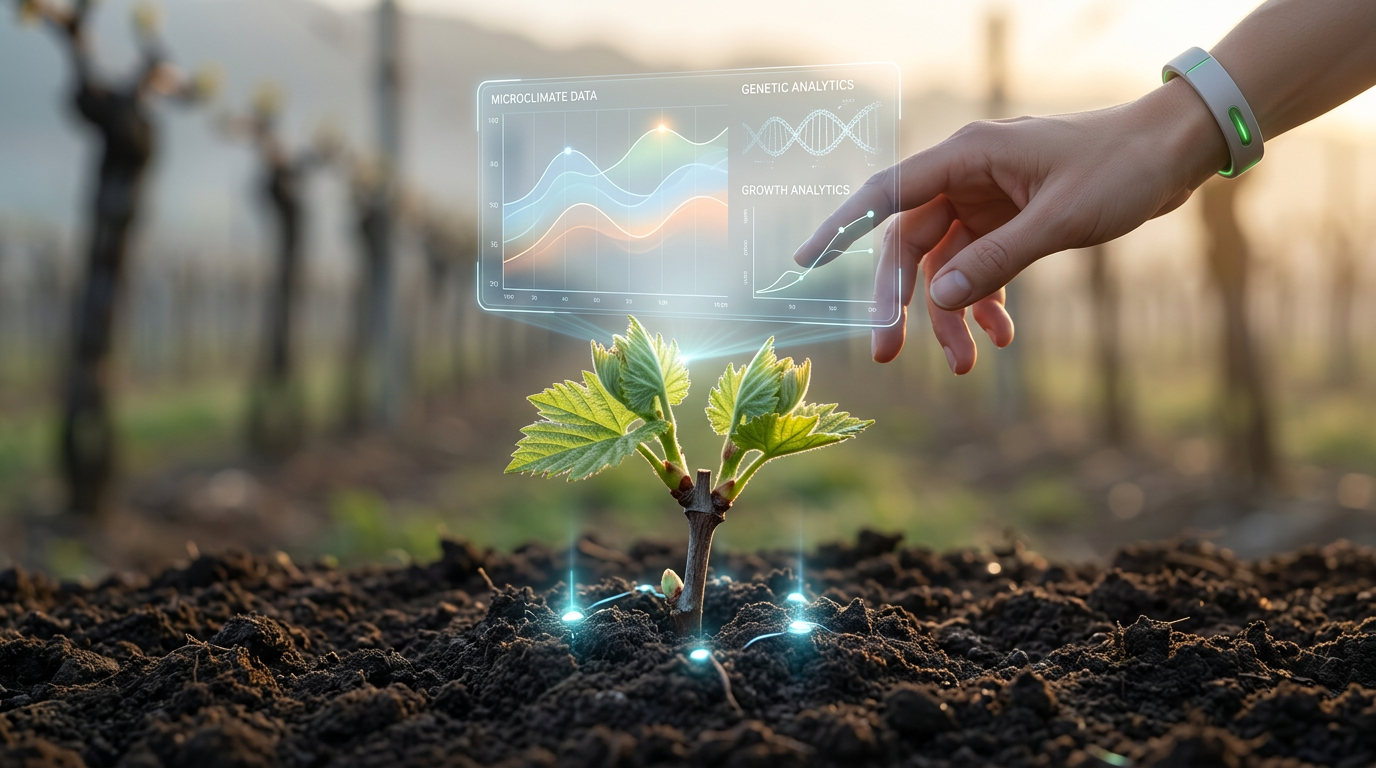
Modern vineyards are employing an array of sensors that continuously monitor parameters such as air temperature, soil temperature, humidity, wind speed, solar radiation, and leaf wetness. This hyper-localized data is then fed into predictive algorithms, often incorporating artificial intelligence and machine learning, to generate highly accurate forecasts for specific parcels within a vineyard. These predictions allow for dynamic adjustments in canopy management, irrigation, and pest control, minimizing risks and maximizing quality for the 2026 vintage. The impact of such innovations is further elucidated in discussions about The AI Sommelier: Integrating Artificial Intelligence for Predictive Pairing and Personalized Wine Discovery in 2026.
Key Technologies in Vineyard Monitoring
- Remote Sensing: Satellite imagery and drones provide broad overviews of vineyard health, identifying stress points.
- IoT Sensors: Networks of wireless sensors embedded in vineyards collect real-time, hyper-local meteorological and soil data.
- AI and Machine Learning: Algorithms analyze vast datasets to identify patterns and predict future microclimatic conditions and their potential impact on grape development.
- Geographic Information Systems (GIS): GIS platforms integrate various data layers to create detailed maps of vineyard characteristics and microclimates.
Impact of Micro-Climates on Grape Development and Wine Profile
The consequences of varying microclimates are profound, directly affecting every stage of a grape's life cycle and, consequently, the final wine profile. Understanding these influences is at the heart of effective micro-climate wine prediction.
For the 2026 harvest, even subtle differences in temperature or sun exposure could mean the distinction between perfectly ripe tannins and astringent ones, or vibrant acidity versus flabby wines. A slightly cooler microclimate might promote higher acidity and more aromatic compounds, while a warmer pocket could lead to fuller-bodied wines with riper fruit flavors. Predictive models help winemakers anticipate these outcomes and tailor their practices accordingly, contributing to the pursuit of The Elusive Art of the Perfect Vintage: Deconstructing Ideal Climates and Vintner Decisions in 2026. Interestingly, the varying microclimates can also influence the unseen ecosystem of biodiversity in vineyards, a topic further explored by Beyond the Grape: Exploring the Unseen Ecosystem of Biodiversity in Vineyards by 2026.
How Micro-Climates Shape Wine Characteristics
- Ripening Speed: Warmer microclimates accelerate sugar accumulation; cooler ones prolong the ripening period, encouraging complex flavor development.
- Acidity Levels: Cooler nights within a microclimate help preserve malic and tartaric acid, contributing to freshness and balance.
- Aromatic Profile: Specific temperatures and sun exposure influence the development of terpenes, pyrazines, and other aroma precursors.
- Tannin Structure: Consistent moderate warmth in a microclimate allows tannins to mature, becoming softer and more integrated.
- Disease Pressure: High humidity and lack of airflow in certain microclimates can increase susceptibility to fungal diseases.
The Sommelier's Role in Micro-Climate Wine Prediction and Storytelling
While technology provides invaluable data, the sommelier's role in interpreting and communicating the impact of micro-climates remains crucial. Their "sixth sense" is increasingly informed by robust data and the insights derived from modern micro-climate wine prediction.
For 2026 vintages, sommeliers will not just be tasting the wine; they will be understanding the journey of the grape itself, influenced by specific microclimatic events. This empowers them to tell richer, more nuanced stories to consumers, explaining why a particular bottle from one part of a vineyard tastes distinctly different from another, even from the same estate. This expertise elevates the wine experience, transforming a simple pour into an educational and sensory exploration. For more on refining sensory skills, consider exploring The Art of Blind Tasting: Unlocking Your Palate's Full Potential in 2026.
Communicating Micro-Climate Influences to Consumers
- Enhanced Tasting Notes: Incorporating details about specific microclimatic conditions during the growing season.
- Educational Conversations: Explaining how factors like slope, aspect, or localized weather events shaped the wine's character.
- Terroir-Driven Recommendations: Guiding patrons to wines that exemplify the unique microclimatic signatures they seek.
- Highlighting Vintage Nuances: Clarifying why 2026 might differ from 2025, attributing differences to specific micro-climatic events.
Future Outlook for Micro-Climate Wine Prediction in 2026 and Beyond
The trajectory for micro-climate wine prediction is one of continuous advancement and integration. As climate change continues to impact traditional wine regions, the ability to predict and adapt to localized conditions will become even more vital for the resilience and sustainability of the wine industry. The World Meteorological Organization (WMO) provides valuable insights into global climate patterns that influence these microclimates and their impact on agriculture, including viticulture. You can find more information about their climate monitoring efforts on the WMO website. For 2026 and subsequent years, we can expect even more sophisticated models that combine meteorological data with genetic information about grape varietals, allowing for ultra-personalized vineyard management strategies.
The synergy between cutting-edge technology and centuries of viticultural wisdom will define the future of premium winemaking, ensuring that every vintage, especially those of 2026, continues to express its unique sense of place. This ongoing evolution promises even more compelling and terroir-driven wines for us to enjoy and explore. Research from institutions like the UC Davis Robert Mondavi Institute for Wine and Food Science consistently pushes the boundaries of viticultural science and wine research. Furthermore, organizations like the International Organisation of Vine and Wine (OIV) play a key role in promoting scientific and technical research, contributing to the global understanding and adaptation strategies for viticulture in a changing climate.
Written by
Juniper Thorne is an experienced writer and educator with a deep passion for the world of wine. Bringing expertise in sensory analysis and wine culture to the Greatest Wine platform, Juniper helps readers explore and appreciate every nuance of wine.
Related Articles

The Cellar Architects: Mastering Elite Wine Preservation and Evolution in 2026
For the true connoisseur, wine is more than just a beverage; it's a living entity, an investment, and a passion. Mastering its preservation and evolution is an art form, especially in 2026 with new technologies and insights. Learn how to protect and enhance your cherished collection.
Juniper Thorne