The Art of the Sommelier's Sixth Sense: Anticipating the Unseen Impact of Micro-Climates on 2026 Vintages
For discerning sommeliers and wine enthusiasts, understanding the subtle yet profound impact of micro-climate influence on wine is paramount, especially when looking ahead to the 2026 vintages. The journey from vine to glass is a complex interplay of geology, viticulture, and atmospheric conditions. Among these, microclimates emerge as critical determinants, shaping the grape's development and ultimately the wine's character. This article delves into how these localized weather patterns, often unseen by the casual observer, can dramatically alter the profile of upcoming wines.


The Sommelier's Sixth Sense: Anticipating the Unseen Impact of Micro-Climates on 2026 Vintages
For discerning sommeliers and wine enthusiasts, understanding the subtle yet profound impact of micro-climate influence wine is paramount, especially when looking ahead to the 2026 vintages. The journey from vine to glass is a complex interplay of geology, viticulture, and atmospheric conditions. Among these, microclimates emerge as critical determinants, shaping the grape's unique character and ultimately, the wine's quality and regional identity. This often-unseen influence requires a "sixth sense" from those tasked with curating and explaining the world's finest wines, akin to a Sommelier's Oracle decoding future trends.
Decoding the Terroir: How Micro-Climate Influence Wine
Terroir, a holistic concept encompassing soil, topography, and climate, is frequently discussed in wine circles. However, it's the granular details of local atmospheric conditions, the very definition of a micro-climate, that often dictate the success or failure of a vintage. A micro-climate influence wine can mean the difference between a good year and an exceptional one, even within the same vineyard block. This intricate relationship with the environment is a cornerstone of cognitive terroir, where our perception is shaped by these very details.
These localized weather patterns, often spanning only a few acres, lead to significant variations in grape ripeness, acidity, and aromatic profiles. As we anticipate the 2026 harvest, understanding these nuances becomes even more crucial for predicting wine styles and quality.
Defining Microclimates in Viticulture
- Topography: Hills, valleys, and slopes create pockets of differing sun exposure, air drainage, and temperature.
- Water Bodies: Nearby rivers, lakes, or oceans moderate temperatures, preventing extreme heat or cold and often reflecting sunlight.
- Vegetation: Surrounding forests or hedgerows can act as windbreaks or shade providers, impacting local humidity.
- Soil Composition: Different soil types retain heat and water differently, influencing vine stress and grape development.
- Altitude: Higher elevations generally lead to cooler temperatures and greater diurnal shifts, impacting acidity and phenolic ripeness.
The Impact on Grape Physiology
The subtle shifts in temperature, humidity, and sunlight duration caused by microclimates directly affect grape development. For instance, a slightly cooler pocket might extend the ripening period, allowing for greater phenolic maturation and more complex aromatics. Conversely, a warmer, sunnier slope could lead to earlier ripening, potentially resulting in wines with higher alcohol and bolder fruit flavors. This variable micro-climate influence wine truly shapes the final product, helping us understand the importance of capturing ephemeral aromas.
Temperature Swings and Their Role in Micro-Climate Influence Wine
One of the most critical aspects of micro-climate influence wine is the diurnal temperature variation. This refers to the difference between daytime highs and nighttime lows. Vineyards with significant diurnal shifts often produce wines of exceptional quality. The warm days promote sugar accumulation, while the cool nights preserve acidity and enhance aromatic compound development.
In regions like the Willamette Valley or Burgundy, even a few degrees' difference in diurnal range within a small area can dramatically alter the wine's balance. Sommeliers keenly observe these patterns, especially considering the unpredictable weather trends of recent years, to forecast the character of potential 2026 releases.
Understanding Diurnal Variation
The cooling effect at night allows grapes to 'rest,' slowing down the respiration process and maintaining vital acidity. Without this cool-down, grapes can become flabby and lose their freshness. Furthermore, cooler nights are crucial for the development of anthocyanins (color compounds) and complex terpenes (aroma precursors). This explains why wines from vineyards with strong diurnal shifts often exhibit vibrant color and nuanced bouquets. This intricate process speaks to the deep connection between the vine and its immediate environment, a concept further explored in Quantum Terroir: Unlocking the Subatomic Secrets of Wine's Sense of Place in 2026.
Frost and Hail: Microclimate Threats
While often beneficial, microclimates can also pose significant threats. Localized frost pockets, especially during budbreak in spring or veraison in late summer, can devastate a vintage. Similarly, hailstorms, which can be highly localized, can strip vines of leaves and damage berries in mere minutes, even while neighboring vineyards remain untouched. Vignerons employ various strategies, from wind machines to sophisticated netting, to mitigate these microclimate-induced risks. The impact of such events highlights the delicate balance that winemakers strive to maintain, often leading to decisions around technical intervention in 'natural' wine.
Sunlight, Aspect, and the Vine's Exposure
The amount of direct sunlight a vine receives is fundamental to photosynthesis and grape ripening. Here, vineyard aspect – the direction a slope faces – plays an enormous role in micro-climate influence wine. A south-facing slope in the Northern Hemisphere receives more intense and prolonged sunlight, leading to riper grapes, typically with higher sugar levels and softer tannins.
Conversely, an east or west-facing slope will have different exposure patterns, influencing the pace of ripening and grape composition. This variability allows winemakers to select specific clones or grape varieties best suited to each unique microsite within their vineyard, optimizing for quality in every parcel.
The Significance of Slope and Elevation
Steeper slopes often provide better drainage, preventing waterlogging and encouraging vines to root deeper, which can lead to more concentrated grapes. Elevation also plays a part; higher altitudes typically mean cooler temperatures and often more intense UV radiation, which can thicken grape skins, leading to more color and tannin in the wine. These intricate details are essential when assessing the potential of a 2026 vintage. Understanding these factors is key for sommeliers who chroniclme the evolution of taste and industry in 2026.
Canopy Management and Microclimate Modification
Winemakers effectively create their own microclimates through canopy management techniques. By selectively removing leaves (leaf pulling), they can increase sunlight exposure to the grape clusters, promote air circulation, and reduce disease pressure. Conversely, leaving more leaves can provide shade during intense heat waves, preventing sunburn and preserving acidity. This hands-on approach highlights how viticulturists actively manage the micro-climate influence wine.
Anticipating 2026: The Sommelier's Predictive Power
For a sommelier, the ability to anticipate how micro-climate influence wine will manifest in upcoming vintages, such as 2026, is a cornerstone of their expertise. This isn't merely guesswork; it's an informed prediction based on historical data, current weather patterns, and an understanding of specific vineyard characteristics. They look at reports on budbreak, flowering, and veraison dates, cross-referencing them with localized temperature and precipitation records.
This predictive power allows them to advise clients on which wines to seek out, which regions might have produced exceptional quality, and which might benefit from additional aging. As we dive into 2026, the nuanced understanding of microclimates becomes even more invaluable given the shifting global climate patterns. This continuous learning is critical for chronicling the evolution of taste and industry.
Tools for Microclimate Assessment
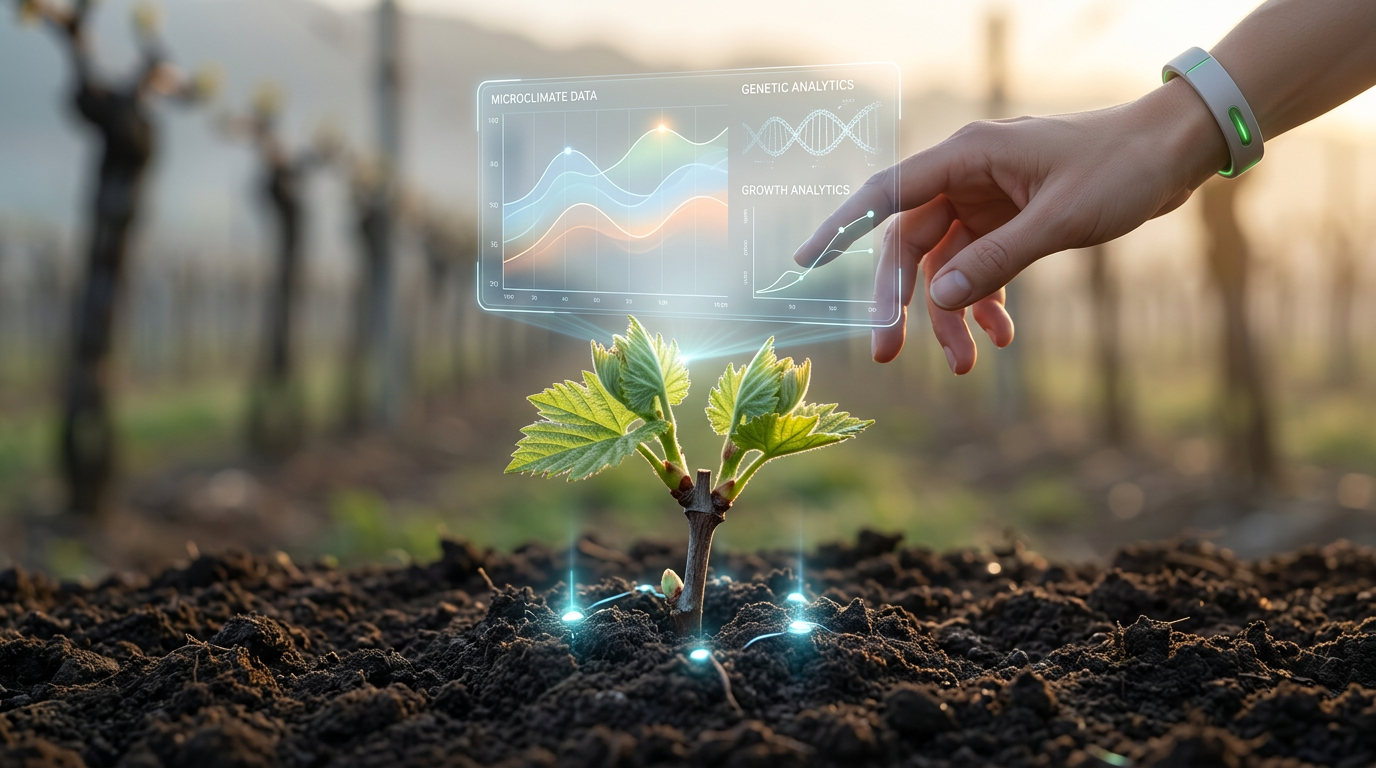
Modern viticulture increasingly employs technology to monitor microclimates. Satellite imagery, drone surveillance, and networks of localized weather stations provide real-time data on temperature, humidity, and soil moisture variations within a vineyard. This information helps winemakers make precise decisions, from irrigation schedules to harvest timing, further honing the micro-climate influence wine.
- Digital Weather Stations: Provide hyper-local temperature, humidity, and rainfall data.
- Soil Sensors: Monitor moisture levels at various depths, informing irrigation strategies.
- Thermal Imaging: Drones equipped with thermal cameras can identify cooler or warmer sections of a vineyard.
- GIS Mapping: Geographic Information Systems integrate various data points to create detailed microclimate maps.
The Evolution of Wine Styles Due to Microclimates
As global climate patterns continue to evolve, the significance of microclimates only grows. Winemakers are actively adapting, planting new varietals in previously unsuitable sites, or altering farming practices to capitalize on specific micro-climatic advantages. The 2026 vintages will undoubtedly reflect these ongoing adaptations, showcasing wines that are increasingly expressions of finely tuned micro-terroirs. The continuous study of micro-climate influence wine is thus essential for both producers and consumers, much like the comprehensive guide to wine terroir provides foundational knowledge.
The Sommelier as a Micro-Climate Interpreter
Ultimately, the sommelier acts as an interpreter, translating the complex story of micro-climate influence wine into an accessible and enjoyable experience for the consumer. They don't just present a wine; they tell its story, explaining how specific conditions in a particular vineyard block in 2026 contributed to its aroma, texture, and flavor. This deep understanding elevates the wine-tasting experience, connecting the drinker more intimately with the land and the craftsmanship involved. Excellent insights into how various environmental factors affect vineyards can be found in Jancis Robinson's viticulture resources.
From understanding the subtle oceanic influence on a Sonoma Coast Pinot Noir to the cooling mountain air of an Alto Adige Gewürztraminer, their knowledge of microclimates allows them to guide choices beyond mere varietal preference, unveiling the true depth and provenance of each bottle. It is this depth of knowledge that truly establishes "Greatest Wine" as a premier platform for wine education, much like how the Guild of Sommeliers glossary aids in understanding key wine concepts.
Written by
Juniper Thorne is an experienced writer and educator with a deep passion for the world of wine. Bringing expertise in sensory analysis and wine culture to the Greatest Wine platform, Juniper helps readers explore and appreciate every nuance of wine.
Related Articles

The Cellar Architects: Mastering Elite Wine Preservation and Evolution in 2026
For the true connoisseur, wine is more than just a beverage; it's a living entity, an investment, and a passion. Mastering its preservation and evolution is an art form, especially in 2026 with new technologies and insights. Learn how to protect and enhance your cherished collection.
Juniper Thorne