The Art of the 'Vinous Hyphenation': Deconstructing Hybrid Grape Varieties and Their Terroir Blends in 2026
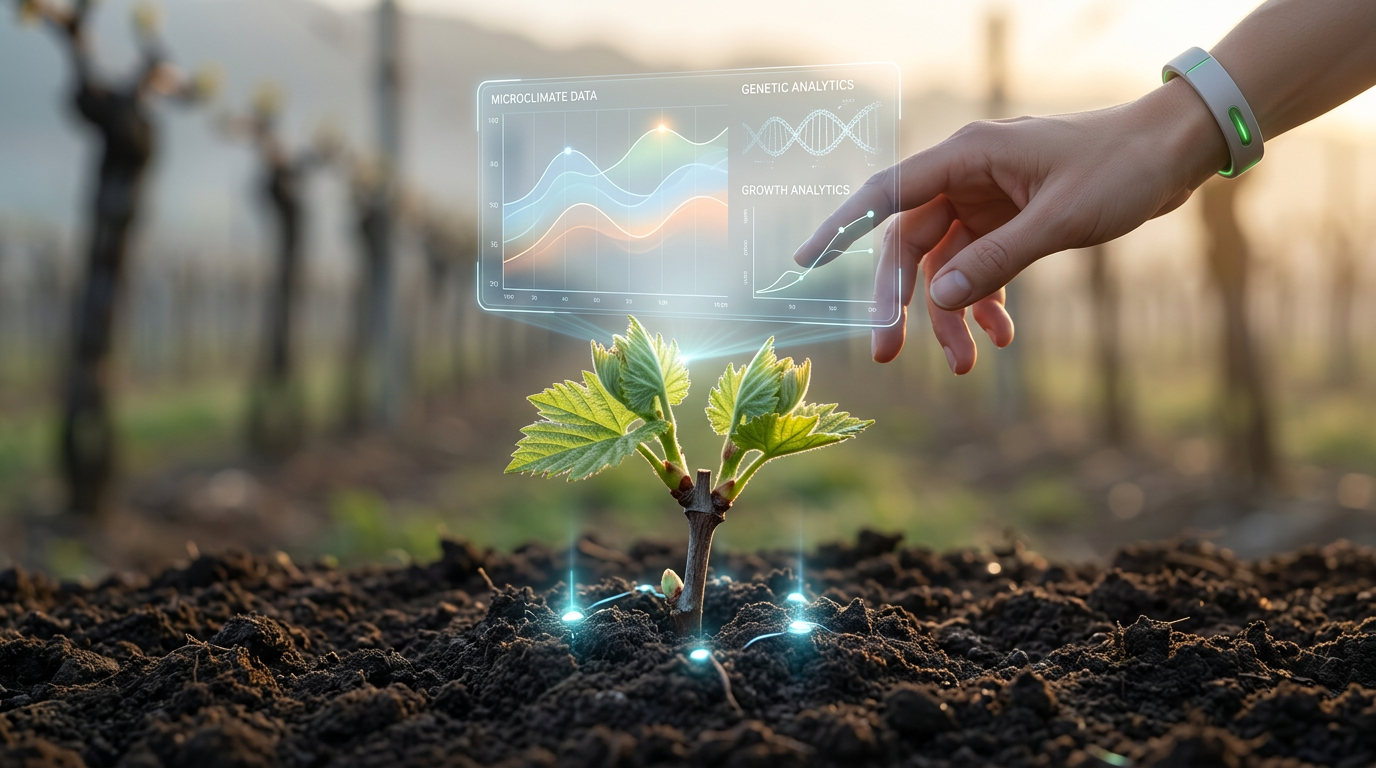
In 2026, hybrid grape varieties are at the forefront of viticultural innovation. These fascinating crossbreeds, born from careful selection and hybridization, are revolutionizing winemaking by offering enhanced disease resistance and adaptability to challenging climates, shaping the future of terroir blends.


Hybrid Grape Varieties 2026: The Future of Wine
In the dynamic world of viticulture, innovation is constant. Few areas exemplify this more than the rise of hybrid grape varieties in 2026. These fascinating crossbreeds, born from the careful selection and hybridization of different Vitis species, are truly revolutionizing winemaking. They offer enhanced disease resistance, adaptability to challenging climates, and unique flavor profiles. As we delve into the heart of 2026, the conversation around these "vinous hyphenations" is maturing. It's moving beyond mere curiosity to a serious consideration of their role in sustainable viticulture and diverse terroir expression. This piece, presented by Greatest Wine, explores the evolution, advantages, and sensory contributions of these remarkable grapes, focusing on the exciting developments for hybrid grape varieties in 2026.
Understanding the Genesis of Hybrid Grape Varieties in 2026
The concept of hybrid grape varieties in 2026 is certainly not new. Efforts to cross-pollinate different grape species date back centuries. However, modern breeding programs, fueled by scientific advancements and an urgent need for more resilient vines, have brought these varieties to the forefront. Unlike traditional Vitis vinifera grapes, which are highly susceptible to diseases like powdery mildew and phylloxera, hybrids often possess natural resistance. This significantly reduces the need for chemical interventions, aligning perfectly with the global push for organic and biodynamic farming practices in 2026. The continued development of hybrid grape varieties promises a more sustainable future for viticulture. Understanding the unique characteristics of hybrid grape varieties in 2026 is crucial for winemakers and enthusiasts alike.
Historical Context and Evolution of Hybrid Grapes
Early attempts at hybridization, particularly in the wake of the phylloxera epidemic in the 19th century, often yielded grapes with less desirable flavor characteristics. These were sometimes described as "foxiness." However, tireless research and meticulous crossbreeding over the past century have dramatically improved the quality and complexity of modern hybrids. Today, breeders focus on balancing disease resistance with exceptional enological potential. This leads to grapes that can produce wines of remarkable depth and character. Furthermore, this evolution continues to accelerate in 2026. For a deeper dive into the science behind grape development, explore The Art of the Vinous Epigenome: Unlocking Ancestral Memory in Grapes for 2026's Unique Wines. The advancements in hybrid grape varieties are truly remarkable, making hybrid grape varieties in 2026 a key topic.
Distinguishing Hybrids from Crosses and Clones
It's important to differentiate hybrid grape varieties from simple crosses within the Vitis vinifera species (e.g., Cabernet Sauvignon, a cross of Cabernet Franc and Sauvignon Blanc) or clones (genetic mutations of an an existing variety). True hybrids involve the interspecies cross-pollination of two or more different Vitis species. Examples include Vitis vinifera with Vitis labrusca, Vitis riparia, or Vitis aestivalis. This genetic diversity is precisely what bestows their unique resilience and opens up new possibilities for winemakers in 2026, making hybrid grape varieties a key focus for innovation. The future of hybrid grape varieties in 2026 looks promising.
The Sustainable Edge: Why Hybrid Grapes Matter in 2026
The environmental challenges facing viticulture are undeniable. These range from changing climate patterns to the imperative of reducing chemical use. This makes hybrid grape varieties in 2026 an increasingly vital part of the solution. Their inherent resistance to common fungal diseases like downy and powdery mildew, as well as their tolerance to extreme temperatures, offers a compelling sustainable advantage. For more on crafting wines that reflect their environment, see The Art of the Vinous Bioregion: Crafting Wines that Echo Their Unique Ecological Home in 2026. The benefits of these hybrid grape varieties are clear for a greener future. The adoption of hybrid grape varieties in 2026 is a testament to the industry's commitment to sustainability.
Reduced Environmental Impact of Hybrid Varieties
- Fewer Treatments: Hybrid grapes typically require significantly fewer fungicide sprays. This leads to reduced chemical runoff and lower energy consumption for vineyard operations.
- Adaptability to Climate Change: Many hybrids thrive in cooler, wetter, or more extreme climates. In these conditions, traditional Vitis vinifera often struggles, thereby expanding viable viticultural regions.
- Biodiversity Support: By decreasing reliance on synthetic pesticides, hybrids help foster healthier vineyard ecosystems. This supports beneficial insects and soil microbes.
This commitment to sustainability resonates deeply with consumers in 2026. Increasingly, they are seeking out eco-friendly products and practices. Wineries that embrace hybrid grape varieties can proudly market their environmental stewardship, appealing to a growing segment of conscious consumers. The International Organisation of Vine and Wine (OIV) offers further insights into global sustainable viticulture initiatives. The future of wine relies heavily on innovations like hybrid grape varieties in 2026.
Economic Benefits for Growers with Hybrid Grapes
Beyond environmental advantages, widespread adoption of hybrid grape varieties offers substantial economic benefits. Lower reliance on chemical treatments translates directly into reduced material costs and labor. Furthermore, greater crop stability in challenging years minimizes financial risk for growers. These economic incentives, coupled with the environmental benefits, make hybrids a very attractive proposition for the industry in 2026. The economic viability of hybrid grape varieties is a major driver for their increasing popularity, especially for hybrid grape varieties in 2026.
Sensory Exploration: Tasting the Diversity of Hybrid Grape Varieties in 2026
One of the most exciting aspects of hybrid grape varieties in 2026 for wine enthusiasts is their diverse and often exotic sensory profiles. Moving beyond the familiar notes of Cabernet or Chardonnay, hybrids introduce a new spectrum of aromas, flavors, and textual experiences. It's truly an opportunity for adventurous palates to discover unique wines. Indeed, their complex profiles are a growing topic of discussion among sommeliers this year. To learn more about honing your palate, read The Art of the Sommelier's Sixth Sense: Cultivating Intuition and Predictive Palate for 2026's Unseen Vintages. The distinct characteristics of these hybrid grape varieties are truly captivating. Exploring the sensory world of hybrid grape varieties in 2026 is a delightful journey for any wine lover.
Common Hybrid Characteristics and Flavor Profiles
While generalizations are difficult given the vast array of hybrids, some common themes emerge for hybrid grape varieties in 2026:
- White Hybrids (e.g., Vidal Blanc, Seyval Blanc, La Crosse): These often present vibrant acidity and notes of green apple, citrus, peach, and sometimes a distinctive minerality. They can range from bone-dry to lusciously sweet dessert wines.
- Red Hybrids (e.g., Marquette, Frontenac, Léon Millot): These tend to offer bright red fruit notes like cherry and raspberry, often with earthy undertones, spice, and sometimes a hint of herbaceousness. Their tannins can be softer than classic vinifera reds.
Terroir Expression in Hybrid Wines
Like their Vitis vinifera cousins, hybrid grape varieties are profoundly influenced by terroir. The interaction of soil, climate, topography, and human intervention shapes their aroma and flavor. Winemakers experimenting with hybrids are discovering how specific terroirs amplify certain characteristics. This leads to wines that are not only sustainable but also deeply expressive of their place of origin. This exploration of "terroir blends" with hybrids is a significant trend in 2026, yielding wines that reflect both the unique grape and its specific growing conditions. The Art of the Vinous Cartography: Mapping Flavor Landscapes and Predictive Terroir in 2026 provides more context on this topic. The unique terroir expression of hybrid grape varieties in 2026 is a key differentiator.
Food Pairing Adventures with Hybrid Wines
The distinct profiles of hybrid wines open up new avenues for food pairing. For instance, a crisp Vidal Blanc might be a perfect match for spicy Asian cuisine, while a fruit-forward Marquette could beautifully complement grilled salmon or roasted poultry. Embracing hybrid wines challenges traditional pairing rules, encouraging culinary creativity and adventurous dining experiences. This enriches global wine culture in 2026, offering exciting new gastronomic possibilities with hybrid grape varieties.
Leading Hybrid Grape Varieties to Watch in 2026
As we navigate 2026, several hybrid grape varieties are gaining significant traction. They are proving their worth in diverse wine regions and winning over critics and consumers alike. These grapes represent the vanguard of the hybrid movement, showcasing their potential and versatility. Furthermore, their presence on restaurant wine lists is noticeably increasing. Resources like the Wine Folly guide to hybrid grapes offer additional information on these burgeoning varieties. Keep an eye on these promising hybrid grape varieties in 2026.
Popular White Hybrid Varieties
- Vidal Blanc: A French-American hybrid widely planted in Canada and the Eastern US. It is known for its high acidity and fruit notes, excelling in producing dry table wines, sparkling wines, and intensely sweet ice wines.
- Seyval Blanc: Another French-American hybrid, appreciated for its crisp acidity, citrus, and herbal notes. It's often used for still and sparkling wines, offering a refreshing alternative.
- La Crosse: A cold-hardy American hybrid, particularly successful in colder climates of the Midwest. It yields wines with bright fruit, floral aromas, and good acidity.
Prominent Red Hybrid Varieties
- Marquette: Developed by the University of Minnesota, Marquette is a highly cold-hardy red hybrid. It produces wines with cherry, berry, and spice notes, good tannin structure, and is often compared to Pinot Noir. Its prominence continues to grow in 2026 across various regions.
- Frontenac: Also from the University of Minnesota, Frontenac is another cold-hardy grape that can create robust red wines with notes of cherry, blackcurrant, and plum, as well as rosé and fortified wines.
- Léon Millot: A French-American hybrid producing medium-bodied red wines with a distinctive earthy and peppery character, and often notes of dark berries.
These examples illustrate the broad spectrum of styles and regions where hybrid grape varieties are making their mark. They are truly driving innovation and expanding the definition of quality wine in 2026.
The Future of Wine: Integrating Hybrid Grape Varieties in 2026 and Beyond
The trajectory for hybrid grape varieties in 2026 is one of increasing acceptance and integration into the global wine landscape. As climate pressures intensify and consumer demand for sustainable products grows, hybrids are poised to play an even more significant role. The "vinous hyphenation" is no longer a niche curiosity but a crucial component of future-proofing the wine industry. Indeed, their long-term impact on viticulture is now undeniable. The Art of the Vinous Renaissance: Reviving Nearly Extinct Local Grape Varieties for 2026's Authentic Terroir further emphasizes the importance of grape diversity and the role of hybrid grape varieties. The continued evolution of hybrid grape varieties in 2026 promises an exciting future for wine.
Innovation in Winemaking Techniques for Hybrid Grapes
Winemakers are continually experimenting with new techniques to best express the unique characteristics of hybrid grapes. This includes specific fermentation protocols, oak aging regimens, and blending strategies. These are designed to enhance complexity and mitigate any less desirable traits. The adaptability of these grapes also encourages creative approaches, from pét-nat production to innovative dessert wine styles. Therefore, the innovation driven by hybrid grape varieties is truly exciting. Research institutions, such as Cornell University's Grape Breeding & Genetics program, are at the forefront of this innovation. The potential of hybrid grape varieties in 2026 is vast.
Consumer Education and Acceptance of Hybrids
A key aspect of mainstreaming hybrid grape varieties is ongoing consumer education. Dispelling misconceptions and highlighting their quality, diversity, and sustainability benefits is crucial. Wine enthusiasts, especially those aligned with Greatest Wine's philosophy of exploring the full culture and craftsmanship of wine, are increasingly open to discovering these new taste experiences. This positive reception is a promising sign for their future. Educating consumers about hybrid grape varieties in 2026 will be vital for their widespread adoption.
Regulatory Landscape and Regional Identity for Hybrid Wines
Globally, regulatory bodies are slowly adapting to the inclusion of hybrid grapes in appellation laws. They are recognizing their quality and importance. As regions increasingly define their unique viticultural identities, the strategic use of disease-resistant hybrid grape varieties can help forge new traditions and establish distinctive regional styles. This truly embodies a marriage of science and terroir in 2026 and beyond. Thus, the legal framework is gradually catching up with this viticultural revolution. The regulatory acceptance of hybrid grape varieties in 2026 marks a significant milestone.
Written by
Juniper Thorne is an experienced writer and educator with a deep passion for the world of wine. Bringing expertise in sensory analysis and wine culture to the Greatest Wine platform, Juniper helps readers explore and appreciate every nuance of wine.
Related Articles

The Cellar Architects: Mastering Elite Wine Preservation and Evolution in 2026
For the true connoisseur, wine is more than just a beverage; it's a living entity, an investment, and a passion. Mastering its preservation and evolution is an art form, especially in 2026 with new technologies and insights. Learn how to protect and enhance your cherished collection.
Juniper Thorne