Beyond the Bottle: Unveiling the Economic and Societal Impact of the Global Wine Trade in 2026
Delve into the profound global wine trade impact in 2026, examining its reach from cultivation and production to distribution and consumption. This article explores how the wine industry supports agricultural communities and shapes economies, offering critical insights for producers, consumers, and policymakers alike. Understand the multifaceted influence beyond just the bottle.

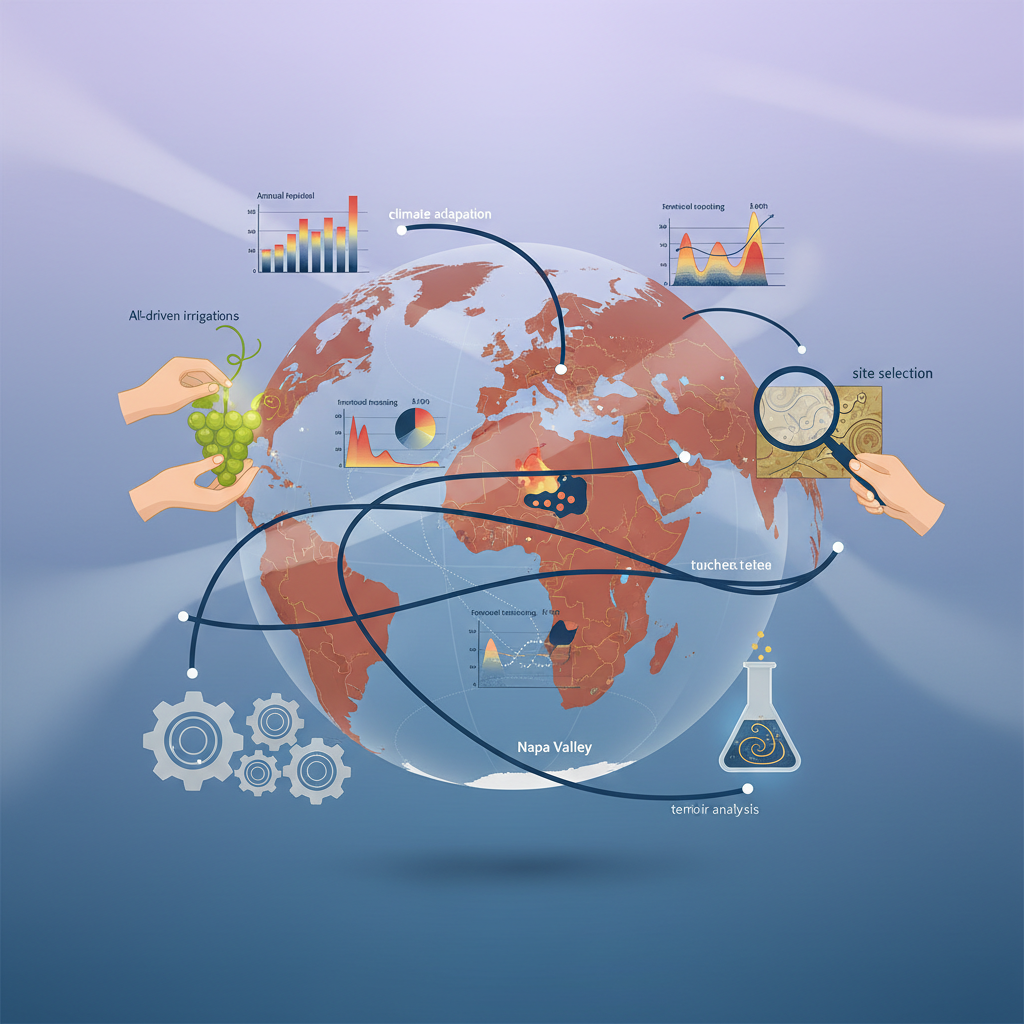
Global Wine Trade Impact: Economic, Societal & Environmental Factors in 2026
The intricate web of cultivation, production, distribution, and consumption that defines the wine industry generates a profound global wine trade impact, extending far beyond the clinking of glasses. As we navigate 2026, understanding this multifaceted influence is crucial for producers, consumers, and policymakers alike. From supporting agricultural communities to shaping international relations, the wine trade is a powerful economic engine and cultural ambassador, deeply influencing the global economy.
Economic Pulsations: Unpacking the Global Wine Trade Impact
The economics of wine are staggering. In 2026, the global wine market continues its robust expansion, driven by evolving consumer tastes and increased accessibility. This growth translates into significant financial inflows for producing nations and substantial revenue for retail and hospitality sectors worldwide. Furthermore, investment in vineyards, wineries, and related infrastructure creates millions of jobs globally, spanning from viticulture to logistics and marketing. This economic activity highlights the significant global wine trade impact.
Agricultural Employment and Rural Development
Wine production is inherently tied to agriculture. Vast tracts of land are dedicated to viticulture, forming the backbone of rural economies in many regions. Consequently, grape growing provides sustainable livelihoods for countless families. Key contributions include:
- Job creation in vineyard management and harvesting.
- Support for local agricultural suppliers and services.
- Diversification of rural economies through wine tourism initiatives.
Export Revenues and Trade Balances
For major wine-producing countries, exports represent a critical component of their national income. Nations like France, Italy, Spain, Australia, and Chile, for instance, rely heavily on international markets to absorb their production and generate foreign exchange. Trade agreements and tariffs significantly influence these export dynamics, shaping which wines reach which markets. Therefore, the pursuit of new markets for wine continues to be a strategic priority for many countries in 2026, underscoring the global wine trade impact on national economies. For a deeper dive into the global wine market's health, consult reports from organizations like the International Organisation of Vine and Wine (OIV).
Tourism and Hospitality Growth
Wine tourism has blossomed into a standalone industry, attracting millions of visitors to wine regions annually. This influx boosts local economies through accommodation, dining, transportation, and direct wine sales. Wine festivals, cellar door experiences, and vineyard tours contribute to a vibrant tourism sector, enhancing regional brand recognition. Clearly, the experiential aspect of wine is a powerful draw for modern travelers. Understanding sommelier secrets can further enhance the tourism experience for enthusiasts.
Geopolitical Dynamics and the Global Wine Trade Impact
Wine, surprisingly, often plays a subtle but significant role in international relations. Trade disputes, political alliances, and cultural exchanges can all be influenced by the flow of wine across borders. Indeed, the global wine trade impact extends beyond mere commerce into the realm of diplomacy. In 2026, geopolitical shifts continue to shape trade routes and market access, requiring producers to be agile and responsive. Understanding these dynamics is key to navigating the complex international landscape.
Trade Agreements and Tariffs
Bilateral and multilateral trade agreements are pivotal in facilitating the movement of wine. Reduced tariffs and streamlined customs procedures can open up new markets and lower consumer costs, boosting trade volumes. Conversely, political tensions can lead to increased tariffs or import restrictions, directly impacting wine producers and consumers. Recent global events have underscored the fragility of established trade pathways, further highlighting the global wine trade impact. The World Trade Organization (WTO) provides extensive data on global trade regulations affecting agricultural products like wine.
Cultural Diplomacy and Soft Power
Wine acts as a powerful cultural ambassador, representing the history, traditions, and terroir of its origin. Exporting wine is, in many ways, exporting culture, fostering understanding and appreciation between nations. Wine tasting events and promotional activities often serve as platforms for cultural exchange, building bridges between diverse communities. The prestige associated with certain wine regions, undoubtedly, enhances a nation’s soft power and contributes to the global wine trade impact.
Impact of Climate Change on Wine Production
Climate change is an undeniable factor shaping the future of the global wine trade. Shifting weather patterns, increased frequency of extreme events, and changes in growing seasons are forcing adaptations. Regions traditionally unsuited for viticulture are becoming viable, while established regions face new challenges. This necessitates innovation in viticulture and winemaking techniques, impacting global supply chains and the overall global wine trade impact. Understanding ideal climates and vintner decisions is more critical than ever in 2026.
Societal and Environmental Responsibilities of the Global Wine Trade
As consumer awareness grows, the wine industry faces increasing scrutiny regarding its societal and environmental footprint. Sustainability, ethical labor practices, and health considerations are now paramount. Therefore, the global wine trade impact is being redefined by these critical considerations. Producers are investing in environmentally friendly practices and transparent supply chains to meet evolving consumer expectations. This shift reflects a broader commitment to responsible business.
Sustainability and Organic Practices
There's a strong movement towards sustainable, organic, and biodynamic winemaking. Consumers are increasingly seeking wines produced with minimal environmental impact, free from synthetic pesticides and chemicals. Certifications for sustainable practices are gaining prominence, guiding consumer choices and incentivizing producers to adopt greener methods. Water conservation and biodiversity protection are key focus areas. This also ties into the exploration of Forgotten Grapes and Rediscovered Flavors, often cultivated with sustainable practices, further shaping the global wine trade impact.
Ethical Labor and Fair Trade
Ensuring fair wages and safe working conditions for vineyard workers and winery employees is a growing concern. The industry is working towards greater transparency and accountability in its labor practices. Fair trade certifications are emerging in the wine sector, providing consumers with assurance that their purchases support equitable treatment across the supply chain. This addresses past issues of exploitation and improves the global wine trade impact positively.
Health and Consumption Trends
Public health discourse around alcohol consumption continues to evolve. The wine industry is responding with initiatives that promote responsible drinking and offer a wider range of low-alcohol and alcohol-free alternatives. Consumer preferences for healthier lifestyles are influencing product development and marketing strategies. The focus is clearly shifting towards quality over quantity and mindful consumption. For more information on responsible alcohol consumption guidelines, refer to reputable health organizations such as the World Health Organization (WHO).
Future Trends Shaping the Global Wine Trade Impact in 2026
Looking ahead in 2026, several key trends are set to profoundly influence the global wine trade impact. Technological advancements, shifting demographics, and evolving consumption patterns will shape the industry for decades to come. Innovation in viticulture and marketing, coupled with a deep understanding of consumer behavior, will be crucial for success in a dynamic marketplace.
Technological Innovations in Winemaking
Advancements in precision viticulture, smart irrigation systems, and AI-driven data analysis are revolutionizing grape growing. In the winery, new fermentation techniques and climate-controlled storage are enhancing quality and efficiency. Additionally, blockchain technology is being explored for supply chain transparency, providing consumers with verifiable information about a wine's origin and production journey. The rise of tools like the AI Sommelier exemplifies this technological leap, further influencing the global wine trade impact.
E-commerce and Digital Marketing
The shift to online sales, accelerated by recent global events, continues to be a dominant trend. Wineries are investing heavily in e-commerce platforms and digital marketing to reach a global audience directly. Social media influencers, interactive online tastings, and personalized recommendations are becoming standard tools for engaging consumers and building brand loyalty in the digital space.
Emergence of New Wine Regions and Varieties
Climate change and consumer curiosity are driving the emergence of new wine regions in unexpected parts of the world. Likewise, ancient or lesser-known grape varieties are finding renewed popularity. This diversification adds excitement and choice to the market, showcasing the incredible biodiversity of the global wine landscape. It also presents opportunities for new producers to enter the market and redefine the global wine trade impact.
The Enduring Legacy of the Global Wine Trade
The journey of wine, from vine to glass, is a complex narrative interwoven with economic prosperity, cultural exchange, and environmental responsibility. In 2026, the global wine trade impact remains undeniably significant, shaping landscapes, livelihoods, and international relationships. As the industry continues to innovate and adapt, its enduring legacy as both a commodity and a cultural artifact will undoubtedly continue to evolve, reflecting the ever-changing tastes and values of a global society.
Written by
Juniper Thorne is an experienced writer and educator with a deep passion for the world of wine. Bringing expertise in sensory analysis and wine culture to the Greatest Wine platform, Juniper helps readers explore and appreciate every nuance of wine.
Related Articles

The Vinous Verse: How Wine's Spirit Inspires 2026's Poetic and Literary Masterpieces
The intricate dance between the grape and the written word has enchanted humanity for millennia. Explore the profound connection between wine and literature, from ancient musings to 2026's contemporary narratives and poetic masterpieces. Discover how the world of wine continually inspires writers.
Juniper Thorne