The Art of the Future Terroir: How Geopolitical Shifts and Climate Adaptation are Sculpting 2026's Emerging Wine Regions
As we navigate through 2026, the global wine landscape continues its dynamic evolution. This year, the spotlight shines brightly on the emerging wine regions, shaped by an intricate dance between geopolitical shifts, innovative climate adaptation strategies, and shifting consumer preferences. Discover the future of terroir now.

The Art of the Future Terroir: How Geopolitical Shifts and Climate Adaptation are Sculpting 2026's Emerging Wine Regions
As we navigate through 2026, the global wine landscape continues its dynamic evolution, revealing fascinating trends and unexpected territories. This year, the spotlight shines brightly on the emerging wine regions 2026, shaped by an intricate dance between geopolitical shifts, innovative climate adaptation strategies, and shifting consumer preferences. Understanding these foundational changes is crucial for anyone keen to explore the future of viticulture and discover the next great wines. Greatest Wine delves deep into these transformations, providing insights into the fascinating new terroirs that are gaining prominence.
For more on how winemakers are interpreting their unique environments, explore The Art of Terroir Translation: Unpacking Winemaker Philosophy and Regional Expression in 2026.
Climate Resilience and Innovation Driving Emerging Wine Regions 2026
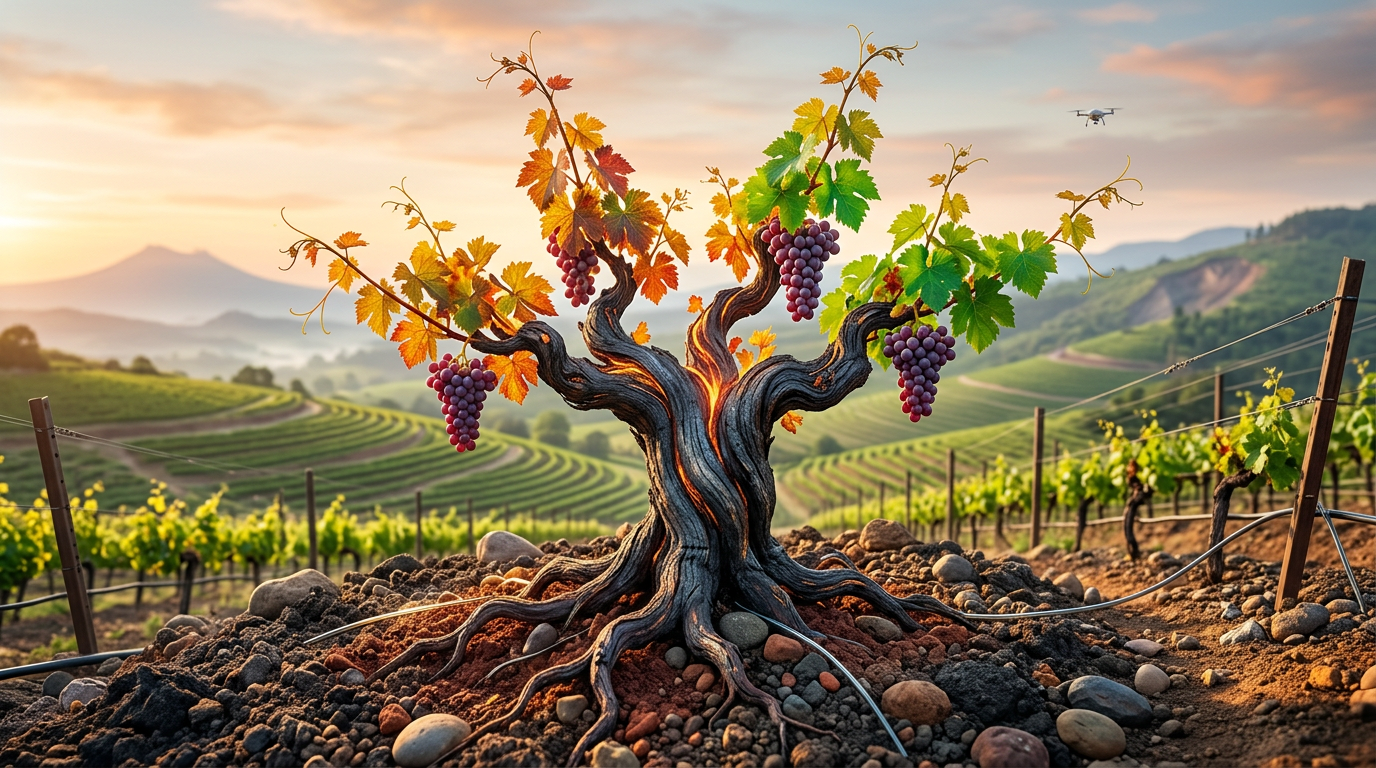
Climate change remains one of the most significant challenges and catalysts for innovation in the wine industry. Traditional wine-growing areas are facing unprecedented weather patterns, prompting winemakers to look for new, more resilient locations. This search for cooler climes and diverse soils is a major factor in the rise of emerging wine regions 2026.
Winemakers globally are adopting cutting-edge techniques to mitigate the effects of environmental shifts. From drought-resistant rootstocks to advanced canopy management, the industry is demonstrating remarkable adaptability. For a deeper dive into modern viticulture, see this Modern Viticulture Overview.
Adaptation Strategies in Viticulture
- Varietal Diversification: Wineries are experimenting with lesser-known grape varieties better suited to changing temperatures and rainfall patterns. Think Alibernet in Central Europe or Assyrtiko outside Greece. Discover more about Forgotten Grapes, Rediscovered Flavors: Exploring the Revival of Ancient Wine Varieties in 2026.
- Precision Viticulture: Leveraging drones, AI, and sensor technology for hyper-localized vineyard management, optimizing water use and nutrient delivery.
- Sustainable Practices: A widespread move towards organic, biodynamic, and regenerative agriculture is not only environmentally conscious but also builds vineyard resilience against climate extremes throughout 2026.
These proactive measures are not just about survival; they are about creating new opportunities for quality wine production in previously overlooked territories, making them key aspects of the emerging wine regions 2026 narrative.
For an interesting perspective on micro-climates, check out The Art of the Micro-Vintage: How Hyper-Local Climate Shifts Define 2026's Most Unique Wines.
Geopolitical Influences on New Wine Terroirs
Beyond climate, geopolitical and socio-economic factors play a substantial role in carving out new wine regions. Shifting trade policies, increased political stability in historically volatile areas, and government investments in agricultural sectors are opening doors for viticulture in unexpected places.
In 2026, we observe how renewed diplomatic ties and regional collaborations are indirectly fostering wine production. Furthermore, increased internal tourism within countries is supporting local wineries, allowing them to scale up and gain international recognition. This aligns with a growing trend of Gastronomic Wine Tourism: Immersive Culinary Journeys in 2026.
Impact of Economic Development
As economies develop, so does the demand for premium local products. Governments are increasingly recognizing the economic potential of viticulture, offering incentives for vineyard establishment and wine tourism infrastructure. This support is crucial for the nascent stages of many emerging wine regions 2026.
- Government Subsidies: Financial aid for planting, technology adoption, and marketing can give essential boosts.
- Infrastructure Investment: Improved roads, utilities, and tourism facilities make new regions more appealing to both producers and consumers.
- Research and Development: State-funded agricultural research helps identify suitable terroirs and develop best practices for local conditions.
Spotlight on Emerging Wine Regions 2026: Continents Apart
While traditional powerhouses continue to thrive, 2026 is seeing some truly captivating regions step into the limelight. These areas, once considered fringe, are now producing wines of remarkable quality and character.
The Pacific Northwest, US: Beyond California
Oregon and Washington have long been recognized, but sub-regions within these states, as well as areas in Idaho and even British Columbia (Canada), are proving their mettle. Cooler climate varietals like Pinot Noir, Chardonnay, and Riesling are finding exceptional expression in these diverse microclimates. The focus here is on sustainable viticulture and artisanal production. Learn more about regional expressions in Uncorking the Terroir: A Deep Dive into Micro-Appellation Wines of 2026.
South America's High-Altitude Gems
Argentina's Uco Valley in Mendoza is consolidating its reputation, but further north, areas in Bolivia and Peru are experimenting with viticulture at astonishing altitudes. These extreme conditions, with intense UV radiation and dramatic diurnal temperature shifts, are creating uniquely concentrated and aromatic wines. Indigenous grape varieties are also seeing a resurgence, contributing to The Art of the Unsung Hero: Unearthing the World's Most Overlooked Indigenous Grape Varieties in 2026.
Eastern Europe's Renaissance
Countries like Georgia, Armenia, and even parts of Turkey are reclaiming their ancient winemaking heritage. With thousands of years of tradition, often using qvevri (large clay amphorae) production methods, these regions offer a distinct contrast to Western European styles. International interest in orange wines and natural wine movements is fueling their expansion. For historical details on these traditions, visit UNESCO's page on Qvevri winemaking.
Scandinavia and the UK: Pushing Northern Boundaries
Thanks to warmer temperatures and innovative viticultural techniques, wine production in the UK, Denmark, and even parts of Sweden is no longer a novelty. Sparkling wines from England are competing on the world stage, while still wines are showing promising development. This shift exemplifies the impact of climate change on viticultural possibility, directly influencing the profile of emerging wine regions 2026. An insightful article on this topic can be found on Wine-Searcher about UK Wine Regions.
Consumer Trends Fueling the Growth of New Terroirs
The modern wine consumer is increasingly adventurous, seeking out unique stories, sustainable practices, and novel tasting experiences. This shift in demand is a significant driver behind the visibility and success of emerging wine regions 2026.
Consumers are less brand-loyal to established labels and more open to exploring wines from lesser-known appellations. This curiosity is amplified by digital platforms and social media, which effectively democratize wine discovery.
The Rise of "Ethical & Authentic" Wines
- Sustainability: Wines with certified organic, biodynamic, or fair-trade labels are highly desirable. Consumers want to know their wine is produced responsibly.
- Authenticity and Terroir Expression: A preference for wines that truly reflect their place of origin, often from smaller, more artisanal producers.
- Indigenous Varieties: A strong interest in grape varieties native to specific regions, offering unique flavor profiles not found elsewhere.
The desire for new narratives and genuinely distinctive wines positions these emerging wine regions 2026 perfectly to capture a growing segment of the global market. Wine enthusiasts are eager to delve into the history and future of these pioneering vineyards, seeking to understand not just the taste, but the soul of the wine.
The Future of Wine: What 2026 Reveals
As we project forward, the trends observed in 2026 indicate a wine world that is more diverse, more resilient, and more global than ever before. The notion of "traditional" wine regions is expanding to include areas previously unimaginable for viticulture. This ongoing evolution challenges preconceived notions and offers a thrilling landscape for exploration.
The interplay between environmental necessity, human ingenuity, and changing global dynamics means that the list of emerging wine regions 2026 is not static; it is constantly being rewritten.
Investing in the Future of Wine
For investors, sommeliers, and wine lovers alike, paying attention to these emerging regions is paramount. They represent not just new wines to taste, but also new stories to tell and new frontiers to explore. Greatest Wine is committed to bringing you the most current and in-depth analysis of these transformative shifts.
The character of wine in 2026 is increasingly defined by its adaptability and its ability to reflect the unique conditions of its origin, no matter how recent that origin may be. The future of terroir is bright, varied, and full of exciting possibilities, ensuring that the journey of wine discovery continues to be endlessly captivating.
Written by
Juniper Thorne is an experienced writer and educator with a deep passion for the world of wine. Bringing expertise in sensory analysis and wine culture to the Greatest Wine platform, Juniper helps readers explore and appreciate every nuance of wine.
Related Articles

The Vinous Verse: How Wine's Spirit Inspires 2026's Poetic and Literary Masterpieces
The intricate dance between the grape and the written word has enchanted humanity for millennia. Explore the profound connection between wine and literature, from ancient musings to 2026's contemporary narratives and poetic masterpieces. Discover how the world of wine continually inspires writers.
Juniper Thorne