The Art of the 'Vinicultural Time Capsule': Reviving Ancient Wine Styles and Fermentation Techniques in 2026
In 2026, the wine world is witnessing a profound resurgence: the revival of ancient wine styles and fermentation techniques. This movement transcends mere nostalgia, focusing on unique flavors, sustainable practices, and a rich historical connection. From Georgia’s qvevri to Roman-era methods, winemakers are embracing these 'vinicultural time capsules' to craft distinctive and authentic wines, offering consumers an unparalleled taste experience. Discover how this trend is shaping the future of global wine production.

The Art of the 'Vinicultural Time Capsule': Reviving Ancient Wine Styles in 2026
In the evolving landscape of global wine production, a profound resurgence is taking shape: the re-discovery and revival of ancient wine styles 2026. This movement goes far beyond mere nostalgia; it’s a commitment to exploring the roots of winemaking, bringing forth unique flavors, sustainable practices, and a deeper connection to history. From Georgia’s qvevri to the Roman dole, winemakers worldwide are uncovering techniques that predate modern industrial processes, proving that sometimes, the oldest ways are the most innovative.
The Resurgence of Ancient Winemaking Practices: Unearthing Ancient Wine Styles 2026
The wine world in 2026 is buzzing with experimentation and a return to tradition. Contemporary winemakers are increasingly looking to the past, not just for inspiration, but for concrete methods that offer distinct advantages. These practices challenge conventional notions of winemaking, often resulting in wines with unparalleled character and complexity.
This trend is driven by several factors, including a desire for authenticity, an interest in natural and minimal intervention wines, and a curiosity about the diverse spectrum of flavors that have been largely forgotten. Consumers, too, are seeking out these unique offerings, eager to explore what ancient techniques can produce. For a deeper dive into how winemakers are balancing tradition with modern sensibility, explore The Art of the Winemaker's Intuition: Balancing Science and Spirit in 2026's Best Vintages.
Qvevri and Amphora Wines: Vessels of History
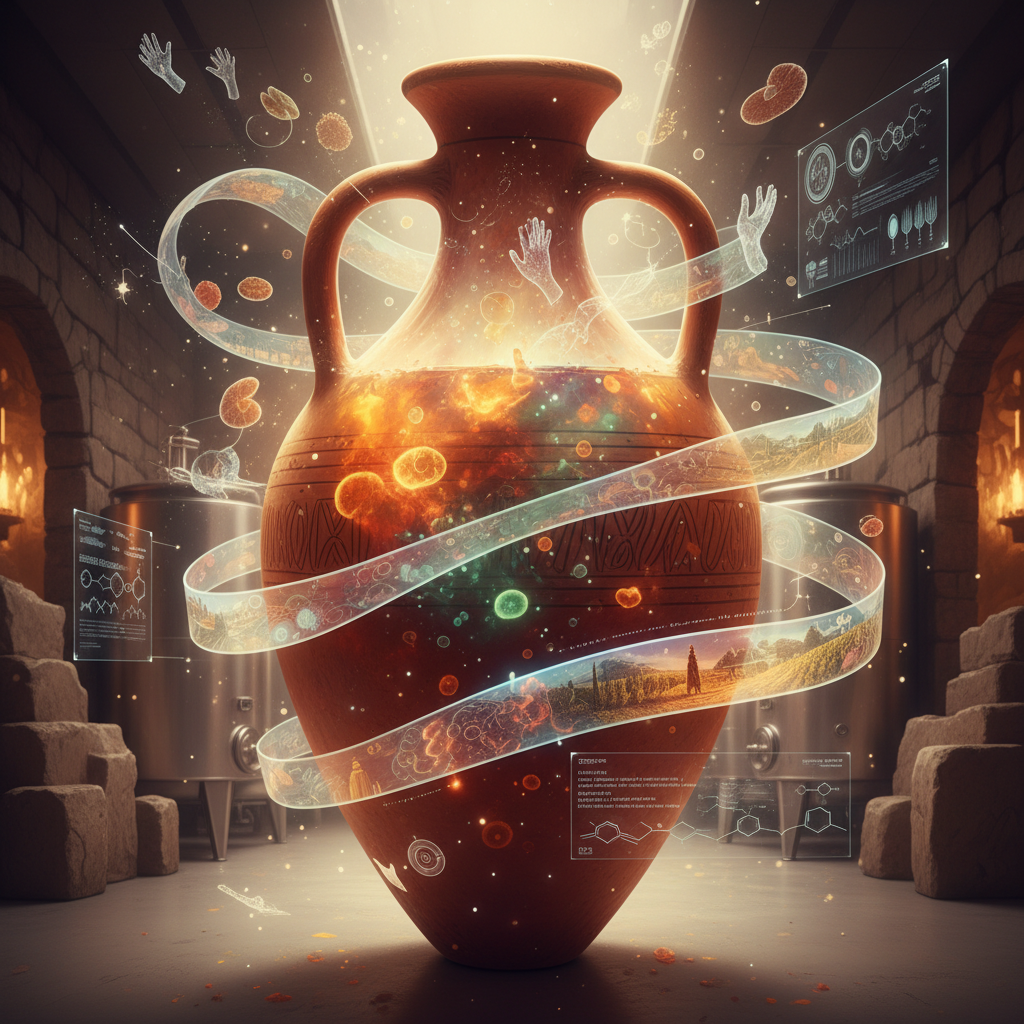
Perhaps the most prominent example of revived ancient techniques is the use of qvevri and amphorae. Originating in Georgia over 8,000 years ago, qvevri are large, earthenware vessels buried underground, used for fermenting and aging wine.
- Georgian Qvevri: These porous vessels allow for gentle oxygen exchange, contributing to unique tannic structures and oxidative notes, especially in white wines (often called "orange wines" due to their deep amber hue). The skin contact during fermentation, sometimes lasting for months, extracts color, phenolics, and a distinct texture.
- Mediterranean Amphorae: Similar to qvevri but typically used above ground, amphorae were central to winemaking across the Roman Empire and other ancient civilizations. Winemakers in Italy, Portugal, and even California are now experimenting with ceramic and concrete vessels that mimic the properties of traditional amphorae. For more on the sensory impact of various winemaking vessels, see The Glass Revolution: How Innovative Vessel Design is Redefining Wine Enjoyment in 2026.
Pithos and Tinaja: Iberian and Aegean Connections
Beyond Georgia, other ancient winemaking traditions are experiencing their own renaissance. Pithos, large ceramic vessels used in ancient Greece and the Minoan civilization, are being rediscovered in parts of Greece and the Aegean. Similarly, Spanish tinajas, often made of clay, are finding a new purpose in modern bodegas, particularly for red and white wines, offering a subtle minerality and textural imprint.
These vessels provide a natural insulation and allow for a gradual evolution of the wine, avoiding the harshness that can sometimes come with rapid temperature fluctuations or excessive oak influence. The resulting wines often exhibit a remarkable purity of fruit and an intriguing earthy complexity, showcasing the diversity of ancient wine styles 2026.
Beyond the Vessel: Exploring Ancient Fermentation Techniques
The revival of ancient wine styles 2026 isn't solely about the container; it also encompasses a return to older fermentation practices. These methods often involve less intervention, relying more on natural processes and the inherent qualities of the grapes.
From whole-cluster fermentation to spontaneous ferments driven by native yeasts, these techniques aim to express the true terroir of the vineyard. The results are often wines that are vibrant, full of character, and wonderfully unpredictable, a stark contrast to some more standardized modern wines.
Whole-Cluster Fermentation: Embracing Stems and Structure
In many ancient traditions, grapes were fermented as whole clusters, including stems and sometimes even leaves. This practice, largely abandoned in the modern era due to concerns about vegetal notes, is now making a comeback, particularly in regions known for Pinot Noir and Syrah.
Whole-cluster fermentation can add complex aromatics, a distinct peppery or herbal note, and a finer, more integrated tannic structure. When done carefully, it contributes layers of nuance that cannot be achieved with destemmed grapes, showcasing the full potential of the fruit and vineyard ecosystem.
Natural and Spontaneous Fermentation: The Wild Yeast Advantage
Before commercial yeast strains became widely available, all fermentation was spontaneous, driven by the wild yeasts naturally present on grape skins and in the winery environment. This method is now central to the natural wine movement, a significant component of the interest in ancient wine styles 2026. For further reading on this topic, consider The Art of the Winemaker's Palette: Sculpting Flavor with Indigenous Yeast and Minimal Intervention in 2026.
Native yeast ferments often proceed more slowly, producing a wider array of fermentation byproducts and contributing to greater aromatic complexity, textural richness, and a unique expression of terroir. While more challenging to manage, the rewards in terms of individuality and depth of flavor can be extraordinary.
The Appeal of Ancient Wine Styles 2026 for Modern Palates
Why are these ancient wines resonating so strongly with consumers in 2026? The appeal is multifaceted. There's a growing appreciation for wines that tell a story, wines that are authentic and reflect a sense of place and tradition. These ancient styles offer just that, connecting drinkers to millennia of winemaking history.
Furthermore, many of these wines are produced with minimal intervention, aligning with the broader trend toward natural, organic, and biodynamic products. They often present unique flavor profiles—earthy, savory, phenolic, and sometimes with a captivating oxidative edge—that stand apart from more conventional wines, offering new sensory experiences. For more on capturing nuanced flavors, explore The Art of the 'Ephemeral Aroma': Capturing and Preserving Wine's Most Fleeting Scents in 2026.
Food Pairing Potential: A Chef's Dream
The distinctive character of these ancient wines makes them incredibly versatile for food pairing. Orange wines, with their tannic grip and savory notes, can beautifully complement a wide range of dishes from diverse cuisines, including roasted vegetables, spicy Asian fare, and even richer meat dishes. The earthy nuances of amphora-aged reds pair wonderfully with game and robust stews. Delve deeper into the science of taste with The Quantum Palate: Deconstructing the Science of Flavor Perception in Wine for 2026.
Chefs and sommeliers are eagerly exploring these wines, recognizing their ability to elevate culinary experiences by adding an unexpected dimension of flavor and texture. This culinary symbiosis further fuels the demand for these fascinating traditional wines, making ancient wine styles 2026 a culinary highlight. You can learn more about finding the perfect pairing by visiting Wine Folly's comprehensive guide to food and wine pairing.
The Future of Tradition: Integrating Ancient Wisdom in 2026
The current fascination with ancient wine styles 2026 is not a fleeting trend but a fundamental shift in wine philosophy. Winemakers are not merely replicating the past; they are integrating ancient wisdom with modern knowledge and technology to push the boundaries of quality and expression.
We see hybrid approaches where qvevri aging is combined with precise temperature control, or where amphorae are used for specific parts of the winemaking process before transfer to modern vessels. This thoughtful blend of old and new allows for consistency and quality while preserving the unique characteristics derived from ancient methods.
Sustainability and Terroir Expression
Many ancient winemaking techniques inherently align with sustainable practices. The use of natural materials like clay, reliance on native yeasts, and often, a reduced need for artificial temperature control contribute to a more environmentally friendly approach. This resonates deeply with eco-conscious consumers and producers alike.
Moreover, by minimizing manipulation, these techniques allow the true essence of the vineyard—its soil, climate, and grape varietals—to shine through, offering unparalleled expressions of terroir. This commitment to clarity of origin reinforces the value of ancient wine styles 2026 as authentic cultural artifacts. Stay informed on broader industry trends regarding sustainability by checking out reports from the International Organisation of Vine and Wine (OIV).
Conclusion: The Enduring Legacy of Ancient Wine Styles 2026
As we navigate 2026, the movement to revive ancient wine styles 2026 is proving to be a vibrant and enduring force in the wine world. By looking back thousands of years, winemakers are discovering new pathways to creativity, sustainability, and exceptional quality.
These 'vinicultural time capsules' offer more than just a drink; they provide a profound connection to history, culture, and the very essence of the grape. For enthusiasts and novices alike, exploring these ancient techniques and the wines they produce is an exciting journey into the heart and soul of winemaking, promising a diverse and captivating future for wine.
Written by
Juniper Thorne is an experienced writer and educator with a deep passion for the world of wine. Bringing expertise in sensory analysis and wine culture to the Greatest Wine platform, Juniper helps readers explore and appreciate every nuance of wine.
Related Articles

The Cellar Architects: Mastering Elite Wine Preservation and Evolution in 2026
For the true connoisseur, wine is more than just a beverage; it's a living entity, an investment, and a passion. Mastering its preservation and evolution is an art form, especially in 2026 with new technologies and insights. Learn how to protect and enhance your cherished collection.
Juniper Thorne