The Art of the 'Vinous Hypogeum': Unearthing and Reviving Ancient Wine Storage in 2026
In 2026, the world of wine is experiencing a profound fascination with historical winemaking methods, particularly concerning the preservation of wine. This article delves into the 'vinous hypogeum' – the art of unearthing and reviving ancient wine storage techniques that predate modern industrialization, connecting tradition with contemporary wine culture.

The Art of the 'Vinous Hypogeum': Unearthing and Reviving Ancient Wine Storage in 2026
In the expansive and often romanticized world of wine, the journey from grape to glass is a tale steeped in tradition and innovation. Yet, amidst the modern advancements in viticulture and cellar technology, there's a profound fascination with the origins of winemaking. This curiosity often leads us to explore methods that predate industrialization, particularly regarding the preservation of this cherished beverage. One such area that continues to captivate historians, archaeologists, and oenophiles alike is the ingenious practice of ancient wine storage. Understanding how civilizations safeguarded their precious vintages not only sheds light on their ingenuity but also offers valuable lessons for today's producers and enthusiasts, even in 2026.
The Genesis of Cellaring: Why Ancient Wine Storage Mattered
Long before temperature-controlled cellars and stainless steel tanks, our ancestors faced the fundamental challenge of preserving wine. Wine, being an organic product, is susceptible to spoilage. Factors like oxidation, temperature fluctuations, and contamination can quickly turn a delectable vintage into vinegar. Therefore, finding effective ways of ancient wine storage was not merely an act of luxury but a crucial necessity for economic stability, cultural rituals, and even public health.
Early civilizations understood the transformative power of fermentation and the delicate balance required to maintain a wine's character. Their methods, though seemingly rudimentary by today's standards, were remarkably effective and resourceful. These techniques often involved leveraging natural environmental conditions and materials readily available to them.
Early Innovations in Wine Preservation
- Amphorae and Pitcher Wines: The earliest known vessels for wine storage and transport were often ceramic, like the large amphorae used by the Greeks and Romans. These porous or sometimes resin-lined containers, while not air-tight by modern definitions, allowed for controlled aging, particularly when sealed with pitch or olive oil.
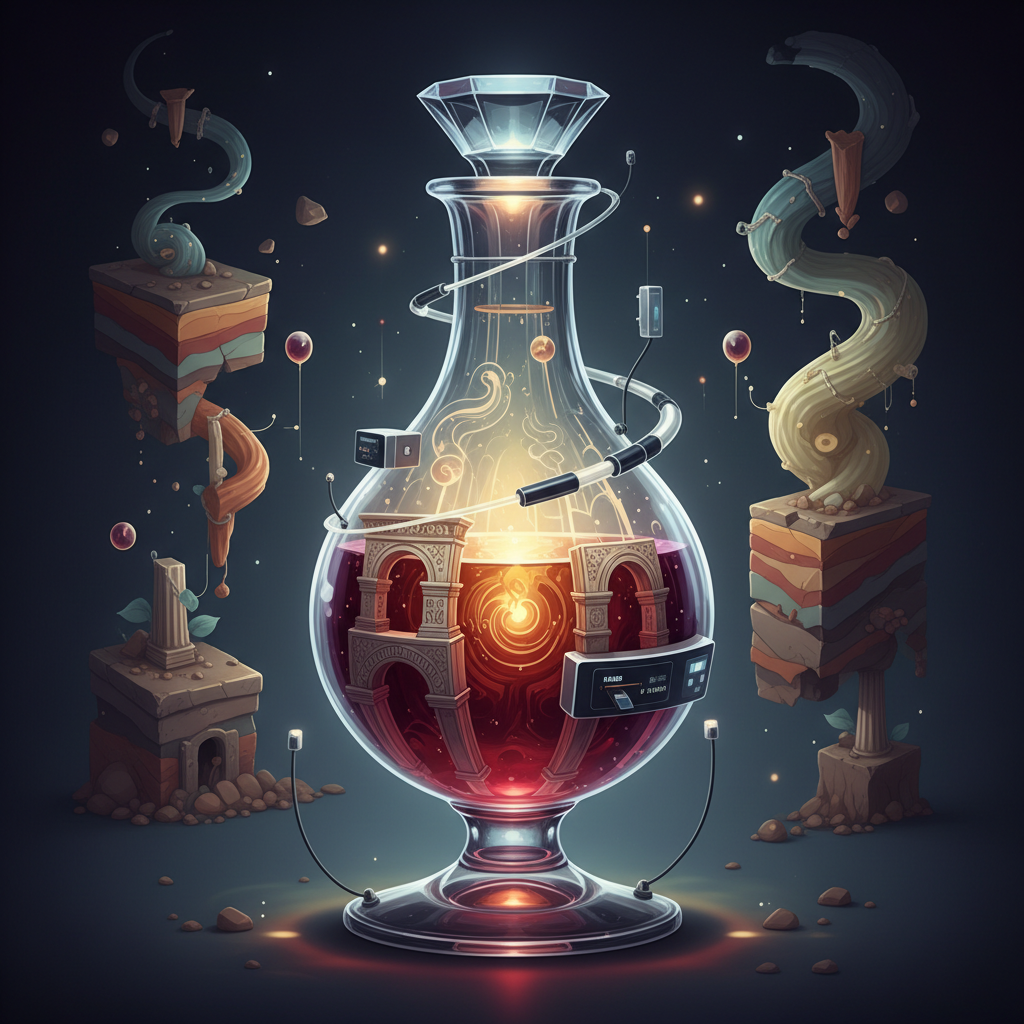
- Subterranean Cellars: The discovery of natural caves and the excavation of underground chambers provided stable, cool environments. The consistent temperature and humidity offered by these 'vinous hypogeums' were ideal for longer-term preservation, mitigating the effects of external weather changes. For more on historical preservation, explore The Art of the Vinous Palimpsest: Unraveling Layers of History in Aged Wines for 2026.
- Resin and Herb Additives: Beyond structural solutions, ancient winemakers experimented with additives. Resin, notably pine resin in retsina, served as an antimicrobial agent and sealant. Herbs and spices were also used, not just for flavor, but sometimes for their preservative properties.
Unearthing the 'Hypogeum': Archaeological Insights into Ancient Wine Storage
Archaeological discoveries continually unveil the sophistication of past societies' approaches to viticulture and preservation. From the oldest wine cellar found in Armenia (dating back over 6,000 years) to Roman villa excavations, these sites provide tangible evidence of advanced ancient wine storage techniques. These discoveries transcend mere historical curiosities; they offer blueprints for understanding evolution in winemaking.
In 2026, new technologies like ground-penetrating radar and remote sensing are helping archaeologists identify previously unknown subterranean structures that served as storage facilities. Each new find adds another layer to our understanding of the scale and economic importance of wine in ancient cultures.
Notable Archaeological Finds
- Areni-1 Cave, Armenia: This site, discovered in 2007, revealed what is believed to be the world's oldest winery, complete with fermentation vats, a press, and storage jars. The cool, dry conditions of the cave were paramount to its long-term preservation capabilities. You can read more about significant archaeological wine finds on the Archaeology Magazine website.
- Khirbet Qana, Israel: Excavations here uncovered an elaborate system of underground rooms and tunnels, interpreted as a significant wine storage complex, possibly dating to the early Roman period. These facilities demonstrate investment in large-scale production and storage.
- Pompeii and Herculaneum: The preserved remains of these Roman cities offer a snapshot of everyday life, including numerous amphorae found in designated storage areas within homes and commercial establishments, showcasing diverse approaches to ancient wine storage, even for everyday consumption.
Comparing Old and New: Lessons from Ancient Wine Storage for 2026
While modern technology offers unparalleled control over the wine aging process, there's a growing appreciation for the inherent wisdom in ancient methods. The principles of constant temperature, stable humidity, and protection from light remain foundational to optimal wine storage today. Many contemporary winemakers are even re-exploring traditional vessel types and storage environments.
For instance, the use of clay amphorae (or "qvevri" in Georgia) for fermentation and aging has seen a significant resurgence in recent years. This return to ancient practices is driven by a desire for minimal intervention, natural expression of terroir, and a distinct textural quality that oak and stainless steel cannot replicate. This blending of historical knowledge and modern science is defining new trends in winemaking in 2026.
Modern Adaptations of Ancient Techniques
- Amphorae Revival: Wineries globally are investing in modern versions of ancient amphorae for fermentation and aging, aiming for a different flavor profile and mouthfeel compared to traditional barrels. This approach encourages a deeper understanding of wine as more than the sum of its parts.
- Underground Cellars and Caves: Luxury modern cellars often mimic ancient subterranean structures, utilizing natural insulation and thermal mass to maintain ideal conditions with minimal energy consumption. This sustainable approach to wine preservation is a key driver in 2026.
- Natural Fermentation: While not strictly a storage technique, the emphasis on natural, wild yeast fermentation in some contemporary wines echoes the less controlled, yet often successful, fermentation processes of antiquity, directly influencing how these wines are then stored. The concept of crafting terroir through engineered yeast and bacterial cultures shows how far we've come.
The Future of Preservation: Integrating Legacy with Innovation in Ancient Wine Storage
As we look to the future, the lessons learned from ancient wine storage continue to be relevant. The pursuit of sustainability, authenticity, and distinctiveness in wine production often leads back to the fundamental principles our ancestors discovered through trial and error. The 'vinous hypogeum', whether a naturally occurring cave or a meticulously excavated chamber, represents more than just a historical artifact; it embodies a timeless approach to respecting and nurturing nature's bounty.
In 2026, the wine industry is witnessing a beautiful synergy between cutting-edge technology and ancient wisdom. From exploring new materials that emulate the porosity of clay to developing AI-driven climate control systems that replicate the stability of a natural cave, the spirit of preservation endures. For further insights into global wine innovations, check out resources like the International Organisation of Vine and Wine (OIV). The journey of wine, from its earliest days of storage in earthenware jars to its current state in advanced wineries, is a testament to humanity's ongoing quest for perfection.
Understanding and appreciating the nuances of ancient wine storage enriches our overall wine experience. It connects us to a continuous lineage of winemakers and enthusiasts, fostering a deeper respect for every bottle, whether it's a centuries-old unearthed amphora or a freshly bottled 2025 vintage. This deep dive into history reinforces that the art of winemaking is a perpetual dialogue between the past, the present, and the future.
Written by
Juniper Thorne is an experienced writer and educator with a deep passion for the world of wine. Bringing expertise in sensory analysis and wine culture to the Greatest Wine platform, Juniper helps readers explore and appreciate every nuance of wine.
Related Articles

The Cellar Architects: Mastering Elite Wine Preservation and Evolution in 2026
For the true connoisseur, wine is more than just a beverage; it's a living entity, an investment, and a passion. Mastering its preservation and evolution is an art form, especially in 2026 with new technologies and insights. Learn how to protect and enhance your cherished collection.
Juniper Thorne