Decoding Sommelier Secrets: Advanced Sensory Analysis for the Home Enthusiast in 2026
In 2026, home wine enthusiasts can achieve sommelier-level appreciation by mastering advanced tasting techniques. This guide explores sensory analysis, enabling you to decipher intricate wine characteristics and elevate your understanding beyond basic appreciation. Learn to unlock the full depth and story of every glass you enjoy.

Advanced Wine Tasting Techniques: Decoding Sommelier Secrets
In 2026, the world of wine offers more depth and nuance than ever before. For the home enthusiast looking to elevate their appreciation, understanding advanced wine tasting techniques is paramount. Moving beyond a simple sip and swallow, these methods allow you to unlock the intricate layers of a wine's character, history, and craftsmanship. This comprehensive guide will delve into the sensory analysis used by professionals, providing you with the tools to experience wine on a profoundly new level, transforming every pour into an enlightening journey. To begin your journey, consider reviewing our foundational guide: Wine Tasting: How to Taste Wine Like a Professional.
Understanding the Core of Advanced Wine Tasting Techniques
The foundation of any serious wine exploration lies in systematic sensory analysis. This isn't just about identifying fruit notes; it's about deconstructing the wine's entire profile, from its visual appeal to its lingering finish. Our goal is to train your palate and mind to recognize and interpret the vast lexicon of wine flavors and aromas, giving you a sommelier-like perspective in 2026. Mastering these advanced wine tasting techniques will truly set you apart.
The Art of Visual Assessment
Before the first sniff or sip, a wine communicates volumes through its appearance. Paying close attention to color, clarity, and viscosity can reveal critical information about a wine's age, varietal, and even its winemaking process. Don't underestimate this crucial first step in applying advanced wine tasting techniques.
- Color Depth and Hue: Observe the intensity and specific shade. Deep ruby reds often indicate younger, more robust wines, while brick-orange rims suggest age. Pale lemon green might point to youthful white wines, whereas deep gold hints at oak aging or botrytis.
- Clarity and Brilliance: A clean, brilliant appearance is typically desired, though some unfiltered wines might have a slight haze. Lack of clarity can sometimes indicate a fault.
- Viscosity (Legs/Tears): Swirl the wine gently and observe the "legs" or "tears" that run down the side of the glass. Thicker, slower-moving legs can suggest higher alcohol content or residual sugar, influencing the wine's body.
Unlocking Aromas: The Olfactory Journey
The nose is arguably the most critical sense in wine tasting. Approximately 80% of what we perceive as "flavor" actually comes from our sense of smell. Developing your olfactory memory is key to mastering advanced wine tasting techniques.
- The Primary Aromas: These are derived directly from the grape varietal itself. Think of the blackcurrant in Cabernet Sauvignon, the citrus in Sauvignon Blanc, or the cherry in Pinot Noir.
- Secondary Aromas: These come from the fermentation process. Common examples include yeast, bread, butter (from malolactic fermentation), or nutty notes from oxidative aging.
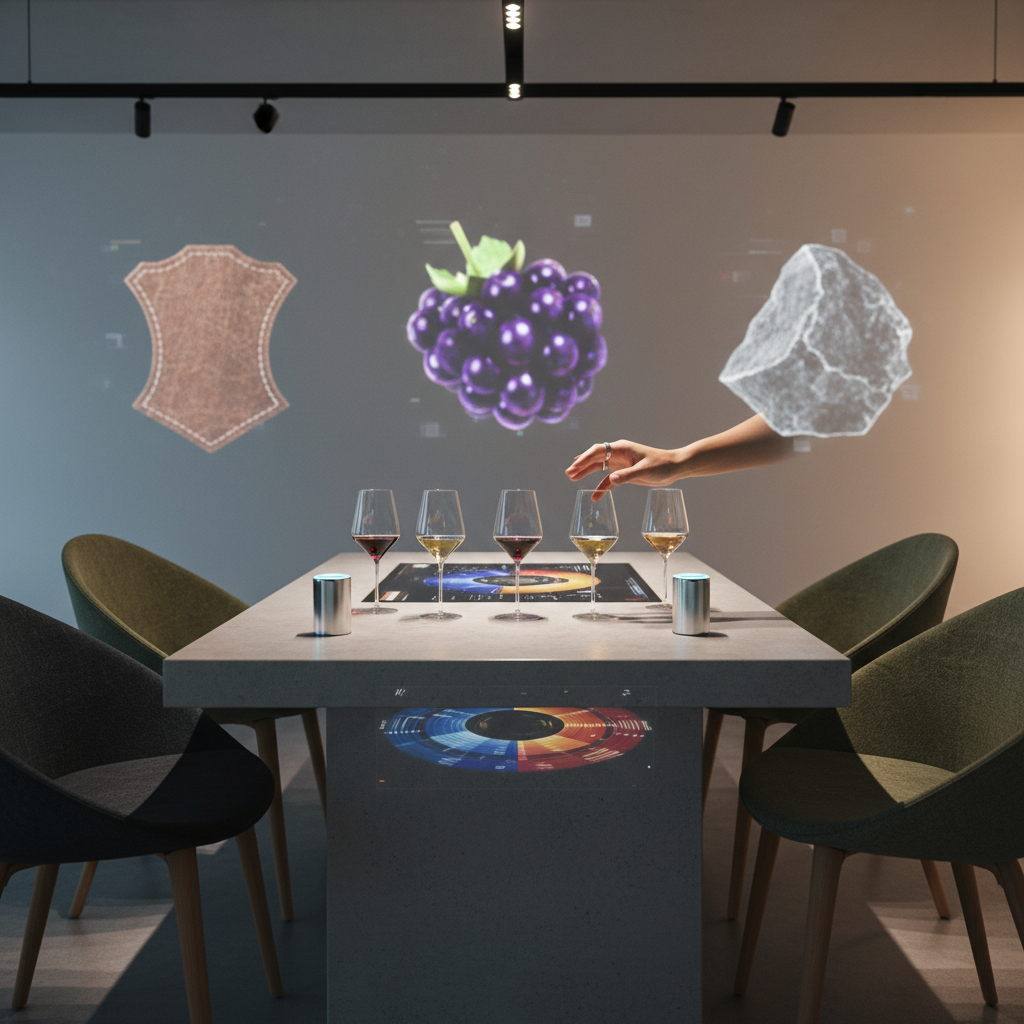
- Tertiary Aromas: Developed during bottle aging or oak maturation, these complex aromas include notes of leather, cedar, tobacco, mushroom, earth, and dried fruit.
- Aroma Intensity: Assess how pronounced the aromas are. Are they subtle and fleeting, or powerful and persistent?
Palate Precision: Experiencing Advanced Wine Tasting Techniques
The palate confirms and expands upon what the nose suggests, adding new dimensions like texture and structure. This is where the true character of the wine unfolds, making it a cornerstone of advanced wine tasting techniques. Understanding these nuances can also greatly enhance your ability to create perfect wine and food pairings.
Deconstructing the Flavor Profile
Beyond individual aroma notes, the palate perceives how these elements integrate and evolve. It's about recognizing the entire symphony of flavors on your tongue. Applying advanced wine tasting techniques here means paying attention to every detail.
- Sweetness: From bone dry to lusciously sweet, pinpoint the level of residual sugar.
- Acidity: This is the wine's backbone, providing freshness and making your mouth water. High acidity makes a wine feel crisp, while low acidity can make it feel flabby.
- Tannin: Found primarily in red wines (from grape skins, seeds, and oak), tannins create a drying or astringent sensation in the mouth. Assess their ripeness and integration.
- Alcohol: Perceived as a warmth in the back of the throat or a slight richness on the palate. Too high, and it can feel hot; too low, and it might lack body.
- Body: The perceived weight or richness of the wine on the palate. It can range from light-bodied (like water) to full-bodied (like milk). Factors like alcohol level, sugar, and extract contribute to body.
- Flavor Intensity and Persistence: How strong are the flavors, and how long do they linger after swallowing? This leads into the finish.
The Nuances of Texture and Structure
Professional tasters pay attention to more than just taste; the tactile sensations in the mouth are equally important. These elements define the wine's overall structure, crucial for mastering advanced wine tasting techniques.
- Mouthfeel: This encompasses the total physical sensation – creamy, silky, velvety, rough, gritty.
- Balance: Do all the components (sweetness, acidity, tannin, alcohol, fruit) harmonize, or does one dominate? A balanced wine is key to enjoyment.
- Finish: The sensations that remain after you swallow the wine. A long, pleasant finish is a sign of high quality. Is it clean, bitter, spicy, or fruity?
Advanced Sensory Exercises for Home Enthusiasts
To truly master advanced wine tasting techniques, consistent practice and targeted exercises are essential. These methods, easily adaptable for home use, will sharpen your senses and expand your wine vocabulary in 2026.
Blind Tasting Challenges
Remove the bias of labels and prices by performing blind tastings. Cover the bottles and try to deduce the varietal, region, and vintage based solely on your sensory observations. This is one of the most effective advanced wine tasting techniques for unbiased learning.
- Varietal Flights: Taste different varietals side-by-side (e.g., Cabernet Sauvignon vs. Merlot, Chardonnay vs. Sauvignon Blanc) to highlight their distinct characteristics.
- Regional Flights: Compare wines of the same varietal from different regions (e.g., Bordeaux Cabernet vs. Napa Cabernet) to understand terroir influence. For more on regional specificity, explore appellation systems on Wikipedia.
- Vertical Tastings: Sample different vintages of the same wine to observe the effects of aging.
Aroma and Fault Detection Practice
Invest in an aroma kit or simply gather various common household items to train your nose. Recognizing wine faults is also a critical skill for an advanced taster. This type of focused training significantly improves your advanced wine tasting techniques repertoire.
- Aroma Training: Sniff spices (clove, cinnamon), fruits (lemon, blackberry), vegetables (bell pepper, asparagus), and other common scents (leather, earth) to build your olfactory library.
- Fault Identification: Learning to identify common faults like cork taint (musty, wet cardboard), oxidation (nutty, sherry-like in non-oxidative styles), volatile acidity (vinegar, nail polish remover), and Brettanomyces (barnyard, band-aid) is crucial. You can find more comprehensive information on wine faults from WSET Global.
Elevating Your Experience with Advanced Wine Tasting Techniques
Moving beyond basic identification, advanced wine tasters seek to understand the 'why' behind the wine. This involves connecting sensory data with viticulture and winemaking practices. This holistic approach is at the heart of truly mastering advanced wine tasting techniques for the modern enthusiast.
The Role of Terroir and Winemaking
Every decision in the vineyard and winery leaves its mark on the final wine. As you hone your tasting skills, challenge yourself to infer these influences from what you sense in the glass. Delve deeper into how origin impacts taste with our article on Uncorking the Terroir: A Deep Dive into Micro-Appellation Wines of 2026.
- Climate Clues: Does the fruit taste ripe and jammy (warm climate) or lean and tart (cool climate)?
- Soil Signature: Can you detect mineral notes that might suggest specific soil types (e.g., flint in Chablis)?
- Oak Influence: Is there vanilla, toast, or spice that indicates oak aging? Is it new oak or older oak? French or American?
- Winemaking Style: Has the wine undergone malolactic fermentation (buttery notes), lees stirring (creamy texture), or extended maceration (deeper color, more tannin)?
By consistently applying these advanced wine tasting techniques, you'll not only appreciate wine more deeply but also communicate your experiences with greater precision and insight. The journey to becoming a more discerning wine enthusiast is an incredibly rewarding one, enriching your understanding of this ancient and ever-evolving beverage. For further exploration into the world of professional wine appreciation, consider resources like the Institute of Masters of Wine.
Written by
Juniper Thorne is an experienced writer and educator with a deep passion for the world of wine. Bringing expertise in sensory analysis and wine culture to the Greatest Wine platform, Juniper helps readers explore and appreciate every nuance of wine.
Related Articles
The Vinous Arsenal: Essential Tools for Elevating Your Wine Experience in 2026
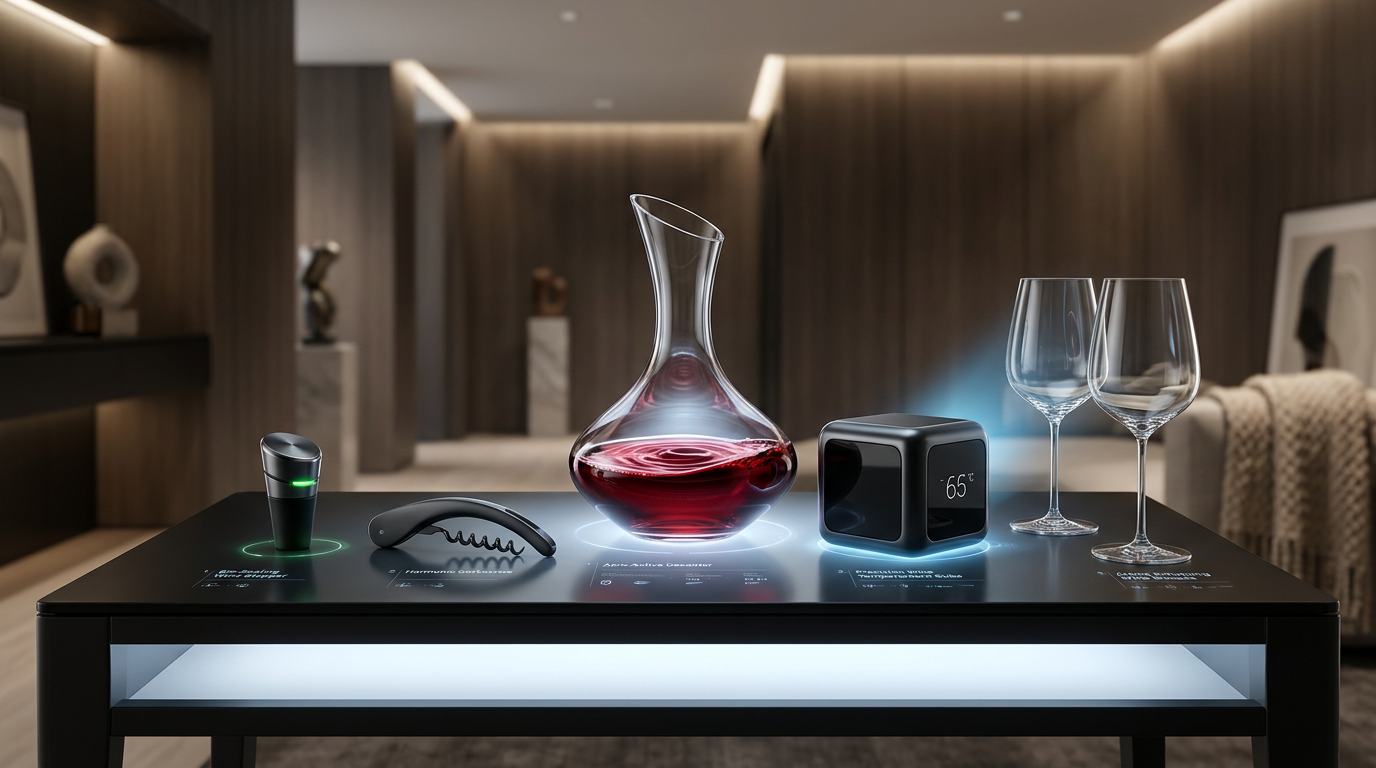
As we navigate May 2026, the world of wine continues to evolve, offering enthusiasts unprecedented tools. Discover the essential wine accessories for 2026 that will elevate your enjoyment, from innovative aerators to smart preservation systems. Upgrade your vinous arsenal today with Greatest Wine.
Juniper Thorne