The Art of the 'Vinous Biostasis': Freezing Time for Optimal Wine Enjoyment in 2026
In 2026, wine enthusiasts are exploring a fascinating concept: wine biostasis. This involves advanced techniques to maintain wine in an optimal state, essentially 'freezing' its evolutionary process. Learn how this innovative method allows for peak enjoyment of cherished vintages, pushing the boundaries of wine preservation.

Wine Biostasis 2026: Freezing Time for Perfect Wine
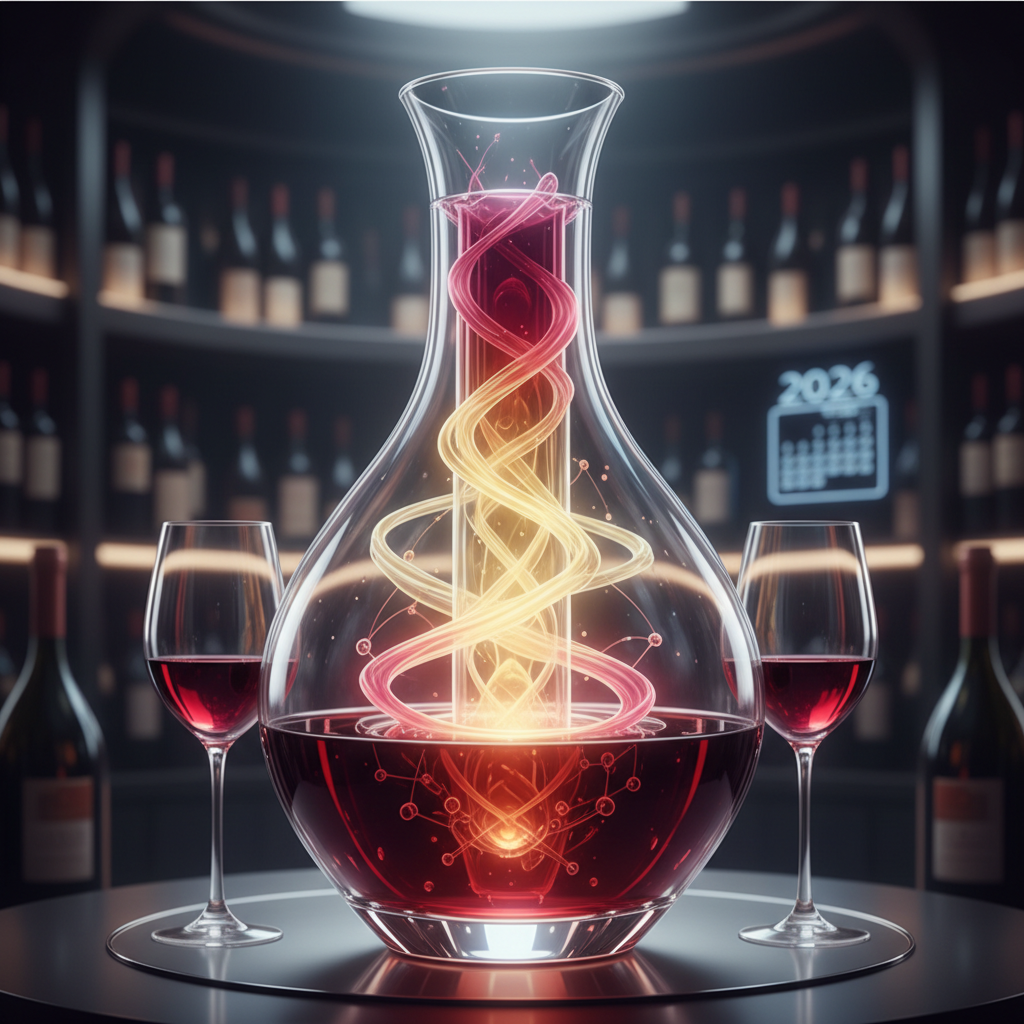
In the evolving world of wine appreciation, enthusiasts constantly seek innovative methods to preserve and enhance cherished vintages. This pursuit has led to a fascinating concept: wine biostasis 2026. Far from science fiction, this involves advanced techniques for maintaining wine in an optimal state, essentially "freezing" its evolutionary process. The goal is to enjoy wine at its peak exactly when desired. As we navigate 2026, understanding and implementing biostasis principles can transform your wine cellar into a gallery of perfectly preserved moments, ensuring each bottle delivers its intended delight.
Understanding the Core Principles of Wine Biostasis 2026
Biostasis, in its broadest biological sense, refers to an organism's ability to survive extreme environmental conditions by entering suspended animation. While we aren't literally cryogenically freezing wine, the concept of wine biostasis 2026 applies to creating and maintaining ideal conditions. These conditions halt or significantly slow down unwanted chemical reactions. This careful management allows wine to age gracefully, or to be paused at its zenith, providing a perfect drinking experience.
Furthermore, the primary goal is to mitigate factors that degrade wine, such as oxidation, temperature fluctuations, and light exposure. By controlling these variables, we effectively manipulate the wine's timeline. This means it can remain fresh and vibrant over extended periods. This technique is particularly valuable for collectors with long-term aging goals, preserving their investment. For further insights into the psychological aspects of wine, consider exploring The Art of the 'Cognitive Vintage': Mastering the Psychology of Wine Expectation in 2026.
Key Environmental Factors for Vinous Biostasis in 2026
- Temperature Stability: Consistent cool temperatures (around 50-55°F or 10-13°C) are paramount for wine biostasis in 2026. Fluctuations can cause wine to expand and contract, pushing corks and allowing oxygen ingress.
- Humidity Control: Maintaining 60-75% humidity keeps corks moist. This prevents them from drying out and shrinking, which would lead to oxidation.
- Darkness: UV light can react with phenolic compounds in wine, leading to "light strike" and oxidation. Therefore, storing wine in complete darkness is crucial.
- Vibration and Movement: Excessive vibration can agitate the wine, accelerating chemical reactions and disturbing sediment. A stable storage environment is key to preservation.
Advanced Techniques for Achieving Wine Biostasis 2026
Beyond fundamental storage conditions, modern advancements offer more precise control for achieving true wine biostasis 2026. These methods leverage technology and scientific understanding. They create an environment where wine can truly thrive, or simply 'wait' for its moment. For serious collectors and enthusiasts, these techniques are becoming indispensable tools in their vinous arsenal.
Ultimately, the focus isn't just on slowing down aging, but on actively preventing any deterioration. This proactive approach ensures that when a bottle is finally opened, it reflects the winemaker's original intent, untouched by time's harsher elements. This commitment to quality defines modern wine preservation. You might also be interested in how innovative approaches are shaping wine-making, such as explored in The Art of the 'Vinous Micro-Biome': Crafting Terroir Through Engineered Yeast and Bacterial Cultures in 2026.
Nitrogen Gas Preservation Systems
For opened bottles, systems that replace oxygen with an inert gas like nitrogen are a game-changer. These devices, ranging from handheld canisters to sophisticated dispensers, effectively create a biostatic environment within the bottle. This extends the life of opened wine for days, or even weeks. This technology is particularly useful for tasting rare wines over several sittings without waste. The science behind food and drink preservation, including inert gas use, is continuously evolving, as detailed by institutions like the Institute of Food Technologists.
Professional-Grade Wine Enclosures and Cellars
High-end wine cellars in 2026 are more than just refrigerated rooms; they are precision-engineered environments. They often feature:
- Advanced climate control systems that maintain exact temperature and humidity.
- UV-filtered lighting or complete darkness, protecting sensitive wines.
- Vibration-dampening shelving to ensure wine remains undisturbed.
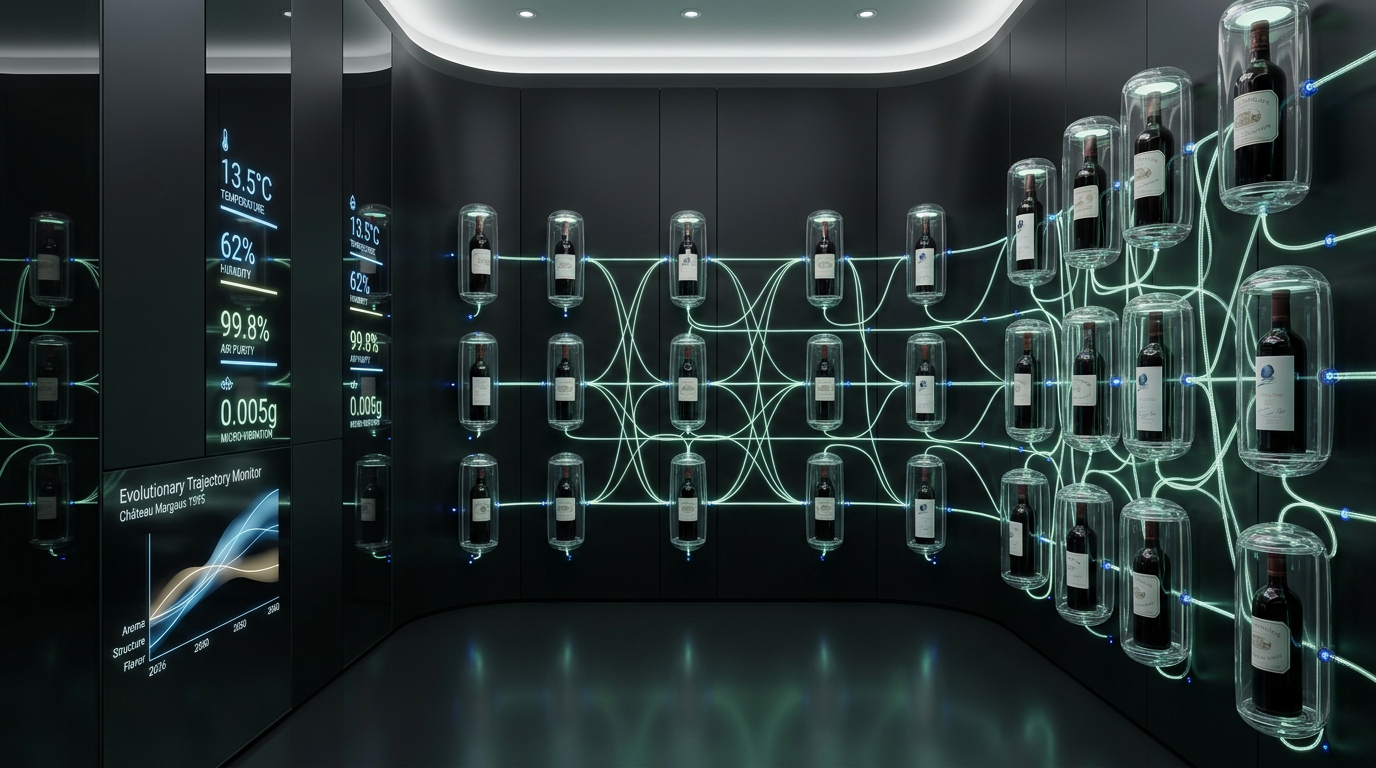
- Integrated monitoring systems that alert owners to any deviations from optimal conditions.
Investing in such a cellar is a significant commitment to the principles of wine biostasis 2026 on a grand scale, ensuring long-term preservation.
The Impact of Biostasis on Wine Investment and Enjoyment in 2026
The concept of wine biostasis 2026 has profound implications for both investors and connoisseurs. For investors, it means greater confidence in the long-term viability and appreciation of their wine assets. For enthusiasts, it translates into unparalleled enjoyment and the ability to truly experience wines at their peak, rather than risking premature oxidation or over-aging.
In 2026, as the global wine market continues to mature and fine wines increasingly become alternative assets, the ability to guarantee a bottle's condition through biostasis techniques adds significant value and reduces risk. This certainty makes premium wines even more attractive to collectors and investors alike, solidifying their market position. For context on the global wine investment landscape, reports from platforms like Liv-ex offer valuable insights.
Enhancing Your Wine Tasting Experience with Biostasis
By preventing degradation, biostasis ensures that every tasting note, every nuance of aroma and flavor, is present as the winemaker intended. This allows for a deeper sensory analysis, making it easier to appreciate the wine's structure, balance, and finish. It’s an essential tool for those pursuing the art of truly understanding wine character and maximizing enjoyment. Delve deeper into deciphering wine labels with The Art of the Vinous Cryptography: Deciphering the Hidden Language of Aged Wine Labels in 2026.
Protecting Your Prized Collection in 2026
Imagine discovering a rare vintage has spoiled due to poor storage. Biostasis offers a robust defense against such disappointments. It's about proactive preservation, giving you peace of mind that your treasured bottles will be perfect when the time comes to uncork them. This level of protection enhances the overall value and legacy of your collection for years to come.
Biostasis for Different Wine Styles: What to Consider in 2026
While the general principles of wine biostasis 2026 apply across all wines, specific considerations are necessary depending on the wine type. Different wines have different aging curves and susceptibilities, requiring tailored approaches to their preservation.
Understanding these nuances is crucial for optimizing the biostasis approach for your diverse collection. A blanket solution might not offer the best outcome for every bottle, from delicate whites to robust reds; therefore, customization is key. To understand more about optimal wine timing, explore The Art of the 'Vinous Timepiece': Mastering the Science of Wine's Optimal Moment in 2026.
Red Wines and Long-Term Biostasis
Bold red wines, particularly those with high tannins and acidity like Cabernet Sauvignon, Nebbiolo, or Syrah, are often built for long-term aging. For these, deep biostasis aims to slow the complex reactions that soften tannins and develop tertiary aromas. Consistent, slightly cooler temperatures are ideal here to gently guide their evolution over decades, perfecting their complexity.
White Wines and Aromatic Preservation
Delicate white wines, especially aromatic varieties like Riesling or Sauvignon Blanc, require biostasis that prioritizes the preservation of their primary fruit and floral characteristics. Preventing oxidation is paramount for these styles. Very stable, cool temperatures and complete darkness are essential to maintain their freshness and vibrancy without developing oxidative notes.
Sparkling Wines and Pressure Integrity
For sparkling wines, biostasis involves not only preserving flavor but also maintaining the integrity of the dissolved CO2. Consistent cool temperatures prevent the cork from drying out and losing its seal, which would lead to a loss of effervescence. Keeping them on their side ensures the cork stays moist, preserving countless bubbles.
The Future of Wine Biostasis and Sustainable Practices in 2026
As we look deeper into 2026, the intersection of wine biostasis 2026 and sustainable practices is becoming increasingly important. While the focus has been on preservation, achieving this in an environmentally conscious way is the next frontier. Innovations in energy-efficient cooling systems, passive cellar designs, and sustainable packaging materials are all contributing to a greener approach to wine preservation.
The core goal is to maintain the exquisite quality of wine while simultaneously minimizing our ecological footprint. This dual focus ensures that the enjoyment of wine in the future is both pleasurable and responsible, reflecting global environmental values. Further information on sustainable winemaking can be found from international organizations dedicated to sustainability, such as Wine Origins Alliance.
Energy-Efficient Preservation Technologies
Manufacturers are developing more energy-efficient refrigeration units and advanced cellar insulation materials. Smart thermostats and sensors optimize energy usage by precisely regulating conditions only when needed, reducing overall consumption. This aligns with a global push towards more environmentally friendly wine practices and modern values.
Passive Cellar Design
Architects are increasingly incorporating passive cooling techniques into cellar designs. Using natural geological insulation, underground construction, and intelligent ventilation systems can significantly reduce the need for active cooling. This makes biostasis more sustainable and cost-effective in the long run. This holistic approach views the cellar as part of the natural environment, not separate from it.
In essence, 'vinous biostasis' is not just about keeping wine, but about keeping it perfectly, responsibly, and for the optimal moment of enjoyment. As we progress through 2026, these methods will continue to define the pinnacle of wine appreciation, blending tradition with cutting-edge technology.
Written by
Juniper Thorne is an experienced writer and educator with a deep passion for the world of wine. Bringing expertise in sensory analysis and wine culture to the Greatest Wine platform, Juniper helps readers explore and appreciate every nuance of wine.
Related Articles
The Cellar Architects: Mastering Elite Wine Preservation and Evolution in 2026
For the true connoisseur, wine is more than just a beverage; it's a living entity, an investment, and a passion. Mastering its preservation and evolution is an art form, especially in 2026 with new technologies and insights. Learn how to protect and enhance your cherished collection.
Juniper Thorne