The Art of the Vinous Cipher: Decoding Hidden Messages in Wine Aromas for 2026
Welcome to Greatest Wine, where we delve deep into the intoxicating world of wine. Today, we embark on a fascinating journey into wine aroma decoding – the intricate art and science of deciphering the hidden messages within a wine's bouquet. In 2026, understanding these subtle scents is more crucial than ever for truly appreciating wine, from its origins to its ideal food pairings. This comprehensive guide will equip you with the knowledge and techniques to become a master vinous cipher decoder.

The Art of the Vinous Cipher: Wine Aroma Decoding for 2026
Welcome to Greatest Wine, where we delve deep into the intoxicating world of wine. Today, we embark on a fascinating journey into wine aroma decoding – the intricate art and science of deciphering the hidden messages within a wine's bouquet. In 2026, understanding these subtle scents is more crucial than ever for truly appreciating wine, from its origins to its ideal food pairings. This guide will equip you with the knowledge and techniques to unlock a wine's full character, helping you move beyond simply tasting to truly understanding what makes each bottle unique.
The Fundamentals of Wine Aroma Decoding: Why It Matters
Effective wine aroma decoding is the cornerstone of professional wine tasting and appreciation. Aromas are not just pleasant smells; they are complex chemical compounds that tell a story about the grape varietal, terroir, winemaking techniques, and even the wine's age. By consciously identifying these aromas, you gain a deeper insight into the wine's quality, style, and potential.
In 2026, with an ever-expanding global market and diverse winemaking practices, the ability to pinpoint specific aromas differentiates a casual drinker from a connoisseur. It enhances your pairing decisions, allowing you to create harmonious culinary experiences that elevate both the food and the wine.
Understanding the Origin of Wine Aromas
Wine aromas don't just appear out of nowhere; they originate from several key sources:
- Primary Aromas: These come directly from the grape varietal itself. Think of the blackcurrant in Cabernet Sauvignon, the grapefruit in Sauvignon Blanc, or the cherry in Pinot Noir. These are intrinsic to the fruit.
- Secondary Aromas: These develop during the fermentation process and initial aging in the winery. Yeast activity and exposure to oak barrels contribute scents like brioche, butter, vanilla, or toast.
- Tertiary Aromas (Bouquet): These evolve as the wine ages in the bottle. Oxidation and complex chemical reactions create nuanced aromas such as leather, tobacco, forest floor, mushroom, or dried fruit. This is where the true complexity of aged wines shines.
The Science Behind Aromatic Compounds
Behind every aroma is a specific chemical compound. For instance, pyrazines contribute herbaceous notes (bell pepper, asparagus), while terpenes are responsible for floral and citrus scents (rose, lemon). Esters provide fruity aromas (apple, pear), and lactones can create buttery or coconut notes. Understanding these families of compounds, even without memorizing their names, helps in the systematic approach to wine aroma decoding. For a deeper dive into how our brains process these scents, explore The Art of the 'Cognitive Blend': How Our Brains Harmonize Wine Flavors in 2026.
Essential Tools and Techniques for Aroma Identification
To master wine aroma decoding, you need more than just a good nose; you need the right environment, tools, and a systematic approach. Preparing yourself and the wine correctly optimizes your ability to perceive and identify its aromatic profile.
The Right Environment and Glassware
A quiet, well-lit room free from competing smells (perfumes, food, other beverages) is essential. Your brain can then focus solely on the wine. Choosing the correct wine glass is also crucial. A tulip-shaped glass with a large bowl and narrower rim concentrates the aromas, guiding them directly to your olfactory system. Different varietal-specific glasses are designed to highlight particular characteristics, further aiding in aroma perception.
- Clarity: Evaluate the wine's appearance against a white background.
- Intensity: How strong are the aromas?
- Complexity: How many different aromas can you detect?
- Evolution: Do the aromas change over time in the glass?
The Three Steps of Aroma Assessment
- The Gentle Sniff: Swirl the wine gently to release initial volatile compounds. Take a quick, light sniff. What are the immediate impressions?
- The Deeper Inhale: Swirl more vigorously and take a longer, deeper inhalation. This brings forth more complex and less volatile compounds. Try to identify specific fruit, floral, or earthy notes.
- The Focused Search: After the initial general impressions, narrow down your focus. Are there any particular scents that stand out? Think in categories: fruits (red, black, citrus, tropical), florals (rose, violet), herbal (mint, thyme), earthy (mushroom, wet earth), spicy (pepper, cinnamon), woody (vanilla, cedar), or animal (leather, game).
Mastering the Language of Wine Aromas
Describing wine aromas can feel daunting at first, but with practice, you'll build your olfactory vocabulary. This is where wine aroma decoding truly becomes an art. Focus on developing your internal library of scents.
Building Your Olfactory Memory Bank
To improve your ability to identify specific aromas, regularly smell common items around you. Sniff fruits, herbs from your garden, spices in your pantry, and even non-food items like leather or wet stone. Connect these real-world smells to their chemical counterparts in wine. Over time, your brain will build strong associations, making identification easier during a tasting session. This sensory training is vital for accurate wine aroma decoding. For more on developing a precise vocabulary, see The Art of the 'Vinous Lexicon': Crafting the Language of Wine in 2026.
Categorizing and Describing Aromas
Wine professionals often use a systematic approach to categorize aromas. This helps in breaking down complex bouquets into manageable groups:
- Fruity: Blackcurrant, cherry, raspberry, plum, citrus (lemon, lime, grapefruit), tropical (pineapple, mango, passionfruit), dried fruit (fig, prune).
- Floral: Rose, violet, jasmine, honeysuckle, orange blossom, elderflower.
- Herbal/Vegetal: Bell pepper, asparagus, green bean, mint, thyme, eucalyptus, cut grass.
- Earthy: Mushroom, forest floor, wet leaves, damp earth, truffle.
- Spicy: Black pepper, cinnamon, clove, nutmeg, vanilla, licorice, ginger.
- Woody/Oak: Cedar, tobacco, cigar box, vanilla, toast, smoke, coconut.
- Nutty: Almond, hazelnut, walnut.
- Animal/Savory: Leather, game, bacon, roasted meat.
- Other: Honey, caramel, butter, brioche, petroleum/kerosene (often in aged Riesling).
Don't be afraid to use creative or personal descriptors. The goal is to articulate what you perceive.
Advanced Wine Aroma Decoding: Beyond the Basics for 2026
As we move further into 2026, the world of wine continues to evolve, bringing new varietals, regions, and winemaking styles to the fore. Advanced wine aroma decoding involves understanding how these factors influence the aromatic profile and using this knowledge to predict a wine's character and aging potential.
Regional and Varietal Nuances
Different grape varietals inherently possess distinct aromatic compounds. Furthermore, the climate and soil of a particular region (terroir) significantly impact how these compounds express themselves. For example, a Sauvignon Blanc from the Loire Valley might exhibit lean, gunflint and citrus notes, while one from Marlborough, New Zealand, is often characterized by pronounced passionfruit and gooseberry. Understanding these regional variations is key to sophisticated wine aroma decoding. For insights into how ecological homes shape wine, refer to The Art of the Vinous Bioregion: Crafting Wines that Echo Their Unique Ecological Home in 2026.
Impact of Winemaking Techniques
The choices a winemaker makes profoundly shape the wine's bouquet. Factors like:
- Fermentation Vessel: Stainless steel maintains fresh fruit aromas, while oak barrels impart vanilla, toast, and spice.
- Yeast Strains: Different yeasts can produce varying aromatic byproducts.
- Malolactic Fermentation: Often used in Chardonnay, this process converts sharp malic acid into softer lactic acid, contributing buttery or nutty aromas.
- Aging Time: Extended aging in barrel or bottle will develop tertiary notes, adding complexity and depth.
Observing these influences helps in thorough wine aroma decoding, allowing you to infer production methods from the scent alone.
Common Wine Aroma Faults and How to Identify Them
Not all aromas are desirable. Identifying wine faults by their smell is a critical skill in wine aroma decoding, protecting your palate and helping you understand when a bottle is compromised.
Key Aroma Faults to Recognize
- Cork Taint (TCA - Trichloroanisole): The most common fault, characterized by smells of damp cardboard, mouldy basement, or wet dog. The fruit aromas are suppressed, and the wine tastes dull. Research from the Wine Spectator annually highlights significant figures related to cork taint prevalence.
- Oxidation: Occurs when wine is exposed to too much oxygen. Smells like bruised apple, sherry, or nuttiness (often unpleasant for table wines unless it's an intended style like Oloroso Sherry). The wine typically loses its freshness and vibrancy.
- Reduction: A lack of oxygen during winemaking can lead to sulfur compounds. Mild reduction might smell like struck match or flint, but severe reduction can present as rotten eggs, garlic, or cooked cabbage.
- Volatile Acidity (VA): Dominated by acetic acid and ethyl acetate, this fault presents as nail polish remover, vinegar, or sometimes volatile cheese. While a tiny hint can add complexity, excess VA makes the wine unpalatable.
- Brettanomyces ("Brett"): A yeast often found in red wines, it can create aromas of barnyard, horse stable, sweaty saddle, or medicinal notes. Some tolerance exists, but high levels are considered a fault. For a detailed scientific perspective on Brettanomyces, consult resources such as the Lister Wine Blog.
If you detect any of these off-aromas, it's likely the wine is flawed. Recognizing them is a vital part of comprehensive wine aroma decoding.
Conclusion: The Ongoing Journey of Wine Aroma Decoding
The journey of wine aroma decoding is a continuous adventure, enriching every sip and deepening your connection to the world of wine. In 2026, as vineyards push boundaries and winemakers innovate, our ability to understand the subtle whispers from the glass becomes ever more rewarding. By systematically training your nose, expanding your vocabulary, and appreciating the science and art behind each nuanced scent, you transform tasting into a truly immersive sensory experience.
At Greatest Wine, we encourage you to keep exploring, keep sniffing, and keep learning. Every bottle holds a unique story waiting to be decoded through its aromas. Embrace the challenge, hone your senses, and elevate your wine appreciation to new heights. Happy decoding! You might also find value in understanding wine tasting basics for beginners as you embark on this aromatic journey in 2026.
Written by
Juniper Thorne is an experienced writer and educator with a deep passion for the world of wine. Bringing expertise in sensory analysis and wine culture to the Greatest Wine platform, Juniper helps readers explore and appreciate every nuance of wine.
Related Articles
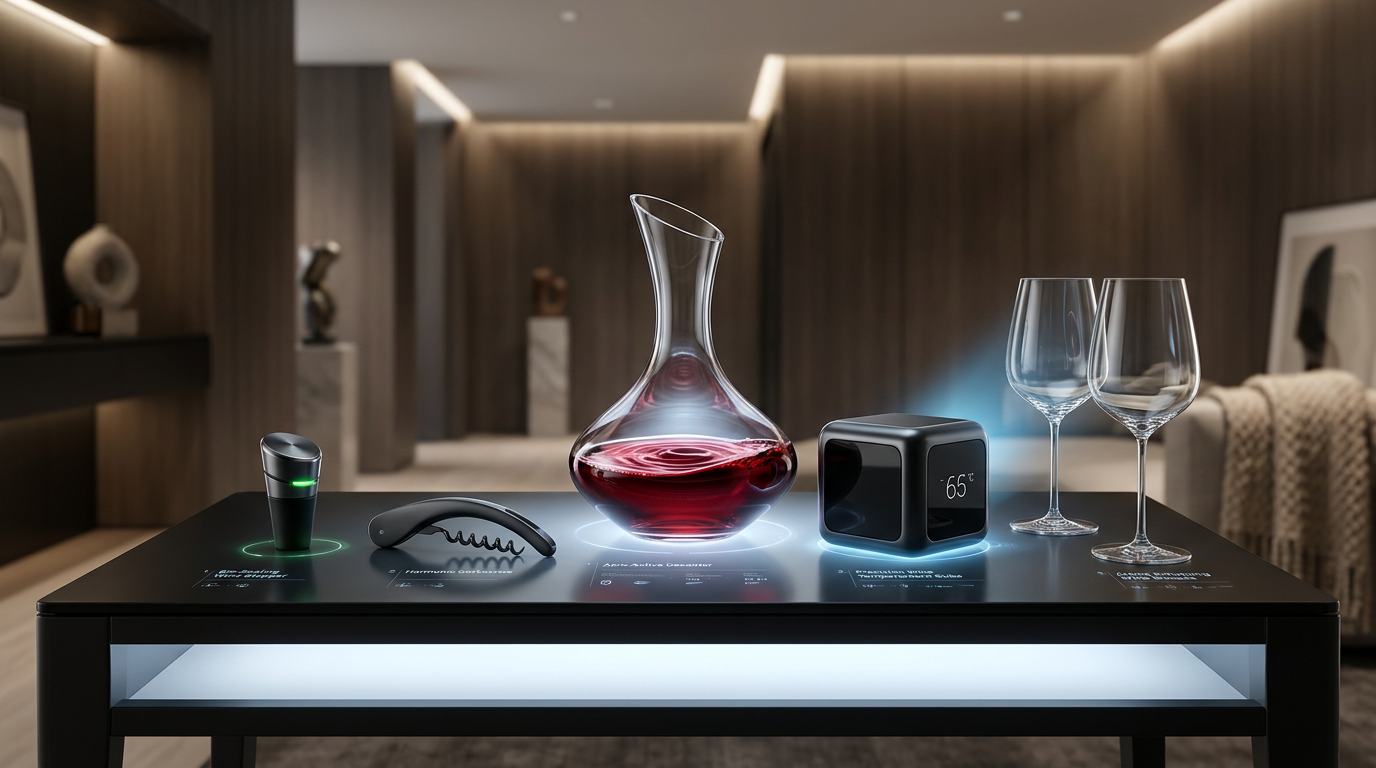
The Vinous Arsenal: Essential Tools for Elevating Your Wine Experience in 2026
As we navigate May 2026, the world of wine continues to evolve, offering enthusiasts unprecedented tools. Discover the essential wine accessories for 2026 that will elevate your enjoyment, from innovative aerators to smart preservation systems. Upgrade your vinous arsenal today with Greatest Wine.
Juniper Thorne