The Art of the Vinous Palimpsest: Unraveling Layers of History in Aged Wines for 2026
In 2026, the concept of the "vinous palimpsest" beautifully illustrates how aged wines are like historical manuscripts. Each bottle reveals successive layers of time, terroir, and winemaking techniques, creating a complex tapestry of flavors and narratives for enthusiasts and collectors to discover.

The Art of the Vinous Palimpsest: Unraveling Layers of History in Aged Wines for 2026
In the intricate world of oenology, few concepts capture the imagination quite like the vinous palimpsest. This evocative term describes an aged wine as a manuscript where successive layers of time, terroir, and technique have been inscribed, erased, and re-inscribed, leaving behind a complex tapestry of flavors, aromas, and historical narratives. For wine enthusiasts and collectors in 2026, understanding this profound concept is key to truly appreciating the depth and artistry in a vintage bottle. It’s about peering beyond the immediate sensory experience to discover the stories held within each sip, a journey into the very soul of winemaking. This pursuit aligns with a growing interest in The Art of the Vinous Philosopher: Deconstructing Wine's Existential Journey from Vine to Spirit in 2026.
Understanding the Vinous Palimpsest: More Than Just Aged Wine
The idea of a vinous palimpsest transcends simple aging. It suggests a dynamic process where a wine’s initial characteristics – its primary fruit, youthful acidity, and phenolic structure – gradually evolve, giving way to secondary and tertiary notes. These new layers do not completely obliterate the old but rather integrate with them, creating a more complex and nuanced whole. Just as ancient scribes reused parchment, leaving faint traces of earlier texts, so too does a great wine retain whispers of its past while revealing new expressions. This intricate evolution also ties into the concept of The Art of the Vinous Epigenome: Unlocking Ancestral Memory in Grapes for 2026's Unique Wines.
The Analogous Nature of Palimpsests and Wine
- Layered History: Both ancient palimpsests and aged wines show multiple layers of information or character built over time.
- Transformation: The original form is not destroyed but transformed, with new elements emerging and old ones receding into the background.
- Interpretation: Requires careful attention and understanding to fully decipher all the stories and characteristics present.
This ongoing transformation makes each tasting experience of an aged wine a unique exploration, as its 'text' continues to shift and re-reveal itself over decades. It's a living history in a bottle, constantly being rewritten by the subtle hand of time.
The Elements Shaping the Vinous Palimpsest in 2026
Several critical factors contribute to the formation and evolution of a vinous palimpsest. These elements interact in complex ways, dictating how a wine will age, what new characteristics it will develop, and which original traits will persist. Understanding these factors is essential for evaluating and appreciating aged wines in 2026. Delving into this aspect connects to themes explored in The Art of the Vinous Anthropocene: Decoding Humanity's Indelible Mark on Wine in 2026.
Terroir: The Foundation of the Story
The vineyard's unique environmental factors – soil composition, climate, aspect, and altitude – lay the initial groundwork for the wine's character. These foundational elements are the first inscription on the palimpsest, imbuing the grapes with specific primary flavors, acidity levels, and tannic structures. An aged Burgundy from a Grand Cru vineyard, for instance, will forever carry the indelible mark of its specific plot, even as its flavors evolve. This foundational aspect is often discussed within the broader context of The Art of the 'Vinous Nebula': Deconstructing the Cosmic Influences on Terroir in 2026.
Winemaking Techniques: The Scribe's Hand
The decisions made by the winemaker, from harvest to fermentation, and from oak aging to blending, are akin to the scribe’s deliberate strokes. Extended maceration, the type and age of oak barrels, malolactic fermentation, and yeast selection all influence how the wine will develop over time. These choices determine the wine's aging potential and contribute significantly to the secondary and tertiary aromas and flavors that emerge. For example, a lengthy period of bottle aging on lees can create a different kind of vinous palimpsest compared to a wine aged predominantly in new oak.
Time and Storage: The Great Eraser and Revealer
Time is arguably the most crucial element in creating a vinous palimpsest. Over years, sometimes decades, chemical reactions within the bottle lead to a gradual transformation. Pigments precipitate, tannins polymerize, and volatile compounds interact, leading to changes in color, texture, and aromatic complexity. Proper storage conditions – consistent temperature, humidity, and darkness – are vital to allow these changes to occur gracefully, preserving the integrity of the evolving 'text'.
- Oxidation: Controlled exposure to oxygen (even tiny amounts through the cork) contributes to the development of nutty, savory notes.
- Reduction: In the absence of oxygen, wines can develop complex earthy, meaty, or sometimes funky aromas that later dissipate.
- Esterification: Alcohols and acids react to form new aromatic compounds, adding layers of complexity.
Deciphering the Vinous Palimpsest: A Journey for the Senses
To truly appreciate the vinous palimpsest, one must engage all senses, learning to identify the different layers of flavor and aroma. This is where professional tasting techniques become invaluable. In 2026, with a renewed focus on deeper wine understanding, enthusiasts are increasingly seeking guidance on how to uncover these hidden stories.
Visual Clues: The Fading Ink
As wine ages, its color changes. Reds lose their vibrant purple hues, becoming garnet, brick, or even tawny at the rim, while whites evolve from pale yellow-green to deep gold or amber. These subtle shifts are the visual cues of time's passage, demonstrating the first visible manifestations of the vinous palimpsest at work. For a more detailed guide on visual assessment, Wine Folly offers excellent resources on How to Look at Wine.
Aromatic Evolution: The Unfolding Narrative
Initially, young wines are dominated by primary fruit aromas. With age, these recede, making way for secondary aromas (from winemaking, e.g., vanilla from oak) and then tertiary aromas (from bottle aging). These tertiary notes, such as mushroom, forest floor, leather, tobacco, truffle, dried fruit, or nutty undertones, are the true signature of an aged wine and a key part of its palimpsest. Learning to identify these complex aromas is a cornerstone of advanced wine tasting, a skill often honed through practices that help The Art of the Vinous Cipher: Decoding Hidden Messages in Wine Aromas for 2026.
Textural and Flavor Shifts: The Rewritten Story
On the palate, acidity often softens, tannins become more integrated and silken, and the overall mouthfeel gains richness and complexity. Flavors move from fresh fruit to dried fruit, savory notes, and earthy nuances. A well-aged wine offers a longer, more contemplative finish, where the interaction of these evolved components creates a harmonious and profound experience. This integration of elements is the ultimate expression of the vinous palimpsest. The complexity of these changes is further explored by academic institutions like the UC Davis Department of Viticulture and Enology, which provides extensive research on wine chemistry and aging.
The Future of the Vinous Palimpsest in 2026 and Beyond
As we move deeper into 2026, the appreciation for aged wines and the concept of the vinous palimpsest is only growing. Advanced cellar management, improved bottle closure technologies, and a global community of passionate wine lovers are ensuring that more wines reach their peak potential, offering these layered experiences.
Technology and Preservation
Innovations in temperature-controlled storage, smart cellars, and even emerging non-invasive methods for assessing wine evolution are helping collectors preserve these liquid histories more effectively. This ensures that the intricate narratives within each bottle are protected for future enjoyment and study. The role of data in understanding wine aging is also a burgeoning field, as highlighted by articles from industry leaders like Jancis Robinson.
Education and Accessibility
Platforms like Greatest Wine are dedicated to demystifying complex wine concepts, making the appreciation of a vinous palimpsest accessible to a broader audience. Through detailed tasting guides, sensory analysis techniques, and educational content, more enthusiasts can embark on this fascinating journey of discovery.
In essence, enjoying a wine that embodies the vinous palimpsest is about more than just drinking; it’s about reading history, appreciating artistry, and connecting with a narrative that has unfolded over years, if not decades. It is a profound and rewarding experience that truly elevates one's understanding of wine.
Written by
Juniper Thorne is an experienced writer and educator with a deep passion for the world of wine. Bringing expertise in sensory analysis and wine culture to the Greatest Wine platform, Juniper helps readers explore and appreciate every nuance of wine.
Related Articles
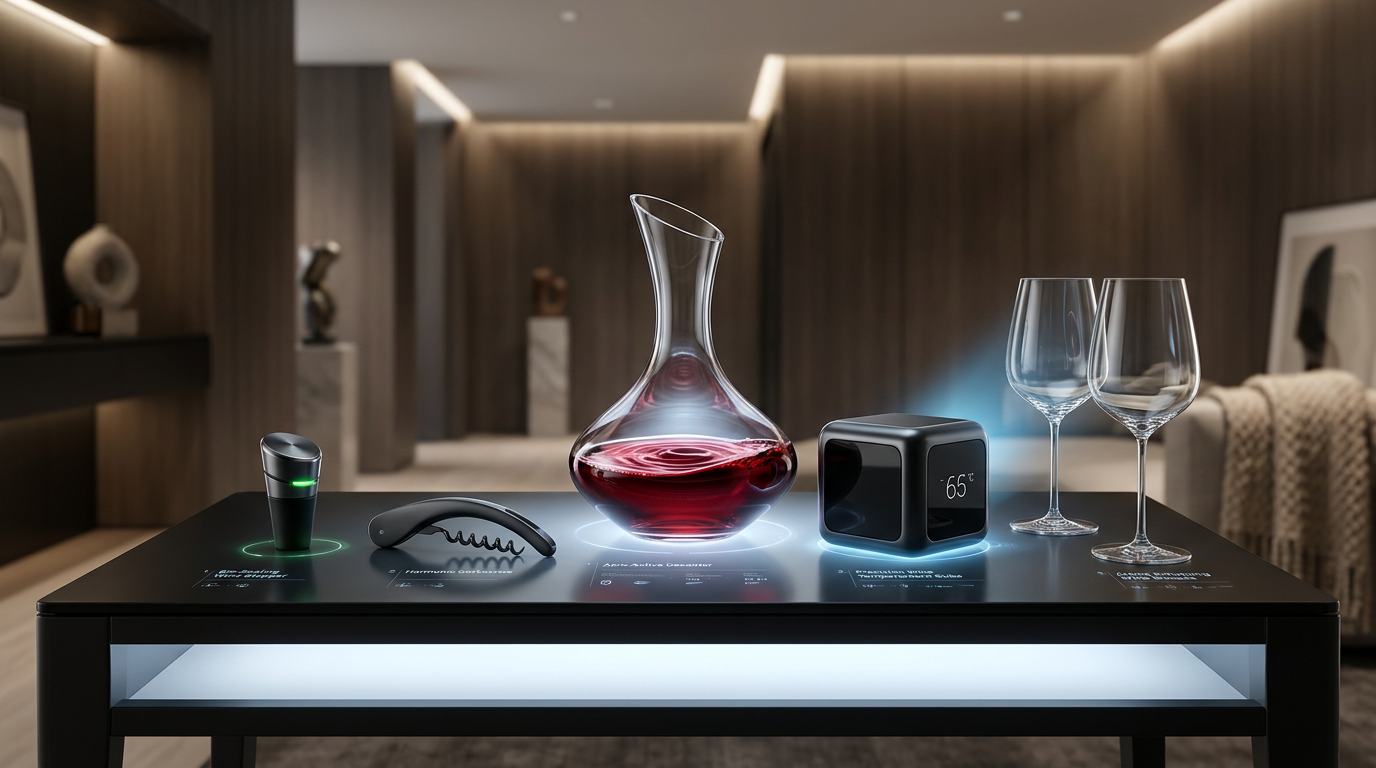
The Vinous Arsenal: Essential Tools for Elevating Your Wine Experience in 2026
As we navigate May 2026, the world of wine continues to evolve, offering enthusiasts unprecedented tools. Discover the essential wine accessories for 2026 that will elevate your enjoyment, from innovative aerators to smart preservation systems. Upgrade your vinous arsenal today with Greatest Wine.
Juniper Thorne