The Art of the Vinous Anthropocene: Decoding Humanity's Indelible Mark on Wine in 2026
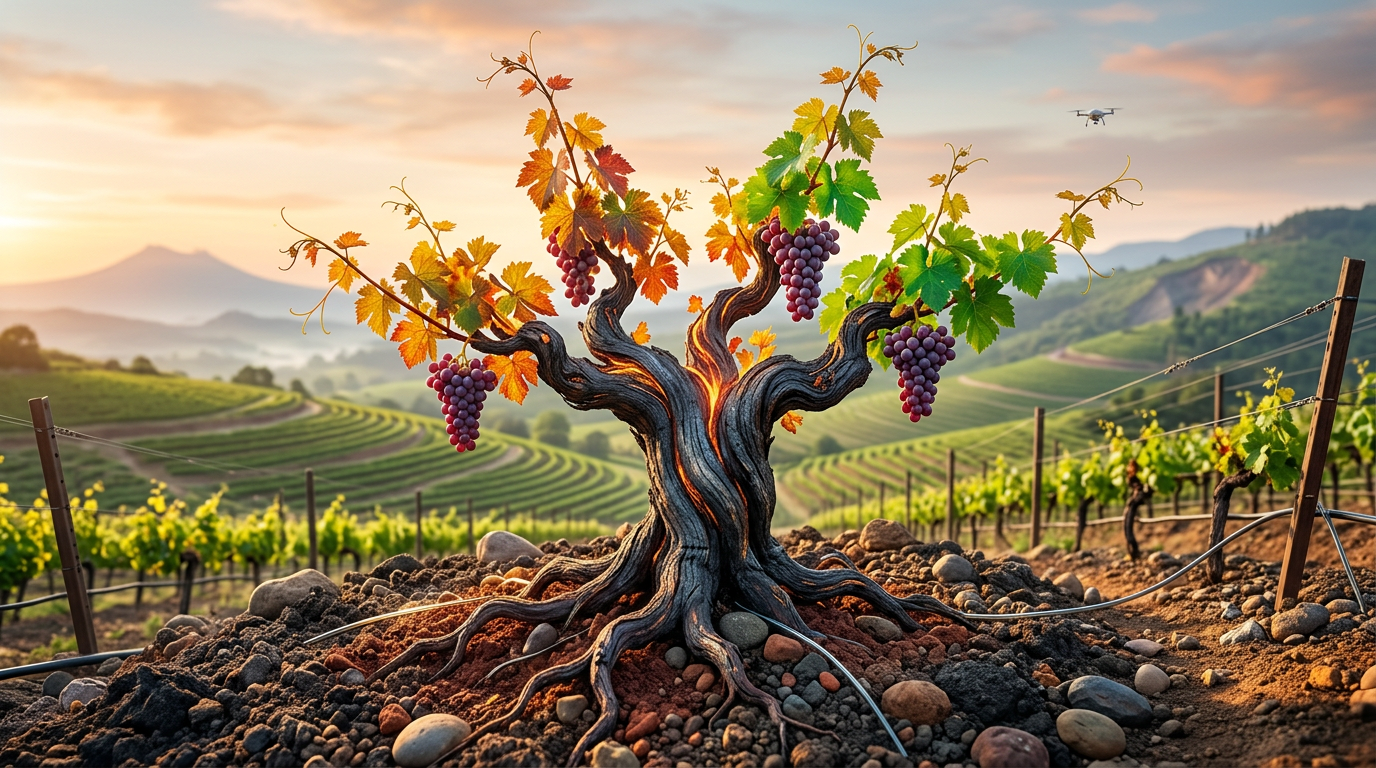
The 'vinous anthropocene' defines humanity's profound and undeniable impact on viticulture and winemaking in 2026. This includes everything from climate change adaptations and technological innovations to evolving consumer preferences, all of which leave a significant footprint on the global wine industry.


The Art of the Vinous Anthropocene: Decoding Humanity's Indelible Mark on Wine in 2026
The concept of the vinous anthropocene is profoundly reshaping our understanding of wine in 2026. This term describes the undeniable and often profound impact of human activity on viticulture, winemaking, and the very ecosystems that support them. From climate change adaptations to technological innovations and evolving consumer preferences, humanity's footprint on the world of wine is now more visible and influential than ever before, creating both challenges and exciting new frontiers for producers and enthusiasts alike.
Understanding the Vinous Anthropocene: A New Era for Wine
The Anthropocene, a geological epoch characterized by human dominance over global ecosystems, finds a unique and potent expression in the wine industry. The vinous anthropocene acknowledges that virtually no vineyard or winemaking process remains untouched by human intervention, whether deliberate or accidental. This encompasses everything from selective breeding of grape varietals to the micro-level manipulation of fermentation.
In 2026, we see this phenomenon playing out in numerous ways. Winemakers are actively responding to environmental shifts, while consumers are increasingly conscious of the ethical and ecological implications of their choices. This complex interplay defines the modern wine landscape, demanding a nuanced perspective on how we produce, consume, and appreciate wine. For a deeper dive into the psychological aspects of wine choice, explore The Art of the 'Cognitive Corkscrew': Deconstructing the Psychological Rituals of Opening and Serving Wine in 2026.
Climate Change: The Defining Factor of the Vinous Anthropocene
Perhaps the most salient aspect of the vinous anthropocene is the dramatic effect of climate change on traditional wine regions. Rising temperatures, altered rainfall patterns, and more extreme weather events are forcing unprecedented adaptations. Regions once perfectly suited for specific varietals are now grappling with early ripening, higher alcohol levels, and shifts in aromatic profiles. For more on how historical climate shifts inform current viticulture, see The Art of the 'Vinous Echo': Tracing the Enduring Influence of Historic Climate Shifts on 2026's Old Vine Wines.
- Varietal Migration: Growers are experimenting with heat-tolerant grape varieties or planting vineyards at higher altitudes. For instance, northern European regions are increasingly planting varieties traditionally found in warmer climates. This also encourages the Revival of Nearly Extinct Local Grape Varieties for 2026's Authentic Terroir.
- Viticultural Adjustments: New canopy management techniques, irrigation strategies, and even shaded trellising systems are being deployed to mitigate heat stress and maintain grape quality.
- Vintage Variability: The classic notion of stable vintage characteristics is becoming less predictable, with each year presenting unique climactic challenges and opportunities for winemakers. This contributes to the idea of Ephemeral Terroir: Deconstructing Unseen Forces Shaping 2026's Vintage Uniqueness.
Technological Innovations Shaping the Vinous Anthropocene
Human ingenuity, a hallmark of the Anthropocene, is driving significant technological advancements in the wine sector. These innovations are not just about efficiency; they are often about resilience and adaptation in the face of environmental pressures, further solidifying the impact of the vinous anthropocene.
- Precision Viticulture: Drones and satellite imagery now provide granular data on soil moisture, vine health, and ripeness levels, allowing for hyper-targeted irrigation and fertilization.
- Smart Wineries: AI-driven sensors monitor fermentation temperatures, oxygen levels, and yeast activity with unparalleled precision, optimizing quality and minimizing waste.
- Genetic Research: Advanced studies into grape DNA are helping develop disease-resistant rootstocks and varieties better suited to future climatic conditions, though this often sparks debate about naturalness.
Sustainability and Ethics in the Vinous Anthropocene
As our impact on the planet becomes clearer, so too does the call for more sustainable and ethical practices within the wine industry. The vinous anthropocene compels producers to consider their environmental footprint and social responsibilities more deeply, affecting everything from vineyard management to packaging and supply chains.
Consumers in 2026 are increasingly seeking out wines that align with their values. This demand is propelling the growth of organic, biodynamic, and sustainably certified wines, showcasing a direct human influence on market trends and production methods.
Organic and Biodynamic Movements
These movements are gaining significant traction, moving from niche to mainstream. Organic viticulture emphasizes natural pest control and soil health, eschewing synthetic chemicals. Biodynamics takes this further, incorporating astronomical influences and holistic vineyard management. These approaches represent a conscious human choice to work with nature rather than against it, seeking to mitigate some of the negative impacts of the vinous anthropocene.
Carbon Footprint Reduction
Winemakers are actively pursuing strategies to reduce their carbon emissions. This includes lightweight glass bottles, alternative packaging like bag-in-box or cans, and investments in renewable energy sources for wineries. Supply chain optimization, focusing on local sourcing and efficient transportation, is also a key area of focus for environmentally conscious producers.
The push for carbon neutrality is a significant trend, with many larger wine companies setting ambitious targets for the coming years.
The Evolving Palate of the Vinous Anthropocene
Human preferences and cultural shifts are also profoundly shaping the types of wines being produced and consumed. The globalized nature of the vinous anthropocene means that trends can spread rapidly, influencing production far beyond their origin.
In 2026, we observe several key shifts in consumer preferences that reflect a dynamic and diverse wine market. This human-driven evolution of taste dictates what grapes are planted, what styles are made, and ultimately, what wines find success. Understanding this requires a look into The Art of the 'Cognitive Corkscrew': Understanding Consumer Psychology in Wine Purchasing Decisions for 2026.
Demand for Lighter and Fresher Styles
There's a growing appreciation for wines with lower alcohol content, higher acidity, and a more delicate structure. This move away from heavily oaked, high-alcohol wines reflects a broader shift towards healthier lifestyles and a preference for versatility with food. Pet-nats, natural wines, and vibrant, un-oaked whites are experiencing a resurgence.
The Rise of "Natural" and "Minimal Intervention" Wines
Driven by a desire for authenticity and transparency, natural wine has moved from an underground movement to a significant market segment. These wines are typically made with minimal additives, wild yeast fermentation, and often without filtration or fining. It’s a human response to industrialization, seeking a return to perceived purity in winemaking. For further exploration, consider this overview of natural wine from Wine Folly.
Exploration of Lesser-Known Varietals and Regions
Consumers are becoming more adventurous, willing to explore wines from emerging regions or made from indigenous grape varieties. This curiosity is partly fueled by climate change, as some traditional regions struggle and less-explored areas come into their own. It also reflects a desire for unique experiences and storytelling inherent in these more niche wines.
Future Directions of the Vinous Anthropocene
Looking ahead, the influence of the vinous anthropocene will only intensify. Adapting to an ever-changing climate, embracing responsible innovation, and catering to an informed consumer base will be paramount for the wine industry's continued success.
The conversation around wine in 2026 is inherently linked to our collective impact. Understanding and navigating the complexities of the vinous anthropocene is not just for producers; it is essential for every wine enthusiast who wishes to truly appreciate the dynamic world in their glass.
- Resilience and Adaptation: The focus will shift even more towards creating resilient vineyards and adaptable winemaking practices that can withstand future climate shocks. This includes ongoing research into disease-resistant and climate-appropriate grape varieties.
- Consumer Engagement: Transparency regarding production methods, sustainability efforts, and ethical sourcing will become non-negotiable. Consumers will seek deeper connections to the stories behind the wines they purchase, perhaps even through initiatives like Blockchain Authenticity for Heritage Grape Wines in 2026.
- Biodiversity Preservation: Efforts to protect and enhance biodiversity in and around vineyards will grow, recognizing the critical role of healthy ecosystems in wine quality and environmental balance within the vinous anthropocene.
- Innovation in Packaging: Expect further diversification in wine packaging, driven by both sustainability goals and evolving consumption habits. Alternative formats and refillable schemes might become more commonplace. For insights into the wider wine market, see this Statistical Report on World Vitiviniculture from the OIV.
In conclusion, the vinous anthropocene is not merely a concept; it is the lived reality of wine in 2026. It's a testament to humanity's profound and multifaceted relationship with this ancient beverage, a relationship that continues to evolve, challenge, and inspire. By understanding our role in shaping the world of wine, we can better appreciate its art, its culture, and its future. For a glimpse into future wine trends, explore this look at wine trends from Decanter, remembering we are in 2026.
Written by
Juniper Thorne is an experienced writer and educator with a deep passion for the world of wine. Bringing expertise in sensory analysis and wine culture to the Greatest Wine platform, Juniper helps readers explore and appreciate every nuance of wine.
Related Articles

The Vinous Verse: How Wine's Spirit Inspires 2026's Poetic and Literary Masterpieces
The intricate dance between the grape and the written word has enchanted humanity for millennia. Explore the profound connection between wine and literature, from ancient musings to 2026's contemporary narratives and poetic masterpieces. Discover how the world of wine continually inspires writers.
Juniper Thorne