The Art of the 'Vinous Aesthete': Curating Wine Experiences Beyond the Bottle in 2026
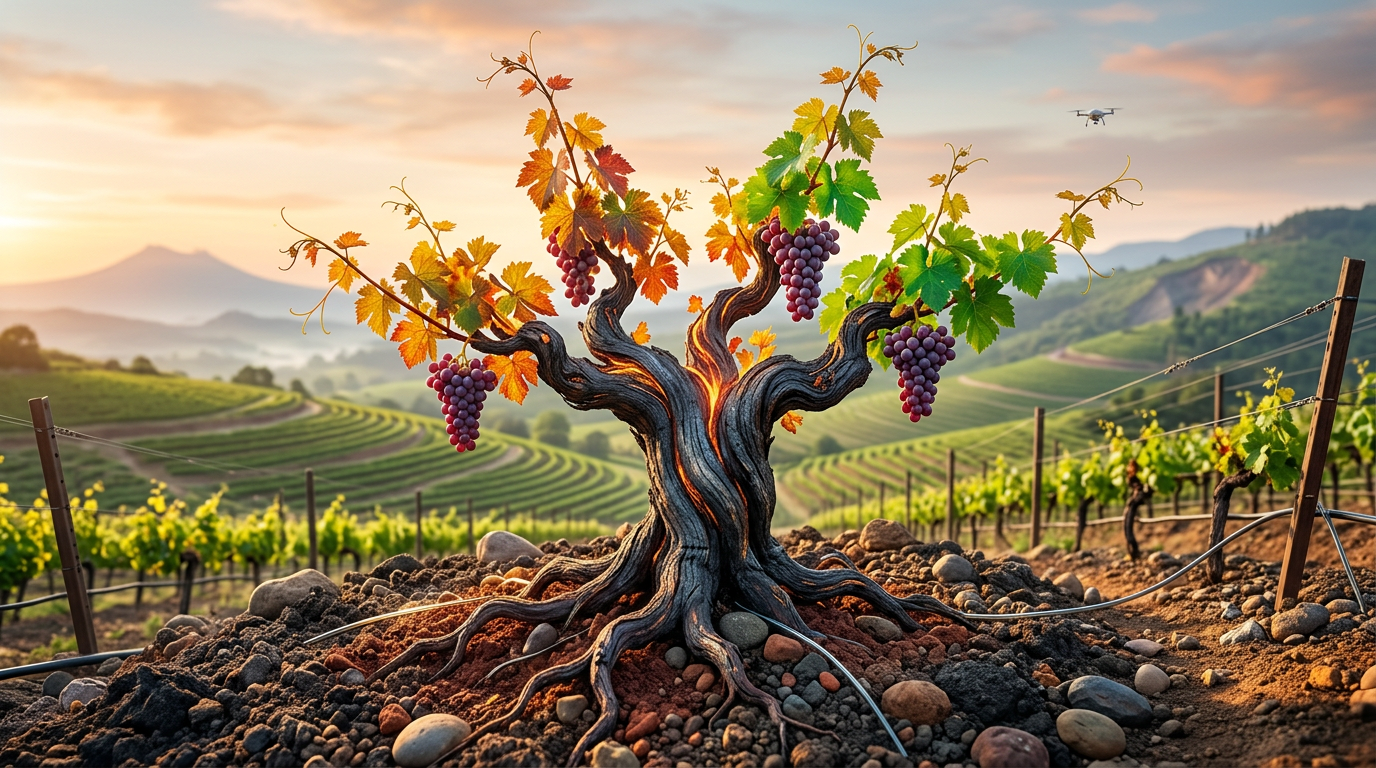
In 2026, the concept of a 'vinous aesthete' goes beyond merely drinking wine. It's about embracing the entire sensory journey, meticulously considering every detail from vineyard to glass. This philosophy emphasizes curating holistic and unforgettable wine experiences, transforming appreciation into artistry.

The Art of the 'Vinous Aesthete': Curating Wine Experiences Beyond the Bottle in 2026
In the evolving world of wine appreciation, merely drinking a fine vintage is no longer enough for the true connoisseur. Today, being a vinous aesthete means embracing the entire sensory journey, from the vineyard to the glass and beyond. In 2026, this concept has blossomed into a full-fledged philosophy, where every detail surrounding wine consumption is meticulously considered and curated, transforming a simple beverage into an extraordinary experience.
Defining the Modern Vinous Aesthete in 2026
The term "vinous aesthete" encapsulates an individual with a deep, refined appreciation for wine, not just its taste, but its history, production, cultural context, and presentation. It’s about a mindful engagement with every aspect of wine, elevating it from a drink to an art form.
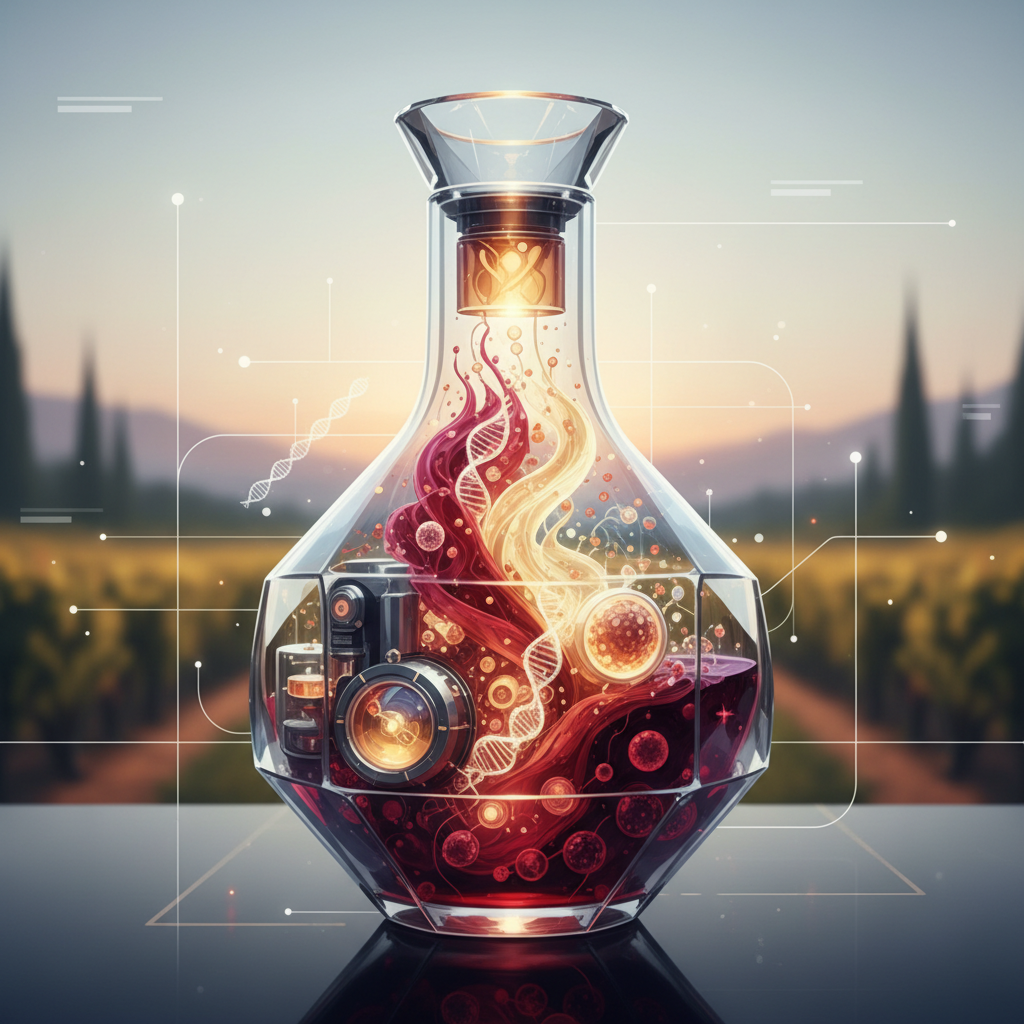
This includes understanding the nuances of terroir, the craft of winemaking, and the intricate science behind aroma and flavor profiles. It's a holistic approach that seeks to understand the "why" behind every "what." For a deeper dive into the fundamental understanding of wine's components, you might explore The Art of the 'Vinous Gestalt': Understanding Wine as More Than the Sum of Its Parts in 2026.
Beyond the Pour: Sensory Engagement
- Visual Appeal: A vinous aesthete appreciates the clarity, color, and viscosity of wine, recognizing these as initial indicators of its character and age.
- Olfactory Delights: Mastering the art of identifying primary, secondary, and tertiary aromas is crucial. This involves extensive practice and an educated nose, differentiating between fruits, florals, spices, and earthy notes.
- Palate Sophistication: Understanding acidity, tannins, sweetness, body, and finish allows for a comprehensive appreciation of the wine's structure and complexity.
The Cultural Context and Global Trends
In 2026, a significant aspect of being a vinous aesthete involves staying abreast of global wine trends and cultural shifts. This includes exploring emerging wine regions, understanding sustainable and organic winemaking practices, and recognizing the impact of climate change on viticulture.
The shift towards biodynamic wines, natural wines, and lesser-known varietals is a testament to the adventurous spirit of the modern wine lover. Online platforms and virtual tasting experiences have also expanded the horizons of enthusiasts, offering access to vineyards and experts worldwide. For insights into deciphering historical influences on current wines, consider reading The Art of the Vinous Palimpsest: Unraveling Layers of History in Aged Wines for 2026.
Curating the Ideal Vinous Experience
Creating an exceptional wine experience goes far beyond selecting a high-quality bottle. It involves thoughtful consideration of the environment, glassware, food pairings, and even the company kept. For the dedicated vinous aesthete, these elements are synergistic, each contributing to the overall enjoyment.
The Perfect Setting and Glassware
The ambiance profoundly influences the perception of wine. A quiet, well-lit space free from distracting odors allows for clearer sensory evaluation. The choice of stemware is equally critical.
- Matching Glass to Wine: Different grape varietals and wine styles benefit from specific glass shapes, designed to enhance aromas and direct the wine to the optimal parts of the palate. For instance, a Burgundy glass for Pinot Noir or a Bordeaux glass for Cabernet Sauvignon are non-negotiable for the discerning vinous aesthete.
- Serving Temperature: The correct serving temperature is paramount. Chilled whites and rosés, slightly cool reds, and properly tempered sparkling wines ensure the flavors are expressed as intended. Investing in a reliable wine thermometer is a small but significant step.
- Decantation: While not every wine benefits from decanting, many older reds and some younger, more robust wines do. Decanting allows sediment to settle and helps the wine "breathe," softening tannins and opening up complex aromatics.
The Art of Pairing: Elevating Culinary Delights with the Vinous Aesthete's Touch
One of the most rewarding aspects of being a vinous aesthete is the ability to master the art of wine and food pairing. This is not merely about matching colors but understanding how the components of wine and food interact, complementing or contrasting to create a harmonious sensory experience.
The goal is to achieve balance, where neither the wine nor the food overwhelms the other but rather enhances and elevates the flavors of both. In 2026, this practice has become more experimental and adventurous, moving beyond traditional rules to explore new gastronomic frontiers. Learn more about the psychology behind these choices in The Art of the 'Cognitive Vintage': Mastering the Psychology of Wine Expectation in 2026.
Principles of Wine and Food Harmony
- Acidity Cuts Through Fat: High-acid wines like Sauvignon Blanc or Champagne are excellent with fatty foods, cleansing the palate and offering a refreshing contrast.
- Tannins and Protein: Robust, tannic red wines (e.g., Cabernet Sauvignon) pair wonderfully with rich proteins (e.g., red meat), as the tannins bind with proteins, softening their perception in both the wine and the food.
- Sweet with Sweet: Dessert wines should always be sweeter than the dessert itself to avoid making the wine taste thin or sour.
- Umami Considerations: Umami-rich foods can be challenging. Lower-tannin, higher-acid wines or sparkling wines often work best.
- Regional Pairings: Often, wines pair best with foods from their native region, reflecting centuries of culinary evolution.
Modern Pairing Innovations for the Vinous Aesthete
The discerning vinous aesthete in 2026 is constantly exploring new frontiers for pairing. This includes
- Plant-Based Pairings: A growing area of expertise, matching vegetarian and vegan dishes with suitable wines requires an understanding of diverse textures and flavor profiles.
- Ethnic Cuisine Integration: Pairing wines with complex, spiced dishes from Asian, African, or Latin American cuisines opens up a world of exciting possibilities.
- Ingredient-Focused Pairings: Rather than pairing based on the main dish, focusing on key ingredients (e.g., a specific herb, spice, or vegetable) can lead to unexpected and delightful matches.
Education and Community: The Journey of the Vinous Aesthete
The path of the vinous aesthete is one of continuous learning and shared passion. Engaging with educational resources and connecting with a community of like-minded individuals enriches the entire wine journey.
Deepening Knowledge and Expertise
For those intent on becoming a true vinous aesthete, formal and informal education is key. This includes:
- WSET and Court of Master Sommeliers Programs: Renowned certifications that provide structured learning paths.
- Online Courses and Webinars: Platforms like Greatest Wine offer accessible, in-depth content for all levels.
- Winery Visits and Tastings: Direct experience at the source provides invaluable insights into viticulture and winemaking.
- Reading and Research: Staying updated with industry publications, books, and expert reviews is crucial. For information on global wine trends, The Art of the 'Vinous Oracle': Predicting Future Wine Trends and Consumer Palates in 2026 offers excellent insights.
Building a Community of Enthusiasts
Sharing experiences and knowledge with others is a cornerstone of being a vinous aesthete. Wine clubs, tasting groups, and online forums provide opportunities for discussion, discovery, and camaraderie.
Attending international wine festivals, vineyard events, and industry gatherings, as highlighted on platforms like Greatest Wine, offers unique opportunities to connect with producers, experts, and fellow enthusiasts, fostering a deeper understanding and appreciation for the global wine culture. Consider exploring how technology bridges these experiences, as discussed in The Art of the 'Vinous Metaverse': Bridging Real and Virtual Wine Experiences in 2026.
The Future of the Vinous Aesthete: Trends in 2026 and Beyond
As we navigate 2026, the evolution of the vinous aesthete continues. Technology, sustainability, and an ever-expanding global palate are shaping the future of wine appreciation.
Expect to see increased integration of AI in wine recommendations, personalized tasting apps, and virtual reality vineyard tours. The emphasis on ethical and environmentally friendly winemaking will also grow, influencing consumer choices and highlighting the importance of provenance and responsible production. For more on sustainability in viticulture, the International Organisation of Vine and Wine (OIV) provides valuable resources on sustainable viticulture practices. Additionally, the Wines of Chile sustainability code serves as an excellent example of industry-led responsible production.
Ultimately, the journey of the vinous aesthete is a lifelong pursuit of beauty, knowledge, and sensory delight, transforming every bottle into a story and every sip into an experience.
Written by
Juniper Thorne is an experienced writer and educator with a deep passion for the world of wine. Bringing expertise in sensory analysis and wine culture to the Greatest Wine platform, Juniper helps readers explore and appreciate every nuance of wine.
Related Articles
The Vinous Verse: How Wine's Spirit Inspires 2026's Poetic and Literary Masterpieces
The intricate dance between the grape and the written word has enchanted humanity for millennia. Explore the profound connection between wine and literature, from ancient musings to 2026's contemporary narratives and poetic masterpieces. Discover how the world of wine continually inspires writers.
Juniper Thorne