The Art of the 'Vinous Symphony': Deconstructing How Music and Sound Influence Wine Perception in 2026
In 2026, the world of wine appreciation increasingly integrates sensory experiences beyond taste, sight, and smell. "Sonic oenology" is a fascinating field exploring the profound impact of music and ambient sound on our perception and enjoyment of wine. Discover how this sensory integration is shaping wine experiences today.

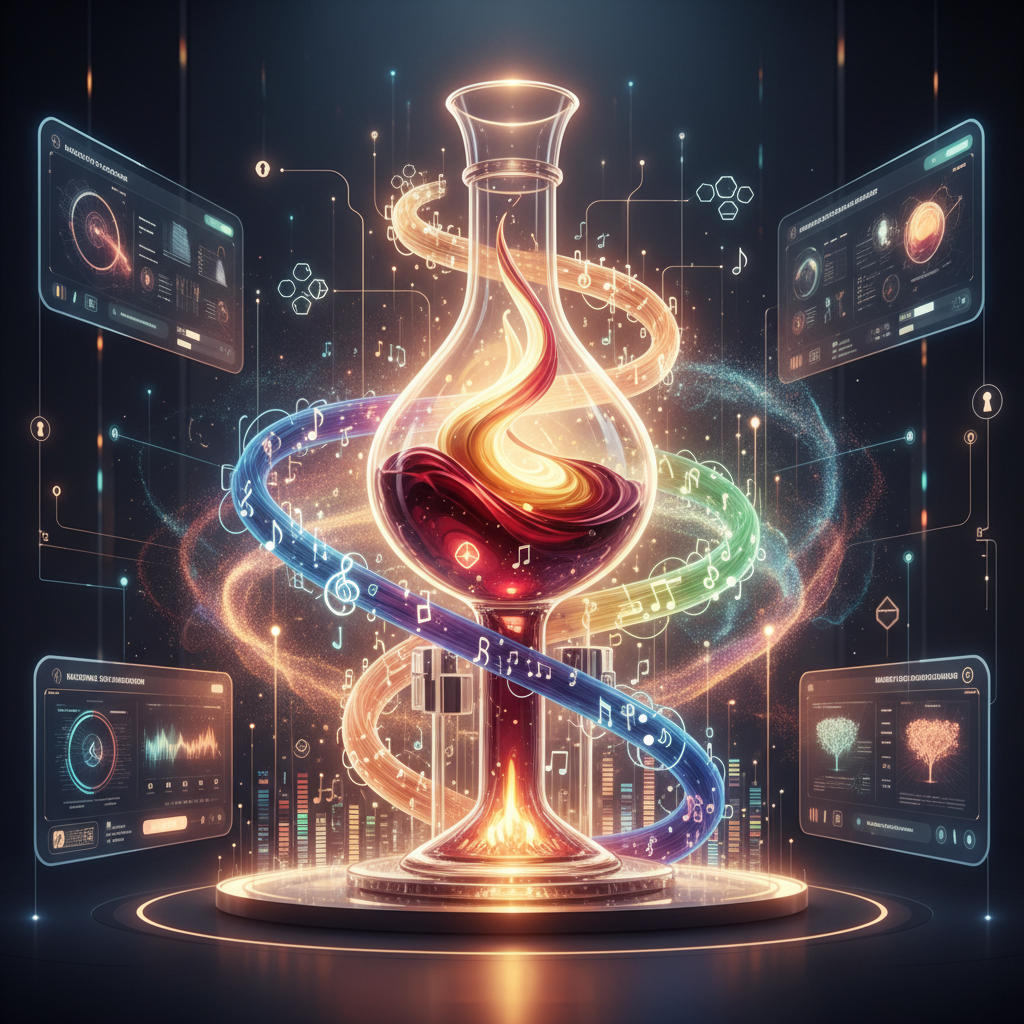
The Art of the 'Vinous Symphony': Deconstructing How Music and Sound Influence Wine Perception in 2026 and the Rise of Sonic Oenology
In the evolving world of wine appreciation, the integration of sensory experiences goes far beyond taste, sight, and smell. Enter sonic oenology, a fascinating field exploring the profound impact of music and ambient sound on our perception and enjoyment of wine. As we navigate 2026, scientific research and practical applications are revealing just how intertwined our auditory and gustatory senses truly are, challenging traditional notions of wine tasting and opening new avenues for enhanced sensory pleasure. This blog post delves into the cutting edge of this captivating intersection, demonstrating how sound can literally reshape our wine experience.
The Science Behind Sonic Oenology: Why Sound Matters
The concept that music can influence taste might seem counterintuitive at first, but cognitive psychology and neuroscience offer compelling explanations. Our brains are constantly integrating multisensory information to construct our perception of the world. What we hear can prime our expectations, influence our emotional state, and even alter the perceived characteristics of what we're consuming.
Neuroscientists suggest that certain sound frequencies and musical textures trigger specific emotional responses and associations. These emotional cues then subtly, or sometimes overtly, modify how we interpret the complex chemical signals our taste buds and olfactory receptors send to the brain. In the context of wine, this means a robust orchestral piece could enhance the perception of a wine's body, while a delicate classical melody might highlight its nuanced acidity and floral notes. For a deeper dive into how our minds interpret these complex signals, explore The Art of the 'Cognitive Vintage': Mastering the Psychology of Wine Expectation in 2026.
Cross-Modal Correspondences: The Brain's Symphony
- Emotional Priming: Music directly impacts our mood. A joyful, upbeat song can make a wine seem more celebratory and perhaps sweeter, while a melancholic tune might emphasize its bitterness or complexity.
- Sensory Synesthesia: While not true synesthesia, many people experience cross-modal correspondences, where high-pitched sounds are associated with lightness and sweetness, and low pitches with richness and bitterness.
- Contextual Influence: The entire tasting environment, including ambient sounds, contributes to the overall experience. A noisy environment can detract from appreciation, whereas curated soundscapes can elevate it.
Understanding these brain mechanisms is crucial for anyone looking to truly master sonic oenology and unlock new dimensions in their wine journey. Further insights into how sound shapes the entire environment, including vineyards themselves, can be found in The Art of the 'Vinous Resonance': Exploring the Unseen Acoustic Terroir of Vineyards in 2026.
Historical Roots and Modern Exploration of Sonic Oenology
While the term "sonic oenology" might be relatively modern, the intuitive connection between music and food/drink enjoyment is ancient. Feasts, celebrations, and rituals across cultures have always interwoven culinary delights with musical performances. From ancient Greek symposia to medieval banquets, the multisensory experience was paramount.
In the 21st century, however, this has transitioned from intuition to empirical investigation. Researchers, leading winemakers, and even restaurant proprietors are actively experimenting with sound to optimize the food and wine experience. Celebrity chef Heston Blumenthal, for example, famously served an oyster dish with an accompanying shell that played ocean sounds, enhancing the perception of freshness and brininess. For more examples of how diverse elements influence our wine experience, consider The Art of the 'Vinous Rosetta Stone': Decoding Cross-Cultural Wine Language and Sensory Interpretation in 2026.
Pioneering Studies in the 2010s and Beyond
- The Oxford Experiment: In a landmark study from 2013, participants rated wine as tasting "bolder" and "more robust" when listening to powerful, brassy music, and "sweeter" or "more refreshing" with lighter, faster pieces. For additional research on the impact of ambiance on taste perception, see this Nature Scientific Reports article on taste perception and sound.
- Sonic Seasoning: Professor Charles Spence of Oxford University has led extensive research demonstrating how specific sound frequencies can enhance particular taste attributes, such as crunchiness or sweetness. More about his work can be found on his Oxford University profile.
- Winemaking Integration: Some forward-thinking vineyards are even exploring the effect of sound on the wine-making process itself, playing music in cellars, albeit with largely anecdotal evidence of its impact on fermentation and aging.
These explorations underscore that sonic oenology is not merely a gimmick but a legitimate area of sensory science with practical applications for wine lovers and professionals alike. The integration of science into winemaking also touches on areas like The Art of the 'Vinous Micro-Biome': Crafting Terroir Through Engineered Yeast and Bacterial Cultures in 2026.
Crafting the Perfect 'Vinous Symphony': Practical Applications for Wine Enthusiasts in 2026
For the discerning wine enthusiast in 2026, integrating sonic oenology into their tasting repertoire offers exciting possibilities. It’s no longer just about the wine itself, but the entire experiential ecosystem surrounding it. Creating a curated soundscape can significantly enhance your appreciation of a wine's nuances.
Consider the type of wine you're tasting. A bold, structured Cabernet Sauvignon might sing alongside a powerful classical piece or a deep jazz instrumental, emphasizing its rich tannins and dark fruit notes. Conversely, a delicate, aromatic Sauvignon Blanc could be beautifully complemented by uplifting classical guitar or modern ambient electronic music, highlighting its crisp acidity and herbaceous character.
Tips for Applying Sonic Oenology at Home
- Match Intensity: Pair high-intensity wines (full-bodied reds) with rich, complex music. Match lighter wines (delicate whites, sparkling) with airy, melodic tunes.
- Consider Taste Attributes: Experiment with sound to enhance specific characteristics. High pitches can bring out sweetness and fruit, while lower frequencies might emphasize earthiness or bitterness.
- Curate Playlists: Develop specific playlists for different wine styles or tasting themes. Platforms like Spotify and Apple Music offer vast libraries for experimentation.
- Mind the Tempo: Fast tempos can create a lively, energetic atmosphere, suitable for celebratory wines. Slower tempos encourage contemplation and can highlight complex wines.
- Avoid Distraction: The goal is enhancement, not distraction. Music should be background, not overpowering. Adjust volume accordingly.
By consciously selecting accompanying sounds, you can guide your perception, bringing forward desirable traits and creating a more immersive and memorable tasting experience. This active approach to sonic oenology transforms passive listening into an engaging part of your wine exploration.
The Future of Sonic Oenology: Personalized Palates and AI
Looking ahead to the mid-2020s and beyond, the field of sonic oenology is ripe for innovation. Technological advancements, particularly in artificial intelligence and personalized sensory experiences, are poised to revolutionize how we interact with wine and sound.
Imagine an AI-powered sommelier that not only suggests wine pairings but also custom-generates a musical accompaniment tailored to your specific palate and emotional state, optimizing the tasting experience in real-time. Wearable tech could even monitor biometric data to refine these sonic suggestions.
Emerging Trends in Sonic Oenology
- AI-Driven Soundscapes: Algorithms could analyze wine profiles and user preferences to create dynamically evolving musical environments.
- Virtual Reality/Augmented Reality Tastings: Blending visual and auditory stimuli in immersive environments could offer unprecedented control over sensory perception during wine tasting.
- Neuro-Oenology: Deeper understanding of brain responses to sound and taste will lead to more precise and effective sonic pairings.
- Direct-to-Consumer Customization: Wineries might offer unique QR codes on bottles that link to bespoke playlists designed to complement that specific vintage. For an example of how technology is shaping wine consumption, refer to The Art of the 'Global Cellar': Curating a World-Class Wine Collection for the Modern Connoisseur in 2026.
The integration of sound into the wine world is not just a passing trend; it's a testament to our ongoing quest for deeper sensory engagement. As wine enthusiasts continue to seek richer, more nuanced experiences, sonic oenology will undoubtedly play a pivotal role in shaping the future of wine appreciation worldwide. For more on the future of sensory experiences in wine, check out this Decanter article on wine and music connections.
Conclusion: Elevating the Wine Experience Through Sound with Sonic Oenology
The journey into sonic oenology reveals a fascinating frontier in the world of wine. As of 2026, we have a growing body of scientific evidence and practical applications demonstrating that sound is not merely an incidental backdrop to our wine experiences, but an active participant that can fundamentally shape our perception of taste, aroma, and mouthfeel.
From understanding the cross-modal correspondences within our brains to crafting personalized sonic environments for specific wines, the principles of sonic oenology empower enthusiasts to unlock new dimensions of enjoyment. Whether you're a seasoned connoisseur or a curious beginner, embracing the 'vinous symphony' adds an enriching layer to every sip. So, next time you uncork a bottle, consider the soundtrack – it might just transform your entire tasting adventure.
Written by
Juniper Thorne is an experienced writer and educator with a deep passion for the world of wine. Bringing expertise in sensory analysis and wine culture to the Greatest Wine platform, Juniper helps readers explore and appreciate every nuance of wine.
Related Articles
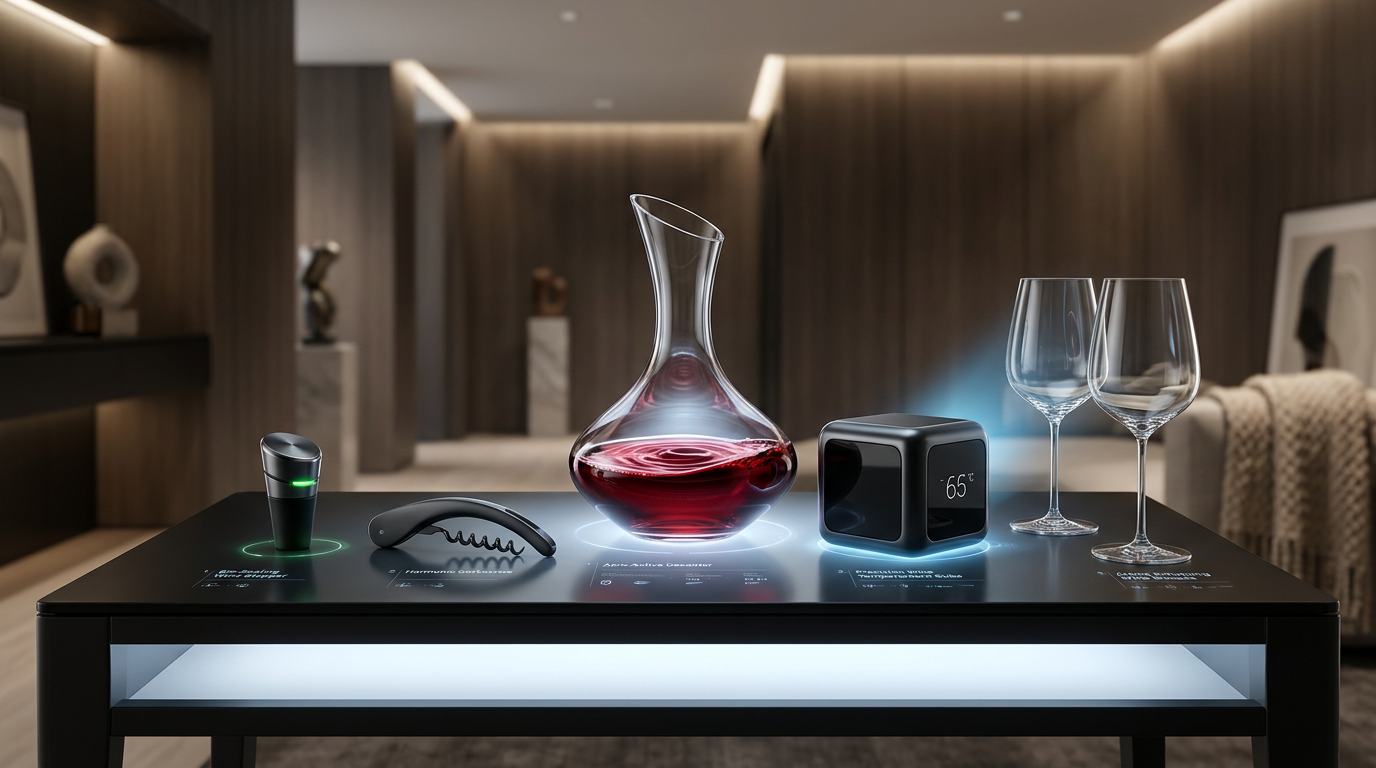
The Vinous Arsenal: Essential Tools for Elevating Your Wine Experience in 2026
As we navigate May 2026, the world of wine continues to evolve, offering enthusiasts unprecedented tools. Discover the essential wine accessories for 2026 that will elevate your enjoyment, from innovative aerators to smart preservation systems. Upgrade your vinous arsenal today with Greatest Wine.
Juniper Thorne