The Art of the 'Vinified Aurora': Harnessing Polar & High-Altitude Terroirs for 2026's Extreme Wines
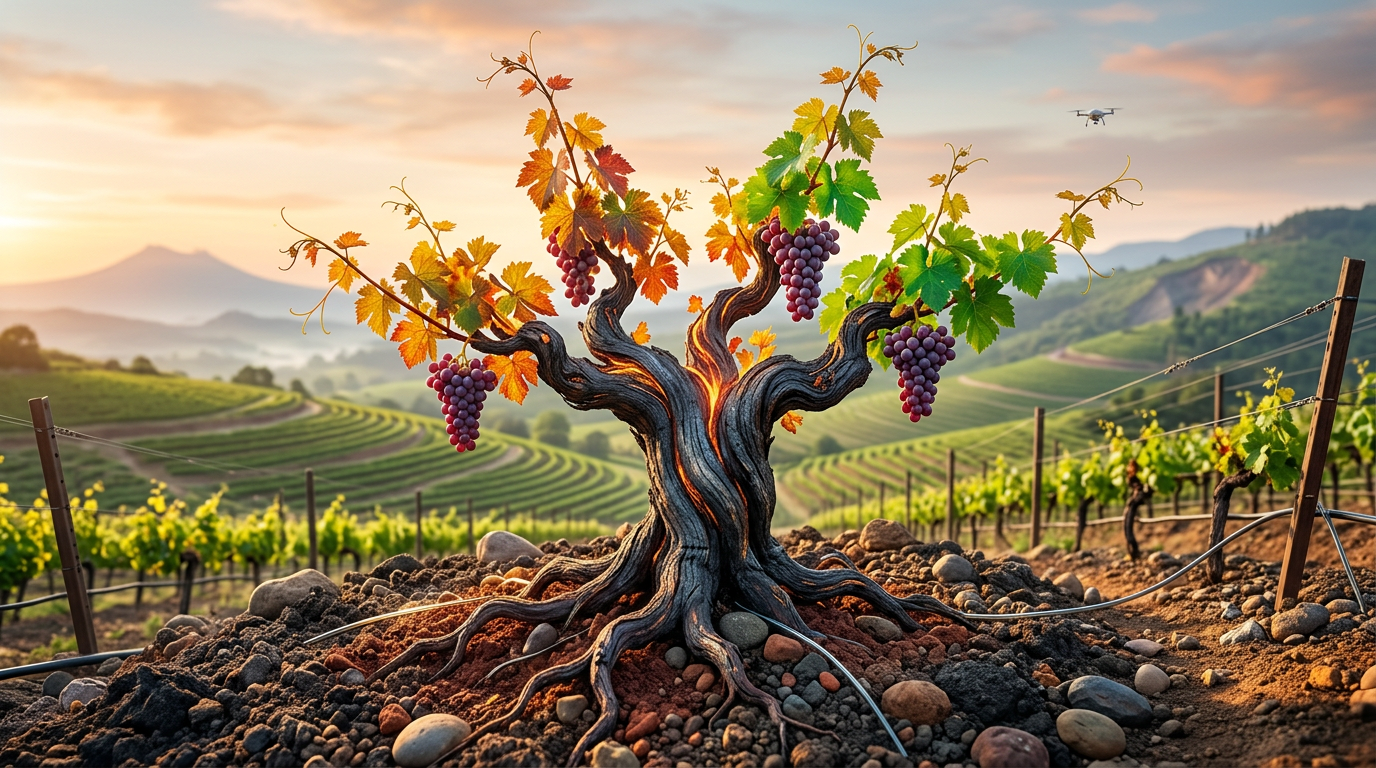
In 2026, viticulture faces evolving climates, prompting winemakers to explore uncharted territories. Polar and high-altitude regions, once unsuitable, are now fertile grounds for groundbreaking 'extreme wine' production. This 'Vinified Aurora' represents a new frontier, where resilience and innovation craft unique expressions of terroir, pushing the boundaries of traditional winemaking against environmental shifts. Discover the art of cultivating grapes in frigid latitudes and dizzying elevations, redefining the future of wine.


The Art of the 'Vinified Aurora': Harnessing Polar & High-Altitude Terroirs for 2026's Extreme Wines
In the evolving landscape of viticulture, a fascinating frontier is emerging: polar wine production. As climate patterns shift and winemakers relentlessly seek new expressions of terroir, the frigid latitudes and dizzying elevations once deemed unsuitable for grape cultivation are now becoming hotspots for pioneering viticultural projects. This exploration into extreme winemaking, particularly in regions bordering polar zones and at very high altitudes, marks a significant trend for 2026 and beyond. The 'Vinified Aurora' refers to the magical, almost mythical quality of wines born from these challenging, yet incredibly rewarding environments.
Understanding the unique characteristics these extreme environments impart requires a deep dive into the chemical fingerprint of wine, often revealing compounds not found in more temperate regions. This quest for distinctiveness is also mirrored in efforts to revive nearly extinct local grape varieties, showcasing a broader trend towards authenticity in 2026's wine scene.
The Rise of Polar Wine Production: A New Golden Age?
The concept of growing wine grapes in climates previously thought impossible is no longer science fiction. Advanced viticultural techniques, coupled with innovative grape varietals and a changing global climate, are paving the way for successful polar wine production. This isn't just about pushing boundaries; it's about discovering unique characteristics that cold climates impart to the wine.
Winemakers are finding that the slow ripening processes in these cooler regions can lead to grapes with enhanced acidity, nuanced aromatics, and lower alcohol content. These qualities are increasingly sought after by consumers and critics alike, creating a niche market for "extreme" wines. The year 2026 is seeing a significant uptick in investment and research into these challenging terroirs.
Technological Innovations in Cold-Climate Viticulture for Polar Wine Production
- Frost Protection Systems: Advanced wind machines, overhead irrigation, and even innovative ground-heating systems are crucial for mitigating the impact of unexpected frosts.
- Cold-Hardy Varietals: Research into hybrid grapes, such as Marquette, Frontenac, and Vidal Blanc, which can withstand extreme cold down to -30°C (-22°F), is accelerating.
- Precision Viticulture: GPS mapping, drone surveillance, and sensor technology help monitor microclimates, soil conditions, and vine health with unparalleled accuracy.
- Protective Structures: The use of specialized trellising systems and even temporary structures to shelter vines during the harshest winter months is becoming more common.
Geographic Hotspots for Polar Wine Production
While definitive "polar" regions are still off-limits for viticulture, areas bordering these extreme zones are showing promise. Northern Scandinavia, certain parts of Canada, and even elevated regions in Central Europe are experimenting with cold-hardy varietals. The quest for viable polar wine production is truly a global endeavor, uniting scientists and vintners with a shared vision. These efforts contribute to a broader vinous cartography, mapping flavor landscapes in uncharted territories.
High-Altitude Terroirs: The Sky's the Limit for Extreme Wines
Beyond the cold, elevation plays an equally significant role in crafting extreme wines. High-altitude vineyards, often found at 2,000 meters (6,500 feet) or more above sea level, offer a different set of challenges and rewards. The intense UV radiation, dramatic diurnal temperature swings, and thinner atmosphere contribute to wines with distinctive profiles.
In 2026, regions like the Andes in South America, the high plateaus of Mendoza, Argentina, and elevated sites in Spain are producing wines with remarkable complexity. These conditions typically result in grapes developing thicker skins, leading to deeper color, more pronounced tannins, and concentrated flavors. Acidity is often preserved due to the cooler night temperatures, balancing the fruit intensity.
Characteristics of High-Altitude Wines
- Intense Color and Tannins: Thicker grape skins developed to protect against UV radiation result in wines with rich hues and robust tannic structures.
- Preserved Acidity: The significant drop in temperature from day to night slows down the degradation of malic acid, maintaining freshness and balance.
- Concentrated Flavors: Slower ripening at higher elevations allows for a longer hang time, leading to more complex and concentrated flavor development in the grapes.
- Unique Aromatics: The combination of environmental stressors can lead to the development of distinct aromatic compounds not typically found in wines from lower altitudes.
The Impact of Climate Change on Extreme Viticulture
It's impossible to discuss emerging cold and high-altitude wine regions without acknowledging the role of climate change. While challenging for traditional wine regions, a warming climate subtly opens up new opportunities for polar wine production and pushes the boundaries of high-altitude cultivation even higher. Historically inhospitable zones are becoming marginally viable for grape growing.
However, this comes with its own set of risks, including increased unpredictability of weather patterns, more extreme weather events, and the need for constant adaptability from winemakers. Sustainable practices are paramount in these new frontiers to ensure the longevity of these nascent wine industries. The year 2026 has witnessed a heightened awareness regarding ecological balance in viticulture. For an insightful look at broader climate impacts, consider research from the Intergovernmental Panel on Climate Change (IPCC) on regional climate shifts affecting agriculture.
Adapting to a Changing Climate
- Sustainable Vineyard Management: Emphasis on biodiversity, organic practices, and water conservation to build resilient ecosystems.
- Varietal Selection: Continued research into drought-resistant and disease-resistant grape varieties suitable for fluctuating climates.
- Site Selection Optimization: Careful analysis of new potential vineyard sites, considering projected climate models and microclimatic variations.
Future Prospects for Polar Wine Production and High-Altitude Wines
The future of extreme winemaking, encompassing both polar wine production and high-altitude viticulture, is undoubtedly bright and filled with potential. As consumer palates continue to diversify and seek out unique, authentic expressions of terroir, these wines are poised to capture significant market share. The narrative of wines battling the elements resonates deeply with a desire for craftsmanship and rarity.
We are likely to see more established producers investing in these nascent regions, bringing their expertise and resources to help refine techniques and elevate quality. Educational institutions are also increasingly focusing on cold-climate and high-altitude viticulture, training the next generation of extreme winemakers. The "Vinified Aurora" is not just a poetic concept; it's a tangible reality that promises to redefine the global wine map. This shift in focus also requires a new approach to understanding consumer psychology in wine purchasing decisions, as these unique offerings carve out their market.
Challenges and Opportunities in Extreme Wine Zones
Despite the excitement, significant challenges remain. Logistics, infrastructure development, and establishing market recognition for wines from unconventional regions are ongoing hurdles. However, the unique story and often exceptional quality of these wines present unparalleled opportunities for differentiation and premium positioning. For further reading on innovative viticulture, resources like Wine Spectator often feature articles on trailblazing wine regions and techniques.
The pioneers in polar wine production and high-altitude viticulture are not just making wine; they are charting a course for the future of the industry, demonstrating resilience, innovation, and an unwavering commitment to the art of winemaking. Expect to see these extreme wines increasingly featured on top restaurant lists and in connoisseurs' cellars as 2026 progresses and beyond.
Written by
Juniper Thorne is an experienced writer and educator with a deep passion for the world of wine. Bringing expertise in sensory analysis and wine culture to the Greatest Wine platform, Juniper helps readers explore and appreciate every nuance of wine.
Related Articles

The Vinous Verse: How Wine's Spirit Inspires 2026's Poetic and Literary Masterpieces
The intricate dance between the grape and the written word has enchanted humanity for millennia. Explore the profound connection between wine and literature, from ancient musings to 2026's contemporary narratives and poetic masterpieces. Discover how the world of wine continually inspires writers.
Juniper Thorne