The Art of Vinous Contemplation: Cultivating Mindfulness Through Wine in 2026
In 2026, mindful wine tasting offers a profound way to connect with both the wine and our inner selves. This practice transforms consumption into a rich, sensory journey, encouraging us to slow down, observe, and appreciate every nuance. Amidst the complexities of the current year, cultivating mindfulness through wine provides a unique path to presence and intention.

The Art of Vinous Contemplation: Cultivating Mindfulness Through Mindful Wine Tasting in 2026
In a world that increasingly values presence and intention, the practice of mindful wine tasting has emerged as a profound way to connect with both the wine itself and our inner selves. This approach transforms a simple act of consumption into a rich, sensory journey, inviting us to slow down, observe, and appreciate every nuance. As we navigate the complexities of 2026, finding moments of calm and focused attention is more crucial than ever, and embracing wine through a mindful lens offers a unique path to achieving this. It's about moving beyond simply drinking and truly experiencing the story, craftsmanship, and essence held within each glass.
What is Mindful Wine Tasting and Why Does it Matter?
At its core, mindful wine tasting is a deliberate, sensory-focused approach to experiencing wine. It involves engaging all your senses—sight, smell, taste, and even touch—while maintaining a non-judgmental awareness of the present moment. This isn't just about identifying flavors; it's about appreciating the journey of the wine from grape to glass and understanding its impact on your own sensory expectation and appreciation.
In 2026, with the constant influx of information and distractions, cultivating mindfulness has become a vital skill. Applying this to wine allows us to unplug and fully immerse ourselves in a singular, pleasurable activity. It enhances our appreciation not just for wine but also for the often-overlooked details of everyday life. For further insights into how our brains process these sensations, explore The Art of the 'Cognitive Blend': How Our Brains Harmonize Wine Flavors in 2026.
Beyond the Swirl: The Principles of Mindful Consumption
- Intentionality: Approaching each glass with a clear purpose to fully experience it.
- Sensory Engagement: Deliberately focusing on all sensory inputs without distraction.
- Non-Judgmental Observation: Acknowledging perceptions, thoughts, and feelings without labeling them as good or bad.
- Slowing Down: Taking ample time for each step of the tasting process, from observation to finish.
- Connection: Recognizing the natural and human elements that contributed to the wine.
The Benefits of Mindful Wine Tasting
The advantages extend far beyond just enjoying a glass of wine more deeply. Practicing mindful wine tasting can reduce stress, improve sensory perception in all aspects of life, and foster a greater sense of gratitude. It trains your mind to focus, enhancing concentration and cognitive abilities. Moreover, it encourages moderation and a healthier relationship with alcohol, as the emphasis shifts from consumption to appreciation.
Preparing for Your Mindful Wine Tasting Experience
To truly embrace the art of mindful wine tasting, preparation is key. This doesn't require elaborate rituals, but rather thoughtful consideration of your environment and tools. Setting the stage correctly allows you to minimize distractions and maximize your sensory engagement, making the experience more profound and rewarding.
Choosing the Right Environment and Tools
Select a quiet, well-lit space where you won't be interrupted. Avoid strong background odors such as scented candles or cooking aromas, as these can interfere with your perception of the wine's bouquet. Invest in good quality, clean glassware, as the shape of the glass significantly impacts the aroma and presentation of the wine. A clear, neutral background (like a white tablecloth) is also helpful for observing the wine's color and clarity.
Ensure the wine is served at its optimal temperature. For instance, most red wines benefit from being slightly cooler than room temperature, while whites and rosés should be properly chilled but not ice-cold, which can dull their aromas and flavors. Proper temperature unlocks the full aromatic potential and textural nuances of the wine.
Selecting Your Wine for Mindful Exploration
For your first few mindful sessions, consider choosing a wine you are already somewhat familiar with, or one with distinct characteristics that are easy to identify. This reduces the pressure of "figuring out" a complex new wine and allows you to focus on the mindful process itself. Alternatively, choose a wine you've always wanted to explore in depth. The goal is to select something that genuinely piques your interest and curiosity, as this intrinsic motivation enhances engagement.
- Familiarity: Start with a favorite varietal or region to build confidence.
- Distinct Characteristics: Choose wines with pronounced fruit, earthy, or spicy notes.
- Curiosity: Opt for a wine that sparks your interest and willingness to explore.
The Step-by-Step Guide to Mindful Wine Tasting
The practice of mindful wine tasting follows a gentle, structured approach, inviting you to engage each sense sequentially. Remember, there's no right or wrong answer in your perceptions; only observations. The goal is personal discovery and heightened awareness.
1. Observe with Your Eyes (See)
Pour a modest amount of wine (about 2-3 ounces) into your glass. Hold it against a white background. Observe its color, clarity, and viscosity. Is it deep ruby, pale gold, or vibrant pink? Does it have brilliant clarity or a slight cloudiness? Swirl the glass gently and notice the "legs" or "tears" that cling to the side of the glass—these can give clues about alcohol content and body, but don't overthink them. Simply observe without judgment.
2. Engage Your Nose (Swirl and Sniff)
Bring the glass to your nose. Take a gentle, short sniff. What are your immediate impressions? Don't try to identify specific aromas yet, just notice general categories. Is it fruity, earthy, floral, or spicy? Swirl the wine again, then take a deeper inhale. Now, try to identify more specific notes. Do you smell berries, citrus, vanilla, oak, or something else? Allow memories or associations to surface, but don't cling to them. This is a crucial part of mindful wine tasting.
- Initial Sniff: General aromatic families.
- Second Sniff: Specific aroma identification.
- Third Sniff (Optional): Deeper layers, subtle notes.
3. Taste and Reflect (Sip and Savor)
Take a small sip of the wine, allowing it to coat your tongue and palate. Don't swallow immediately. Notice its texture—is it smooth, rough, velvety, or thin? What about the primary flavors? Is it sweet, sour (acidity), bitter (tannin), or salty? Pay attention to the balance of these elements. As you swallow, observe the finish – the flavors and sensations that linger in your mouth and throat. How long does it last? Does it evolve over time? For more on understanding your unique perception, read about The Art of the Vinous Palate Print: Decoding Your Unique Genetic Blueprint for Wine Appreciation in 2026.
After each sip, pause. Take a moment to reflect on your perceptions. What sensations are most prominent? Are they pleasant, neutral, or challenging? There's no need to force a particular experience, just acknowledge what is present. This reflective pause is where true mindfulness cultivates.
4. Feel and Connect (Touch and Emotion)
Beyond the literal touch of the glass, what feelings or emotions does the wine evoke? Does it transport you to a memory, a place, or a particular mood? Acknowledge these internal sensations. Consider the craftsmanship and journey of the wine—the soil, the climate, the hands that cultivated the grapes, and the winemaker's vision. This deeper connection enriches the entire mindful wine tasting journey.
Deepening Your Understanding: Advanced Mindful Wine Practices in 2026
As you become more comfortable with the basics of mindful wine tasting, you can explore ways to deepen your practice. In 2026, technology and community resources offer exciting avenues for enhancing your vinous contemplation, expanding beyond solitary tasting to shared experiences.
Journaling and Sensory Dictionaries
Maintaining a wine tasting journal is an excellent way to track your progress and refine your palate. Describe not just the flavors and aromas, but also your thoughts, feelings, and the overall experience. Use a sensory dictionary (available online or in wine books) to help you expand your vocabulary for describing wine. This active engagement strengthens neural pathways associated with sensory processing.
Regularly reviewing your notes helps you recognize patterns in wines you enjoy, identify specific varietal characteristics, and observe how your perceptions evolve over time. This reflective process is central to the mindful approach, allowing for continuous learning and growth. For a scientific perspective on the chemical components you might be noticing, consider reviewing insights into the 'Molecular Terroir': Unlocking the Chemical Fingerprint of Wine in 2026.
Mindful Pairings: Food and Wine as a Holistic Experience
Extend your mindfulness to food and wine pairings. Instead of just matching flavors, consider how each element interacts and influences the other. Does the wine enhance the food, or vice versa? How do the textures and acidity play together? This transforms a meal into a multisensory exploration, demonstrating a truly holistic approach to mindful wine tasting and dining. A good resource for exploring how various factors contribute to the overall experience is the Wine Folly website (winefolly.com), offering comprehensive guides to pairings and tasting notes.
For example, pairing a crisp Sauvignon Blanc with a goat cheese salad can highlight the herbaceous notes in both, while a robust Cabernet Sauvignon with a steak brings out the savory umami, creating a richer, more complex experience for your mindful palate.
Joining Mindful Wine Communities and Events (2026 Trends)
The global wine community in 2026 is increasingly embracing mindful consumption. Look for local wine clubs or online forums that focus on thoughtful tasting practices. Many vineyards and wine shops are now hosting "mindful tasting" events, which can be an excellent way to learn from experts and share your experiences with like-minded individuals. These curated events often include guided meditations or sensory exercises alongside the wine tasting, enhancing the overall mindful experience. The Vivino community (vivino.com) for instance, provides a platform for connecting with other wine enthusiasts and discovering new wines and trends in 2026.
Participating in these communities not only expands your knowledge but also reinforces the sense of connection and shared appreciation that mindfulness cultivates. It’s a wonderful way to deepen your exploration of mindful wine tasting in a supportive and engaging environment. You might also find fascinating parallels in The Art of the 'Vinous Echo-Chamber': Unmasking the Amplified Influence of Online Wine Communities in 2026.
Conclusion: The Enduring Journey of Mindful Wine Tasting
The practice of mindful wine tasting is far more than just a technique for evaluating wine; it's an invitation to cultivate presence, enhance sensory awareness, and connect more deeply with the world around us. In 2026, as life continues to accelerate, taking these deliberate pauses to savor and appreciate becomes an invaluable act of self-care and conscious living.
By engaging all your senses, slowing down, and embracing non-judgmental observation, you unlock untold depths of flavor, aroma, and meaning within each glass. Whether you're a seasoned connoisseur or a curious beginner, embarking on this mindful journey promises not just a richer appreciation for wine, but a more profound connection to the present moment, one exquisite sip at a time. Embrace the art of vinous contemplation, and let each glass be a guide to greater awareness and enjoyment. To delve deeper into the philosophical aspects of wine, the Guild of Sommeliers (guildsomm.com) offers rich educational resources.
Written by
Juniper Thorne is an experienced writer and educator with a deep passion for the world of wine. Bringing expertise in sensory analysis and wine culture to the Greatest Wine platform, Juniper helps readers explore and appreciate every nuance of wine.
Related Articles
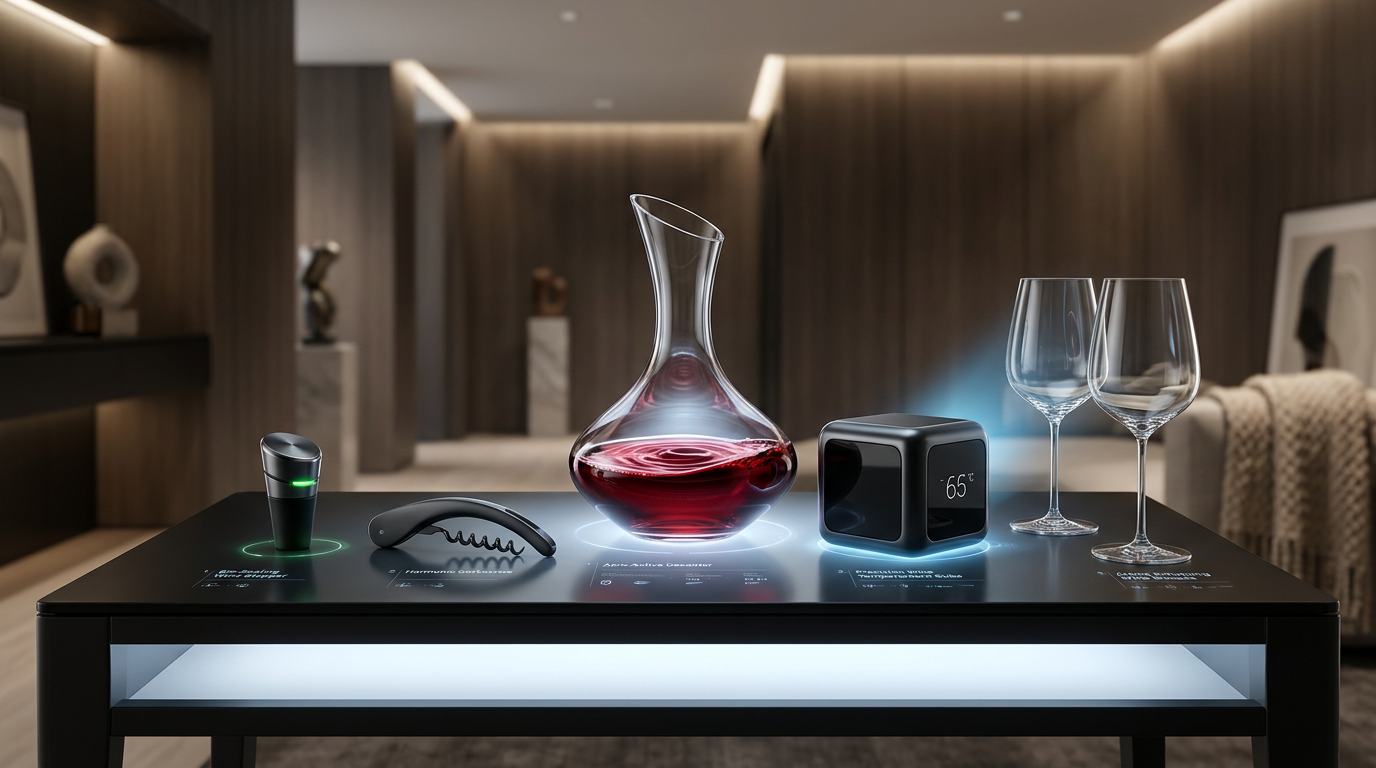
The Vinous Arsenal: Essential Tools for Elevating Your Wine Experience in 2026
As we navigate May 2026, the world of wine continues to evolve, offering enthusiasts unprecedented tools. Discover the essential wine accessories for 2026 that will elevate your enjoyment, from innovative aerators to smart preservation systems. Upgrade your vinous arsenal today with Greatest Wine.
Juniper Thorne