The Art of the Vinous Tapestry: Weaving Indigenous Knowledge and Climate Resilience into Wine in 2026
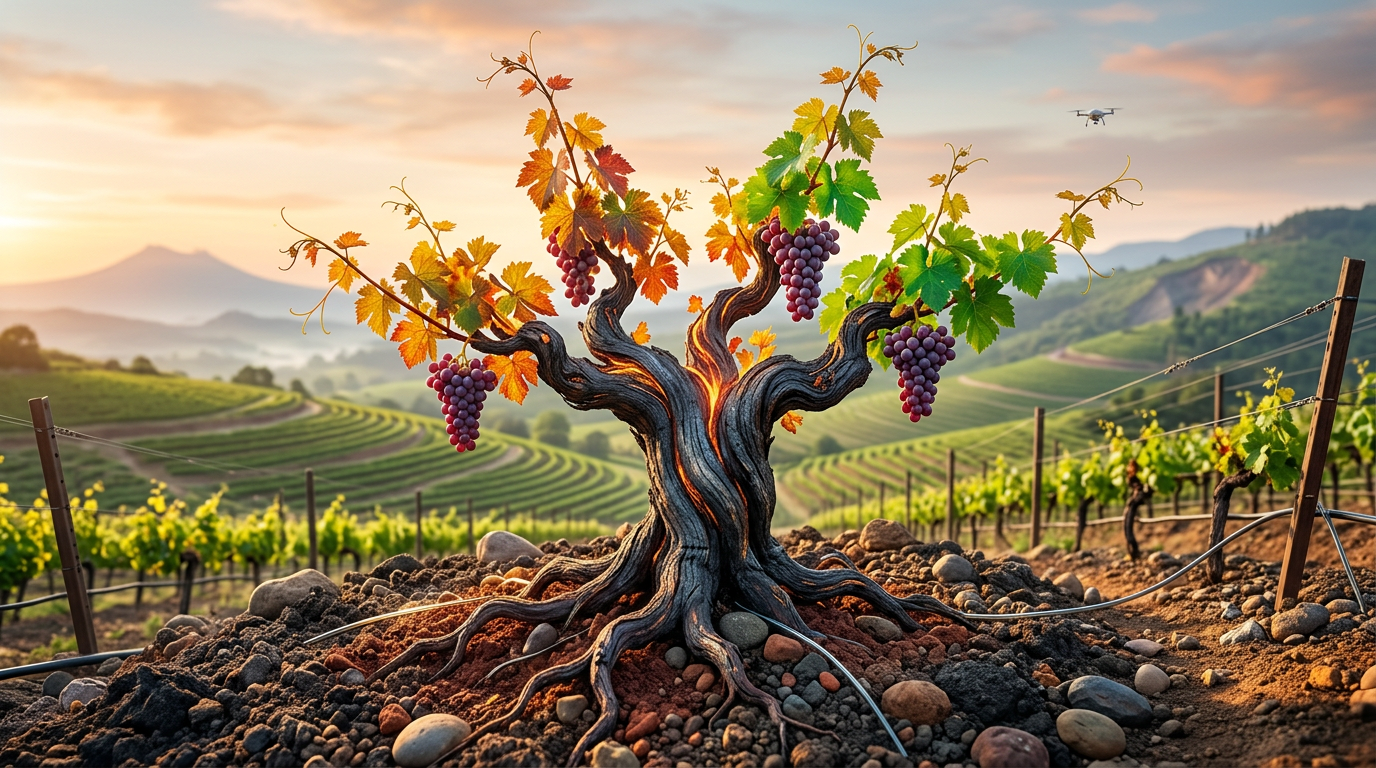
In 2026, the global wine industry is increasingly turning its attention to the profound wisdom embedded within indigenous wine practices. These time-honored methods offer invaluable insights into sustainable viticulture, biodiversity preservation, and the creation of unique, resilient wines amidst climate challenges.

Indigenous Wine Practices 2026: Ancient Wisdom for Modern Viticulture
In 2026, the global wine industry is increasingly turning its attention to the profound wisdom embedded within indigenous wine practices 2026. These time-honored methods, often passed down through generations, offer invaluable insights into sustainable viticulture, biodiversity preservation, and the creation of unique, resilient wines. As climate change continues to impact vineyards worldwide, understanding and integrating these traditional approaches are becoming crucial for the future of winemaking. Therefore, focusing on these practices is essential for innovation.
The Resurgence of Ancient Wisdom in Modern Viticulture: Exploring Indigenous Wine Practices 2026
The call for more sustainable and ecologically sound agricultural practices has never been louder. Vintners in 2026 are rediscovering that many solutions lie not in futuristic technologies, but in the enduring knowledge cultivated by indigenous communities over millennia. Consequently, these practices are inherently regenerative, respecting the delicate balance of ecosystems. Let's explore these valuable approaches.
Holistic Vineyard Management as a Core Indigenous Wine Practice
Many traditional cultures view the vineyard not just as a monoculture crop, but as an integral part of a larger, interconnected ecosystem. This holistic approach contrasts sharply with conventional industrial agriculture, which often relies on synthetic inputs. Furthermore, it promotes long-term health.
- Biodynamic Principles: While often associated with Rudolf Steiner, many indigenous approaches predate biodynamics, sharing its core tenets. This includes working with lunar cycles, creating on-site composts, and fostering vineyard biodiversity to enhance soil health and vine resilience. For more on ancient rhythms, see The Art of the 'Vinous Metronome': Synchronizing Lunar Cycles and Vineyard Rhythms for 2026's Biodynamic Precision.
- Water Conservation Strategies: Indigenous communities have long mastered efficient water use in arid environments. Techniques like terracing, dry farming, and utilizing natural water catchment systems are being re-evaluated for contemporary vineyards. These methods are crucial in drier climates.
- Native Plant Integration: Reintroducing native flora within and around vineyards helps encourage beneficial insects, prevents soil erosion, and enhances the overall ecological health of the site. This creates a balanced ecosystem.
Terroir Reimagined: Beyond Soil and Climate with Indigenous Wine Practices 2026
While Western winemaking often defines terroir by specific geological and climatic characteristics, indigenous wine practices 2026 expand this definition to include cultural and spiritual dimensions. Terroir encompasses the human element – the traditions, beliefs, and practices that shape the land and its produce. In essence, it tells a deeper story. To understand more about the human impact on winemaking landscapes, consider The Art of the Vinous Anthropocene: Decoding Humanity's Indelible Mark on Wine in 2026.
Cultural Heritage in Every Bottle
For many indigenous winemakers, winemaking is a spiritual act, deeply connected to their ancestors and the land. This often translates into unique winemaking philosophies and methods that imbue the final product with a distinct sense of place and history. Indeed, each bottle holds a narrative.
The narratives behind these wines are powerful. They speak of continuity, resilience, and a deep reverence for the environment. Consumers in 2026 are increasingly seeking out these authentic stories and the meaningful connections they offer. Therefore, these wines resonate deeply.
Preserving Ancient Grape Varieties: A Key Indigenous Wine Practice 2026 Focus
Indigenous communities have often maintained heirloom grape varieties that are perfectly adapted to their local environments. These grapes may not be globally recognized but possess incredible genetic diversity and resilience to local pests and diseases, offering a genetic safeguard against future climate challenges. Consequently, they are invaluable resources. For further reading on this topic, explore The Art of the Vinous Renaissance: Reviving Nearly Extinct Local Grape Varieties for 2026's Authentic Terroir.
- Many of these varieties are naturally low-yielding, contributing to concentrated flavors and unique aromatic profiles. Thus, they offer distinct characteristics.
- Their inherent disease resistance often reduces the need for chemical interventions, aligning with organic and biodynamic principles. This promotes healthier vineyards.
Climate Resilience Through Traditional Methods: The Power of Indigenous Wine Practices 2026
The wine industry is at the forefront of feeling the impacts of climate change, from extreme weather events to shifting ripening seasons. Indigenous wine practices 2026 offer proven, low-tech solutions that can significantly enhance vineyard resilience. Clearly, these methods are vital for survival. The International Organisation of Vine and Wine (OIV) also highlights the importance of environmental sustainability in the sector, echoing the principles found in indigenous practices.
Adaptive Farming Techniques in Indigenous Viticulture
Centuries of observation have equipped indigenous cultures with profound knowledge of their local microclimates and how to adapt to environmental shifts. These adaptations are vital for sustained viticulture. Moreover, they provide a blueprint for future farming.
- Canopy Management: Traditional methods of pruning and training vines often prioritize protection from intense sun or frost, rather than solely maximizing yield. This ensures vine health.
- Soil Enrichment: Practices like cover cropping with native plants and creating bio-char enhance soil organic matter, improving water retention and nutrient cycling, making vineyards more resilient to drought and heatwaves. Hence, healthy soil is paramount.
- Natural Pest and Disease Control: Rather than relying on broad-spectrum pesticides, indigenous practices often involve encouraging natural predators, companion planting, and using plant-based remedies to manage vineyard health. This fosters natural balance.
These strategies are proving to be not just sustainable, but economically viable for many producers grappling with unpredictable weather patterns in 2026. Therefore, their adoption is growing.
Global Impact and Future Outlook: Embracing Indigenous Wine Practices 2026
The conversation around indigenous wine practices 2026 is gaining significant momentum in international wine forums and academic research. Leading institutions and influential vintners are actively studying and implementing these methods. This global recognition highlights their importance. Organizations like the UNESCO Intangible Cultural Heritage program indirectly support the preservation of such traditional knowledge, including viticultural practices.
Ethical Sourcing and Fair Trade in Indigenous Wine
Beyond the environmental benefits, incorporating indigenous practices often means supporting the communities that preserve this knowledge. This brings an important ethical dimension to the wine industry, promoting fair trade, cultural respect, and equitable partnerships. Ultimately, it benefits everyone.
Many new initiatives in 2026 are focused on direct partnerships with indigenous growers, ensuring fair compensation and recognition for their irreplaceable contributions. Consequently, these collaborations are vital.
Innovation Inspired by Tradition
The integration of indigenous knowledge is not about returning to the past in its entirety, but rather about learning from it to innovate for the future. Modern scientific research is now providing validation for many traditional methods, leading to their sophisticated application in contemporary vineyards. For instance, new insights are emerging.
For example, advanced soil analysis is confirming the efficacy of traditional composting and multispecies cover cropping in improving microbial diversity and nutrient availability. This scientific backing reinforces traditional wisdom.
The Consumer's Role in Valuing Indigenous Wines and Indigenous Wine Practices 2026
As consumers become more aware of environmental and social issues, their purchasing decisions are increasingly driven by values. Wines produced using indigenous wine practices 2026 appeal to this discerning market segment. Clearly, consumer demand is shifting.
Seeking Authenticity and Sustainability
There's a growing demand for wines that offer more than just taste; consumers want a story, a connection to the land, and an assurance of responsible production. Wines made with traditional indigenous methods inherently provide these sought-after attributes. Ultimately, they offer a holistic experience.
Labeling and certifications that highlight indigenous sourcing, traditional methods, and community engagement are becoming more prevalent and influential in consumer choices. This guides ethical purchasing.
Education and Appreciation for Indigenous Wine Practices 2026
Platforms like "Greatest Wine" have a crucial role to play in educating enthusiasts about the rich heritage and profound value of indigenous winemaking. By spotlighting these practices, we can foster a deeper appreciation for the diverse tapestry of global wine culture and encourage ethical consumption. Therefore, education is key. Details on how consumers think about wine can be explored in The Art of the 'Cognitive Corkscrew': Understanding Consumer Psychology in Wine Purchasing Decisions for 2026.
Understanding these practices enriches the entire wine experience, from the first swirl in the glass to the lingering finish. It transforms wine tasting into an act of cultural immersion and environmental stewardship. This creates a more meaningful connection. The Slow Food movement also champions wines that are good, clean, and fair, aligning with many indigenous wine principles.
In conclusion, the embrace of indigenous wine practices 2026 is much more than a trend; it is a fundamental shift towards a more resilient, respectful, and flavorful future for the global wine industry. By weaving ancient wisdom with modern challenges, we ensure that the vinous tapestry continues to thrive for generations to come, offering unique expressions of terroir that are deeply rooted in both land and heritage. Moreover, these practices represent significant hope for the sector.
Written by
Juniper Thorne is an experienced writer and educator with a deep passion for the world of wine. Bringing expertise in sensory analysis and wine culture to the Greatest Wine platform, Juniper helps readers explore and appreciate every nuance of wine.
Related Articles

The Vinous Verse: How Wine's Spirit Inspires 2026's Poetic and Literary Masterpieces
The intricate dance between the grape and the written word has enchanted humanity for millennia. Explore the profound connection between wine and literature, from ancient musings to 2026's contemporary narratives and poetic masterpieces. Discover how the world of wine continually inspires writers.
Juniper Thorne