The Art of the Vinous Alpenglow: Crafting High-Altitude Wines in 2026's Extreme Terroirs
In 2026, the allure of high-altitude wines continues to captivate. Explore the unique alchemy unfolding in the world's highest vineyards, where extreme terroirs yield extraordinary bottlings known for their complexity and freshness. Discover the art of crafting these exceptional vinous alpenglows.


The Art of the Vinous Alpenglow: Crafting High-Altitude Wines in 2026's Extreme Terroirs
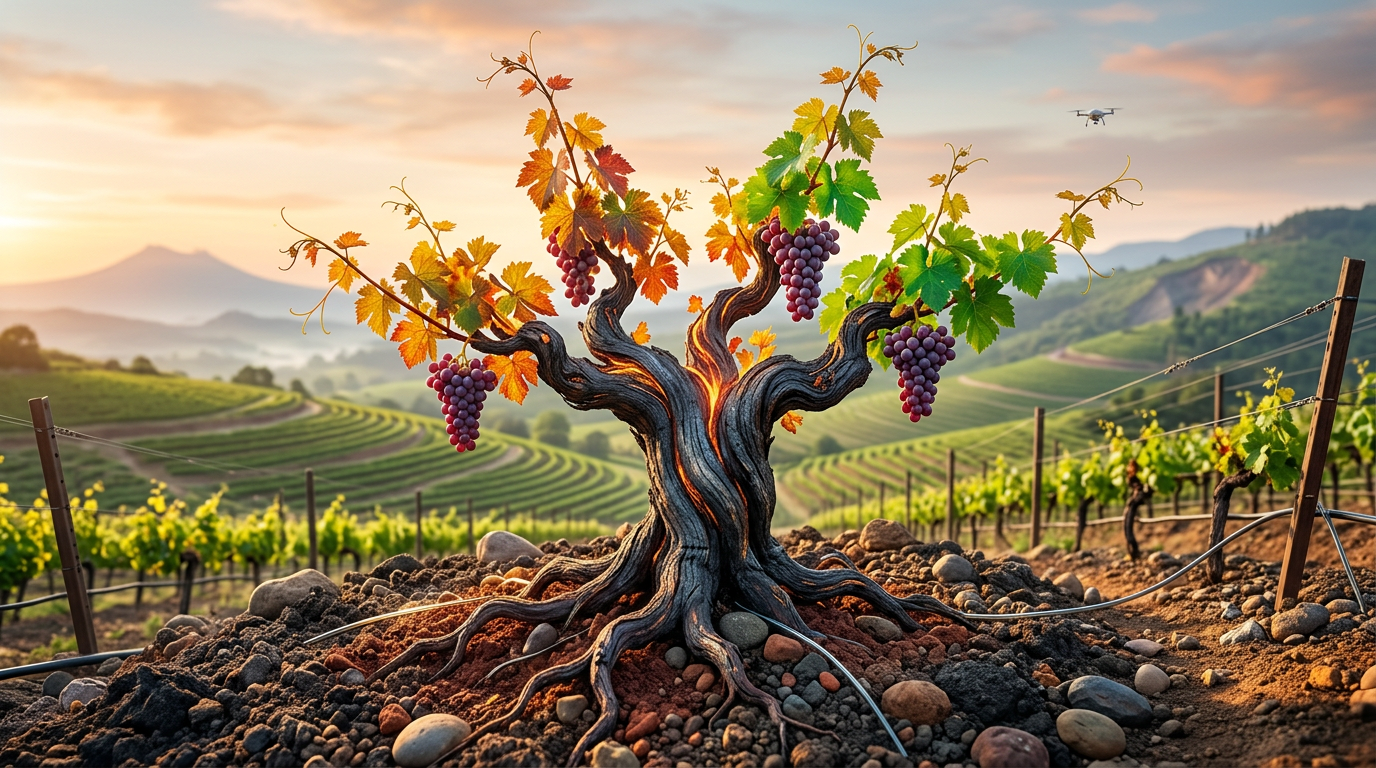
In the rarefied air of the world's highest vineyards, a unique alchemy unfolds, giving birth to truly exceptional high-altitude wines. These extraordinary bottlings, forged in challenging mountainous conditions, offer a complexity and freshness rarely found elsewhere. As we move through 2026, the fascination with these extreme terroirs continues to grow, drawing both seasoned connoisseurs and curious newcomers to explore the nuanced character that elevation imparts. From the towering Andes to the rugged peaks of the Alps and beyond, grapevines cling to steep slopes, battling intense UV radiation, diurnal temperature swings, and thin soils to produce grapes with unparalleled aromatic intensity and vibrant acidity.
For more insights into the intersection of cutting-edge technology and winemaking, explore The Art of the Vinous Algorithm: Personalizing Wine Selection with AI and Neuro-Sommelier Insights in 2026.
The Unique Terroir of High-Altitude Wines
The distinctive characteristics of high-altitude wines are not merely a result of elevation but a symphony of environmental factors harmonizing to shape the grape. These extreme terroirs present a unique set of challenges and benefits that ultimately define the identity of the wine.
Intense UV Radiation and Thicker Skins
At higher elevations, the atmosphere is thinner, leading to significantly increased exposure to ultraviolet (UV) radiation. This intense sunlight triggers a defensive response in the grapevines, causing them to develop thicker skins. These thicker skins are rich in anthocyanins (color pigments) and tannins, contributing to the deeper color, greater phenolic complexity, and often a more structured palate in high-altitude wines. In 2026, winemakers are increasingly exploring specific clones adapted to these conditions, further enhancing these desirable traits.
Dramatic Diurnal Temperature Variations
One of the most defining features of high-altitude vineyards is the significant difference between daytime and nighttime temperatures. Warm, sunny days promote sugar accumulation, while cold nights slow down respiration and prevent the loss of acidity. This extended ripening period allows for a perfect balance of sugar development and phenolic maturity, resulting in wines with vibrant acidity, pronounced aromatics, and often lower alcohol levels compared to their warmer climate counterparts. This preservation of acidity is a hallmark of quality in many high-altitude wines.
Purer Air and Reduced Disease Pressure
The pristine, dry air found at higher elevations provides a natural advantage against many fungal diseases that plague vineyards in more humid, lower-lying areas. This often translates to a reduced need for chemical treatments, allowing for more organic and biodynamic farming practices. For more on how environmental factors like historical climate shifts impact wines, read about The Art of the 'Vinous Echo': Tracing the Enduring Influence of Historic Climate Shifts on 2026's Old Vine Wines. The cleaner environment also contributes to the purity of fruit expression observed in many high-altitude wines.
Grape Varietals Thriving in Elevated Vineyards
While many grape varietals can be found at altitude, certain ones truly excel, demonstrating their resilience and expressive potential when grown in these challenging conditions. The choice of varietal is crucial for crafting compelling high-altitude wines.
- Malbec (Argentina): Perhaps the most famous example, Argentinian Malbec from regions like Mendoza's Uco Valley reaches new heights of elegance and floral complexity at elevations often exceeding 1,000 meters.
- Pinot Noir (Patagonia, Alto Adige): This delicate grape finds an ideal home in cooler, elevated sites, developing nuanced aromatics, bright acidity, and complex earthy notes.
- Torrontés (Argentina): A highly aromatic white grape, Torrontés from Salta, grown at some of the world's highest vineyards, offers intense floral and citrus notes with a distinctive crispness.
- Riesling (Alto Adige, Germany): Though often associated with northern latitudes, Riesling also thrives on steep, high-altitude slopes, its acidity and aromatic purity amplified.
- Syrah/Shiraz (Andes, Rhône Valley): When grown at altitude, Syrah can shed some of its broader, fruit-forward character, gaining more peppery, savory notes and leaner profiles.
Emerging Varietals and Experimental Plantings
In 2026, winemakers are increasingly experimenting with varietals previously thought unsuitable for such extreme conditions, leveraging climate-resilient rootstocks and innovative trellising systems. This experimentation promises exciting new expressions of high-altitude wines in the years to come. Such innovation also extends to understanding how engineered yeast and bacterial cultures are crafting terroir through the 'Vinous Micro-Biome' in 2026.
The Craftsmanship Behind High-Altitude Wines
Producing high-altitude wines is a labor of love that demands meticulous attention to detail at every stage, from vineyard management to winemaking techniques. The unique conditions necessitate a specific approach.
Sustainable Viticulture Practices
Many high-altitude vineyards are inherently suited for sustainable, organic, or biodynamic farming due to their natural protection from pests and diseases. The steep terrains often make mechanization difficult, leading to a greater reliance on manual labor. This hands-on approach fosters a deep connection to the land and can result in healthier vines and more expressive grapes. The practices often echo ancient wisdom, as explored in The Art of the Vinous Tapestry: Weaving Indigenous Knowledge and Climate Resilience into Wine in 2026.
Precision Winemaking Techniques
Given the intense fruit and vibrant acidity of high-altitude grapes, winemakers must employ precise techniques to balance these characteristics. This often involves careful extraction during fermentation, thoughtful use of oak to complement rather than overpower the fruit, and a focus on preserving the wine's natural freshness. Gentle handling is paramount to ensure the delicate aromatics are retained.
- Cool Fermentations: To preserve vibrant fruit and floral aromas.
- Minimal Intervention: Allowing the terroir to speak through the wine.
- Aging Decisions: Often in neutral vessels or larger, older oak to maintain purity.
Taste Profile: What to Expect from High-Altitude Wines
Tasting high-altitude wines is an experience unto itself. They often exhibit a distinct set of sensory characteristics that set them apart from their lower-altitude counterparts. As consumers become more discerning, the demand for these unique profiles is on the rise in 2026.
Vibrant Acidity and Freshness
The most defining feature is undoubtedly their bright, lively acidity. This is a direct result of the dramatic diurnal temperature shifts, which promote slow, balanced ripening. This acidity provides a mouth-watering freshness and a long, clean finish, making these wines incredibly food-friendly.
Intense Aromatics and Purity of Fruit
The extended hang time and increased UV exposure contribute to a greater concentration of aromatic compounds. Expect highly expressive noses, often showcasing pure fruit flavors, floral notes, and sometimes savory or mineral undertones that are exceptionally well-defined. The fruit often tastes vibrant and unadulterated.
Textural Richness and Elegant Structure
Despite their freshness, many red high-altitude wines possess a remarkable textural richness and an elegant tannic structure derived from thicker grape skins. This structure provides backbone and aging potential without being overly aggressive, leading to a refined mouthfeel.
In summary, the sensory profile of these wines is a testament to their challenging origins: bright, pure, and refreshingly complex. To further understand the science behind wine flavors, explore academic articles on wine chemistry and sensory analysis.
Pairing and Enjoying High-Altitude Wines in 2026
The inherent freshness and vibrant acidity of high-altitude wines make them incredibly versatile partners for a wide array of culinary experiences. Understanding how to pair them can elevate both the wine and the meal.
Food Pairing Synergies
Their crisp acidity cuts through richer foods, making them excellent companions for fatty meats, creamy sauces, and flavorful aged cheeses. The purity of fruit in lighter reds and whites also allows them to shine alongside fresh seafood, salads, and vegetable-centric dishes. Consider a high-altitude Malbec with a grilled steak or a crisp Torrontés with spicy Asian cuisine. The bright acidity is also fantastic with salty dishes. The principles of pairing are often rooted in cultural preferences. Learn more about wine pairing basics for diverse cuisines to refine your choices.
Serving Recommendations
To fully appreciate the nuanced aromatics and refreshing acidity of these wines, serving them at the correct temperature is crucial. Most white high-altitude wines benefit from being served well-chilled (around 8-10°C / 46-50°F), while reds often show best slightly cooler than typical room temperature (around 14-16°C / 57-61°F). Decanting red high-altitude wines can also help them open up and express their full aromatic complexity. Detailed serving temperature guidelines can be found from resources like Wine.com's serving recommendations.
The world of high-altitude wines continues to captivate and inspire. Their compelling story of resilience, unique terroir, and singular flavor profiles offers a rewarding journey for any wine enthusiast. As we look to the remainder of 2026 and beyond, these vinous gems from the peaks are poised to claim an even more significant place on our tables and in our cellars, truly embodying the art of the vinous alpenglow.
Written by
Juniper Thorne is an experienced writer and educator with a deep passion for the world of wine. Bringing expertise in sensory analysis and wine culture to the Greatest Wine platform, Juniper helps readers explore and appreciate every nuance of wine.
Related Articles

The Vinous Verse: How Wine's Spirit Inspires 2026's Poetic and Literary Masterpieces
The intricate dance between the grape and the written word has enchanted humanity for millennia. Explore the profound connection between wine and literature, from ancient musings to 2026's contemporary narratives and poetic masterpieces. Discover how the world of wine continually inspires writers.
Juniper Thorne