The Art of the Sommelier's Secret Weapon: Unveiling the Power of Contextual Storytelling in 2026 Wine Service
In 2026, the sommelier's role has evolved. Beyond traditional recommendations, the secret weapon is contextual storytelling wine – weaving narratives that deepen wine appreciation and create memorable experiences for diners. This approach moves beyond simple tasting notes, connecting guests emotionally to the wine and its journey.

The Art of the Sommelier's Secret Weapon: Unveiling the Power of Contextual Storytelling in 2026 Wine Service
In the evolving landscape of fine dining and wine appreciation, the role of a sommelier extends far beyond mere pouring and recommending. Today, in 2026, a truly exceptional sommelier leverages what we call contextual storytelling. This isn't just about reciting tasting notes; it's about weaving a rich narrative that connects the wine to its origin, its history, its maker, and even the moment of consumption, transforming a simple drink into an unforgettable experience. This deep dive explores how this powerful approach elevates wine service and enhances customer engagement.
The Evolution of Wine Service: Why Contextual Storytelling Matters Now
The modern consumer, especially in 2026, craves authenticity and connection. They want to understand the 'why' behind their choices, particularly when it comes to something as nuanced as wine. Generic descriptions no longer suffice; guests seek a deeper appreciation.
This shift has amplified the importance of the sommelier as a cultural ambassador for wine. Their ability to deliver a compelling narrative around each bottle sets an establishment apart and fosters genuine engagement with the guest. This focus on narrative is increasingly being supported by AI-driven marketing personalization in 2026, which helps sommeliers better understand and cater to individual preferences.
Beyond the Label: Crafting the Wine's Origin Story
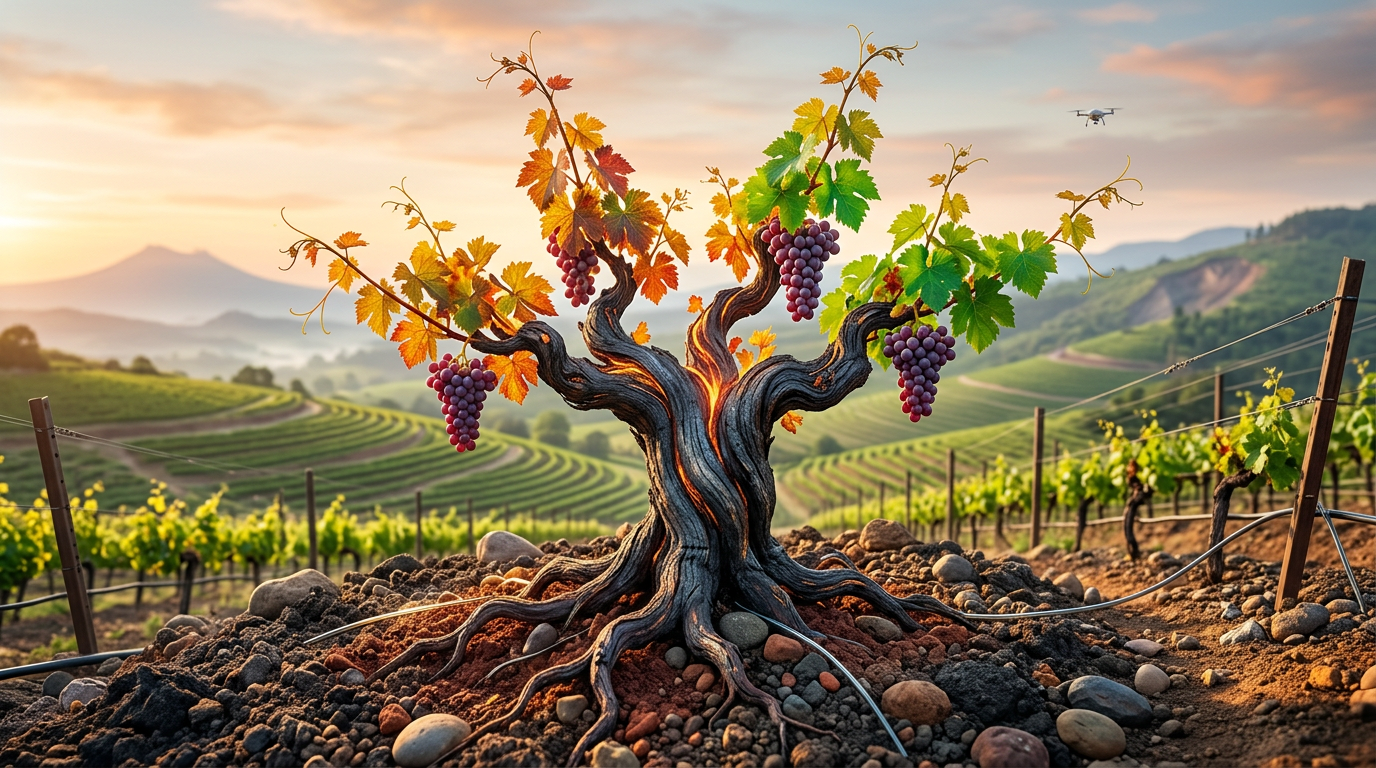
- Terroir Tidbits: Share details about the soil, climate, and topography that shaped the grapes. Was it volcanic soil? A windswept hillside? The subatomic secrets of terroir in 2026 continue to unfold, offering even richer narratives.
- Vineyard Chronicles: Introduce the vineyard's history, its challenges, and its triumphs. Perhaps it's a centuries-old estate or a pioneering organic producer.
- Winemaker's Philosophy: Discuss the vision and passion of the individual or family behind the wine. Do they favor traditional methods or innovative techniques, balancing science and spirit in 2026's best vintages?
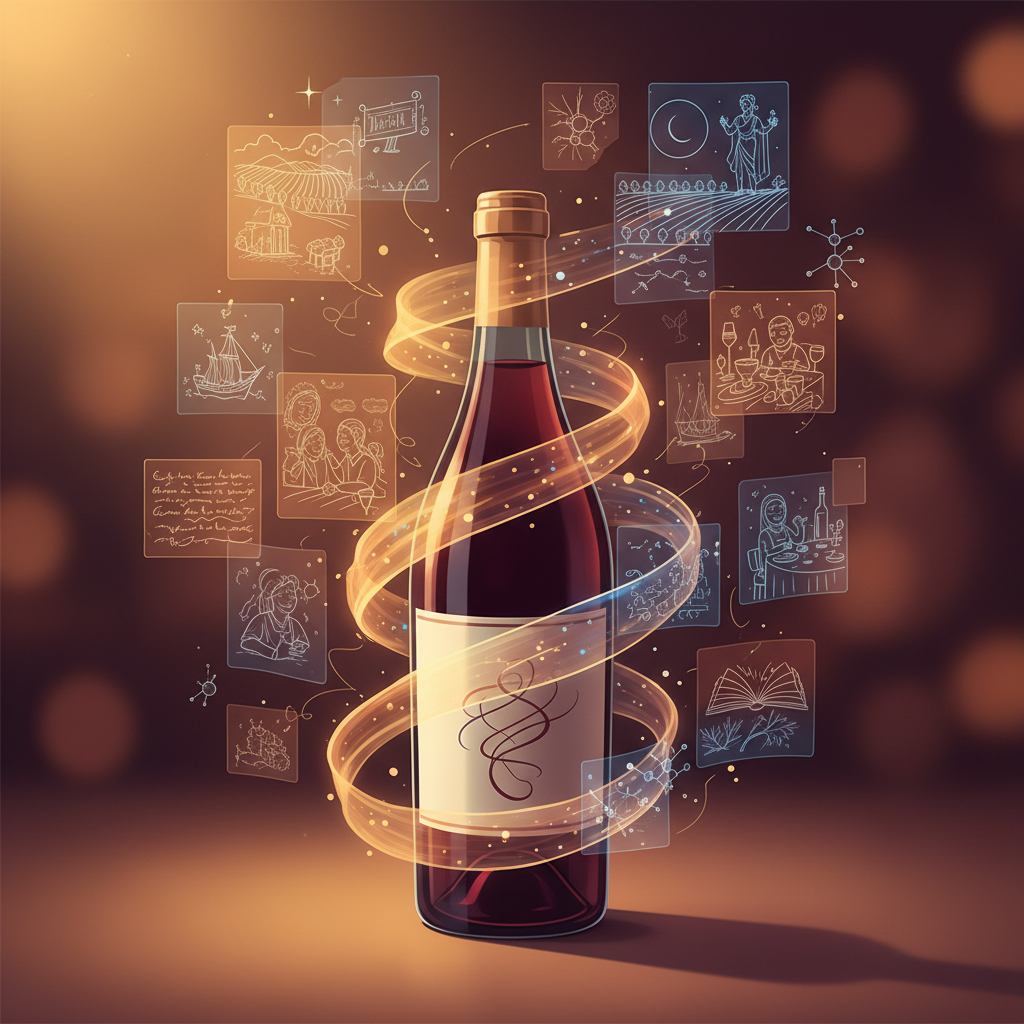
By providing these layers of information, the sommelier transforms a simple bottle into a character with a rich backstory. This is the essence of effective contextual storytelling.
Mastering the Art of Contextual Storytelling: Techniques for Sommeliers
Effective storytelling requires more than just knowing facts; it demands empathy, observation, and theatrical flair. A sommelier must connect the wine's story to the diner's personal experience, enhancing their enjoyment.
The key is to tailor the narrative to the guest. Is it a celebratory dinner? A quiet, reflective meal? The story should resonate with the occasion and the diner's apparent mood and preferences. Understanding the sommelier's psychology in decoding expectation and perception in 2026 is crucial here.
Engaging the Senses Through Narrative
- Visuals: Describe the landscape of the vineyard, the color of the sunset over the vines, or the hands that picked the grapes.
- Aromatics: Paint a picture using evocative language. "Imagine walking through a forest after a spring rain," or "notes of sun-drenched berries from a childhood garden." This taps into the power of olfactory memory in 2026.
- Taste and Texture: Relate flavors to familiar experiences. "The crisp acidity is like a mountain stream," or "the velvety finish feels like old silk."
This multi-sensory approach, powered by contextual storytelling, deepens the guest's connection to the beverage, making the tasting more memorable.
The Impact of Storytelling on Wine Education and Appreciation
For guests, especially those new to the complexities of wine, storytelling acts as a vital educational tool. It demystifies wine, making it more approachable and enjoyable, transforming what might otherwise be an intimidating experience into an inviting exploration.
When a sommelier shares a compelling narrative, they're not just selling wine; they're selling an experience, a piece of culture, and a moment of genuine human connection, reinforcing the value of contextual storytelling.
From Plate to Palate: Pairing with a Purpose
Storytelling also plays a crucial role in wine and food pairing. Instead of just listing complementary flavors, a sommelier can explain why a particular pairing works by weaving a narrative.
For example, pairing a rustic Italian dish with a regional wine grown nearby isn't just about taste – it’s about echoing local tradition and shared heritage. For insights into the provenance of these wines, consider exploring resources on Italian grape varieties and regions.
Building Lasting Relationships
Guests remember stories more than statistics. A well-told tale can foster loyalty, encouraging repeat visits and building a stronger relationship between the diner, the sommelier, and the establishment.
In 2026, personalization is paramount, and a sommelier who masters contextual storytelling becomes an indispensable asset.
Elevating the Dining Experience with Contextual Storytelling
In the highly competitive world of fine dining, differentiation is key. The sommelier who can transform a wine list into a collection of captivating narratives possesses a significant advantage, enhancing the entire dining experience.
This approach moves beyond simple transactions, creating an emotional resonance that guests cherish long after their meal has ended. It is about creating memories and fostering a deeper appreciation for the craft of winemaking.
The Sommelier as Curator of Culture
A sommelier, armed with compelling narratives, becomes a cultural curator. They introduce guests to different regions, winemaking philosophies, and historical contexts, enriching their understanding of the world through wine. For a broader understanding of the cultural aspects of wine, the Uncorking Cultural Heritage project offers fascinating insights.
This global perspective is highly valued in 2026, as consumers seek authentic experiences and knowledge from diverse cultures.
Future Trends: Personalized Wine Journeys
Looking ahead, the role of contextual storytelling will only grow. Advances in AI and data analysis might even aid sommeliers in crafting even more personalized narratives, anticipating guest preferences before they arrive. The concept of virtual terroir and XR for immersive wine education in 2026 is already hinting at these possibilities.
However, the human touch, the genuine passion, and the art of delivery will always remain at the heart of truly exceptional wine service.
Conclusion: The Enduring Power of Contextual Storytelling
In 2026, the power of contextual storytelling is undeniable. It transforms the sommelier from a mere recommender into an enchanting narrator, bridging the gap between bottle and consumer.
By weaving tales of terroir, tradition, and human endeavor, sommeliers not only enhance wine appreciation but also create unforgettable dining experiences, cementing their role as vital conduits of culture and passion in the world of gastronomy.
This approach is not just a trend; it is a fundamental shift in how we connect with and celebrate the profound and beautiful world of wine.
Written by
Juniper Thorne is an experienced writer and educator with a deep passion for the world of wine. Bringing expertise in sensory analysis and wine culture to the Greatest Wine platform, Juniper helps readers explore and appreciate every nuance of wine.
Related Articles
The Vinous Verse: How Wine's Spirit Inspires 2026's Poetic and Literary Masterpieces
The intricate dance between the grape and the written word has enchanted humanity for millennia. Explore the profound connection between wine and literature, from ancient musings to 2026's contemporary narratives and poetic masterpieces. Discover how the world of wine continually inspires writers.
Juniper Thorne