The Art of the Vinous Algorithm: Personalizing Wine Selection with AI and Neuro-Sommelier Insights in 2026
In 2026, the world of wine is undergoing a fascinating transformation, largely driven by the burgeoning field of artificial intelligence. The concept of AI wine selection is no longer a futuristic dream; it's a rapidly evolving reality that promises to revolutionize how we discover and enjoy wine.

The Art of the Vinous Algorithm: Personalizing AI Wine Selection and Neuro-Sommelier Insights in 2026
Welcome to Greatest Wine, your ultimate destination for all things vinous! In 2026, the world of wine is undergoing a fascinating transformation, largely driven by the burgeoning field of artificial intelligence. The concept of AI wine selection is no longer a futuristic dream; it's a rapidly evolving reality that promises to revolutionize how we discover, appreciate, and even pair our favorite vintages. This isn't just about simple recommendations; it’s about deep learning algorithms understanding your unique palate and preferences, offering personalized insights that might even surprise you. For a deeper dive into the sensory experience, explore The Art of the Vinous Cipher: Decoding Hidden Messages in Wine Aromas for 2026.
Understanding the Evolution of AI Wine Selection in 2026
The journey of wine from vineyard to glass has always been steeped in tradition, but technology is now playing an increasingly significant role. Just a few years ago, AI in wine mostly meant basic recommendation engines based on broad categories. Today, in 2026, we're witnessing a far more sophisticated approach, integrating complex data sets and even sensory analysis to refine the process of AI wine selection.
From Basic Algorithms to Predictive Palettes
Early AI systems for wine were often limited to recommending wines based on simple user inputs like "red," "white," "dry," or "sweet." While helpful, these systems lacked the nuance required for a truly personalized experience. Current AI models for wine selection, however, analyze vast amounts of data, including wine reviews, tasting notes, grape varieties, regions, vintages, and even chemical compositions. This allows them to predict not just what you might like, but why you might like it, forming a predictive map of your palate. You might also find this article interesting: The Art of the 'Cognitive Vintage': Mastering the Psychology of Wine Expectation in 2026.
The Data Behind Smart Recommendations
- User Interaction Data: Purchases, ratings, saved wines, and browsing history.
- Expert Tasting Notes: Millions of professional reviews and sensory descriptions.
- Chemical Compound Analysis: Linking specific compounds (e.g., tannins, pyrazines) to flavor profiles.
- Geospatial Data: Terroir characteristics often influence wine taste and quality.
- Food Pairing Databases: Extensive information on successful food and wine combinations.
This rich tapestry of information empowers AI wine selection systems to offer recommendations that are far more accurate and tailored than ever before, elevating the entire wine discovery process. For more on global preferences, see The Art of the Vinous Palate: Deconstructing Global Flavor Preferences in 2026.
Neuro-Sommeliers: Bridging the Gap Between Science and Sensation
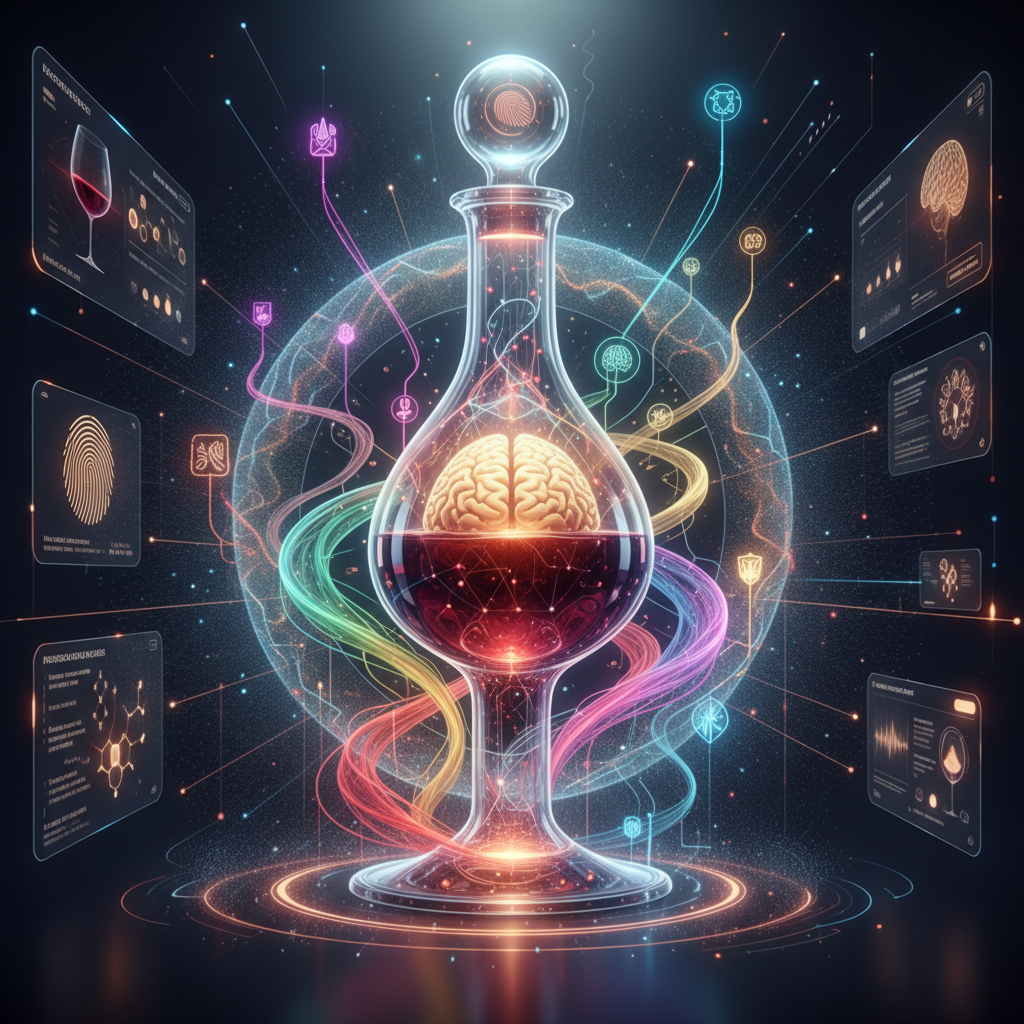
One of the most exciting advancements in 2026 is the emergence of neuro-sommelier insights, which are increasingly integrated into sophisticated AI wine selection platforms. This field explores the neurological basis of taste perception, understanding how our brains react to different sensory inputs from wine. By combining this understanding with AI, we can achieve an unparalleled level of personalization.
How Neuro-Sommeliers Inform AI
Neuro-sommeliers study the brain's response to various stimuli present in wine – aromas, flavors, textures, and even temperature. This research provides critical data that AI can then use to build more accurate individual taste profiles. For instance, rather than just knowing you like "fruity" wines, an AI system powered by neuro-sommelier insights might understand that your brain responds particularly positively to specific ester compounds associated with ripe berries, guiding your AI wine selection even further.
The Science of Taste Perception
Our perception of wine is incredibly complex, involving multiple senses. Neuro-sommelier research helps to quantify and categorize these reactions:
- Olfactory Receptors: How different aroma molecules trigger specific responses.
- Gustatory Papillae: The role of taste buds in detecting sweetness, sourness, bitterness, saltiness, and umami.
- Trigeminal Nerve: Responsible for sensations like astringency (from tannins), tingling, and heat.
- Emotional Responses: How certain wines evoke memories or feelings, influencing overall enjoyment.
By mapping these neurological responses, AI can learn to predict which wines will create the most satisfying and enjoyable experience for an individual, transcending simple preference data. This makes AI wine selection an incredibly powerful tool.
The Practical Benefits of Personalized AI Wine Selection
For both novice wine drinkers and seasoned connoisseurs, personalized AI wine selection offers a multitude of tangible advantages. It democratizes access to expert-level recommendations and helps navigate the vast, sometimes overwhelming, world of wine. You can learn more about how AI contributes to various aspects of wine, like The Art of the 'Vinous Metronome': Synchronizing Lunar Cycles and Vineyard Rhythms for 2026's Biodynamic Precision.
Enhanced Discovery and Exploration
How many times have you stood in a wine aisle, feeling overwhelmed by choices? AI wine selection takes the guesswork out of the process. It acts as your personal digital sommelier, guiding you toward wines you're likely to adore, and even encouraging you to explore new regions, varietals, or styles you might not have considered otherwise. This expands your wine horizons without the risk of consistent poor selections.
Optimized Paring for Culinary Experiences
At Greatest Wine, we believe food and wine pairing is an art form. AI wine selection excels in this area, offering highly specific and successful pairing recommendations. Instead of general advice like "red wine with red meat," AI can suggest a particular Barbera d'Asti from 2022 to perfectly complement your slow-braised lamb shank, based on your specific taste profile and the dish's precise ingredients and preparation methods. This elevates everyday meals and fine dining alike. Further insights into pairing can be found in The Art of the Vinous Synchronicity: Mastering Wine and Event Pairing for 2026's Unforgettable Moments.
Saving Time and Reducing Waste
No more buying bottles you regret! By minimizing the number of disappointing purchases, AI wine selection saves you money and reduces wine waste. It streamlines the decision-making process, allowing you to confidently choose wines that you know you'll enjoy, whether you're at a wine shop or ordering online. This efficiency is a major draw for today's busy wine enthusiasts. For a broader perspective on efficient wine connoisseurship, consider The Art of the 'Global Cellar': Curating a World-Class Wine Collection for the Modern Connoisseur in 2026.
Ethical AI and the Future of Wine Enjoyment
As AI wine selection becomes more prevalent, discussions around data privacy, algorithmic bias, and the role of human expertise are naturally emerging. Ensuring ethical AI development is paramount for the continued trust and success of these systems.
Maintaining the Human Element
While AI offers incredible capabilities, it's crucial to remember that it is a tool to augment, not replace, human expertise. The passion, nuanced understanding, and storytelling ability of a human sommelier will always hold a special place. AI wine selection should enhance, not diminish, the rich cultural aspects of wine. We envision a future where AI and human sommeliers collaborate, offering the best of both worlds. For more on the human and psychological aspects of wine, consider The Art of the 'Cognitive Corkscrew': Deconstructing the Psychological Rituals of Opening and Serving Wine in 2026.
Data Privacy and Algorithmic Transparency
As personal taste profiles are generated, questions of data security and privacy become critical. Reputable AI wine selection platforms in 2026 are committed to transparent data practices, clearly explaining how user data is collected, used, and protected. Furthermore, ongoing research addresses potential algorithmic biases, ensuring recommendations are fair, diverse, and representative of the global wine landscape. For an external perspective on AI ethics, you may wish to read this article from IBM Research on AI Ethics: Principles and Practices. Another valuable resource exploring the broader implications of AI in various industries can be found at WIRED's AI Ethics section.
The goal is to provide a seamless, enjoyable, and trustworthy experience that enriches your wine journey without compromising your privacy or limiting your options.
Integrating AI into Your Wine Journey with Greatest Wine
At Greatest Wine, we are at the forefront of exploring how innovative technologies like AI wine selection can enhance your enjoyment of wine. Our platform will soon feature tools and insights designed to leverage these advancements, helping you to discover, appreciate, and pair wines like never before in 2026 and beyond.
What to Expect from Greatest Wine
- Personalized Palate Mapping: Interactive tools to help understand your unique taste preferences.
- AI-Powered Recommendations: Curated wine suggestions based on your profile and neuro-sommelier insights.
- Advanced Pairing Guides: Detailed recommendations for specific dishes, powered by AI analysis.
- Educational Content on AI in Wine: In-depth articles and guides explaining how these technologies work.
We are dedicated to offering practical tips, expert advice, and curated knowledge for both beginners and experienced wine enthusiasts. Whether you're just starting your wine journey or looking to deepen your expertise, Greatest Wine, powered by the latest in AI wine selection, will serve as your trusted and inspiring guide. Uncork the potential for new discoveries with The Art of the Vinous Alchemists: Transforming 'Problem' Grapes into 2026's Unexpected Treasures.
The future of wine is intelligent, personalized, and wonderfully exciting. Join us at Greatest Wine as we uncork the potential of AI to bring you closer to the wines you love, and introduce you to new favorites you never knew existed.
Written by
Juniper Thorne is an experienced writer and educator with a deep passion for the world of wine. Bringing expertise in sensory analysis and wine culture to the Greatest Wine platform, Juniper helps readers explore and appreciate every nuance of wine.
Related Articles

The Vinous Arsenal: Essential Tools for Elevating Your Wine Experience in 2026
As we navigate May 2026, the world of wine continues to evolve, offering enthusiasts unprecedented tools. Discover the essential wine accessories for 2026 that will elevate your enjoyment, from innovative aerators to smart preservation systems. Upgrade your vinous arsenal today with Greatest Wine.
Juniper Thorne